Turkish Shepherds Salad (Çoban Salatası): Authentic Turkish Recipe & Serving Ideas
What Is Turkish Shepherds Salad?
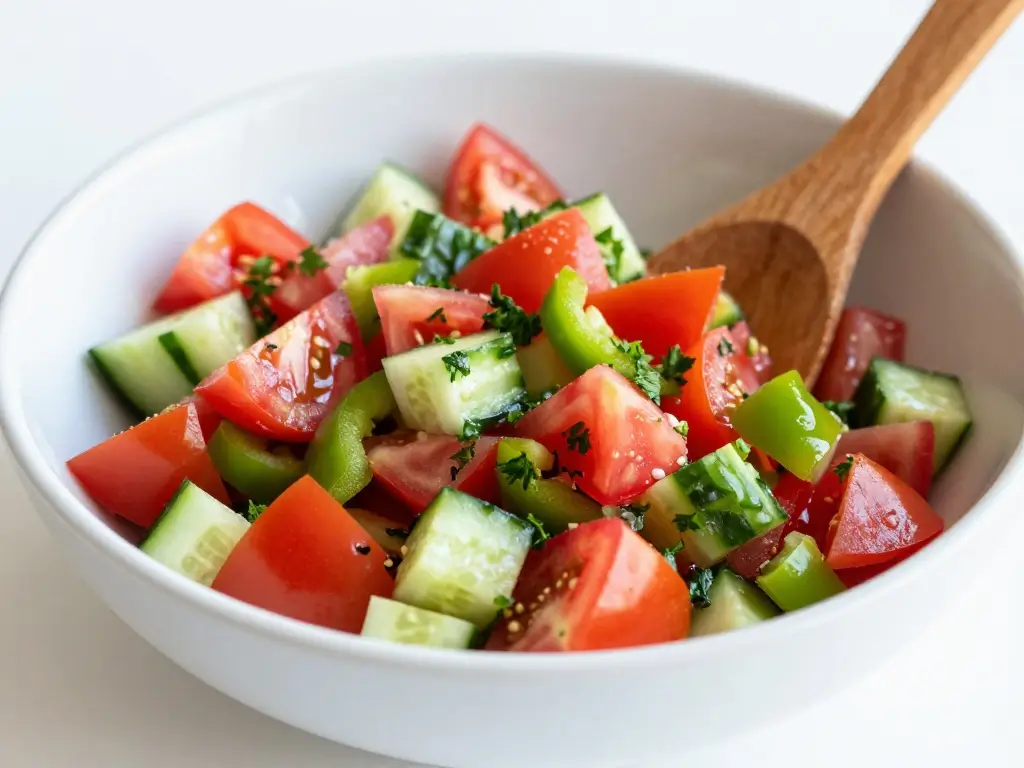
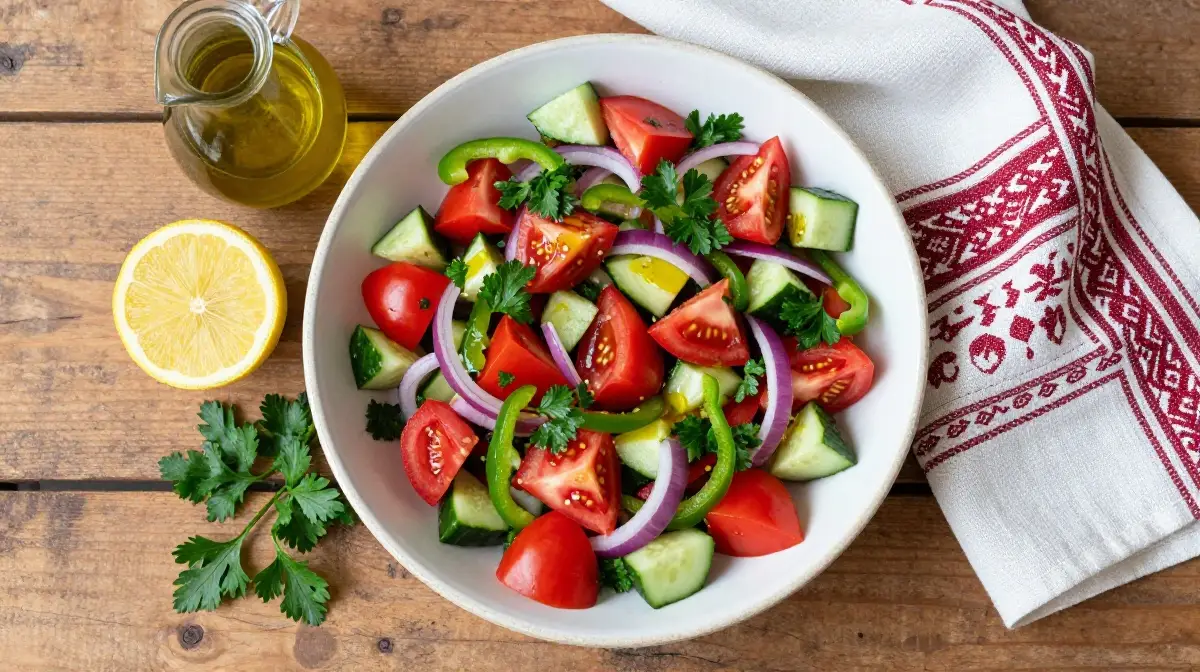
Turkish Shepherds Salad, known locally as Çoban Salatası, is one of Turkey’s most beloved side dishes. The name literally means “shepherd’s salad” — a nod to the simple, rustic roots of this vibrant, chopped vegetable salad. It combines fresh tomatoes, crisp cucumbers, onions, green peppers, and parsley, all tossed in a bright lemon olive oil dressing.
This authentic Turkish salad isn’t fancy. It doesn’t need to be. Every bite bursts with freshness. It’s light, crunchy, and deeply satisfying. Whether you find it at a Turkish restaurant or on a family dinner table in Istanbul, the recipe stays beautifully consistent — simple ingredients, honest flavors, zero fuss.
The History of Traditional Çoban Salatası
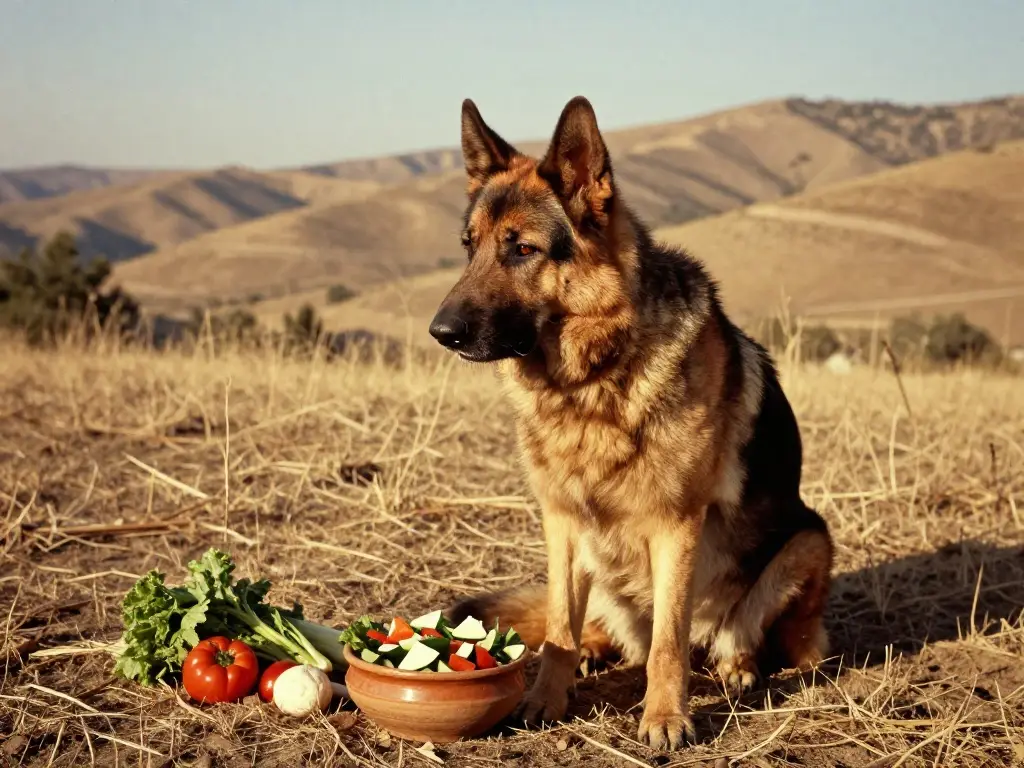
The traditional Turkish shepherd salad goes back centuries. Shepherds in Anatolia carried tomatoes, cucumbers, and onions while tending their flocks. They chopped everything together with whatever was in season and ate it under the open sky. No fancy dressing, no complicated technique — just real food made with real hands.
Over time, this humble classic Çoban salad moved from the countryside to city restaurants, then to international menus worldwide. Today, it stands as a proud ambassador of traditional Turkish cuisine. It’s part of the Mediterranean diet salad tradition — plant-based, olive oil-rich, and genuinely nourishing.
Ingredients Needed for Turkish Shepherds Salad
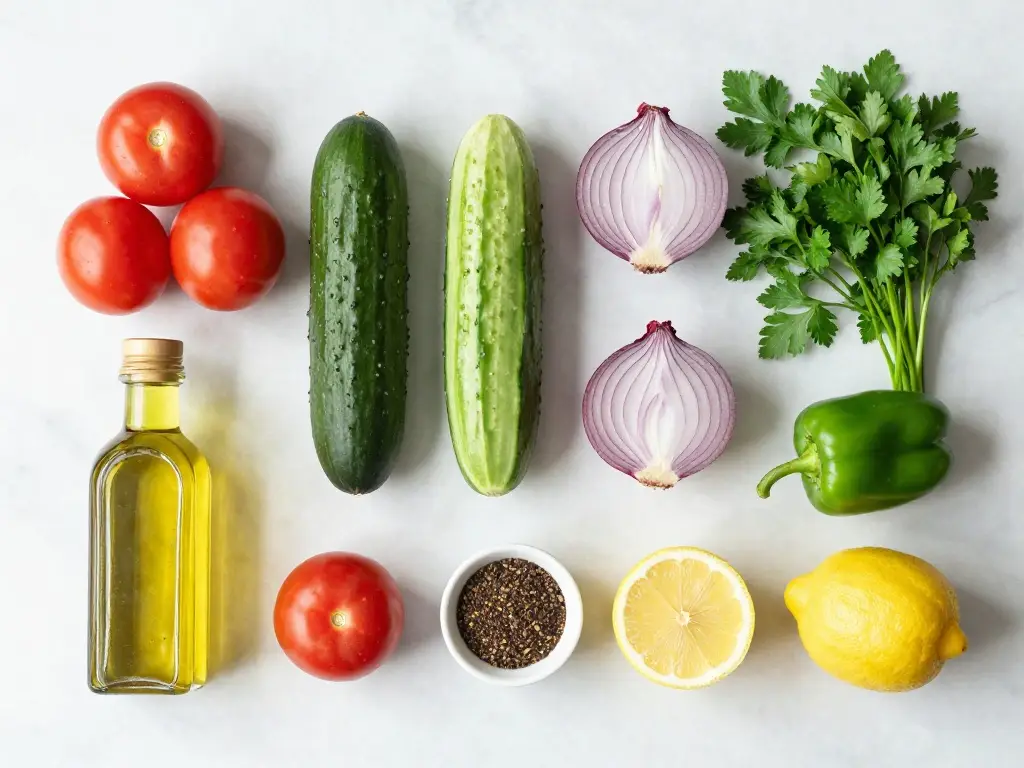
Getting the ingredients right is everything. The turkish salad ingredients list is short but each item carries weight. Use the freshest produce you can find. Here’s what you need:
| Ingredient | Quantity | Notes |
|---|---|---|
| Roma tomatoes | 3 medium | Firm, ripe, not mushy |
| Persian/English cucumbers | 2 medium | Thin-skinned preferred |
| Red onion | 1 small | Soak in cold water to mellow |
| Green bell pepper or Turkish sivri pepper | 1 | Adds mild crunch |
| Fresh flat-leaf parsley | ½ cup | Don’t substitute dried |
| Extra virgin olive oil | 3 tbsp | High quality matters here |
| Fresh lemon juice | 2 tbsp | Bottled won’t do |
| Salt | 1 tsp | Flaky sea salt preferred |
| Sumac (optional) | 1 tsp | Adds lovely tangy depth |
This easy shepherd salad recipe works best when every ingredient is at room temperature. Cold vegetables dull the flavor. Let them sit on the counter for 15 minutes before chopping.
How to Choose Fresh Vegetables for the Best Flavor
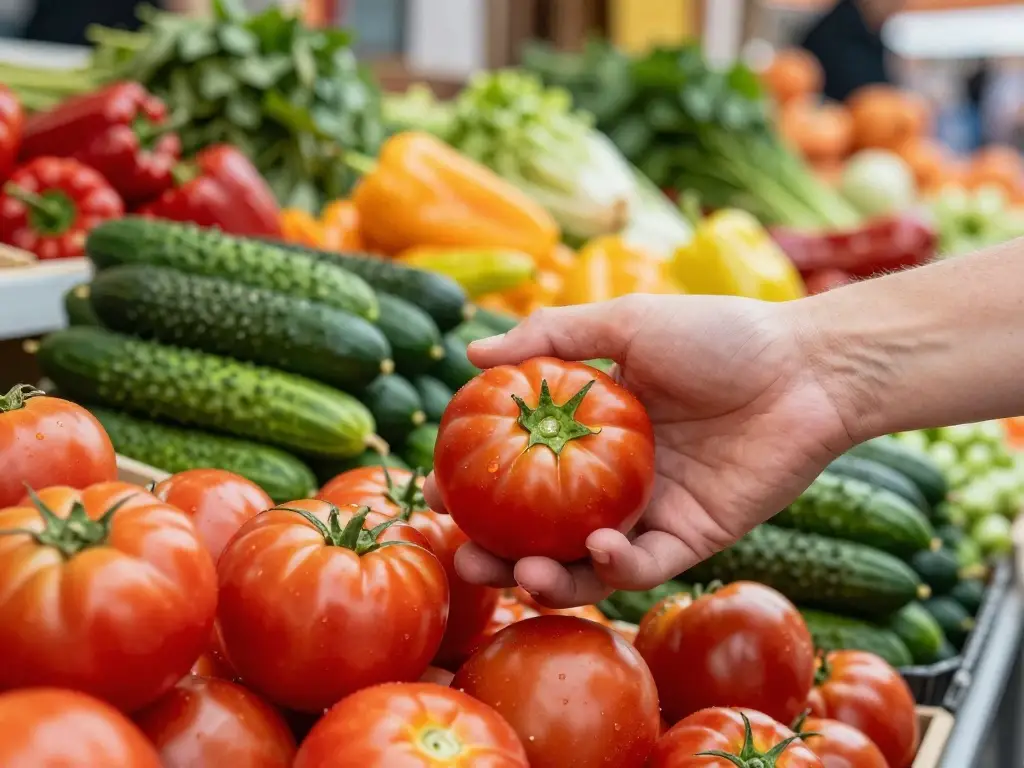
The secret behind a great fresh cucumber tomato salad is buying right. Look for tomatoes that smell like tomatoes — that rich, slightly earthy fragrance. Avoid anything pale or mealy. Heirloom varieties work beautifully. Roma tomatoes hold their shape after chopping without turning the bowl into tomato soup.
For cucumbers, go thin-skinned. Persian cucumbers are ideal for this Turkish vegetable salad because they’re less watery and have a snappy bite. If using regular English cucumbers, peel them halfway — leave some skin for color and texture. Onions should feel firm. Soft onions mean age. And for the parsley, grab a fresh bunch from the produce section, not the sad plastic container. That fresh parsley salad recipe note is non-negotiable — dried parsley turns this salad flat and lifeless.
You may also like this:14 Lentil Noodle Soup: The Heartiest Most Nourishing Bowl You Will Ever Make
Step-by-Step Turkish Shepherds Salad Recipe
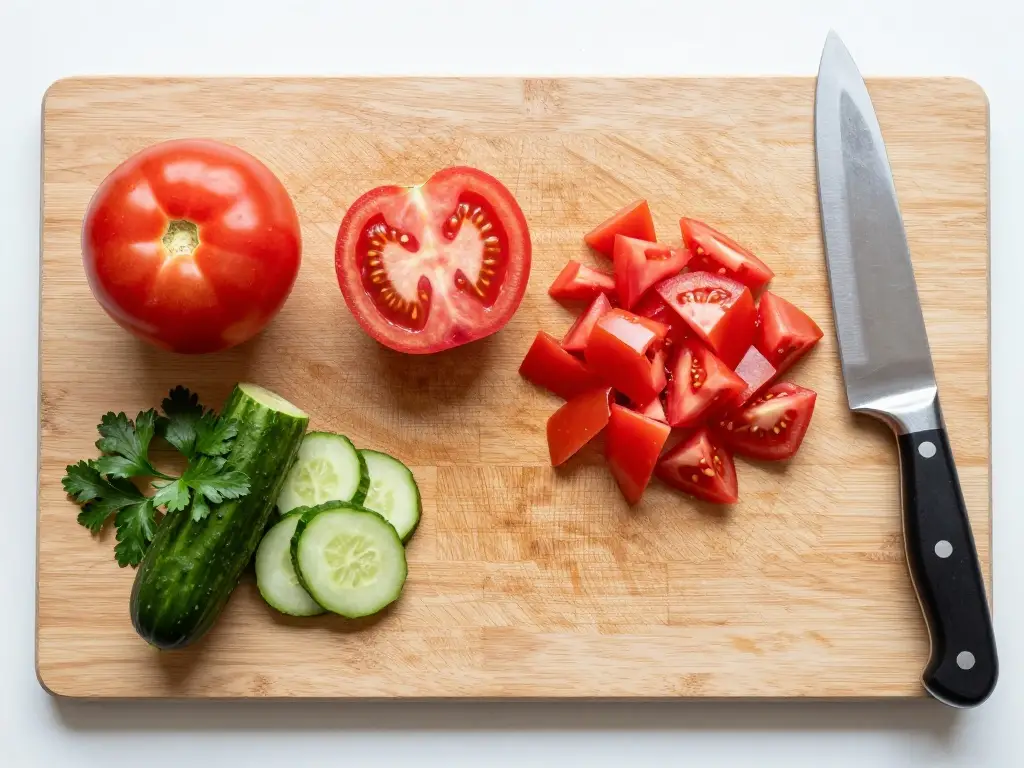
Making this homemade Turkish salad takes about 15 minutes. Here’s exactly how to do it:
Step 1 — Prep the onion. Dice the red onion finely. Soak it in cold salted water for 10 minutes. This removes sharpness without losing crunch. Drain and pat dry.
Step 2 — Chop the tomatoes. Cut into small, even cubes — roughly ½ inch. Remove the seedy core if the tomatoes are very juicy.
Step 3 — Cube the cucumbers. Match the size of your tomato pieces. Consistency makes the salad look and eat better.
Step 4 — Dice the pepper. Remove seeds. Cut into thin strips, then crosswise into small pieces.
Step 5 — Chop the parsley. Use just the leaves. Chop roughly — not too fine.
Step 6 — Combine. Add everything to a wide bowl. Drizzle olive oil and lemon juice. Season with salt. Toss gently.
Step 7 — Taste and adjust. More lemon? More salt? Trust your palate. Serve immediately for peak freshness.
This quick and easy salad recipe feeds four people as a side dish. Double it for gatherings.

The lemon olive oil dressing is the soul of this salad. It’s deceptively simple — just two main ingredients — but the quality of each one determines the outcome. Use cold-pressed extra virgin olive oil with a grassy, peppery finish. Skip anything labeled “light” or “pure.” Those are refined oils with no character.
Squeeze lemons fresh, every single time. The ratio is roughly 1.5:1 — one and a half parts olive oil to one part lemon juice. Whisk them together with a pinch of salt before pouring over the salad. Some Turkish cooks add a tiny drizzle of pomegranate molasses for sweetness. Others add a pinch of sumac for tartness. Both work beautifully. This dressing also doubles as a simple Mediterranean side dish sauce for grilled meats and flatbreads.
Tips for Chopping Vegetables Like a Turkish Chef
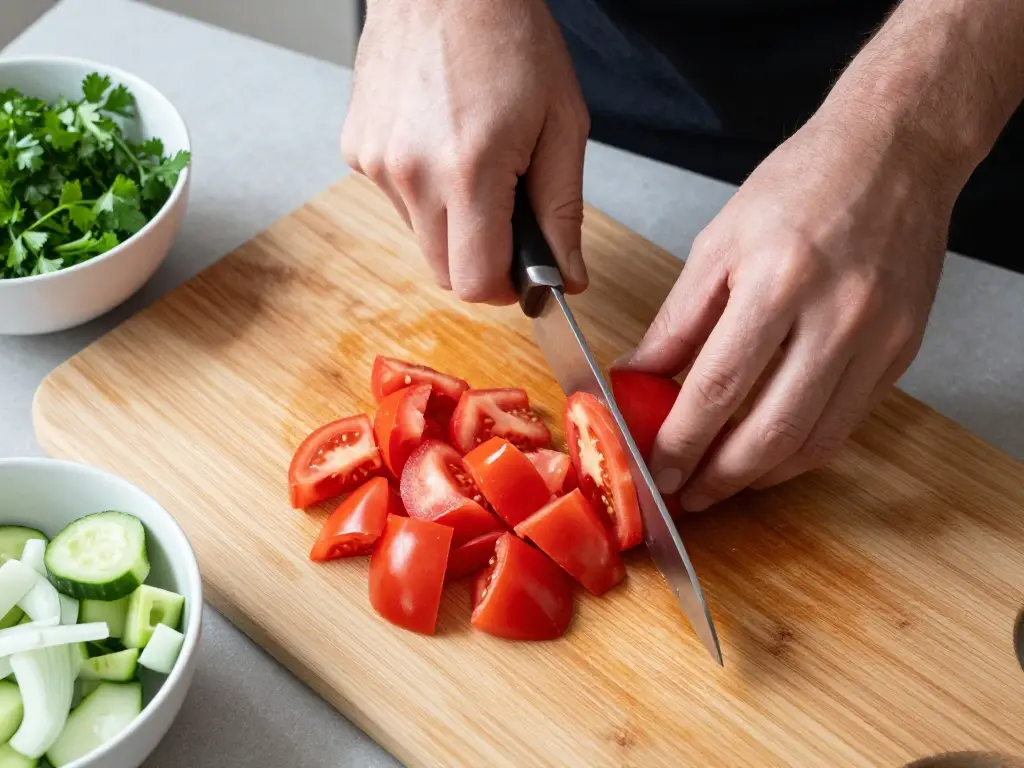
Turkish home cooks have this salad mastered. Their secret is knife discipline. Every piece of vegetable should be roughly the same size — about half an inch. When pieces match, every forkful delivers a balanced bite of cucumber tomato onion salad without one ingredient dominating another.
Use a sharp knife. Dull knives crush vegetables instead of cutting them cleanly, releasing extra juice and making the salad soggy. Work on a large, stable cutting board. Chop the onion last — it’s the most aromatic and your board will need a quick wipe before moving on to parsley. A pro tip: chill your knife briefly in the freezer before chopping onions. It genuinely reduces tearing. This attention to detail is what separates a good chopped salad with herbs from a great one.
Common Mistakes to Avoid When Making Shepherd Salad
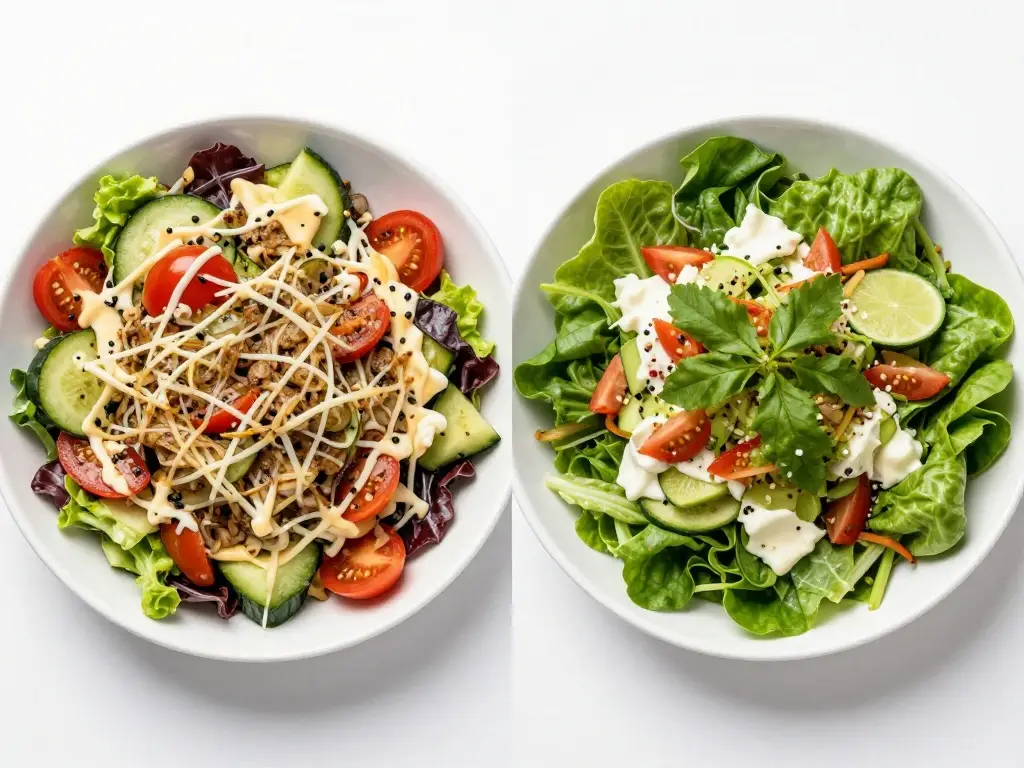
Even a simple refreshing vegetable salad can go wrong. The most common mistake? Adding the dressing too early. Salt draws moisture out of vegetables fast. Dress the salad within five minutes of serving, never before. Soggy salad is the enemy.
Second mistake: skipping the onion soak. Raw red onion can overpower everything else. That 10-minute cold water soak is quick, easy, and makes a genuine difference. Third mistake: using dried herbs. This is a fresh parsley salad recipe — dried parsley has no place here. Fourth mistake: overcrowding the bowl. Use a wide, shallow bowl so you can toss everything without bruising the vegetables. A deep narrow bowl turns this into a mash. These small adjustments protect the integrity of your homemade Mediterranean salad and keep it tasting vibrant and alive.
Authentic Turkish Shepherds Salad Variations
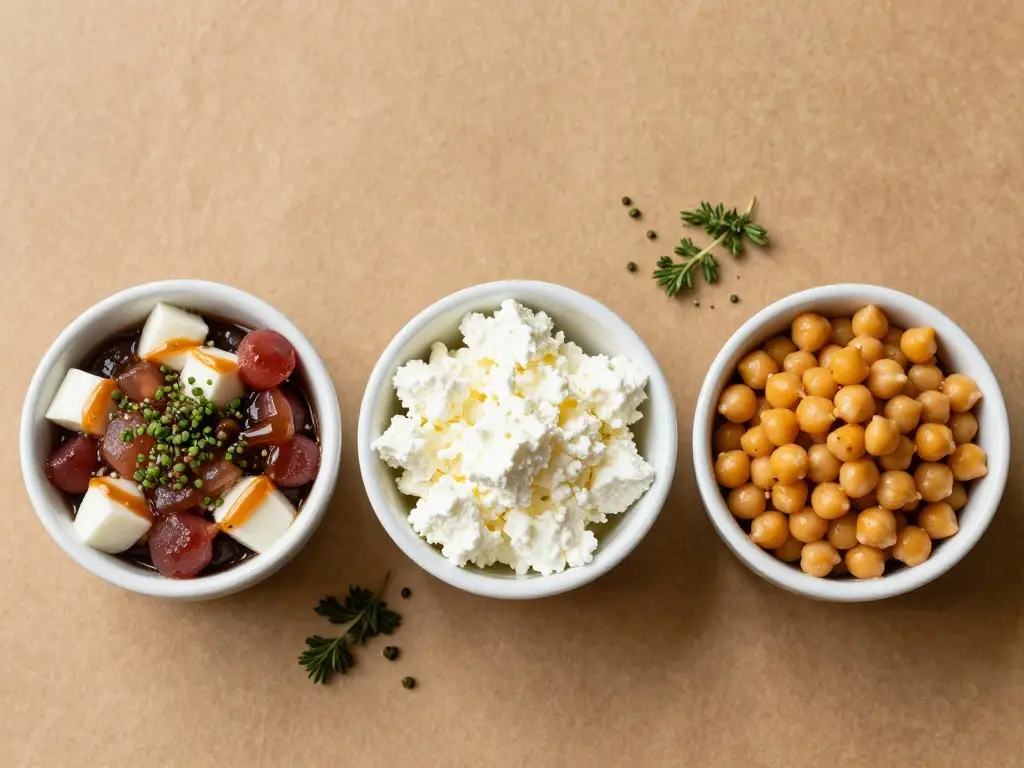
The authentic Turkish salad recipe has regional cousins across Turkey. In the Aegean region, cooks add crumbled white cheese — similar to feta but saltier and creamier. In southeastern Turkey, a pinch of isot pepper (Urfa chili) adds smoky heat. Some coastal variations include finely diced green olives for briny depth.
For a vegan Turkish salad version — which the classic already is — just skip any cheese additions. The base recipe is naturally gluten free salad recipe compliant too, making it suitable for nearly every dietary need. Abroad, some cooks add chickpeas to turn it into a more filling healthy lunch salad. Others mix in mint alongside parsley for a fresher, more herbal profile. These variations prove how adaptable this refreshing summer salad really is — one foundation, infinite expressions.
Is Turkish Shepherds Salad Healthy?
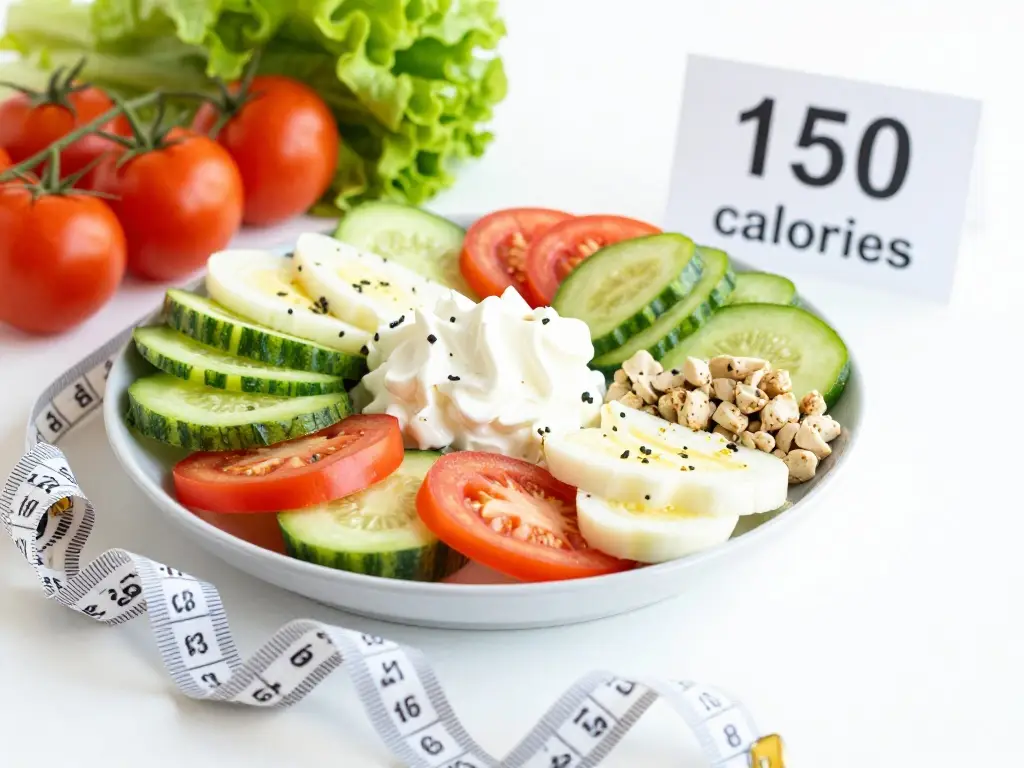
Short answer: yes, genuinely. This healthy Turkish salad is packed with vitamins C and K from tomatoes and parsley. Cucumbers add hydration and silica. Olive oil delivers heart-healthy monounsaturated fats. Onions and peppers bring antioxidants and quercetin — a potent anti-inflammatory compound.
The entire salad clocks in under 150 calories per serving. It’s naturally aligned with the Mediterranean diet salad framework — rich in plant foods, good fats, and minimal processing. No sugar, no preservatives, no mystery ingredients. A 2020 study from Harvard’s School of Public Health confirmed that Mediterranean-style diets reduce cardiovascular disease risk by up to 30%. This light Mediterranean salad earns every bit of its health reputation. It’s one of those rare foods that tastes indulgent while actively doing your body good.
What to Serve with Turkish Shepherds Salad
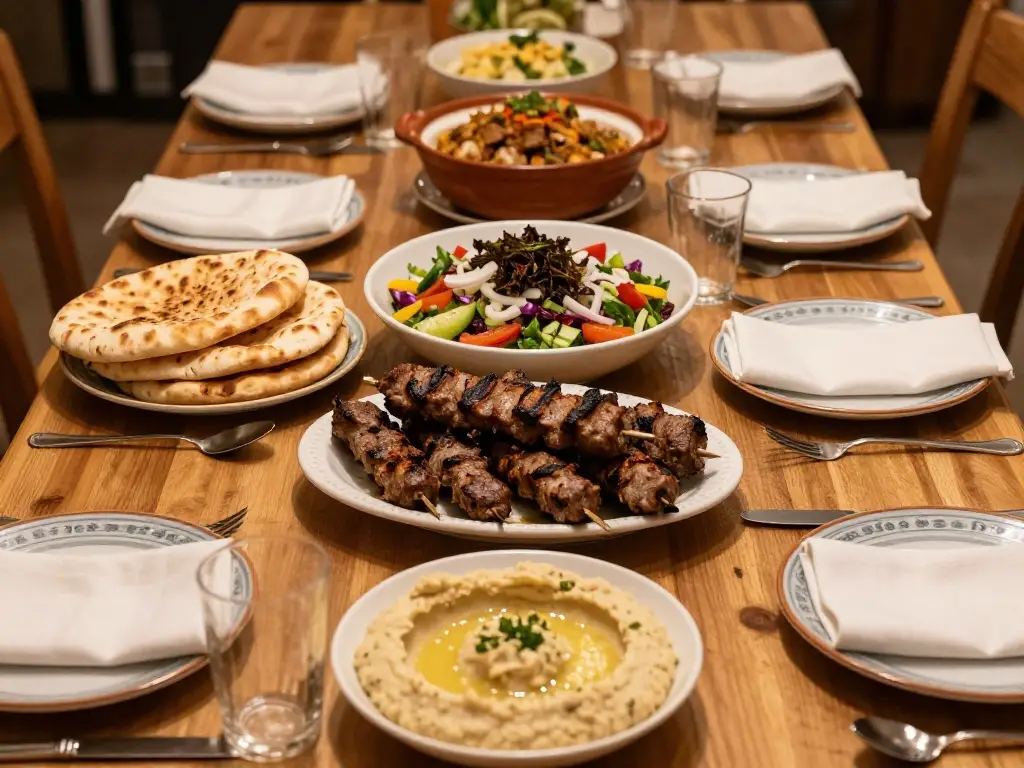
This salad plays well with almost everything. In Turkey, it appears alongside Turkish food recipes like kebabs, köfte (meatballs), pide (Turkish flatbread), and dolma (stuffed vegetables). It cuts through rich, fatty mains beautifully — the acid from lemon juice acts like a palate reset between bites.
As a Turkish side dish recipe, it also pairs well with hummus, baba ghanoush, and warm pita. Try it next to lentil soup for a light, balanced meal. For American tables, it works wonderfully beside roasted chicken, grilled salmon, or lamb chops. The freshness of this Mediterranean shepherd salad balances any protein. It also works solo as a healthy lunch salad with good bread and a piece of cheese on the side. Versatile doesn’t begin to cover it.
Turkish Shepherds Salad for BBQs and Grilled Meats

This is the best turkish salad for grilled meat. Full stop. The brightness of lemon, the herbaceous parsley, and the crunch of cucumber cut right through smoky, charred flavors from the grill. Turkish kebab houses serve Çoban Salatası with every single order — and there’s a reason for that.
At your next BBQ, make this salad instead of coleslaw. It’s lighter, fresher, and doesn’t wilt in summer heat the way mayo-based salads do. Double the batch — it disappears fast. Pair it with shish kebab, adana kebab, or simple grilled chicken thighs. The refreshing summer salad energy it brings to any outdoor cookout is unmatched. Even a basic burger benefits from a spoonful of this chopped vegetable salad on the side. It upgrades the entire meal with almost zero effort.
How to Store and Keep Shepherd Salad Fresh
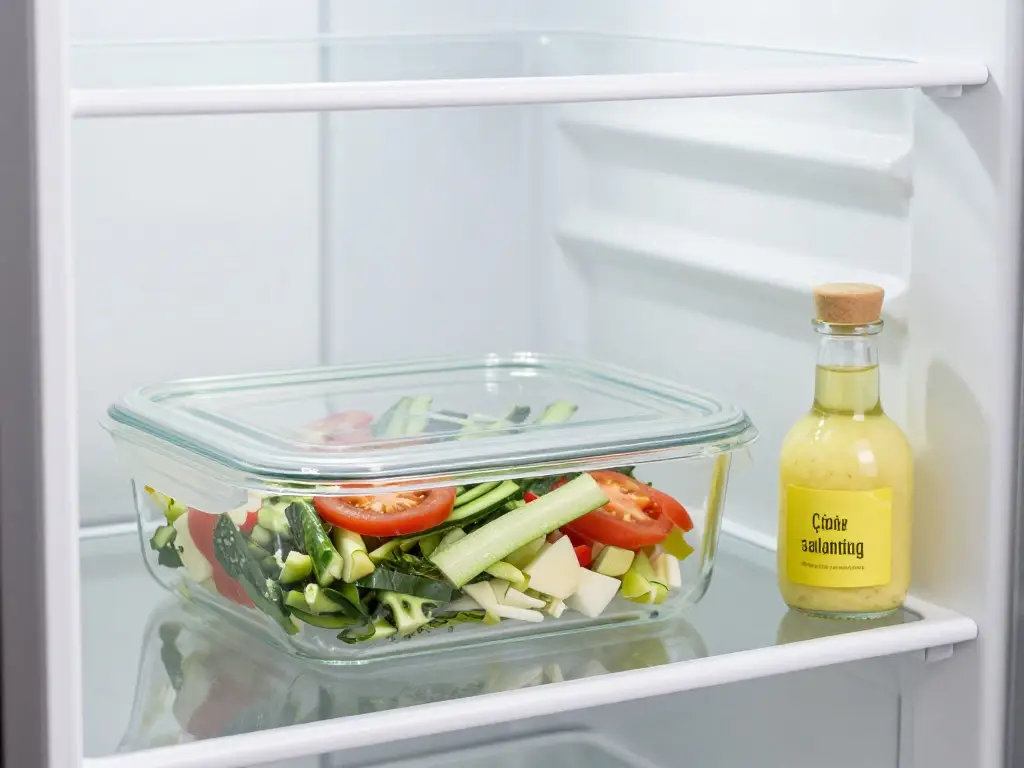
Turkish Shepherds Salad is best eaten fresh — ideally within 30 minutes of dressing it. The vegetables release moisture over time and the salad loses its satisfying crunch. That said, you can prep ahead smartly.
Chop all the vegetables and store them undressed in an airtight container in the fridge for up to 24 hours. Keep the dressing separate in a small jar. Combine only when ready to serve. Never freeze this salad — freezing destroys the texture of every vegetable in it. If you have leftovers already dressed, eat them within a few hours. The homemade Turkish salad won’t be as crisp the next day, but the flavor will still be good — use leftovers as a topping for eggs or inside a wrap. Nothing goes to waste.
Turkish Shepherds Salad vs Greek Salad: Key Differences
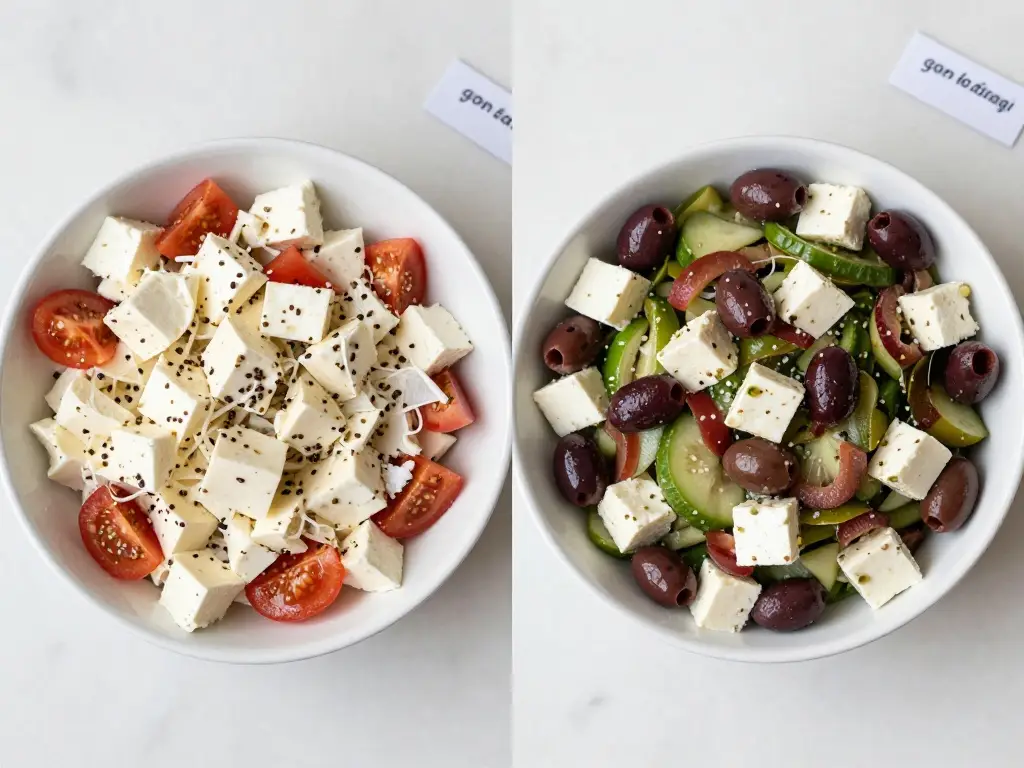
Both salads claim Mediterranean DNA, but they’re genuinely distinct. Here’s a clear comparison:
| Feature | Turkish Shepherds Salad | Greek Salad (Horiatiki) |
|---|---|---|
| Feta/cheese | Optional (not traditional) | Mandatory large slab of feta |
| Olives | Rarely included | Kalamata olives essential |
| Herbs | Fresh parsley | Dried oregano |
| Dressing | Lemon + olive oil | Red wine vinegar + olive oil |
| Texture | Finely chopped | Chunky, rustic cuts |
| Lettuce | Never used | Sometimes added |
| Onion type | Red onion, soaked | Raw red onion, not soaked |
The Turkish tomato cucumber salad version is lighter, more finely cut, and herb-forward. Greek salad leans on briny, bold ingredients like olives and feta. Both are incredible — but they serve different flavor purposes. The classic Çoban salad works as a fresher, more delicate accompaniment. The Greek version stands more independently as a meal.
Frequently Asked Questions About Turkish Shepherds Salad

Can you make Turkish Shepherds Salad ahead of time? Prep the vegetables up to 24 hours ahead. Store undressed in the fridge. Add dressing right before serving to keep everything crisp.
Is Çoban Salatası vegan?
Yes. The base vegan Turkish salad recipe contains no animal products. Skip cheese additions to keep it fully plant-based.
What does Çoban Salatası mean?
It translates directly to “shepherd’s salad” in Turkish. Çoban means shepherd and salatası means salad.
Can I use lime instead of lemon?
You can, but lemon is more authentic. Lime gives a slightly different, more tropical flavor profile that shifts the character of the authentic Turkish salad recipe.
Is this salad gluten-free?
Completely. This gluten free salad recipe contains no grains or gluten-containing ingredients in its traditional form.
What type of onion works best?
Red onion is traditional. Always soak it in cold salted water first to mellow the sharpness without losing the crunch.
Final Thoughts on Making Authentic Turkish Shepherds Salad at Home

Turkish Shepherds Salad is one of those recipes that rewards simplicity. Don’t overthink it. Use the best vegetables you can find, a good olive oil, a fresh lemon, and sharp knife skills. That’s genuinely all it takes to bring a piece of Turkish culinary tradition to your table.
The beauty of Çoban Salatası lies in its honesty. No pretension, no complex technique, no exotic equipment. Just clean, vibrant flavors that have delighted people across Turkey and the wider Mediterranean for generations. Whether you serve it at a summer BBQ, a weeknight dinner, or a holiday feast, this authentic Turkish salad recipe earns its place every time. Make it once and it becomes a permanent fixture in your cooking rotation — that’s the quiet power of a truly great classic.