
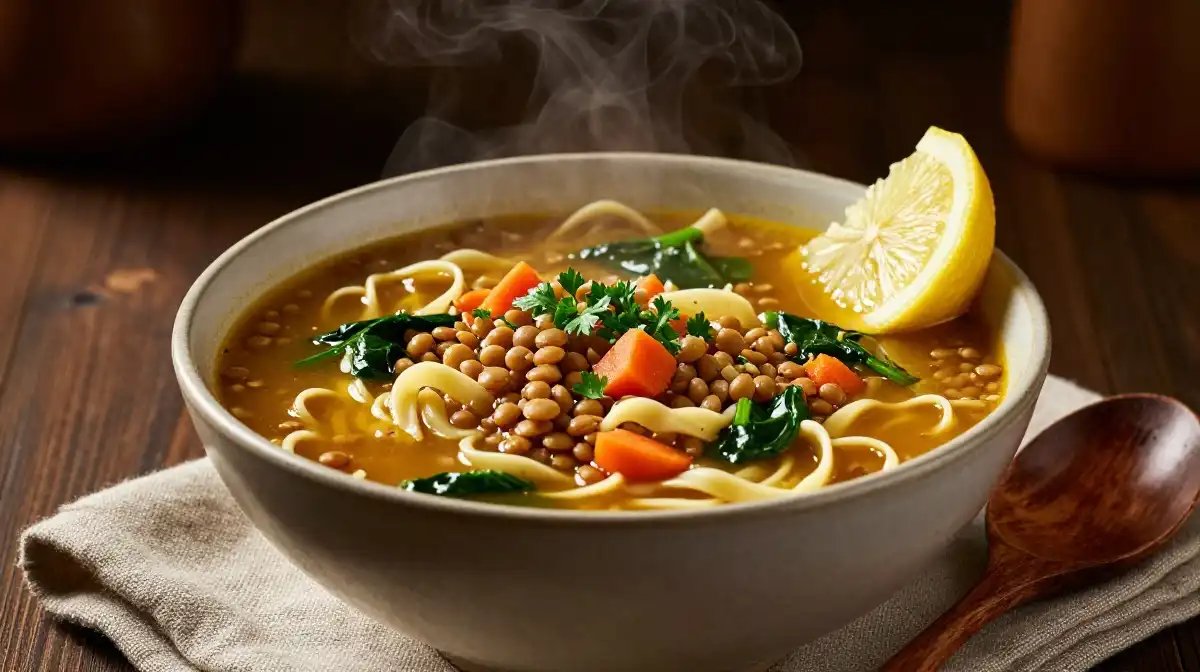
14 Lentil Noodle Soup: The Heartiest Most Nourishing Bowl You Will Ever Make
Some soups warm your hands. Lentil noodle soup warms your entire soul. It’s the kind of bowl that fixes a bad week, fuels a cold morning, and makes your kitchen smell so good that neighbors start showing up uninvited. Rich, thick, deeply seasoned, and packed with genuine nutrition — this soup sits at the perfect intersection of comfort food and genuinely smart eating. Whether you’re cooking for a crowd, meal prepping for the week, or simply need something deeply satisfying on a Tuesday night, this complete guide covers every technique, every variation, and every secret worth knowing.
What Makes Lentil Noodle Soup the Ultimate Comfort Food Bowl
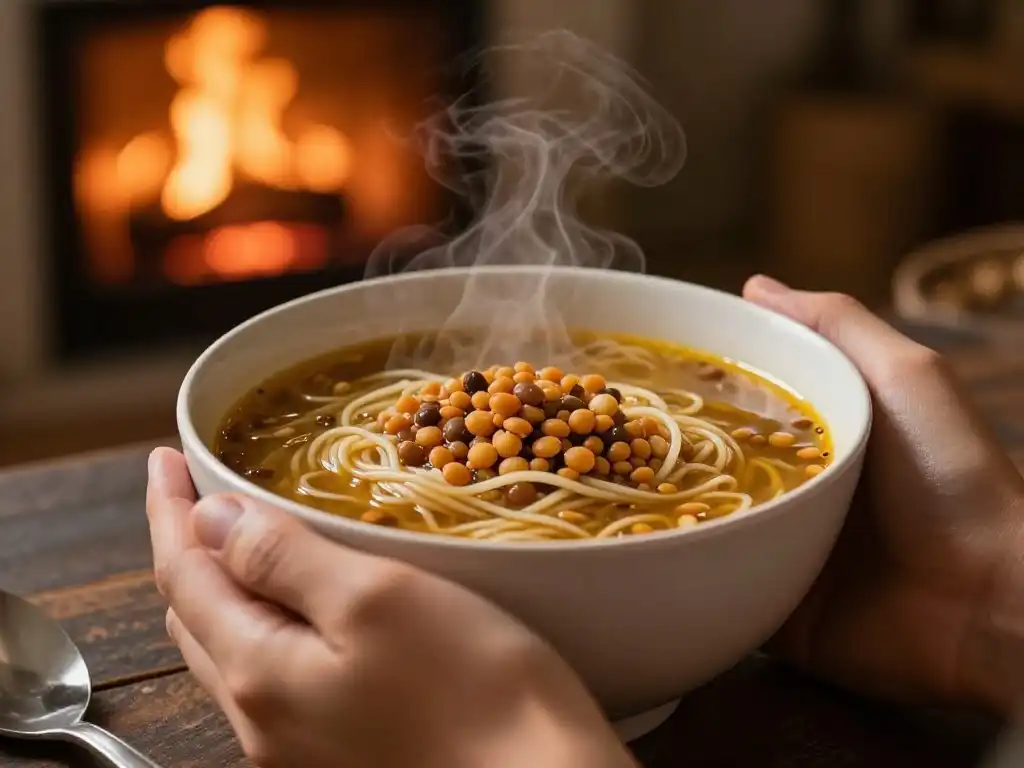
Lentil noodle soup comfort food status is completely earned and nutritionally justified in ways that most comfort dishes simply aren’t. Lentils deliver extraordinary plant-based protein — approximately 18 grams per cooked cup — alongside impressive dietary fiber, iron, folate, and anti-inflammatory compounds that support immune health during the cold and flu seasons when this soup gets made most frequently.
What separates lentil noodle soup from other hearty soups is its extraordinary textural range. Soft, yielding lentils create a thick, stew-like broth base while the noodles add chewiness and substance that makes the bowl feel genuinely complete rather than a side dish pretending to be a main course. According to Healthline, lentils rank among the most nutritionally dense legumes available — making healthy lentil noodle soup one of the rare meals where outstanding flavor and outstanding nutrition occupy exactly the same bowl simultaneously.
Best Lentils to Use for a Perfect Lentil Noodle Soup Every Time
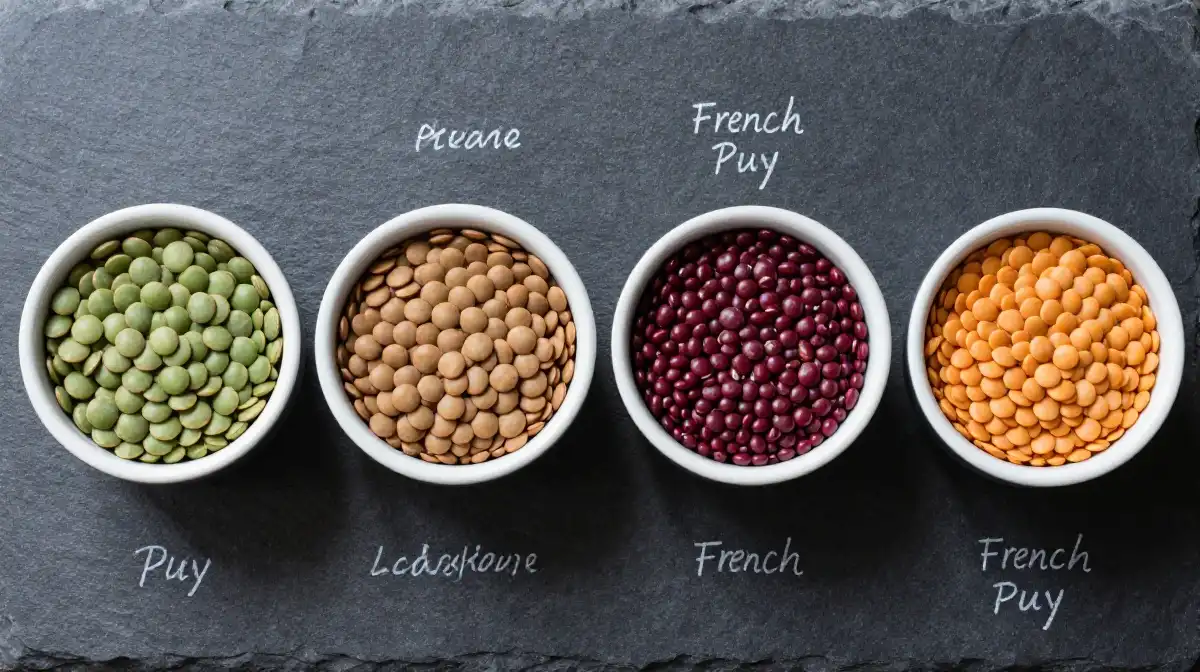
Lentil variety shapes the soup’s final texture, cooking time, and flavor profile in ways that matter enormously. Green lentils hold their shape beautifully through long simmering and contribute a mild, peppery, earthy flavor that creates a chunky, rustic soup with distinct lentil pieces visible in every bowl. They’re the best choice when you want substantial texture and clearly defined ingredients.
Brown lentils — the most common variety in American grocery stores — behave similarly to green lentils but break down slightly more during cooking, creating a slightly thicker broth naturally. Red lentils dissolve almost completely during simmering and produce a remarkably creamy, velvety soup base that resembles a bisque more than a traditional chunky soup. How to make creamy lentil noodle soup most efficiently uses red lentils specifically for this reason — no blending required, no added cream needed. The lentils themselves create the silky texture. French lentils, also called Puy lentils, hold their shape most stubbornly of all and suit lentil noodle soup with vegetables preparations where you want distinct, firm lentil pieces standing up to hearty add-ins.
| Lentil Type | Texture After Cooking | Cook Time | Best Soup Style |
|---|---|---|---|
| Red Lentils | Dissolves, very creamy | 15–20 min | Creamy, smooth soups |
| Green Lentils | Holds shape well | 25–35 min | Chunky, rustic soups |
| Brown Lentils | Partially breaks down | 20–30 min | Hearty, thick soups |
| French (Puy) | Firm, holds perfectly | 35–45 min | Structured, textured soups |
Best Noodles for Lentil Noodle Soup That Hold Up Perfectly
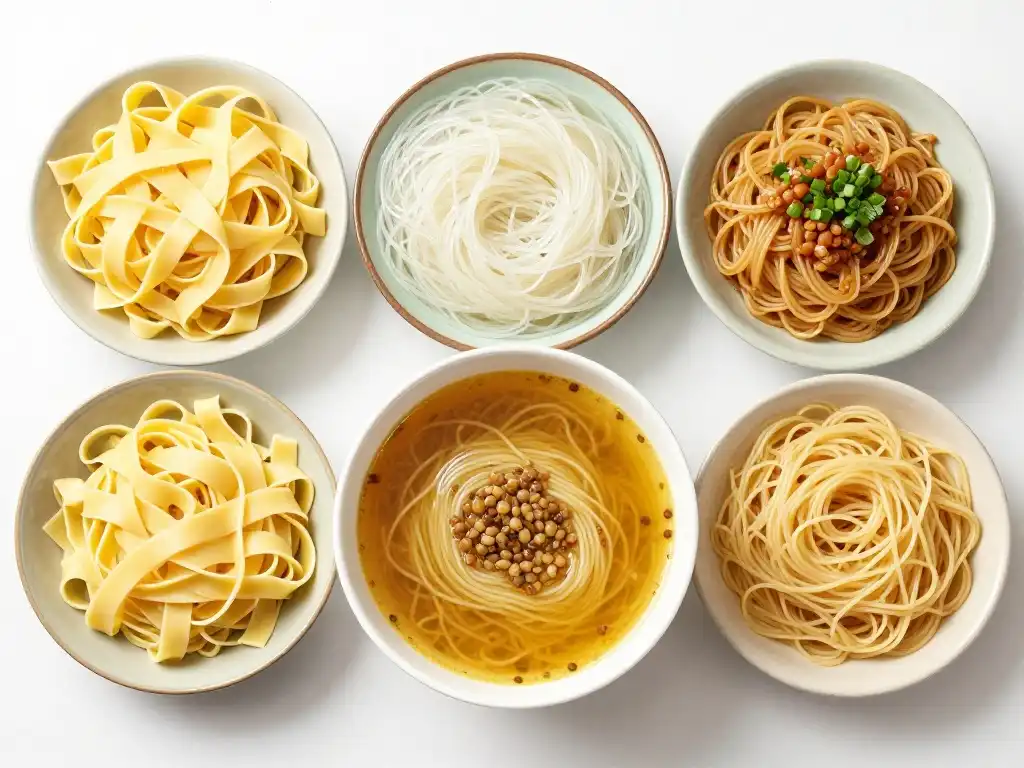
What noodles are best for lentil soup is the question that genuinely determines whether your finished bowl succeeds or collapses into a starchy, mushy disappointment. The wrong noodle turns a beautiful soup into paste within thirty minutes of cooking — and nobody wants that after investing in building a rich, deeply flavored broth.
you may also like this: 14 Chickpea Zucchini Fritters That Are Crispy Golden and Completely Irresistible
Egg noodles are the classic American choice for lentil noodle soup recipe preparations — their slightly thicker walls and egg-enriched dough hold up beautifully during simmering without disintegrating and contribute a pleasant, slightly rich flavor that complements earthy lentils naturally. Wide egg noodles work especially well in lentil noodle soup winter recipe preparations where maximum heartiness is the goal. Rice noodles keep the soup lentil noodle soup gluten free and cook remarkably quickly — add them only in the final three to four minutes. How to make gluten free lentil noodle soup successfully means choosing rice noodles or certified gluten-free pasta and always cooking them separately before adding to the hot soup — gluten-free noodles release significantly more starch than wheat-based options and cloud your beautiful broth within minutes if cooked directly in it.
Best Broth and Base for a Rich and Flavorful Lentil Noodle Soup
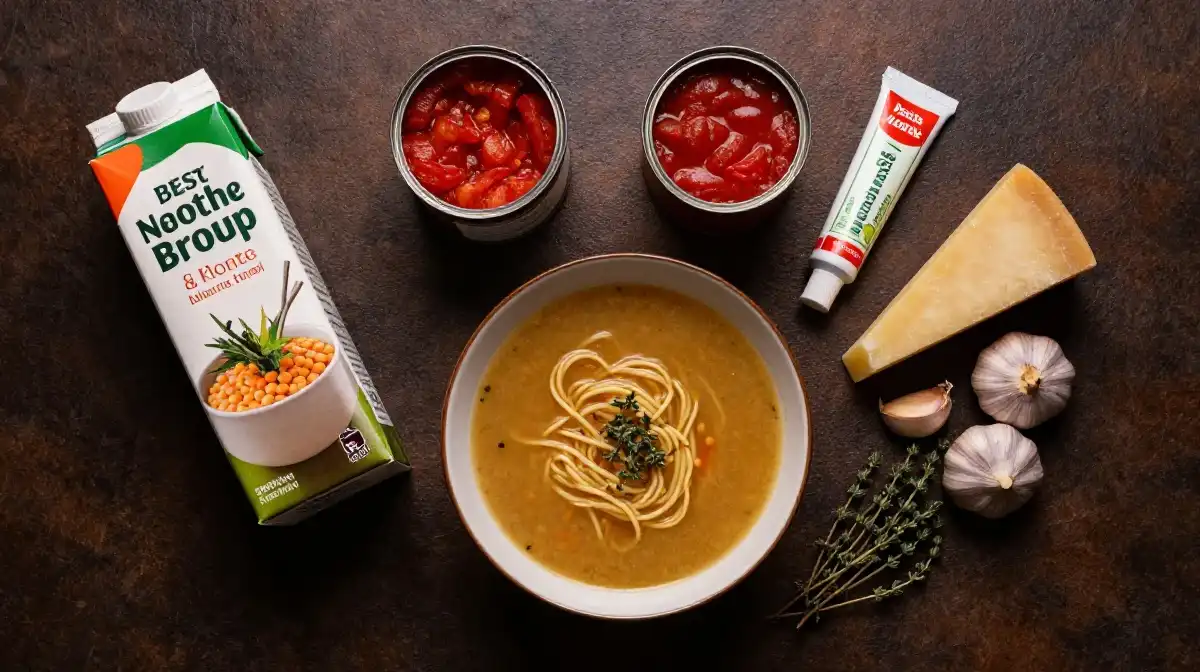
What broth is best for lentil noodle soup determines the soup’s entire flavor foundation — every other ingredient builds on whatever base you choose. Lentils absorb their cooking liquid deeply and completely, which means weak, watery broth produces a flat, disappointing soup regardless of every other ingredient’s quality. Never compromise on broth quality here.
Vegetable broth keeps the soup fully lentil noodle soup vegan and lentil noodle soup vegetarian while still delivering excellent depth when you choose high-quality commercial brands or make your own. Fortify store-bought vegetable broth by adding a parmesan rind during simmering — it dissolves slowly into the broth and contributes extraordinary umami depth without making the soup non-vegan if you simply omit it for plant-based preparations. Chicken broth adds richer, more savory depth for non-vegan versions. A tablespoon of tomato paste stirred into your aromatics before adding any liquid adds concentrated umami and beautiful color that transforms lentil noodle soup with broth from pleasant to genuinely memorable in one simple addition.
Best Vegetables and Herbs to Add to Your Lentil Noodle Soup
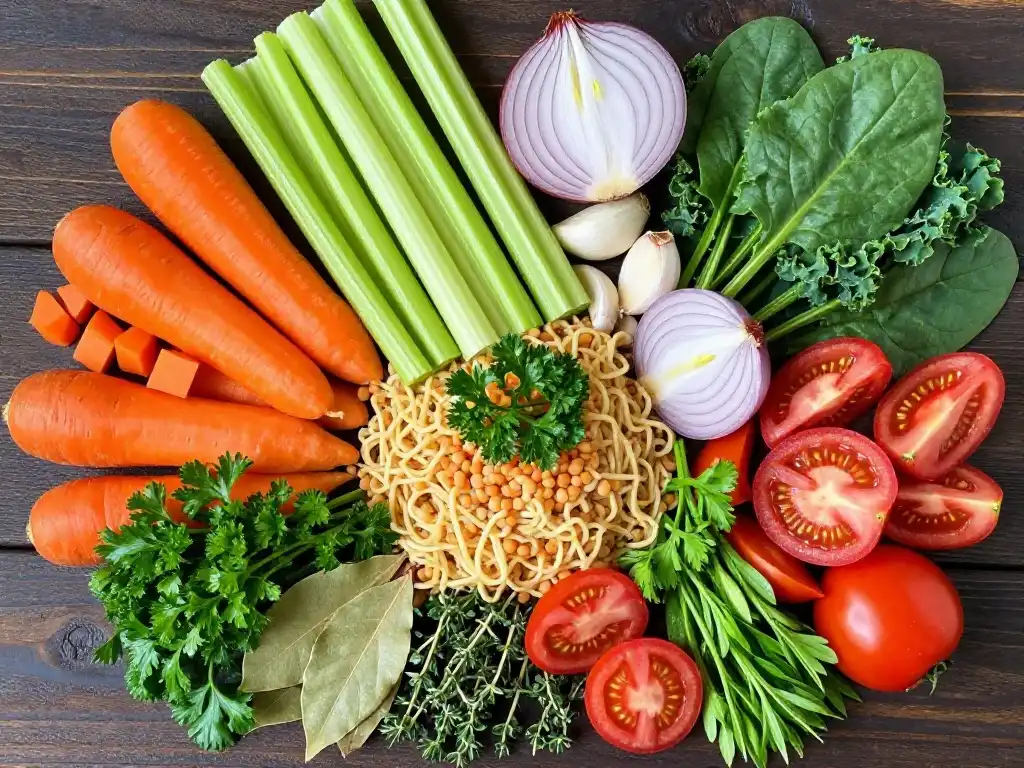
Classic soup vegetables form the aromatic backbone of every great lentil noodle soup with vegetables preparation. The holy trinity of carrots, celery, and onion — diced uniformly and sautéed in olive oil before any liquid gets added — builds a flavor foundation that no shortcut substitution fully replicates. Give these aromatics eight to ten full minutes over medium heat to soften and begin sweetening before moving forward.
What vegetables go in lentil noodle soup expands beautifully beyond the classic trio. Lentil noodle soup with spinach — stirred in during the final two minutes — adds iron, vitamin K, and vibrant green color that makes the finished bowl look as nourishing as it tastes. Lentil noodle soup with kale works brilliantly in heartier preparations — add torn kale leaves five minutes before serving to soften without losing all texture. Lentil noodle soup with tomatoes — either diced tomatoes from a can or fresh cherry tomatoes halved — adds bright acidity that cuts through the lentils’ earthiness and keeps the soup tasting fresh rather than heavy. For herbs, fresh thyme and bay leaf added during simmering plus fresh parsley stirred in right before serving creates a layered herbal quality that dried herbs alone never achieve.
Best Spices and Seasonings for a Bold and Flavorful Lentil Noodle Soup
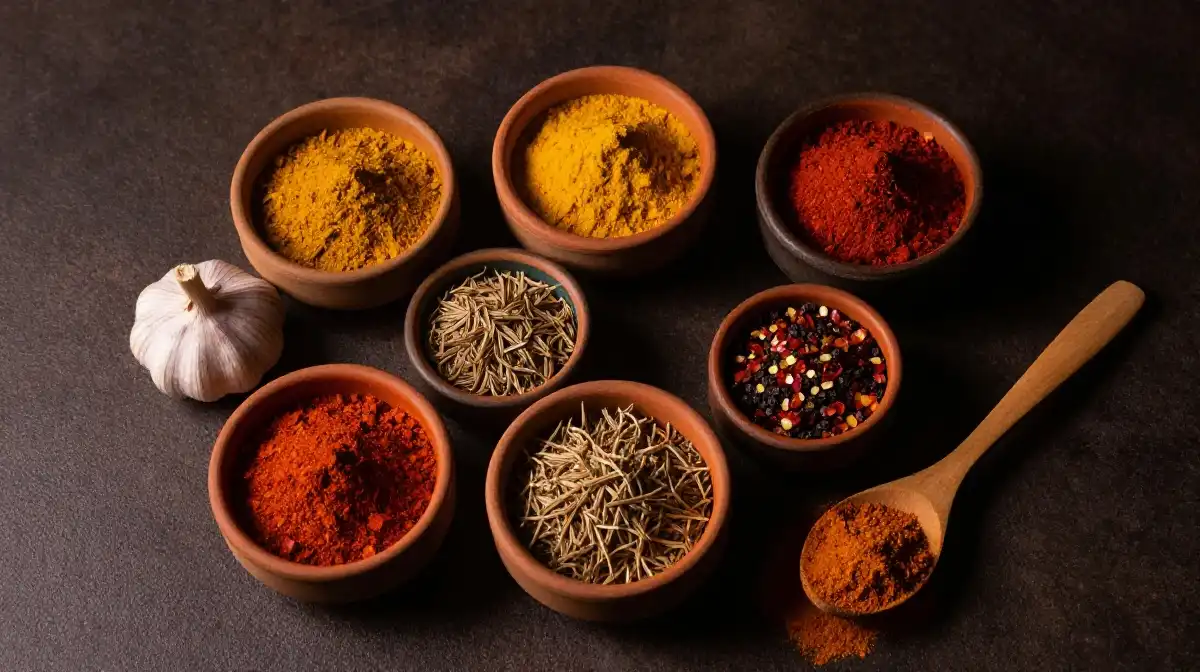
Spices transform easy lentil noodle soup from simple and nourishing into deeply complex and craveable. Turmeric is the single most impactful spice you can add — it contributes stunning golden color, powerful anti-inflammatory compounds, and a subtle earthy warmth that defines lentil noodle soup with turmeric as a genuinely therapeutic preparation beyond its culinary appeal.
How to season lentil noodle soup correctly means building spice flavors in layers rather than dumping everything into the broth simultaneously. Bloom cumin and smoked paprika in hot olive oil alongside your aromatics — 30 to 60 seconds of direct heat releases their fat-soluble flavor compounds in ways that adding them to liquid simply cannot replicate. Lentil noodle soup with garlic benefits enormously from using four to five cloves rather than the timid one or two that cautious recipes suggest — garlic’s pungency mellows completely during the long simmer and what remains is a rounded, sweet, deeply savory background note. Lemon juice added in the final two minutes brightens every other flavor instantly and makes the entire bowl taste more alive — start with one tablespoon, taste, and add more until the soup sings.
How to Make Classic Lentil Noodle Soup From Scratch Step by Step
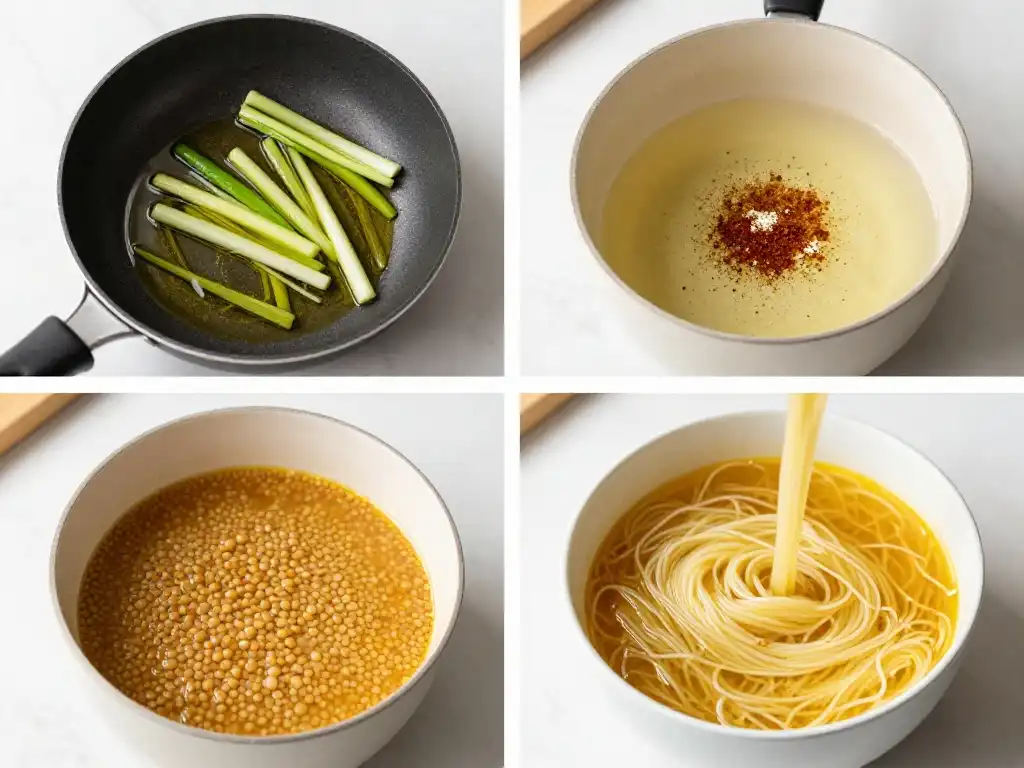
How to make lentil noodle soup from scratch follows a logical, satisfying sequence that becomes completely intuitive after the first attempt. Heat two tablespoons of olive oil in a large Dutch oven or heavy-bottomed pot over medium heat. Add one diced onion, three diced carrots, and three diced celery stalks. Cook eight to ten minutes until softened and beginning to turn golden at the edges.
Add five minced garlic cloves, one teaspoon of turmeric, one teaspoon of cumin, one teaspoon of smoked paprika, and one tablespoon of tomato paste. Stir constantly for 60 seconds — you’re blooming spices and darkening the tomato paste simultaneously to build depth. Add one cup of rinsed green lentils or brown lentils and six cups of vegetable broth plus one bay leaf and two fresh thyme sprigs. Bring to a boil then reduce to a steady simmer. Cook uncovered 25 to 30 minutes until lentils are completely tender. Add your chosen noodles and cook according to package directions — typically six to eight minutes for egg noodles. Remove bay leaf and thyme stems. Stir in lemon juice, fresh parsley, and adjust salt and pepper generously before serving.
How to Make Creamy Lentil Noodle Soup That Warms Your Soul
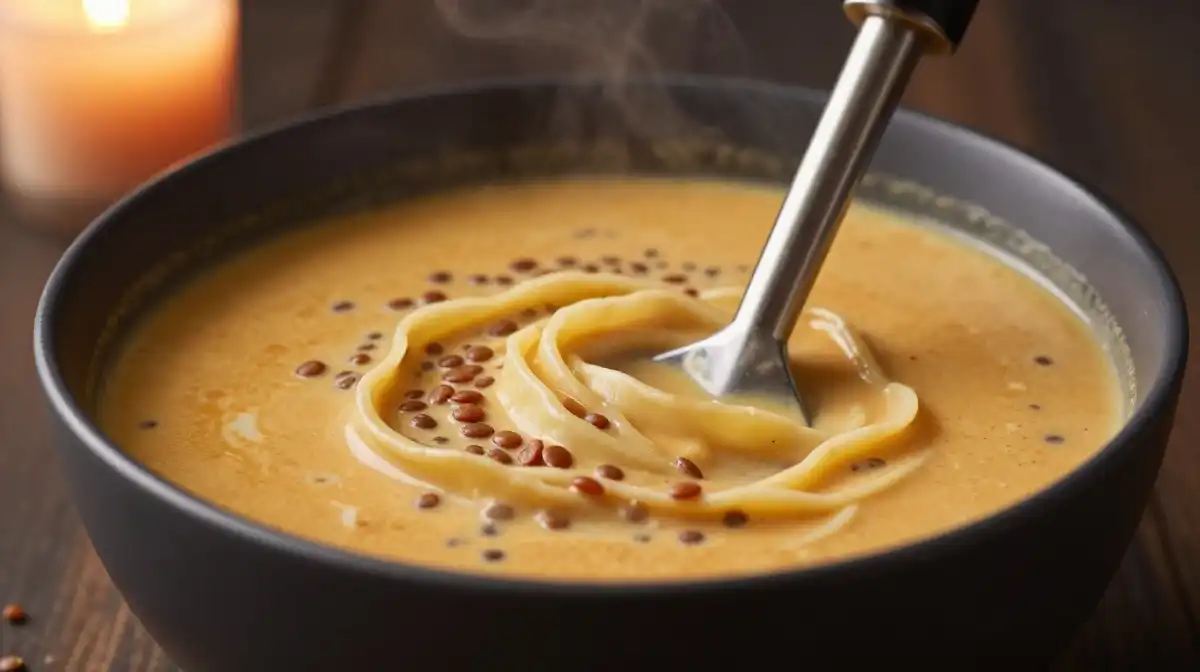
How to make creamy lentil noodle soup without any dairy produces a result so velvety and rich that guests consistently assume cream or butter was involved somewhere in the process. The secret is red lentils combined with partial blending — a technique that creates extraordinary texture from entirely plant-based, budget-friendly ingredients.
Cook your soup following the classic method but using red lentils instead of green or brown varieties. After the lentils have fully dissolved — about 20 minutes — use an immersion blender to blend approximately one-third of the soup directly in the pot. This blending technique thickens the remaining liquid dramatically while keeping plenty of vegetable and noodle texture intact for a satisfying rather than puréed result. How to thicken lentil noodle soup without blending uses a different approach — mash a portion of the cooked lentils against the pot wall with a wooden spoon and stir the mashed portion back into the broth. Both techniques produce a creamy lentil noodle soup without a single tablespoon of dairy. Add noodles after blending and finish with an aggressive squeeze of lemon juice to brighten the rich, earthy base beautifully.
How to Make Vegan Lentil Noodle Soup With Lemon and Fresh Herbs
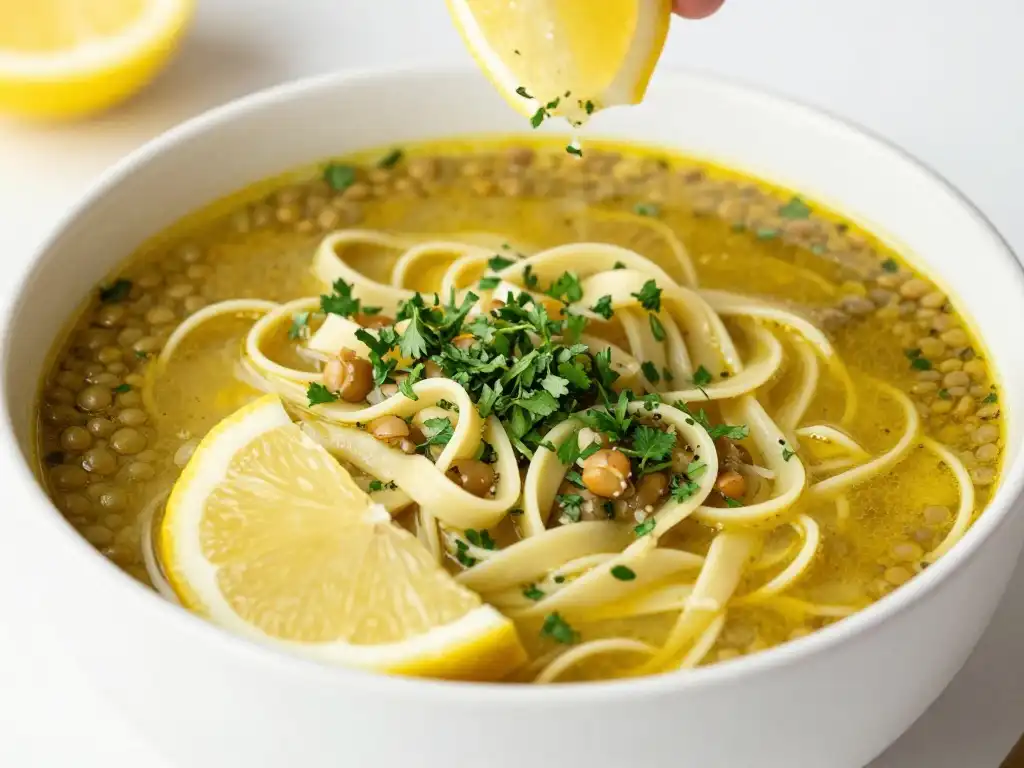
How to make vegan lentil noodle soup that tastes genuinely complete and satisfying requires understanding how to replace the depth that dairy, parmesan rinds, and chicken broth normally contribute. The answer lies in layering umami from multiple plant-based sources simultaneously rather than relying on any single ingredient to do all the flavor work.
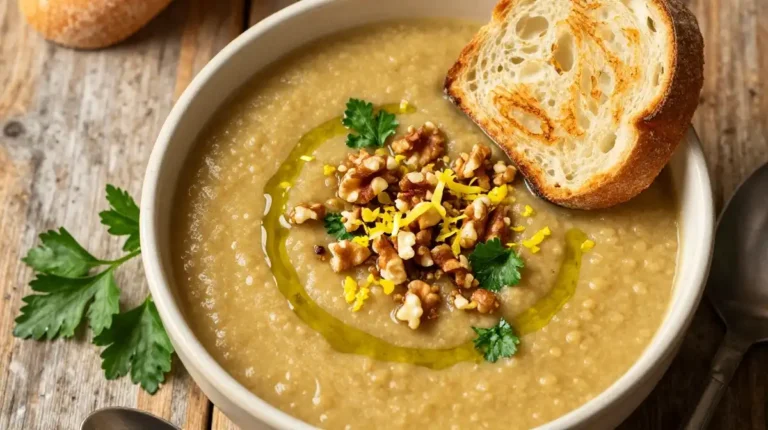
Lentil noodle soup vegan preparations build remarkable depth through nutritional yeast — two tablespoons stirred in during the final five minutes adds savory, cheese-like umami that no other plant-based ingredient replicates as effectively. Lentil noodle soup with lemon shines most brightly in vegan versions — use both the juice and the zest for maximum brightness, adding zest alongside the final herbs rather than into the simmering broth where prolonged heat destroys its aromatic compounds. How to make lentil noodle soup with lemon that genuinely sings means adding acid in stages — a small amount during cooking and a larger finishing squeeze right before serving creates two distinct layers of citrus brightness rather than one flat lemon note. Fresh parsley and thyme stirred in generously right before serving completes the vibrant, herb-forward profile that makes vegan versions feel absolutely abundant.
How to Make Lentil Noodle Soup in Slow Cooker and Instant Pot
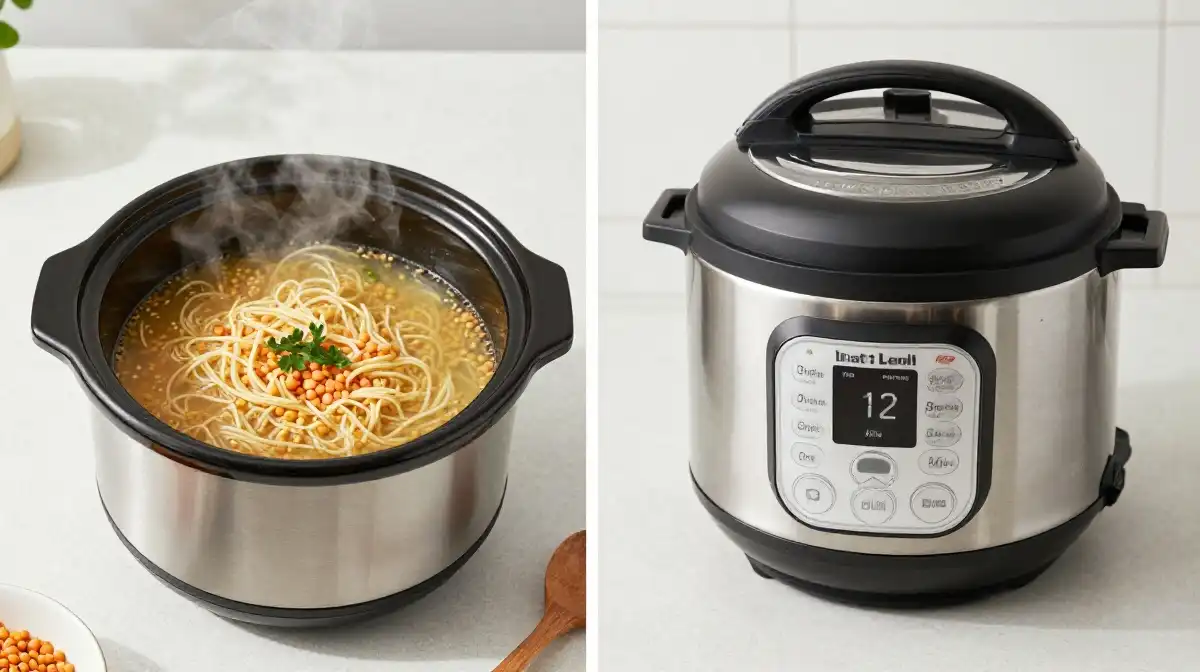
How to make lentil noodle soup in slow cooker produces the deepest, most developed flavor of any cooking method — eight hours of low, gentle simmering allows every spice, vegetable, and lentil to meld into a unified broth of extraordinary complexity. Add all ingredients except noodles and fresh herbs to the slow cooker in the morning. Cook on low for eight hours or high for four to five hours.
How to make lentil noodle soup in instant pot compresses that flavor development into under 30 minutes total through pressure cooking’s magic. Sauté your aromatics and bloom your spices using the Instant Pot’s sauté function first — this critical step builds the same flavor foundation that stovetop cooking achieves and shouldn’t be skipped even under time pressure. Add lentils and broth, seal the lid, and pressure cook on high for 12 minutes with natural release for 10 minutes. Both lentil noodle soup slow cooker and lentil noodle soup instant pot versions require the same important rule — cook noodles separately and add to individual bowls rather than into the pot. Noodles added to bulk soup in either appliance turn to mush during storage and kill the soup’s texture entirely within hours of cooking.
How to Make Spicy Lentil Noodle Soup With Bold Flavors
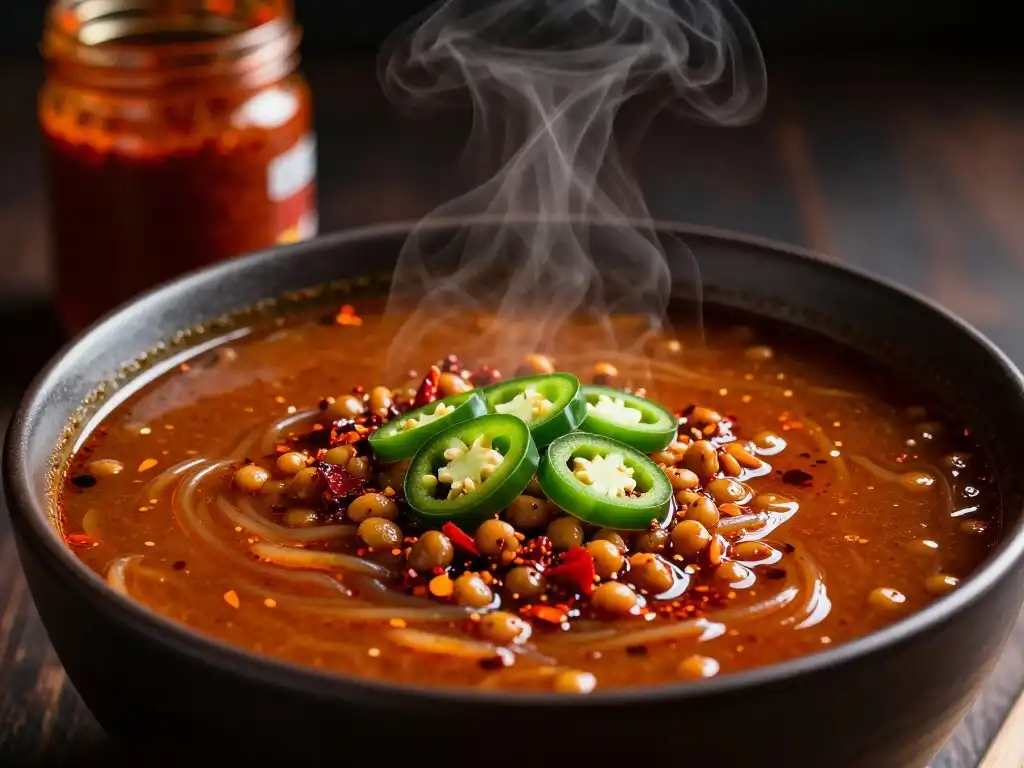
How to make spicy lentil noodle soup that delivers genuine, layered heat rather than simple single-note spiciness requires building heat from multiple sources at different stages of the cooking process. This approach creates a warmth that develops gradually as you eat — a far more satisfying experience than a one-dimensional chile hit that fades immediately.
Lentil noodle soup spicy preparations start by blooming red pepper flakes and a pinch of cayenne in hot olive oil alongside the cumin and smoked paprika during the aromatics stage. Add fresh minced jalapeño or serrano chile with the garlic for an additional fresh heat layer. A tablespoon of harissa paste stirred into the tomato paste adds North African-inspired fermented chile complexity that transforms the soup’s entire personality. For the boldest result, finish with a few drops of your favorite hot sauce stirred in right before serving — this preserves the sauce’s raw, bright heat that cooking destroys completely. Lentil noodle soup with garlic in spicy versions benefits from roasted garlic rather than raw — roasting mellows garlic’s sharpness into a sweet, nutty depth that balances the chile’s aggression beautifully.
How to Make Lentil Noodle Soup for Meal Prep and Busy Weeknights
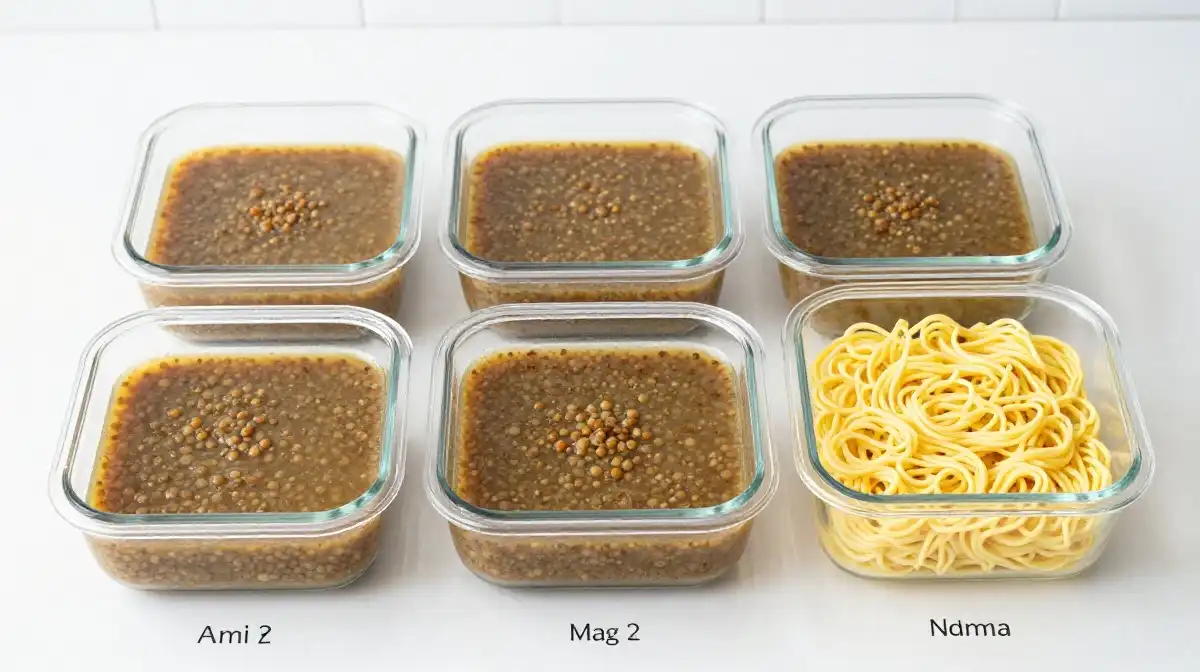
Lentil noodle soup meal prep done correctly gives you five genuinely excellent lunches or dinners from a single 45-minute Sunday cooking session. This soup is one of the very best meal prep candidates in the entire soup category — lentils actually improve in flavor over two to three days as the spices continue developing in the broth during refrigeration.
How to make lentil noodle soup for meal prep successfully requires storing the soup base and noodles completely separately. Cook the lentil broth base in full then portion it into individual containers without adding any noodles. Cook noodles separately and store in a separate container lightly tossed with a small drizzle of olive oil to prevent clumping. Each evening, reheat one portion of broth and add one portion of noodles — the noodles warm through in the hot broth within 60 seconds. Lentil noodle soup one pot cooking for meal prep means you dirty exactly one pot, one colander, and a cutting board during the entire session. That’s genuinely achievable on the busiest Sunday afternoon imaginable and the reward extends across every demanding weekday that follows.
How to Store and Reheat Lentil Noodle Soup Without Losing Flavor
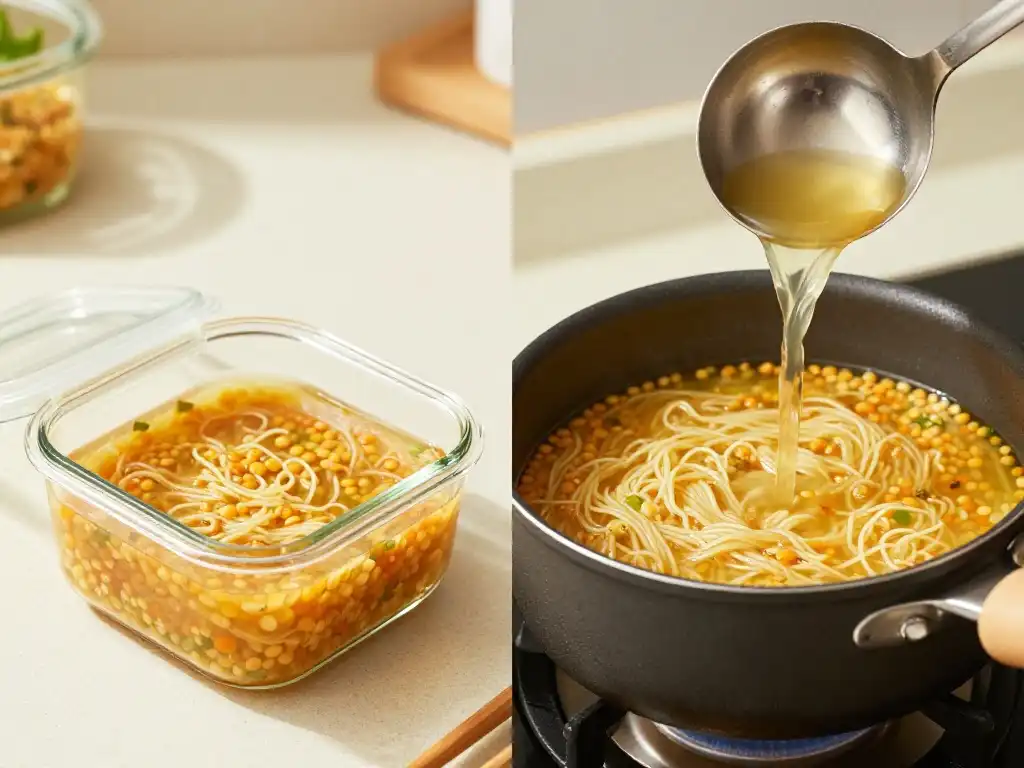
How to store lentil noodle soup leftovers properly starts with the same rule that applies across every soup in this category — always cool completely before sealing and refrigerating. Hot soup sealed in an airtight container immediately creates a steam environment that dilutes broth concentration and encourages faster bacterial growth. Spread into shallow containers or leave the lid ajar for 20 minutes before sealing fully.
Refrigerated lentil noodle soup stores excellently for four to five days — longer than most soups because lentils are naturally more stable than dairy-based or meat-based preparations. How to reheat lentil noodle soup without ruining the noodles’ texture means always reheating over medium-low heat with a splash of added vegetable broth — lentils absorb remaining liquid during storage and the soup thickens considerably overnight. Never microwave on full power — uneven heating turns edges of noodles rubbery while the center of the bowl stays cold. Use 70% power for two minutes, stir, then continue in 60-second intervals. How to store lentil noodle soup leftovers that include noodles already mixed in means accepting that the noodles will soften significantly by day two — plan accordingly by slightly undercooking noodles initially if you know the soup will be stored with them already incorporated.
Common Lentil Noodle Soup Mistakes to Avoid for Perfect Results
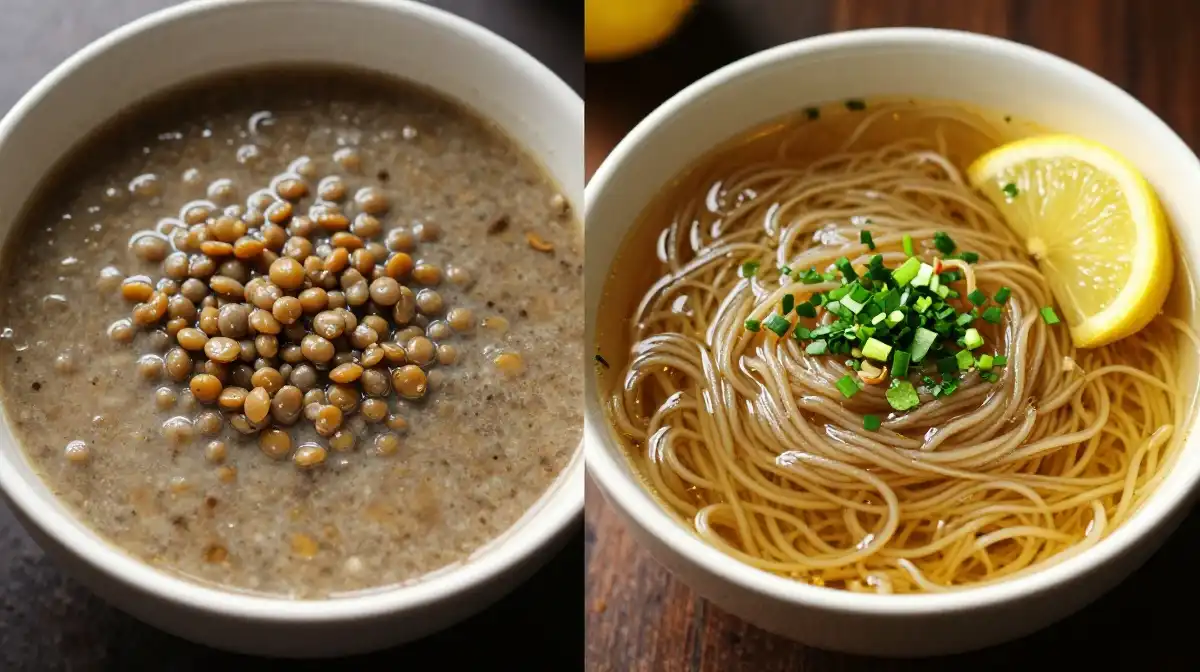
The most common and damaging mistake home cooks make with lentil noodle soup is adding noodles too early and leaving them in the pot during storage. Noodles cooked in soup for more than their recommended time absorb broth aggressively, swell dramatically, turn completely soft, and simultaneously make the broth cloudy and starchy. Always add noodles in the final eight to ten minutes of cooking time — never at the beginning.
Another critical error involves skipping the aromatics sautéing stage. Many beginner cooks add raw onion, carrot, celery, and garlic directly to cold broth to save time — the result is a thin, harsh-tasting soup that lacks the rounded, caramelized depth that ten minutes of proper sautéing builds. That ten minutes is non-negotiable and genuinely irreplaceable. Additionally, many cooks undersalt their lentil soup dramatically — lentils require generous seasoning because they absorb salt from the broth during cooking and what tastes adequately seasoned after 10 minutes of simmering frequently tastes flat and bland after 30. Taste and adjust salt aggressively right before serving. Finally never skip the finishing lemon juice — soups without acid often taste heavy and one-dimensional regardless of how many spices were added during cooking. A single tablespoon of lemon right at the end ties every flavor together in ways that nothing else in the pot achieves.


2 Comments