
31 Clean Glass Stovetop Tips for a Sparkling Streak-Free Shine
A grimy stovetop can turn a bright kitchen dull in a matter of days. Grease splatters, sugar spills, and water spots build up fast, and before long, that sleek surface looks tired. Learning how to clean a glass stovetop the right way saves both time and money. This guide covers every angle, from daily habits to deep-clean rescue missions for burnt-on disasters. Grab a cloth and stick around, because your cooktop is about to get its shine back.
Why Cleaning a Glass Stovetop Requires Special Care
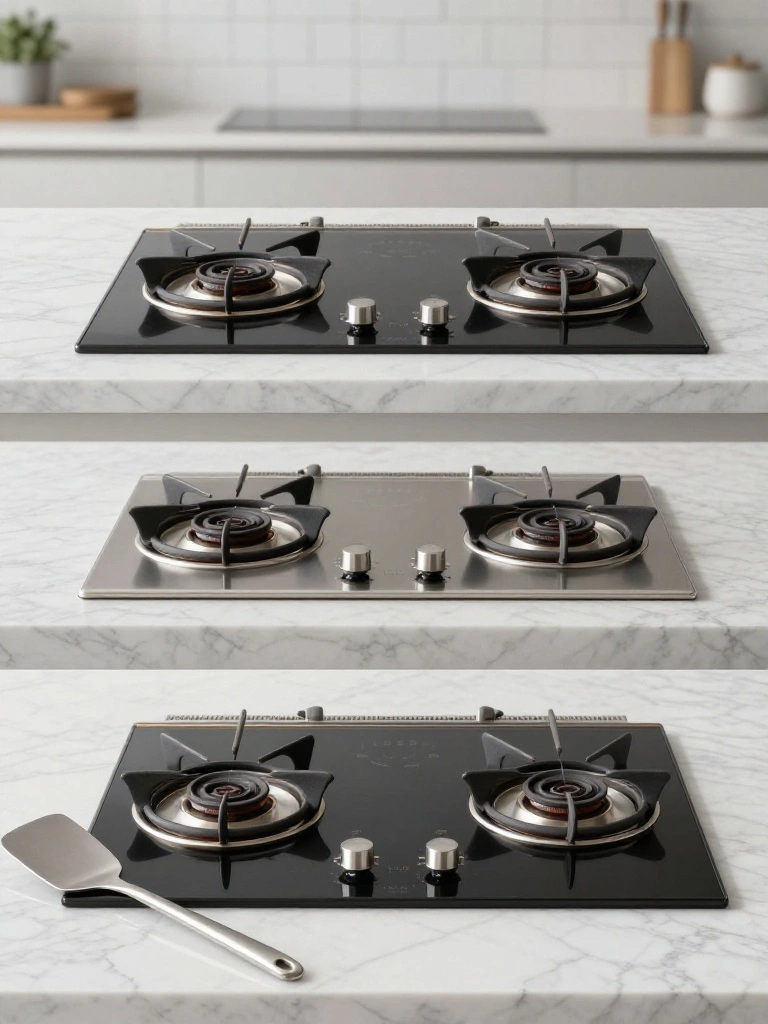
Glass surfaces scratch easily, unlike the metal grates on older stoves. One wrong scrub with a rough sponge can leave permanent marks behind. That’s why glass stovetop cleaner products get formulated differently than standard kitchen sprays.
Heat also plays tricks on glass. A spill left too long bakes into the surface, turning soft residue into a rock-hard bond. Understanding this reaction helps you avoid the kind of buildup that fights back against ordinary wiping.
Common Types of Glass Stovetops and Cooktops
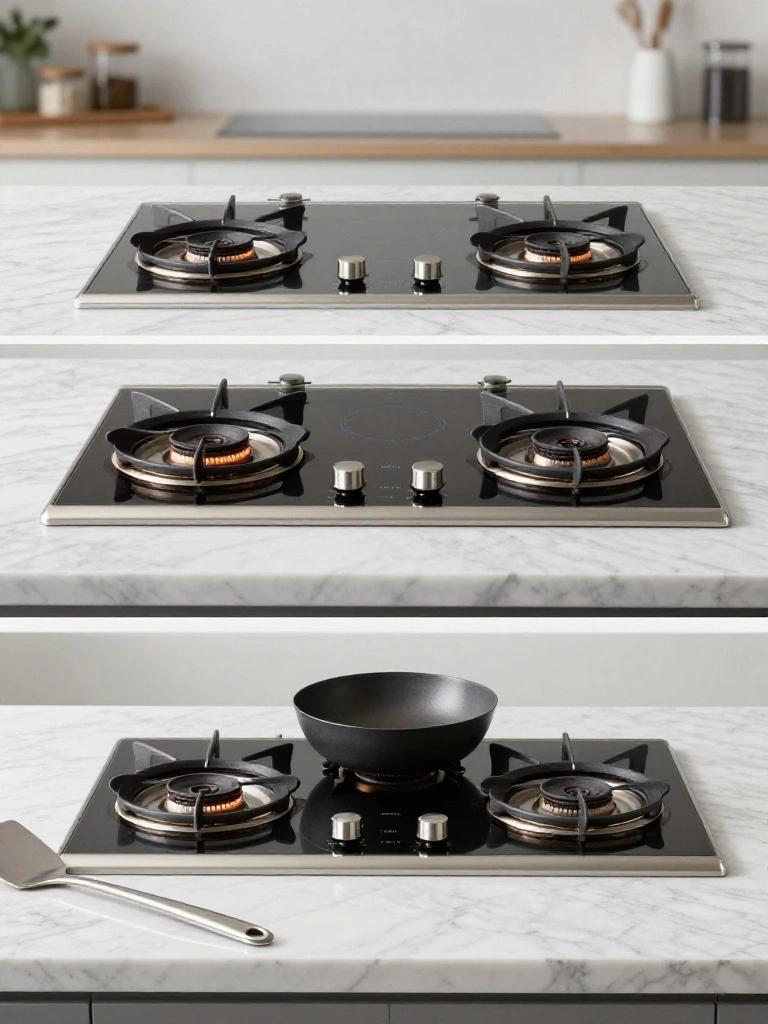
Not every glass surface behaves the same way. Radiant glass-top stoves use coils beneath a ceramic sheet, while induction models rely on magnetic fields instead. Both need ceramic cooktop cleaning methods tailored to their finish.
Manufacturers like GE, Whirlpool, and Samsung each recommend slightly different care instructions. Checking your owner’s manual first can prevent voiding a warranty. Still, most glass surfaces share the same core cleaning principles across brands.
Signs Your Glass Stovetop Needs a Deep Clean
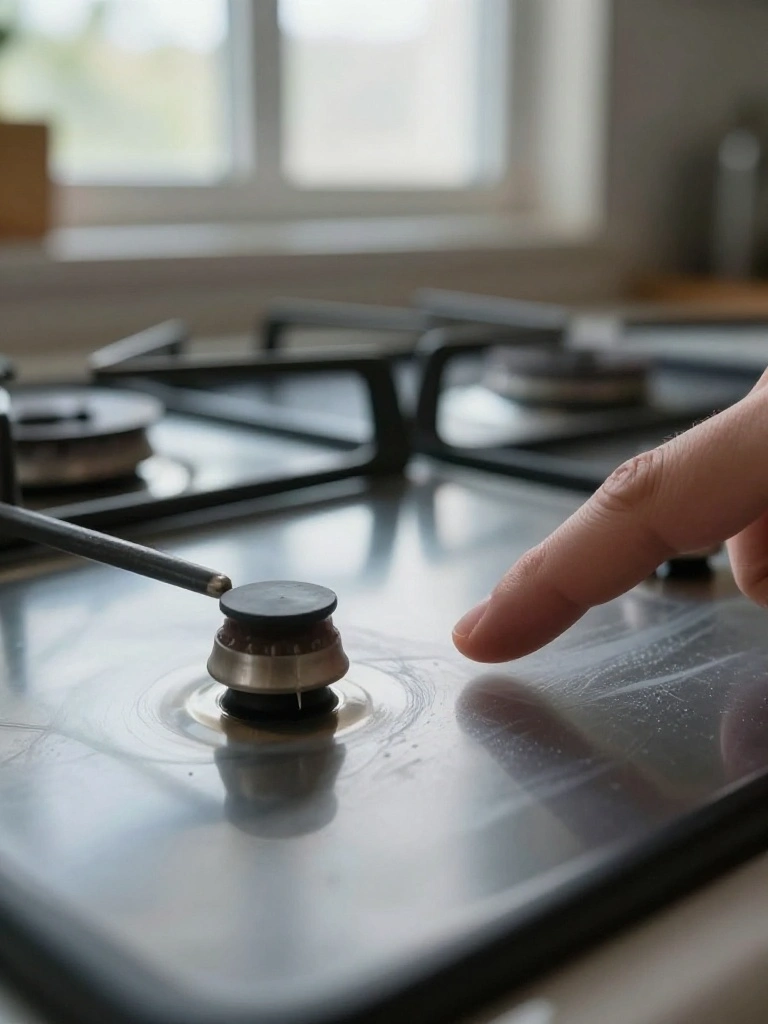
Cloudy patches, rainbow streaks, or a chalky film usually signal it’s time for more than a quick wipe. If food residue crunches under a cloth, that’s burnt-on buildup calling for attention.
Ignoring these warning signs invites permanent discoloration. A stovetop that looks streak-free stovetop clean on Monday can turn dull by Friday if grease sits unattended. Catching these signs early keeps maintenance simple and quick.
Tools and Supplies You Need Before You Start
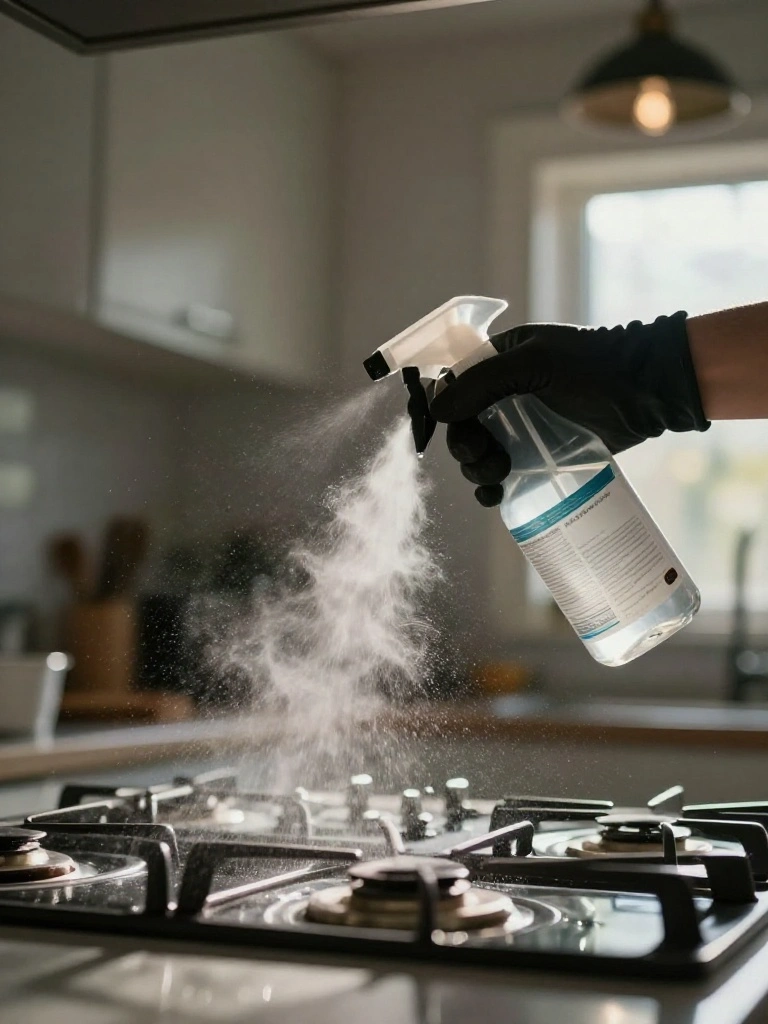
Gathering the right tools beforehand makes cleaning smoother and faster. Microfiber cloths, a stovetop scraper, baking soda, white vinegar, and a spray bottle cover most jobs. Rubber gloves protect hands from harsh chemicals too.
| Supply | Purpose |
|---|---|
| Microfiber cloth | Wiping and buffing |
| Razor scraper | Removing burnt residue |
| Baking soda | Natural abrasive cleaner |
| White vinegar | Cutting grease and streaks |
| Cooktop cleaning cream | Polishing and shine |
Skipping proper tools often leads to scratches or wasted effort scrubbing with the wrong material entirely.
Safety Precautions Before Cleaning Your Stovetop
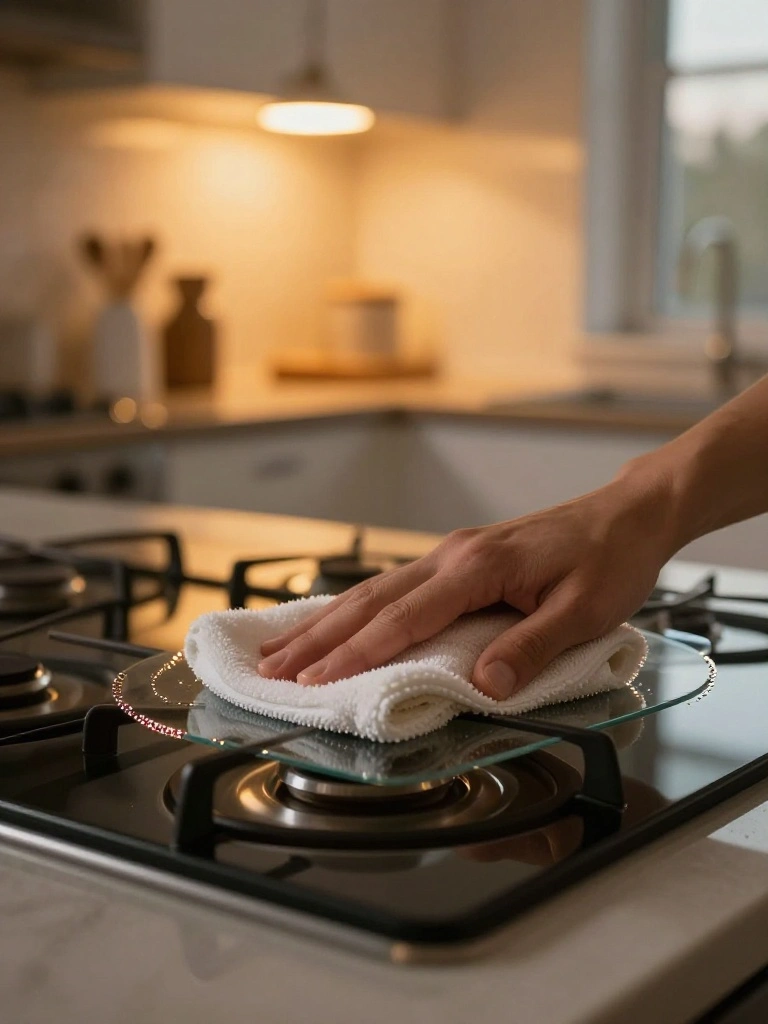
Always let the stovetop cool completely before starting. Cleaning a hot surface risks burns and can cause certain chemicals to release harmful fumes into the air unexpectedly.
Turn off the stove at the breaker if you’re doing deep maintenance work. Wearing gloves protects your skin from vinegar’s acidity and abrasive pastes. Ventilating the kitchen also helps when using stronger commercial sprays.
How to Clean a Glass Stovetop Daily
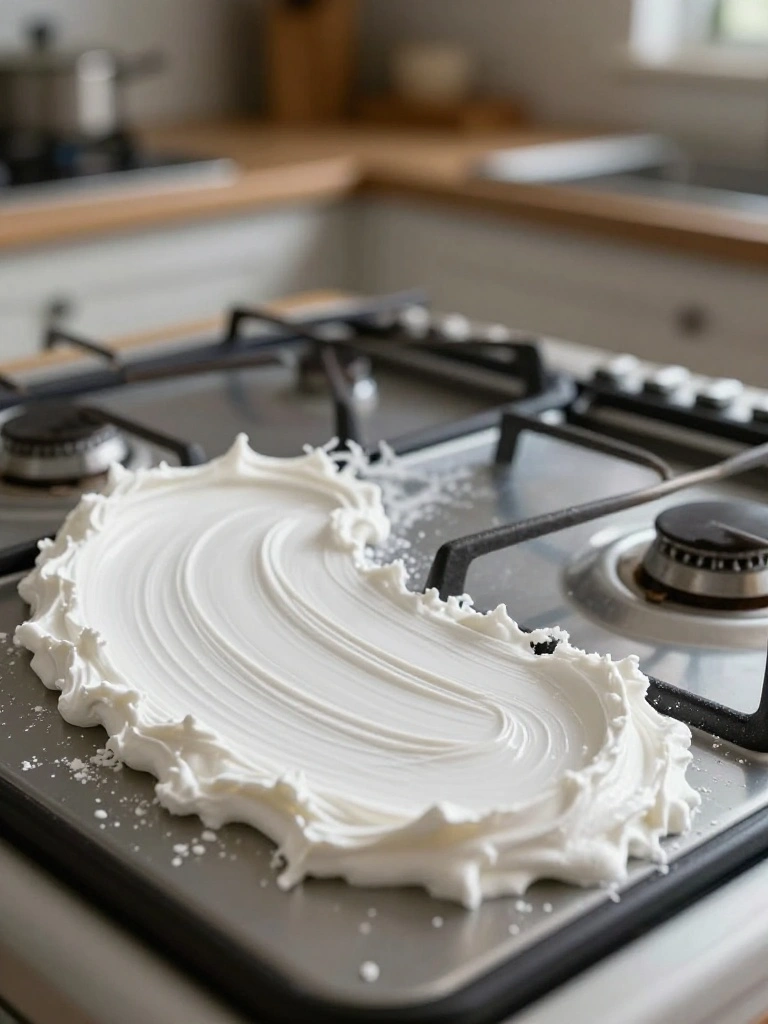
A quick daily wipe prevents most stubborn stains from forming at all. Once the surface cools, spray a mild cleaner and wipe with a soft cloth in circular motions.
This small habit builds a solid daily stovetop cleaning routine that pays off over time. Spending thirty seconds each evening beats spending thirty minutes scrubbing baked-on grime later during the weekend.
How to Clean a Glass Stovetop Weekly
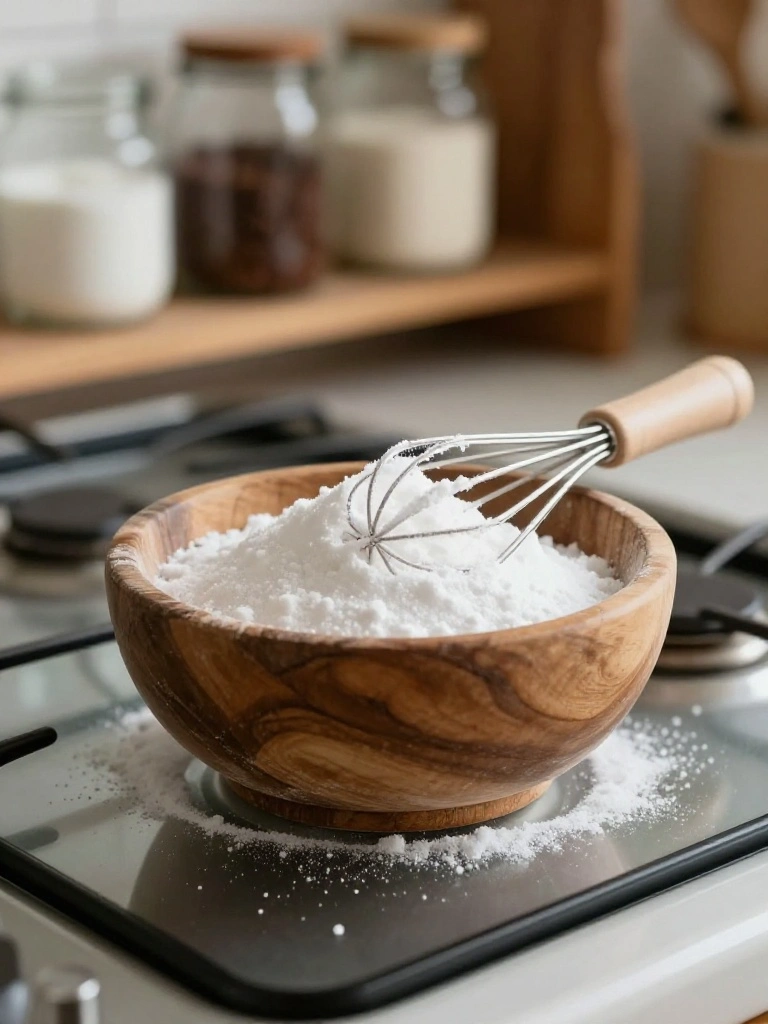
Weekly cleaning goes deeper than the daily wipe-down. Use a glass top stove cleaning cream and a soft cloth, working in small circles to lift hidden grease buildup.
Rinse thoroughly with a damp cloth afterward to remove any leftover residue. Dry with a separate towel to avoid streaking. This weekly ritual keeps the surface looking freshly installed year-round.
Step-by-Step Guide to Deep Cleaning a Glass Stovetop
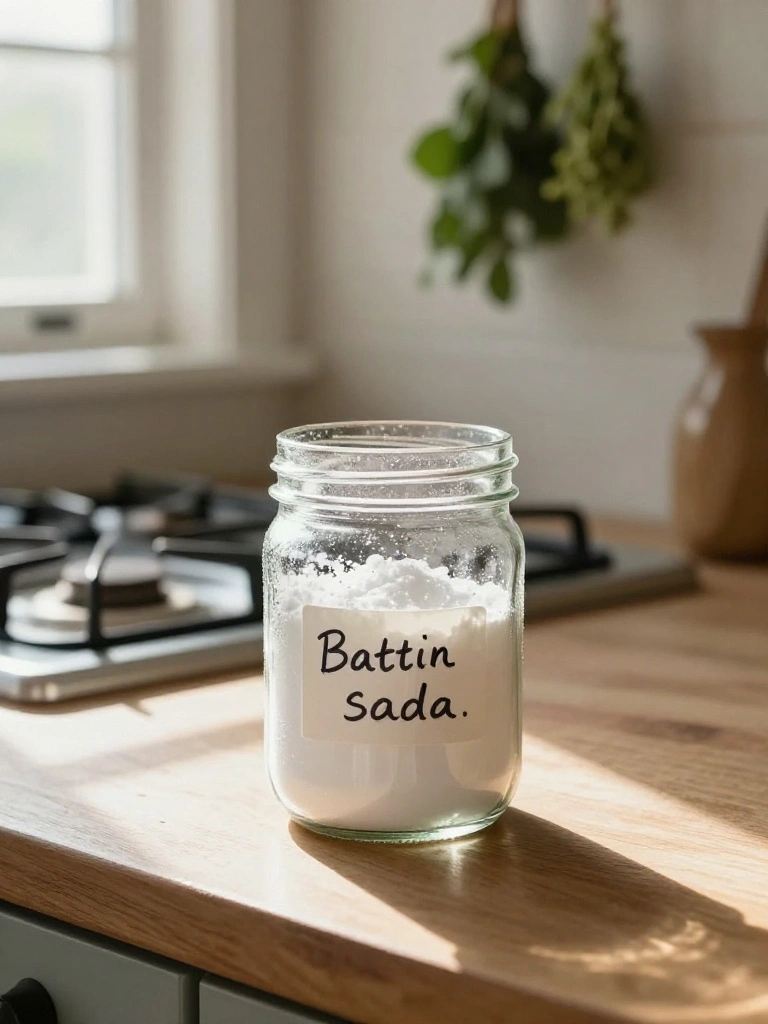
Start by clearing crumbs with a dry cloth, then apply a thick layer of baking soda paste across the entire surface. Let it sit for fifteen minutes before scrubbing gently.
Follow with a vinegar spray to activate a light fizzing reaction that lifts grime further. Wipe clean, then scrape any remaining spots with a razor tool held at a low angle.
How to Make a Homemade Glass Stovetop Cleaner
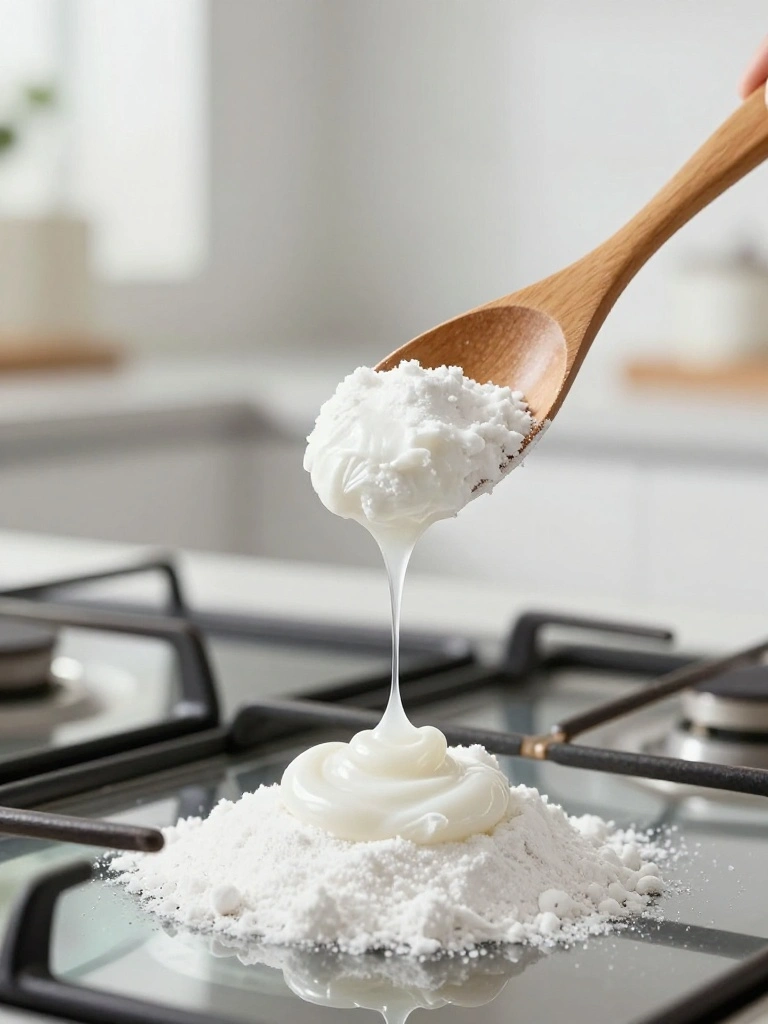
Mixing your own cleaner costs less than store-bought versions and works just as well. Combine baking soda, a splash of dish soap, and warm water into a thick paste.
This homemade stovetop cleaner tackles grease without harsh chemical fumes lingering in the kitchen. Store extra paste in a sealed jar for touch-ups whenever new spills appear during the week.
Using Baking Soda to Clean a Glass Stovetop
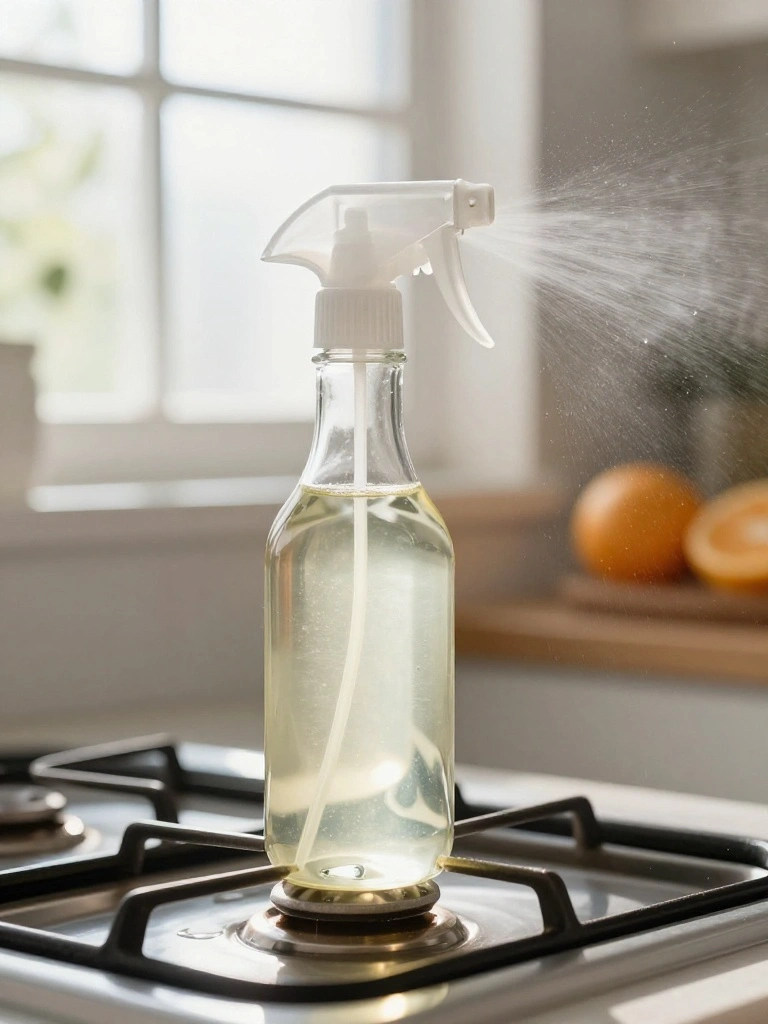
Baking soda works as a gentle abrasive that lifts stains without scratching glass. Sprinkle it generously, add a few drops of water, and let the paste sit briefly first.
A baking soda stovetop cleaner handles most everyday messes with ease. Scrub lightly using a soft cloth, then wipe away the residue with a damp towel for a clean finish.
Using Vinegar to Clean a Glass Stovetop
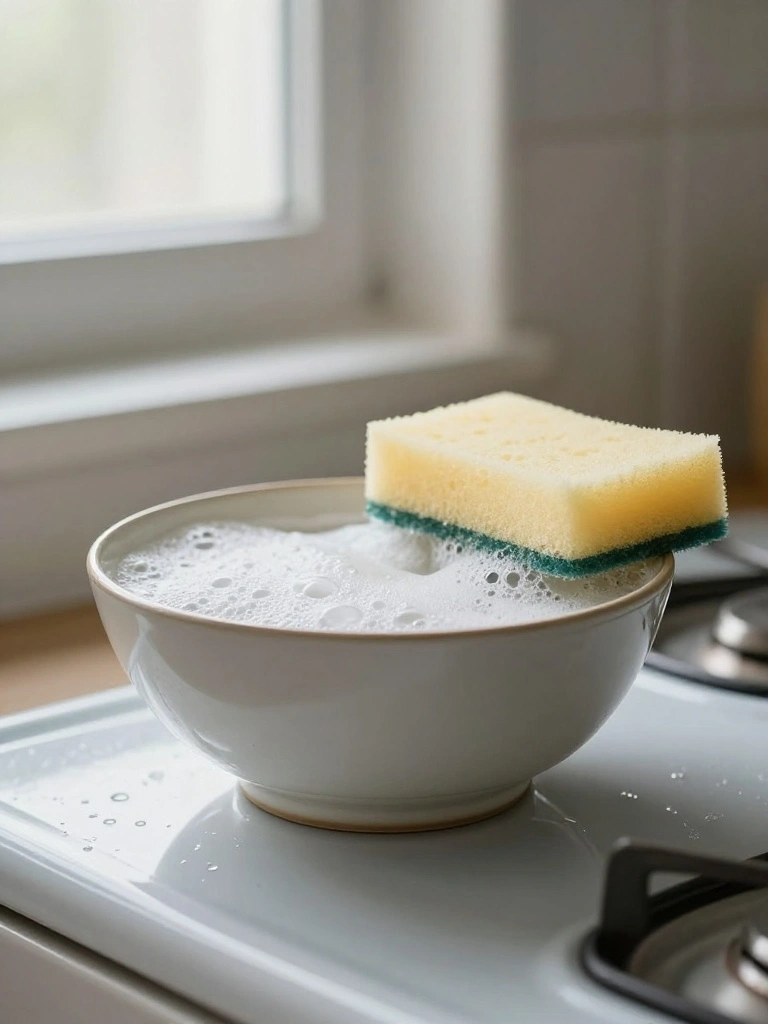
Vinegar cuts through grease thanks to its natural acidity. Spray it directly onto the surface, let it sit for a minute, then wipe with a microfiber cloth afterward.
A vinegar stovetop cleaner also removes hard water spots that plain soap can’t budge. For tougher jobs, combine vinegar with baking soda for a fizzy, grime-lifting reaction that works wonders.
Using Dish Soap and Water for Daily Cleaning
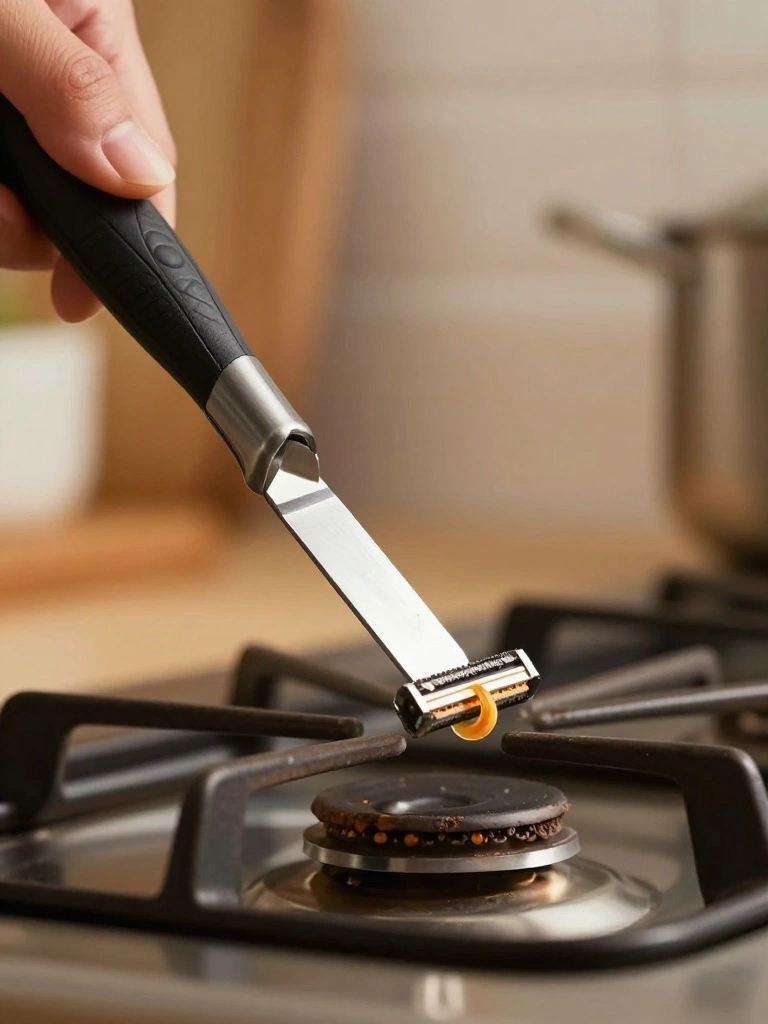
Sometimes the simplest solution works best. Warm water mixed with a few drops of dish soap handles light grease and food splatters without any special products required.
This method suits quick cleanups after cooking dinner. It won’t tackle burnt-on stains, but for everyday spills, soap and water remain a reliable, budget-friendly first line of defense.
How to Remove Burnt-On Food from Glass Stovetop

Burnt food bonds tightly to glass, but a razor scraper held at a low angle lifts it without scratching. Soften the residue first with a damp, warm cloth for five minutes.
Learning how to remove burnt stains from glass stovetop surfaces takes patience rather than brute force. Rushing the scraping step risks gouging the glass, so slow, steady pressure works far better.
How to Remove Burnt Sugar from Glass Stovetop
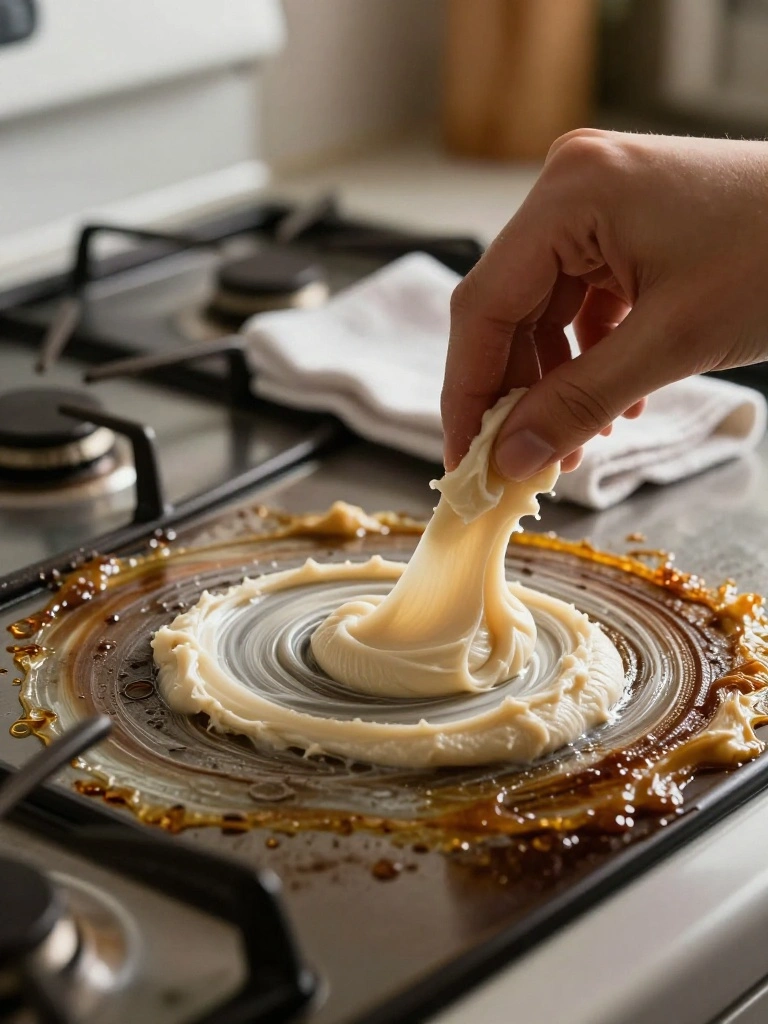
Sugar spills harden into a glassy, amber shell that resists most cleaners. Turn the stove on low for thirty seconds to soften the sugar, then scrape it away carefully.
Knowing how to remove burnt sugar from glass stovetop surfaces prevents frustration during holiday baking season. Once softened, wipe with a vinegar solution to dissolve any remaining sticky residue completely.
How to Remove Grease Stains from Glass Stovetop
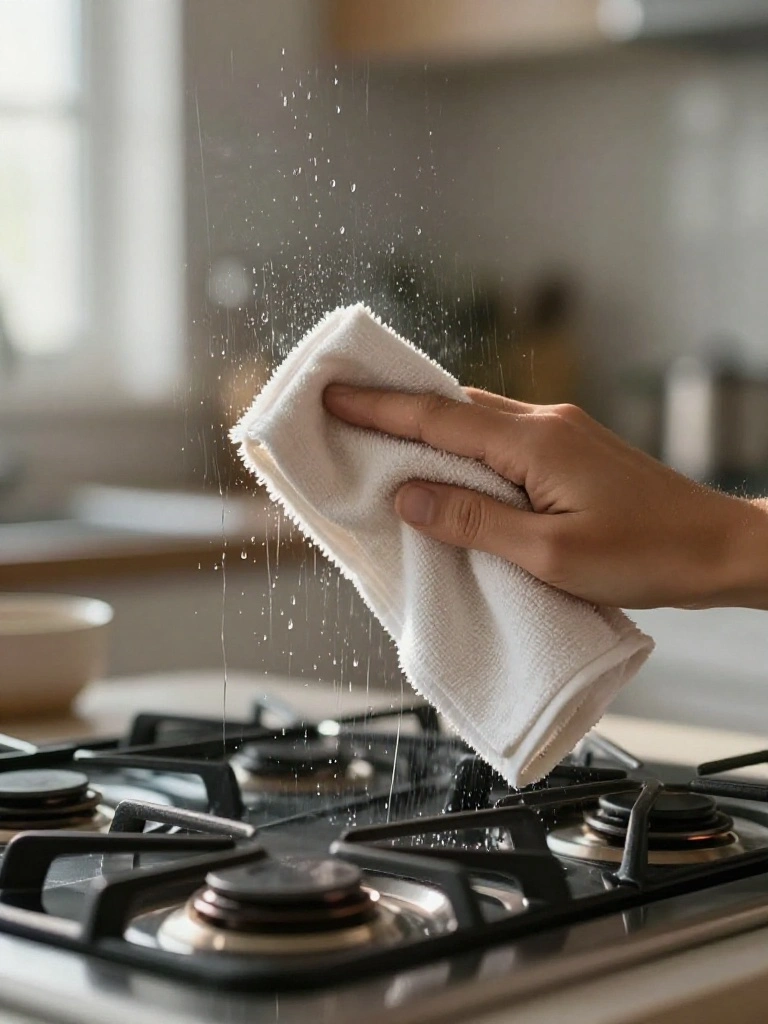
Grease clings stubbornly and often leaves a hazy film behind after cooking bacon or frying. Baking soda paste combined with a few drops of dish soap breaks down oily residue fast.
Let the paste sit for ten minutes before wiping. This combination works better than vinegar alone since grease needs an alkaline boost rather than pure acidity to loosen its grip.
How to Remove Water Spots and Streaks

Hard water leaves mineral deposits that dry into cloudy spots across the glass. A vinegar-soaked cloth wiped in overlapping strokes usually clears them within a couple of minutes.
Achieving a streak-free stovetop finish also depends on drying with a lint-free towel. Buffing in one direction, rather than circles, often produces a clearer, glossier result overall.
Best Store-Bought Cleaners for Glass Stovetope
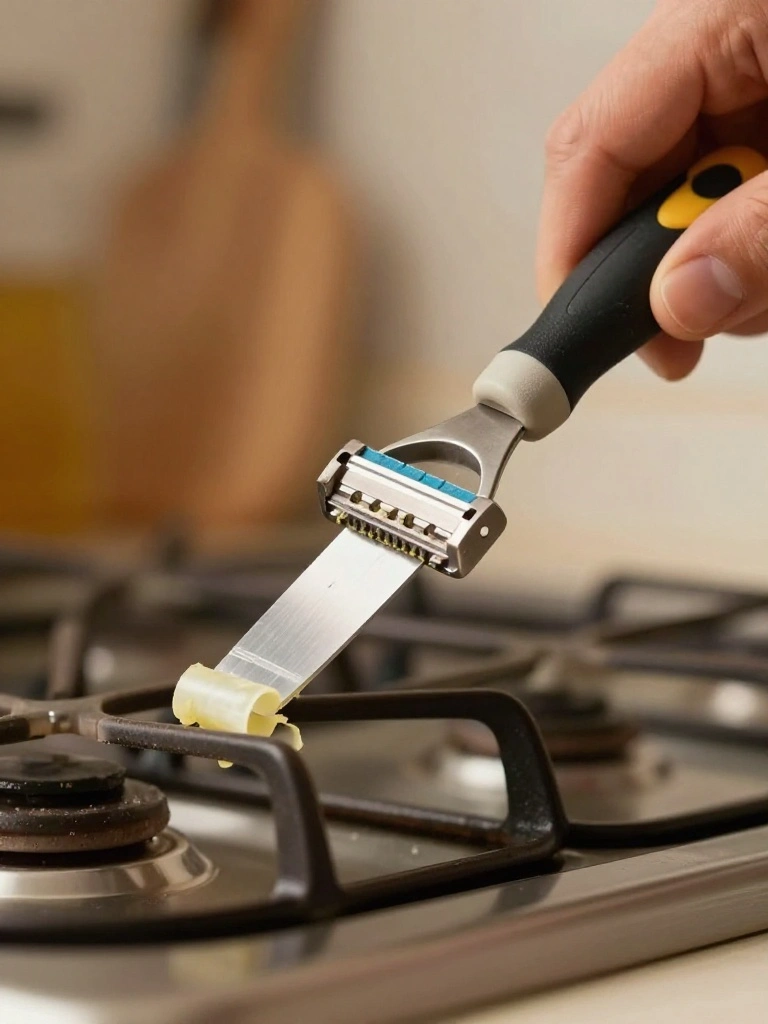
Several trusted brands make dedicated formulas for glass surfaces, including Weiman, Cerama Bryte, and Bar Keepers Friend. Each offers a cooktop cleaning cream designed to polish without scratching.
| Brand | Best For |
|---|---|
| Weiman | Daily shine and polish |
| Cerama Bryte | Heavy grease removal |
| Bar Keepers Friend | Burnt-on stain lifting |
Reading reviews before buying helps match the product to your specific stovetop brand and finish.
How to Use a Razor Scraper Safely
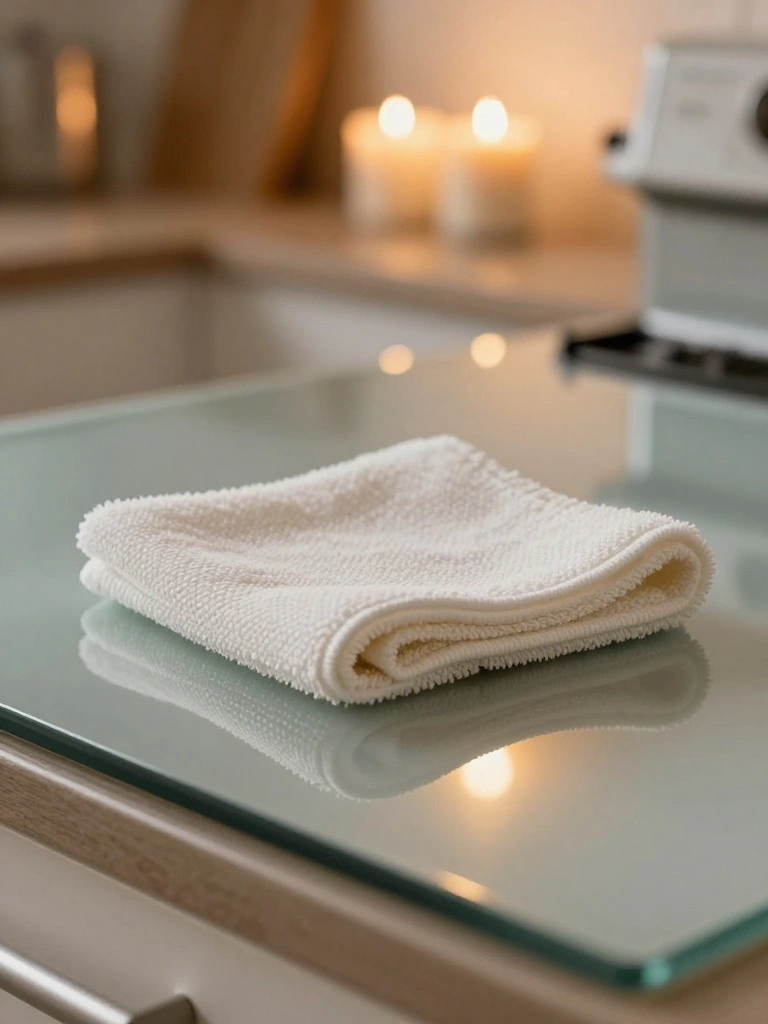
Hold the scraper at a low, thirty-degree angle to avoid digging into the glass surface. Apply light pressure and push forward in short, controlled strokes rather than aggressive scrubbing.
Always check that the blade sits flush against the glass before pressing down. A tilted blade edge causes most scratches, so patience matters more than speed during this step.
How to Clean a Glass Stovetop Without Scratching It
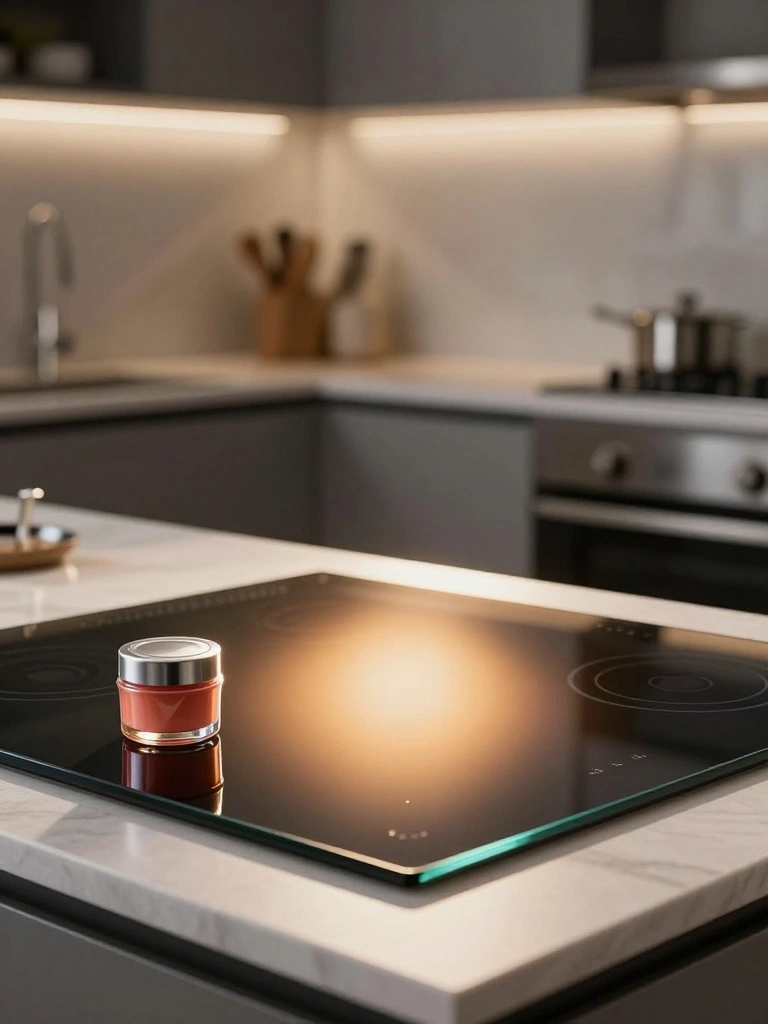
Avoiding glass cooktop scratches starts with choosing soft materials over abrasive pads. Steel wool and rough sponges should never touch the surface, no matter how stubborn a stain looks.
Instead, rely on microfiber cloths, plastic scrapers, and gentle circular motions. If a stain resists, add more soaking time rather than more pressure, since patience protects the glass far better.
How to Restore Shine to a Dull Glass Stovetop
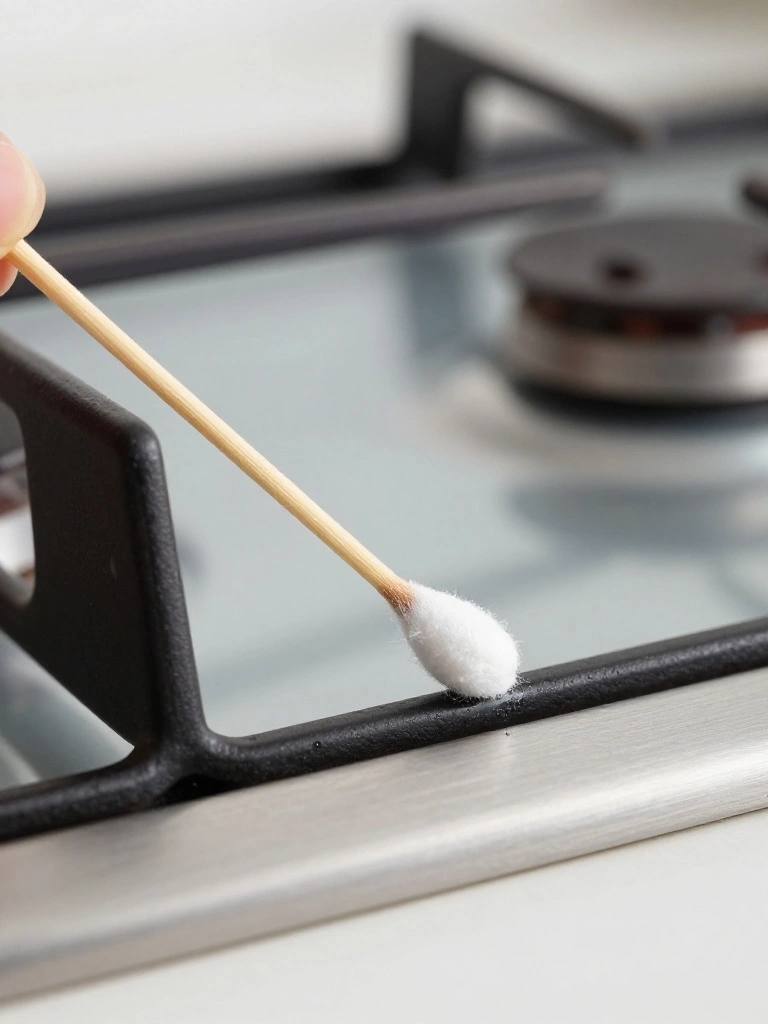
Over time, even well-maintained stovetops lose their luster from repeated wiping and mineral buildup. A dedicated polish restores that glossy, showroom finish within a few short minutes.
Achieving stove top shine involves buffing a small amount of cooktop cream across the surface in tight circles. Wipe away excess with a dry cloth for an immediate, noticeable improvement.
Cleaning Glass Stovetop Grates and Edges
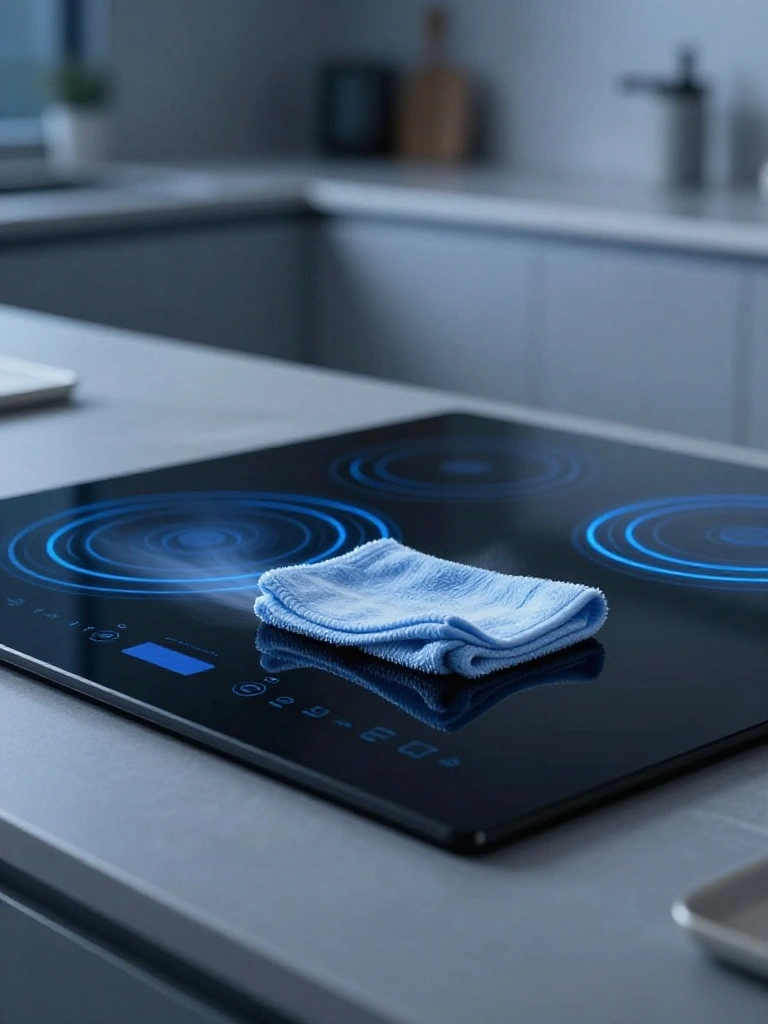
Edges and corners collect grime that often gets overlooked during a quick wipe-down. A cotton swab dipped in vinegar reaches these tight spots where cloths simply can’t fit.
For stoves with removable grates, soak them separately in warm soapy water. This detail-oriented step rounds out solid stovetop maintenance tips that keep the entire cooking area looking sharp.
How to Clean an Induction Cooktop Glass Surface
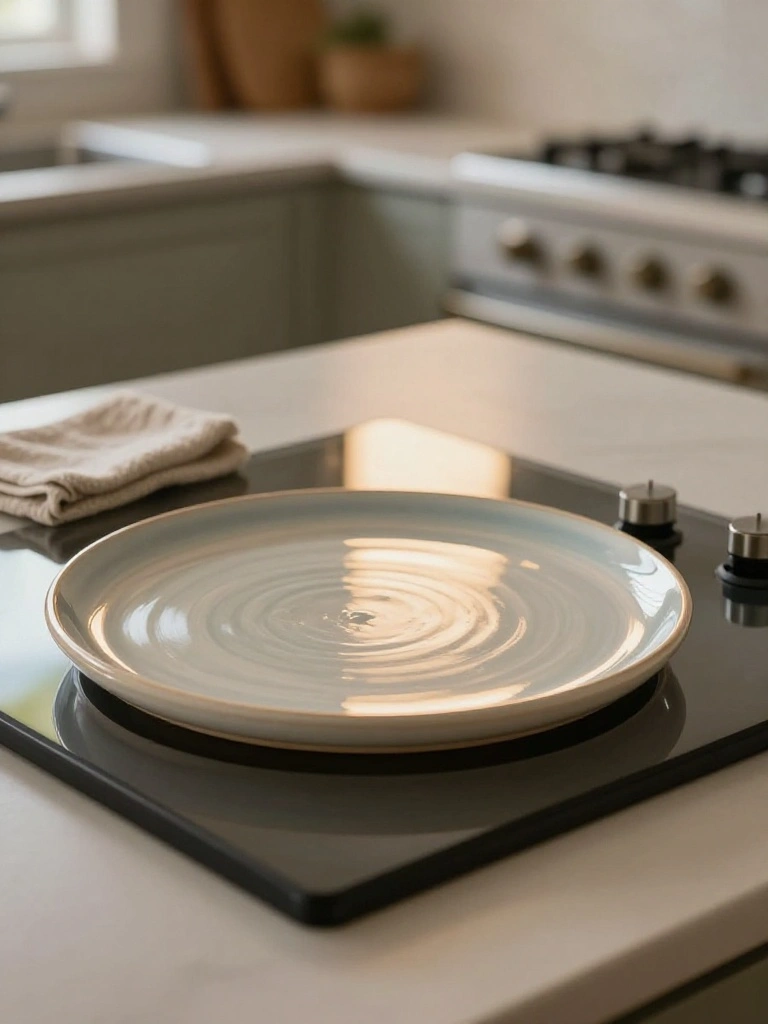
Induction surfaces stay cooler than radiant stoves, but grease and fingerprints still build up over time. A soft cloth with a vinegar-water mix handles daily upkeep with minimal effort.
Learning how to clean induction cooktop glass properly also means checking for compatible cleaners, since some induction models have specialized coatings that react poorly to certain chemicals.
How to Clean a Ceramic Cooktop
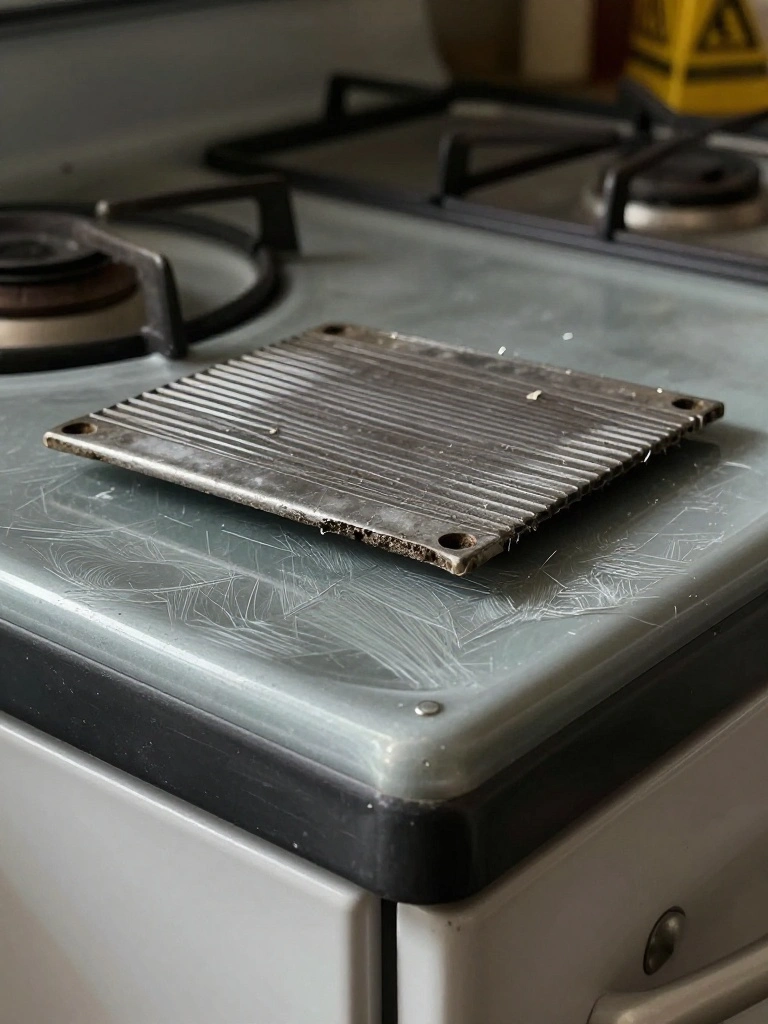
Ceramic surfaces share similarities with glass but often show scratches more visibly under bright kitchen lighting. Gentle, non-abrasive cleaners work best to preserve that smooth, reflective finish long-term.
For how to clean ceramic stovetop without scratching results, always test a new product in a small corner first. This precaution avoids unexpected discoloration across the entire cooking surface.
Mistakes to Avoid When Cleaning a Glass Stovetop
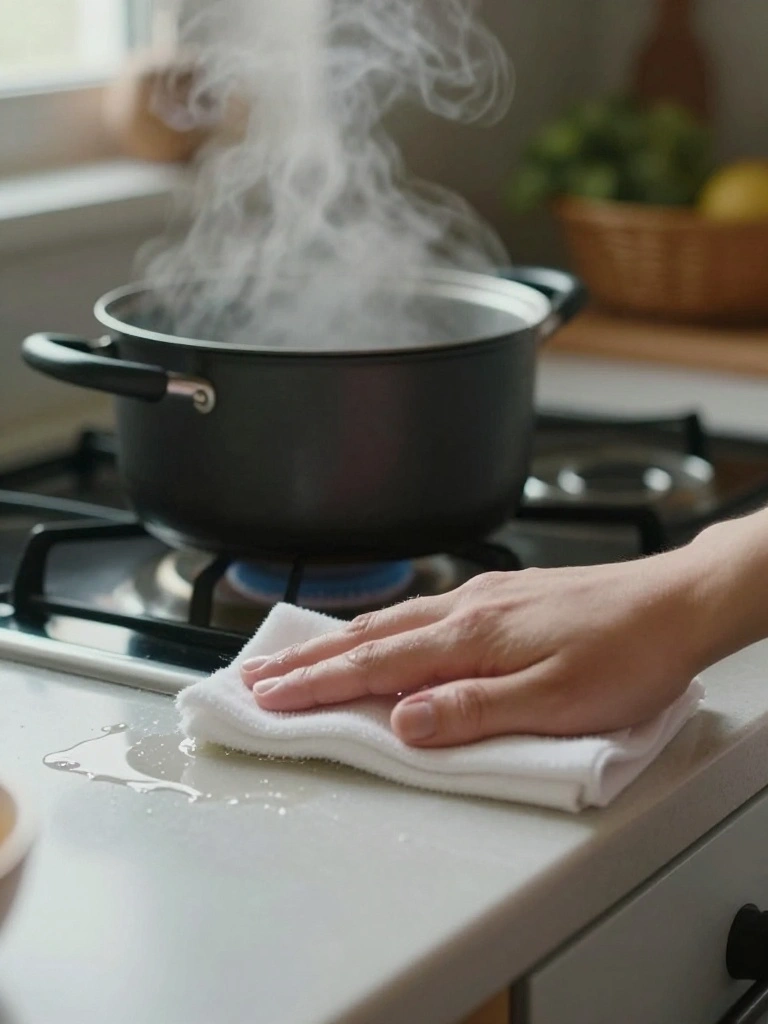
Using steel wool ranks as the most common and damaging mistake homeowners make. Rough pads leave permanent scratches that no polish can ever fully hide afterward.
Another frequent error involves cleaning while the surface is still warm, which can smear residue instead of lifting it. Waiting until the stovetop cools completely avoids this frustrating setback.
How to Prevent Future Stains and Buildup
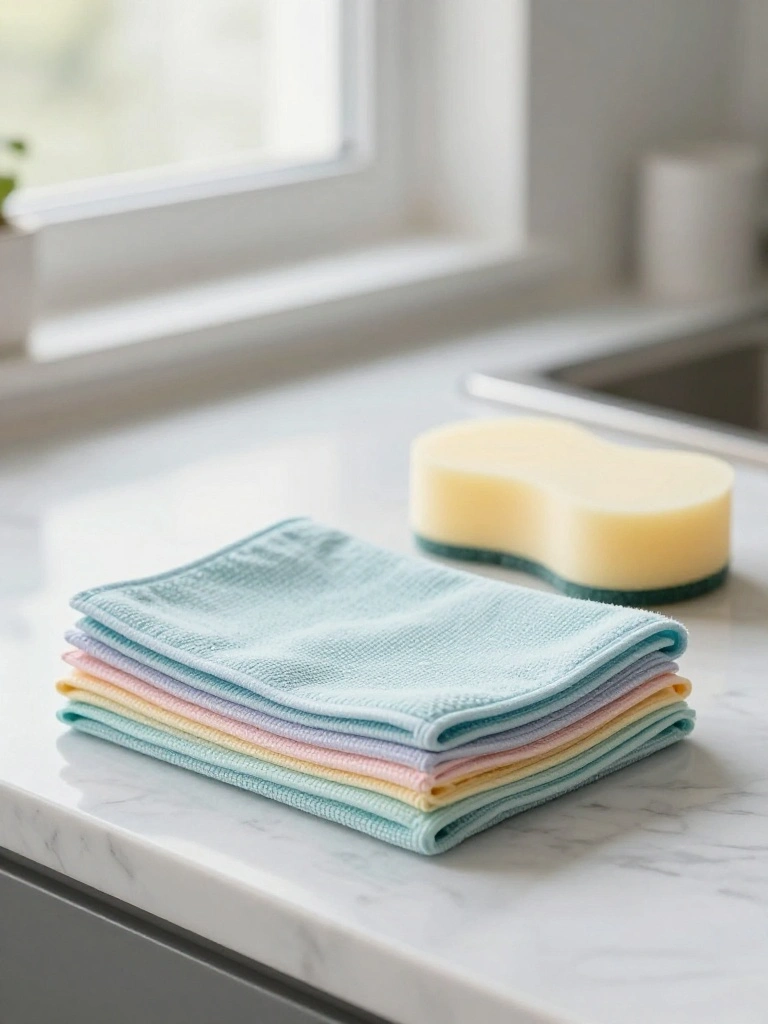
Wiping spills immediately, rather than waiting until after dinner, stops most stains before they set. A quick swipe with a damp cloth handles ninety percent of everyday messes instantly.
Using pot lids while cooking also reduces splatter significantly. These small, consistent habits build lasting stovetop maintenance tips that reduce how often deep cleaning sessions become necessary at all.
Best Cleaning Cloths and Sponges for Glass Stovetops
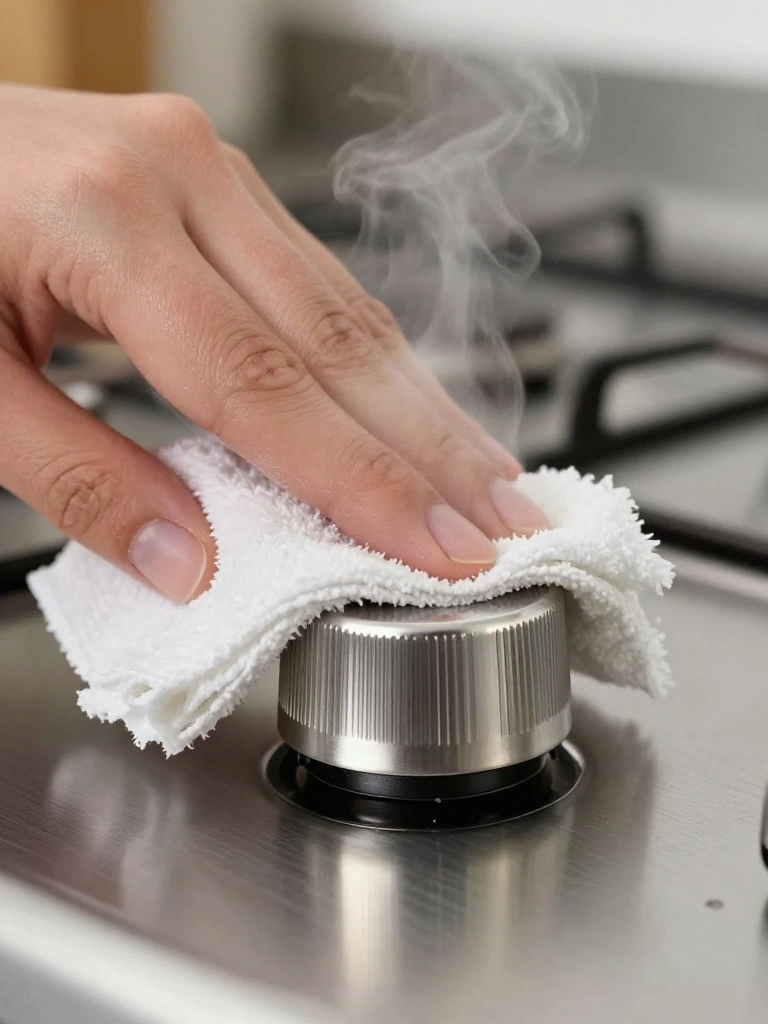
Microfiber cloths outperform paper towels since they trap grease rather than smearing it across the surface. Soft sponges without scouring pads also work well for daily wiping tasks.
| Tool | Recommended Use |
|---|---|
| Microfiber cloth | Daily wiping and buffing |
| Soft sponge | Light grease removal |
| Cotton swab | Edges and tight corners |
Avoid anything labeled “heavy duty” since those often contain abrasive fibers that scratch glass.
How to Clean Glass Stovetop Knobs and Control Panel
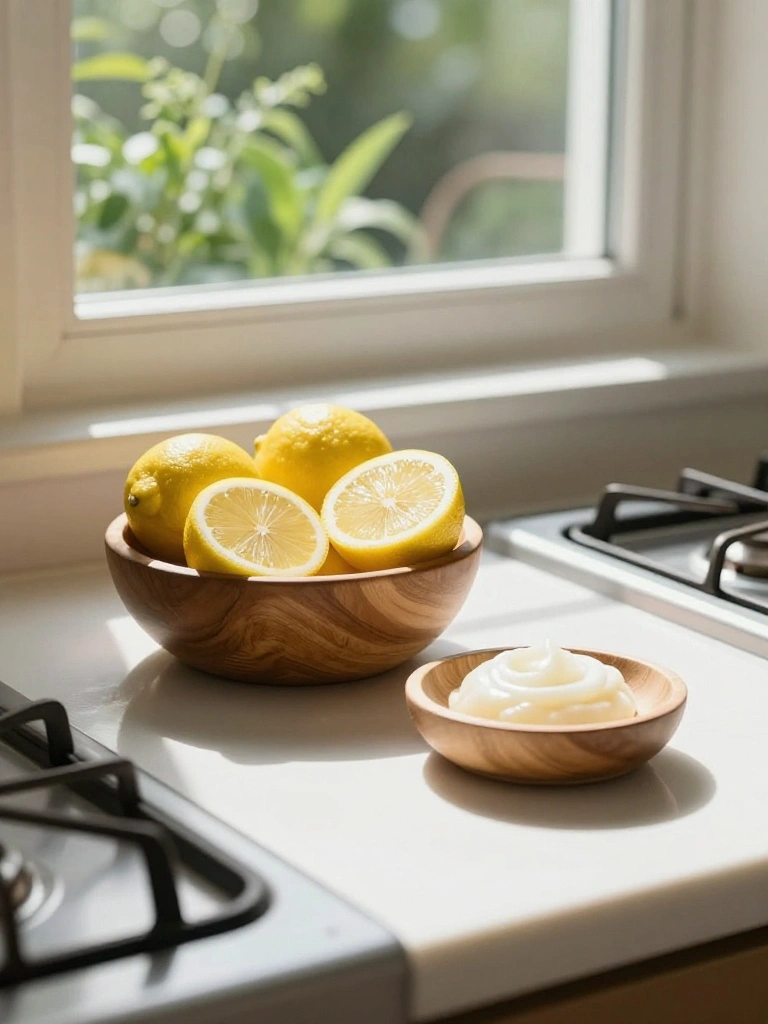
Knobs collect grime from fingers touching them during cooking. Most modern knobs pop off easily, allowing a good soak in warm, soapy water for stubborn grease buildup.
you may also like this : 17 Easy Nutritious and Delicious Midday Meals to Keep You Energized All Day
The control panel, however, needs a barely damp cloth instead, since moisture can seep into electronic components. Wipe gently and dry immediately to avoid any accidental damage to the panel.
Natural and Eco-Friendly Cleaning Alternatives

Lemon juice offers a natural, pleasant-smelling alternative to vinegar for cutting grease. Combined with baking soda, it creates a gentle paste that tackles stains without harsh synthetic chemicals.
Castile soap diluted in warm water also works as a plant-based option for daily wiping. These eco-conscious swaps keep the kitchen fresh while still delivering how to clean a glass stovetop naturally results.
How Often Should You Clean Your Glass Stovetop
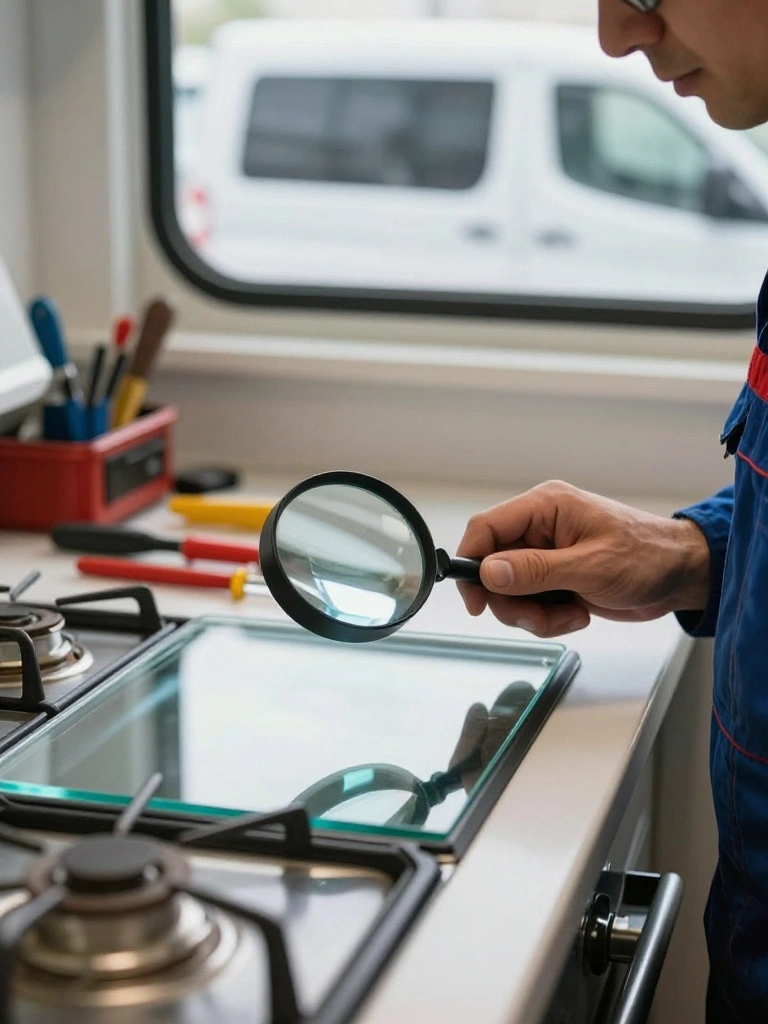
Daily wiping after each use, paired with a deeper weekly clean, keeps most kitchens spotless. However, households that cook frequently might need touch-ups between meals as well.
Answering how often should you clean a glass stovetop really depends on cooking habits. Frying and simmering sauces splatter more than boiling water, so adjust your routine according to usage.
Professional Cleaning Tips from Appliance Experts

Appliance technicians often recommend avoiding ammonia-based cleaners, which can leave a cloudy film over time. Sticking to manufacturer-approved products protects both the warranty and the glass finish.
As one appliance repair specialist noted during an industry interview, gentle and consistent care beats occasional aggressive scrubbing every time. Routine maintenance always outperforms reactive, last-minute cleaning sessions.
Final Tips for Keeping Your Glass Stovetop Spotless
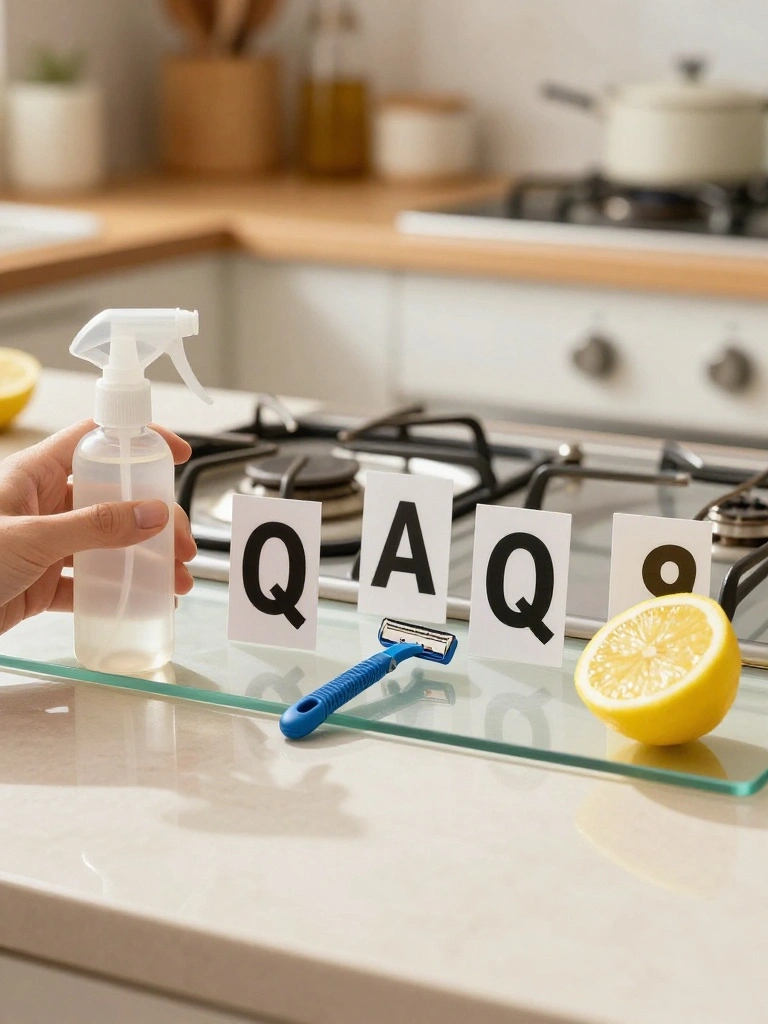
Consistency beats intensity when it comes to stovetop care. A quick daily wipe paired with a weekly deep clean keeps the surface looking new for years without much extra effort.
Investing in the right tools, from a quality scraper to a trusted cooktop cream, pays off over time. Mastering how to clean a glass stovetop truly transforms an everyday chore into a quick, satisfying habit.
Frequently Asked Questions About Cleaning a Glass Stovetop
What is the best homemade cleaner for a glass stovetop?
A paste made from baking soda, dish soap, and warm water handles most everyday grease and grime. This budget-friendly mix rivals many store-bought formulas without any harsh chemical smell.
Can I use vinegar and baking soda together on a glass stovetop?
Yes, combining both creates a gentle fizzing reaction that lifts stubborn stains effectively. Apply baking soda first, then spray vinegar on top, and let the bubbling action do the work.
Does WD-40 clean a glass stovetop?
Some people use it for stubborn marks, but it’s not manufacturer-recommended for regular cleaning. Stick to dedicated glass cooktop cleaners to avoid residue buildup or potential surface damage over time.
How do I get rid of cloudy residue on my glass stovetop?
Cloudy film usually comes from mineral deposits or cleaner buildup. A vinegar rinse followed by a dry microfiber buff typically clears the haze and restores natural shine within minutes.
Is it safe to use a razor blade on a glass stovetop?
Yes, when held at a low angle and used gently, a razor scraper removes burnt residue safely. Always check your manufacturer’s guidelines first, since some finishes discourage blade contact entirely.
How do I clean a glass stovetop after cooking?
Let the surface cool, then wipe with a damp cloth and mild cleaner. This quick post-cooking habit prevents grease and spills from hardening into stubborn, harder-to-remove stains later.
Conclusion:
Keep Your Glass Stovetop Sparkling Every Day
A spotless stovetop doesn’t happen by accident; it happens through small, steady habits. Wiping daily, deep cleaning weekly, and choosing gentle tools protects the glass for years to come.
Whether reaching for vinegar, baking soda, or a trusted commercial cream, the goal stays the same: a bright, streak-free cooking surface. Follow these steps, and your kitchen’s centerpiece will always shine.