
10 Perfect Vegetable Biryani Recipe — Restaurant Style Dum Biryani Made Easy at Home
If you’ve ever taken one bite of a perfectly layered vegetable biryani and felt your eyes close with joy — you already know the magic. This dish isn’t just food. It’s an experience. And today, you’re going to learn how to nail it every single time, right in your own kitchen.
What Is Vegetable Biryani and Why It Tastes So Different From Pulao
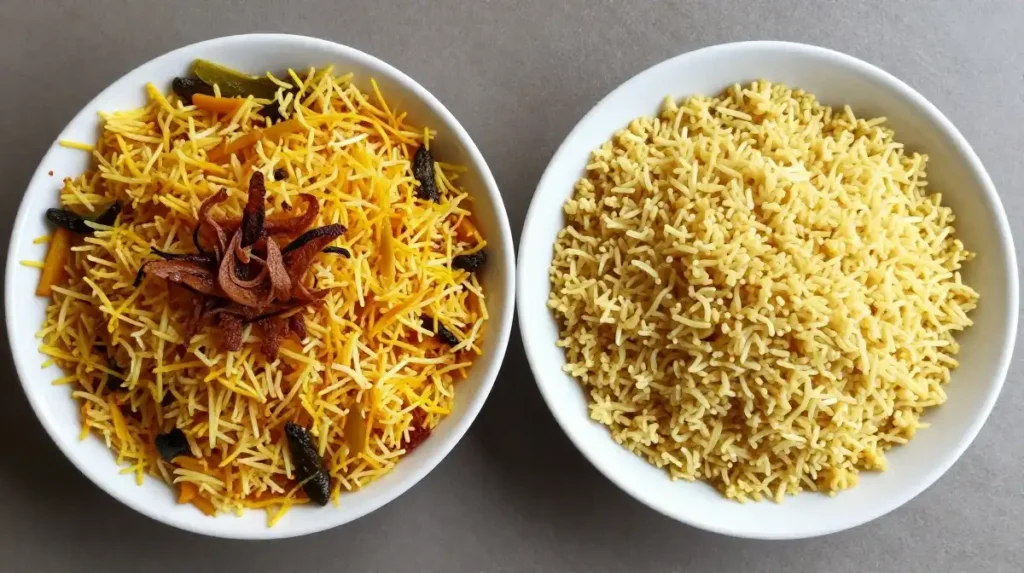
Most people think vegetable biryani and pulao are the same. They’re not — not even close. Vegetable biryani is a bold, layered, slow-cooked masterpiece. Pulao is a one-pot simmer. The difference lies in technique, depth, and soul.
In a true vegetarian rice dish, each component — the aromatic rice, the spiced vegetables, the golden fried onions — is cooked separately and then layered together. That layering is everything. It’s what creates those distinct bursts of flavor in every spoonful. Pulao mixes everything together early, so flavors blend but never really build. Biryani, on the other hand, seduces your senses one layer at a time. The dum cooking method — slow-sealing the pot so steam circulates inside — is what transforms good ingredients into something truly unforgettable.
Ingredients for the Best Vegetable Biryani
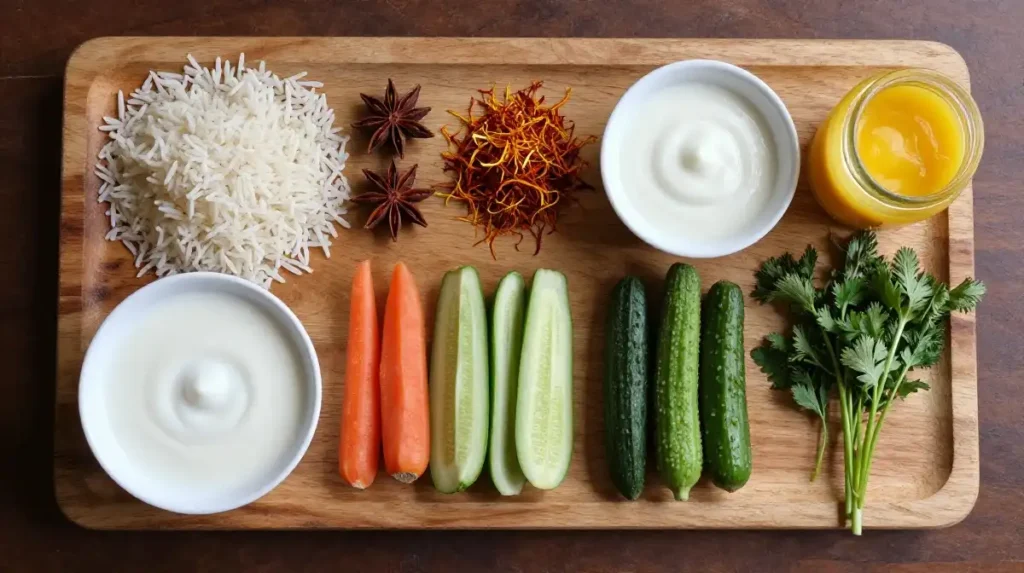
Great veg biryani ingredients aren’t complicated. But quality matters more than quantity here. You want long-grain basmati rice — aged if possible. The grains stay separate after cooking and carry that nutty fragrance that’s irreplaceable.
For the base, you’ll need oil or ghee rice fat, caramelized onions (cooked low and slow until deeply golden), thick yogurt for marination, and a full arsenal of whole spices. Don’t skip the saffron milk — even just a pinch of saffron soaked in warm milk and drizzled on top makes a world of difference. Add kewra water or rose water for that signature floral finish. These aren’t optional touches. They’re what separate a homemade vegetable biryani from a restaurant-style one.
Full Ingredients List
| Ingredient | Quantity |
|---|---|
| Basmati rice | 2 cups |
| Mixed vegetables | 2.5 cups |
| Yogurt | ½ cup |
| Onions (for birista) | 2 large |
| Saffron + warm milk | 1 pinch + 3 tbsp |
| Ghee | 3 tbsp |
| Biryani masala powder | 2 tsp |
| Kewra water | 1 tsp |
| Rose water | 1 tsp |
| Whole spices | As listed below |
Which Vegetables Work Best in Biryani
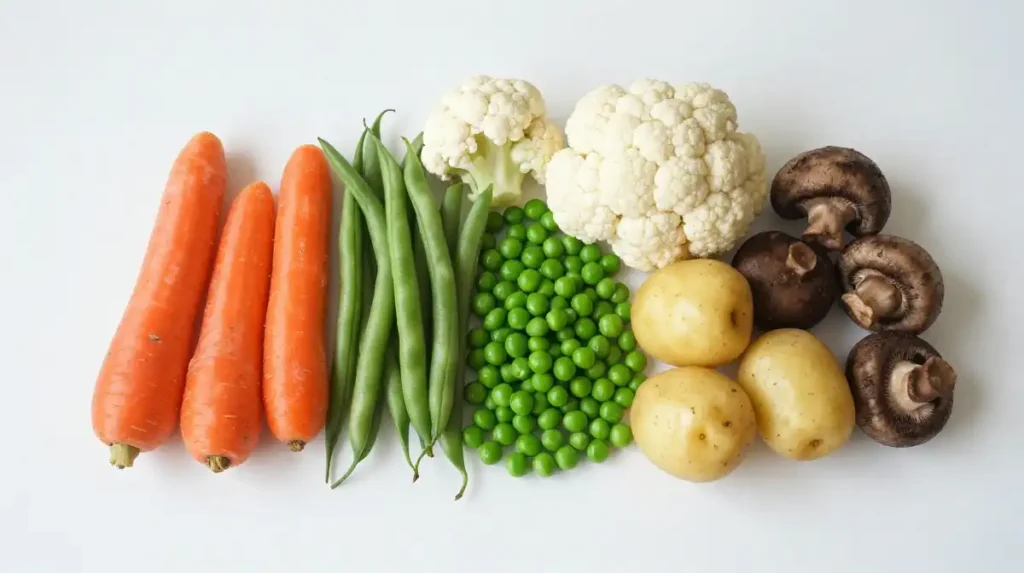
Choosing the right vegetables is a decision most home cooks overlook. Not every vegetable survives the dum cooking method. Some turn mushy. Others release too much water and ruin the rice. You want vegetables that hold their shape under heat and absorb spices beautifully.
you may also like this: 14 Lemon Lentil Soup: The Best Cozy Healthy Recipe You’ll Make on Repeat
Carrots, green beans, cauliflower, green peas, and potatoes are the gold standard for a homemade vegetable biryani. They cook at similar rates and absorb masala deeply. Mushrooms are a wonderful add-on — they soak up flavor like little sponges. Avoid zucchini, cucumber, or leafy greens entirely. They collapse too fast and turn your layered rice dish into a soggy mess. For a spicy vegetable biryani, add a couple of green chilies directly into the vegetable marinade. It builds heat gradually without overpowering the rice.
The Spices That Make Vegetable Biryani So Aromatic
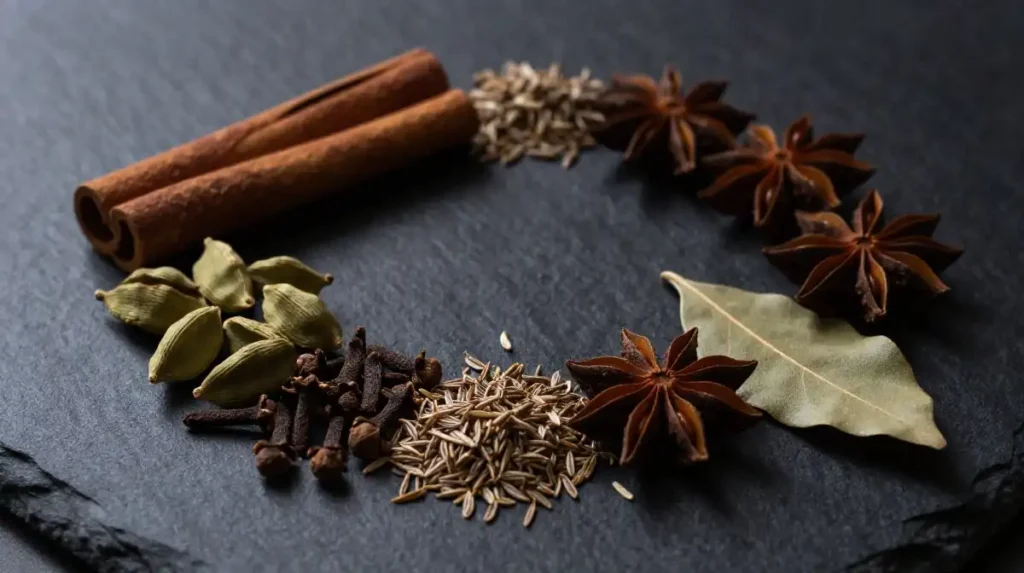
Here’s where the real alchemy happens. The spice blend in a proper vegetable biryani masala isn’t just about heat — it’s about fragrance, warmth, and complexity. Every single spice plays a specific role.
Spice Bloom Order
| Step | Spice | Why |
|---|---|---|
| 1 | Bay leaves, cinnamon, cloves | Base aromatics |
| 2 | Green cardamom, star anise | Floral depth |
| 3 | Cumin seeds | Nutty warmth |
| 4 | Biryani masala powder | Final flavor layer |
How to Make Vegetable Biryani Step by Step

Follow this vegetable biryani step by step process and you won’t go wrong. Start by soaking your basmati rice for 30 minutes. Drain it. Boil it in heavily salted water with a bay leaf, green cardamom, and a cinnamon stick until it’s 70% cooked — still has a slight bite. Drain immediately.
Next, marinate your mixed vegetables in yogurt, biryani masala powder, turmeric, red chili powder, salt, and a spoon of oil. Let that sit for 20 minutes minimum. In a heavy-bottomed pan, bloom your whole spices in ghee, add the marinated vegetables, and cook until the masala coats everything richly. Now layer: half the rice, all the vegetables, remaining rice. Drizzle saffron milk, sprinkle fresh mint leaves, coriander leaves, and a handful of fried onions on top. Add kewra water and rose water. Seal. Dum it. You’re almost there.
Restaurant Style Dum Biryani Method at Home

The restaurant style veg biryani secret isn’t a special ingredient. It’s the seal. Professional kitchens use dough to seal the pot — it traps every molecule of steam inside and forces flavor deep into each grain of aromatic rice. You can do the same at home with a tight-fitting lid and a layer of foil.
Place your assembled pot on a hot tawa or skillet. This distributes the heat evenly from the bottom and prevents burning. Cook on high for 3 minutes, then drop to the lowest possible flame for 20–25 minutes. Don’t peek. Every time you lift that lid, you release steam and dry out the rice. The slow cooked rice needs that trapped moisture to finish properly. Once done, let it rest sealed for 10 minutes. Then open, gently fluff with a fork — and watch those layers reveal themselves like something beautiful.
Quick Pressure Cooker Vegetable Biryani

Short on time? A vegetable biryani pressure cooker method can produce surprisingly good results. It’s not the same as vegetable dum biryani — but it’s honest, delicious, and done in under 30 minutes.
Sauté your whole spices in the cooker. Add onions, cook till golden. Add marinated vegetables and cook for 3–4 minutes. Layer soaked, drained basmati rice on top. Pour 1.75 cups of water per cup of rice. Add saffron milk, fresh mint leaves, coriander leaves. Close the lid. Cook on medium for one whistle, then immediately move to low heat for 10 minutes. Release pressure naturally. Your quick vegetable biryani is ready. It won’t have the dramatic layering of the dum version but it’ll still taste rich, spiced, and deeply satisfying. Perfect for a weeknight vegetable biryani for dinner.
Mistakes to Avoid When Making Vegetable Biryani
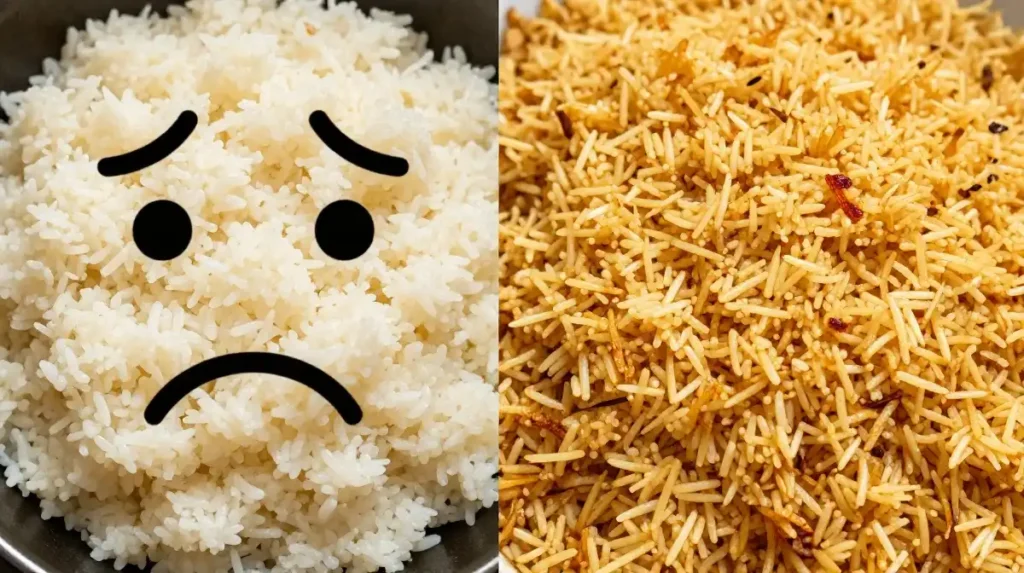
Even experienced cooks fall into the same traps. Knowing them ahead of time saves a lot of heartbreak — and a ruined pot of rice.
The biggest mistake is overcooking the rice before the dum stage. If your rice is fully cooked going in, it turns mushy by the time it comes out. Cook it to 70% — no more. Another common error is skipping the yogurt marination for vegetables. Yogurt tenderizes, adds tang, and helps the biryani masala powder cling to every surface. Don’t rush it. Also, never skip fried onions — birista is not a garnish, it’s a flavor layer. And please, use enough salt. Basmati rice needs salted water during parboiling or the whole dish tastes flat no matter how many spices you use.
Best Side Dishes to Serve With Veg Biryani
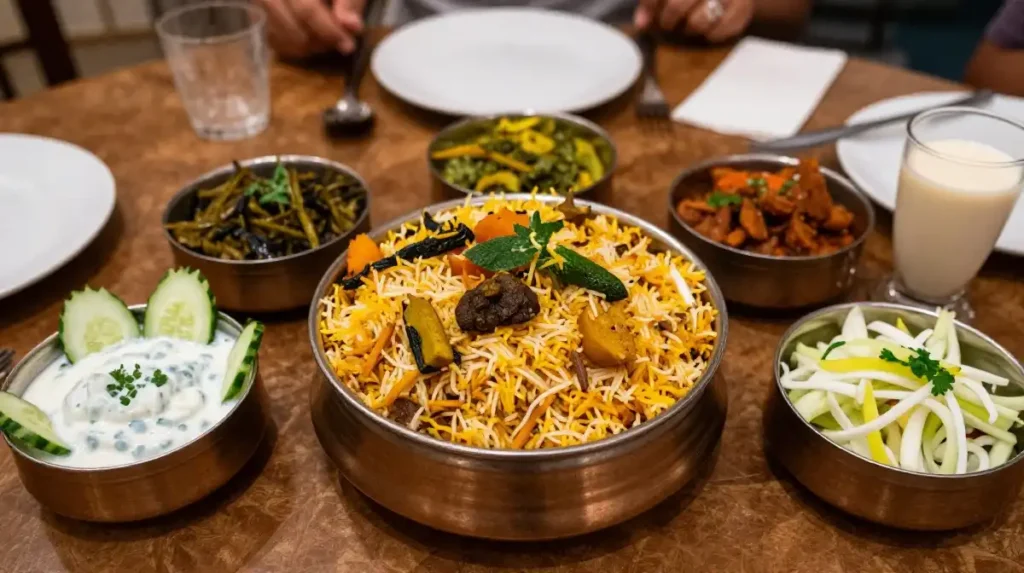
A beautifully made best vegetable biryani deserves the right companions. The classic pairing is raita — a cool yogurt sauce that balances the heat and richness of the biryani perfectly. Use cucumber raita, boondi raita, or even a simple mint-yogurt version.
Perfect Pairings Table
| Side Dish | Flavor Profile | Best With |
|---|---|---|
| Cucumber Raita | Cool, tangy | Spicy biryani |
| Mirchi ka Salan | Spicy, nutty | Hyderabadi style |
| Boondi Raita | Creamy, mild | Any variation |
| Kachumber Salad | Sharp, fresh | Rich dum biryani |
| Sweet Lassi | Creamy, sweet | Spicy versions |
How to Store and Reheat Vegetable Biryani

Healthy vegetable biryani tastes even better the next day — the spices deepen overnight. Store it in an airtight container in the refrigerator for up to 3 days. Keep it in a single layer if possible to prevent the bottom from getting too moist.
To reheat, sprinkle a tablespoon of water over the biryani before microwaving — this creates steam and brings the rice back to life. Cover the container loosely. Microwave in 90-second intervals, stirring gently between rounds. On the stovetop, add a tiny splash of water to a heavy pan, add the biryani, cover tight, and warm on low for 5–7 minutes. Never reheat on high heat — it dries the basmati rice and makes it brittle. As for vegetable biryani calories, a standard serving of 1.5 cups runs approximately 320–380 calories, depending on oil and ghee used. It’s a filling, nutrient-rich meal when loaded with mixed vegetables.
Frequently Asked Questions
Can I make vegetable biryani without yogurt?
Absolutely. A vegetable biryani without yogurt works well with coconut milk or cashew cream as substitutes. Both add richness and help the spices adhere to the vegetables.
What makes Indian vegetable biryani different from Pakistani veg biryani?
Indian vegetable biryani — especially the Hyderabadi version — leans toward saffron, kewra, and slow dum. Pakistani veg biryani tends to use more tomatoes, a richer masala base, and bolder red chili flavors.
Which rice is best for this dish?
Always use aged long-grain basmati rice. The aging process dries the grains slightly, so they cook up separate and fluffy rather than sticky.
What is the veg biryani gravy recipe?
The gravy comes from the vegetable marinade — yogurt, tomatoes, onions, and spices cooked down into a thick, aromatic masala. It’s not a separate sauce. It’s built directly into the vegetable layer.
How do I get the dum effect without a heavy pot?
Use a regular pan, cover tightly with foil, then place the lid on top. Set the pan over a hot tawa. The foil seal traps steam just as effectively as traditional dough sealing.