
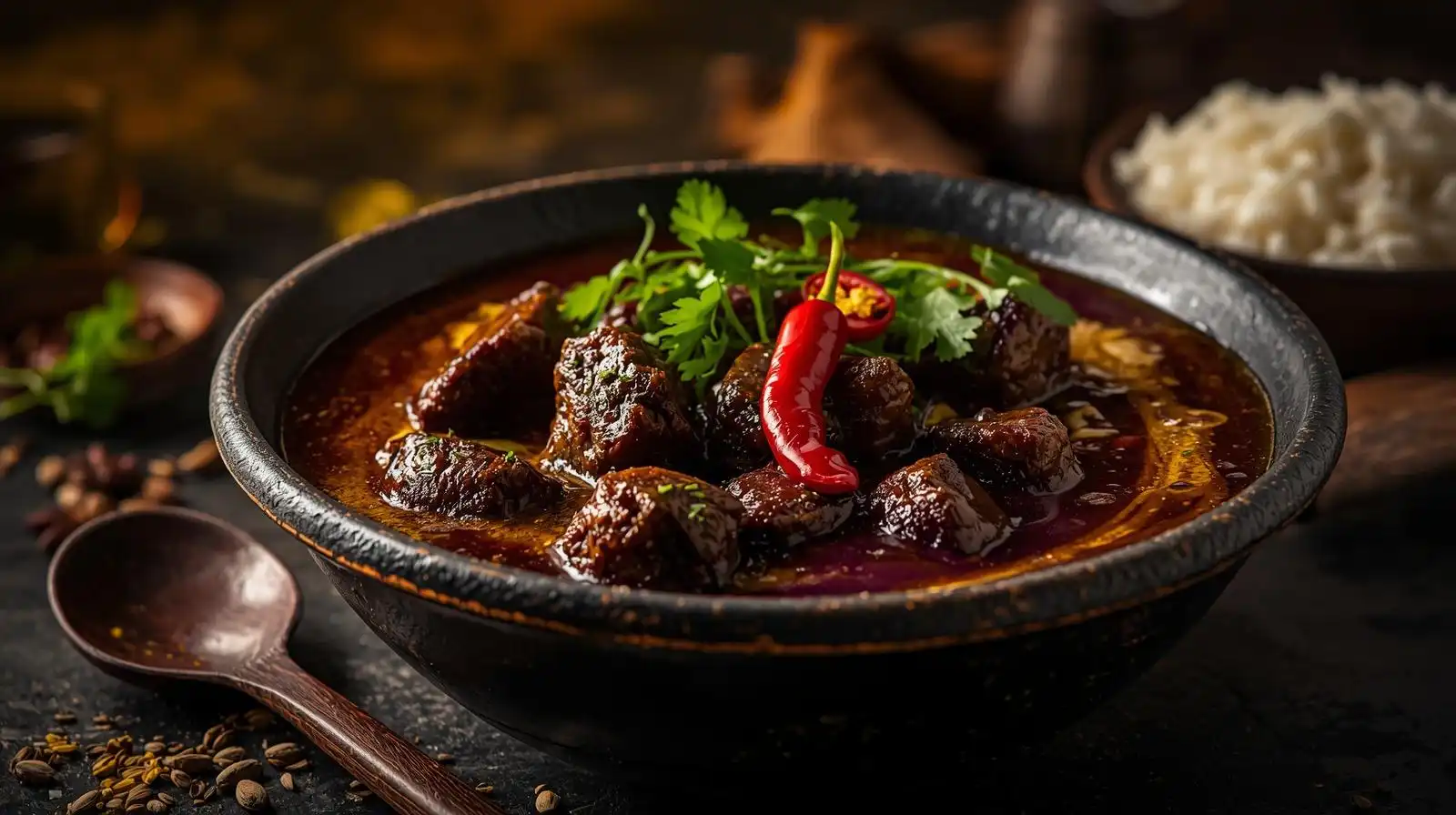
14 Eggplant Curry: The Rich Smoky Bowl That Will Change How You Cook Forever
There’s something almost magical about eggplant curry. The moment that glossy purple vegetable hits hot oil, it transforms. It softens, deepens, and absorbs every spice around it like a sponge. No other vegetable does this quite so dramatically. Whether you’re a seasoned home cook or someone who just discovered the joy of one-pot meals, this dish will genuinely surprise you. It’s bold. It’s comforting. And once you make it right, you’ll never look at eggplant the same way again.
What Is Eggplant Curry and Why This Dish Is Loved Around the World
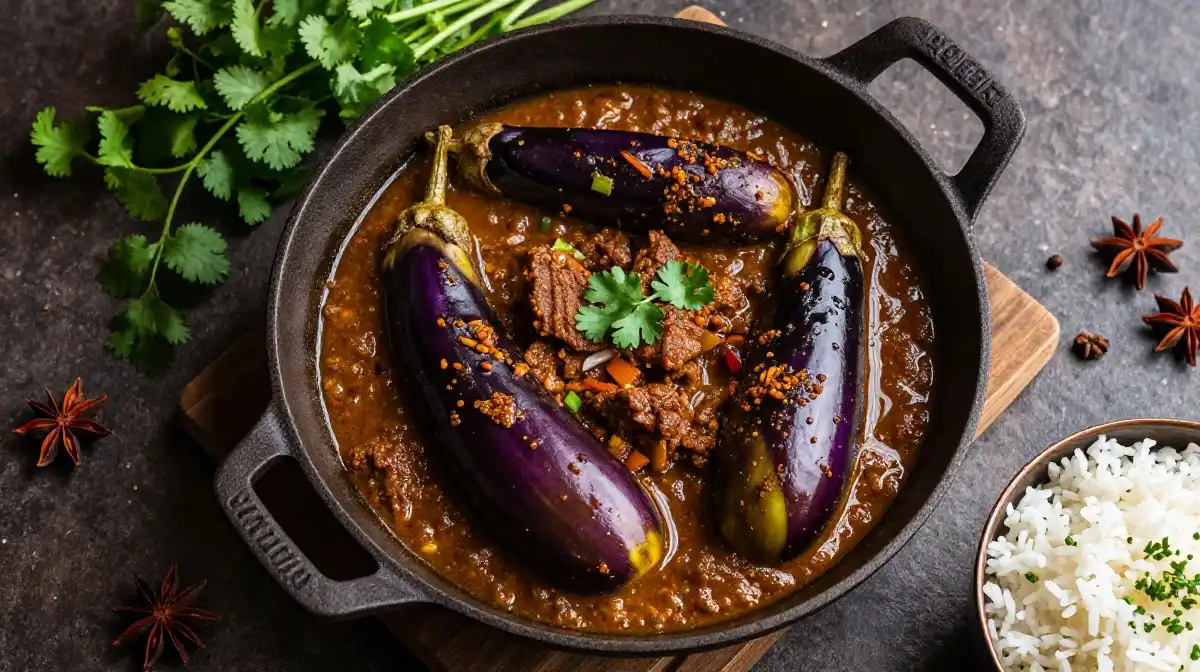
Eggplant curry isn’t just one dish — it’s a whole family of recipes spanning continents and cultures. From India’s smoky Indian eggplant curry called Baingan Bharta to Thailand’s fragrant coconut-based versions, this vegetable anchors some of the world’s most celebrated cuisines. Eggplant’s naturally spongy texture soaks up spiced sauces beautifully and that’s precisely why cooks across Asia, the Middle East, and the Mediterranean have relied on it for centuries.
What makes eggplant curry comfort food so universally beloved is its incredible versatility. You can make it vegan, creamy, spicy, mild, chunky or smooth. It works as a weeknight dinner and impresses at dinner parties equally well. According to food historians, eggplant has been cultivated for over 4,000 years and traveled the Silk Road before landing on tables worldwide. That’s a vegetable with serious credentials.
Best Eggplant Varieties to Use for the Perfect Curry Every Time
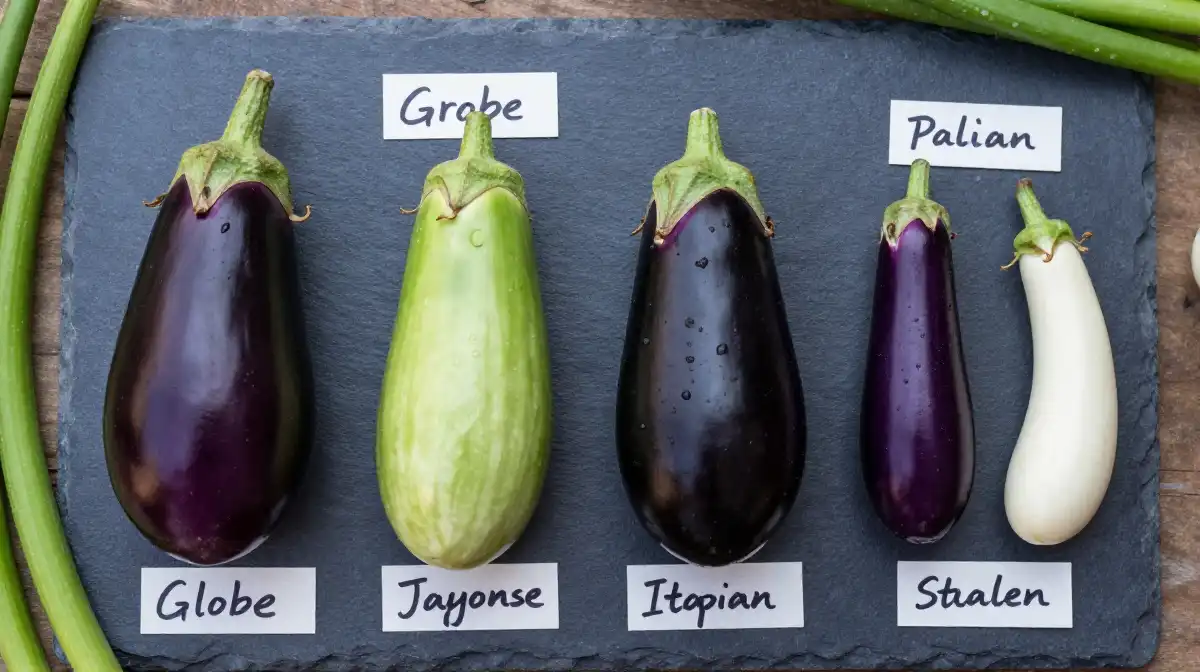
Not all eggplants behave the same in a curry pot. Choosing the right variety genuinely changes your final result. Japanese eggplant is long, slender, and tender with fewer seeds. It cooks quickly and holds its shape well in a curry sauce. Italian eggplant is rounder, slightly sweeter, and works beautifully when you want a meatier bite in your bowl.
The large globe eggplant — the one most American grocery stores carry — works perfectly for eggplant curry recipe preparations that involve roasting or mashing. Its thick flesh absorbs spices deeply. For how to make eggplant curry with the best texture, always choose eggplants that feel firm and heavy. Avoid any with soft spots or wrinkled skin. Fresh eggplant makes a genuine difference in flavor depth.
| Eggplant Variety | Flavor Profile | Best Curry Use |
|---|---|---|
| Globe Eggplant | Mild, slightly bitter | Roasted, mashed curries |
| Japanese Eggplant | Sweet, tender | Stir-fried, Thai curries |
| Italian Eggplant | Rich, meaty | Chunky Indian curries |
| Baby Eggplant | Delicate, subtle | Stuffed, whole curries |
How to Prepare Eggplant Before Cooking for Maximum Flavor
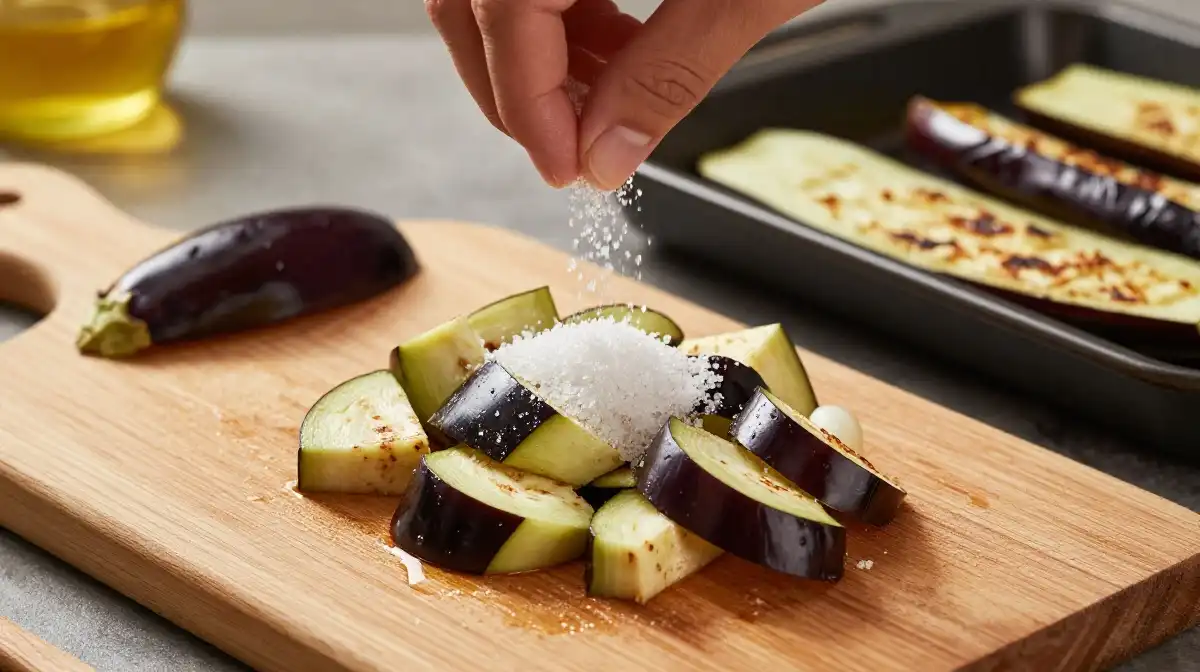
Here’s the step most home cooks skip — and it costs them everything. Salting your eggplant before cooking draws out excess moisture and reduces bitterness dramatically. Cut your eggplant into cubes, sprinkle generously with salt, and let it sit for 20–30 minutes. You’ll see water beads forming on the surface. Pat it dry thoroughly before cooking.
you may also like this: 14 Lentil Chili: The Boldest Heartiest Bowl You Will Ever Make
How to roast eggplant for curry is another technique worth mastering. Roasting at 425°F for 20–25 minutes caramelizes the flesh and builds a deep smoky sweetness that raw-cooked eggplant simply can’t match. This step alone elevates a basic eggplant curry recipe into something genuinely restaurant-worthy. How to make eggplant curry less bitter always starts here — salt, drain, roast. That’s the professional sequence every good cook follows.
Best Spices and Aromatics for an Authentic and Flavorful Eggplant Curry
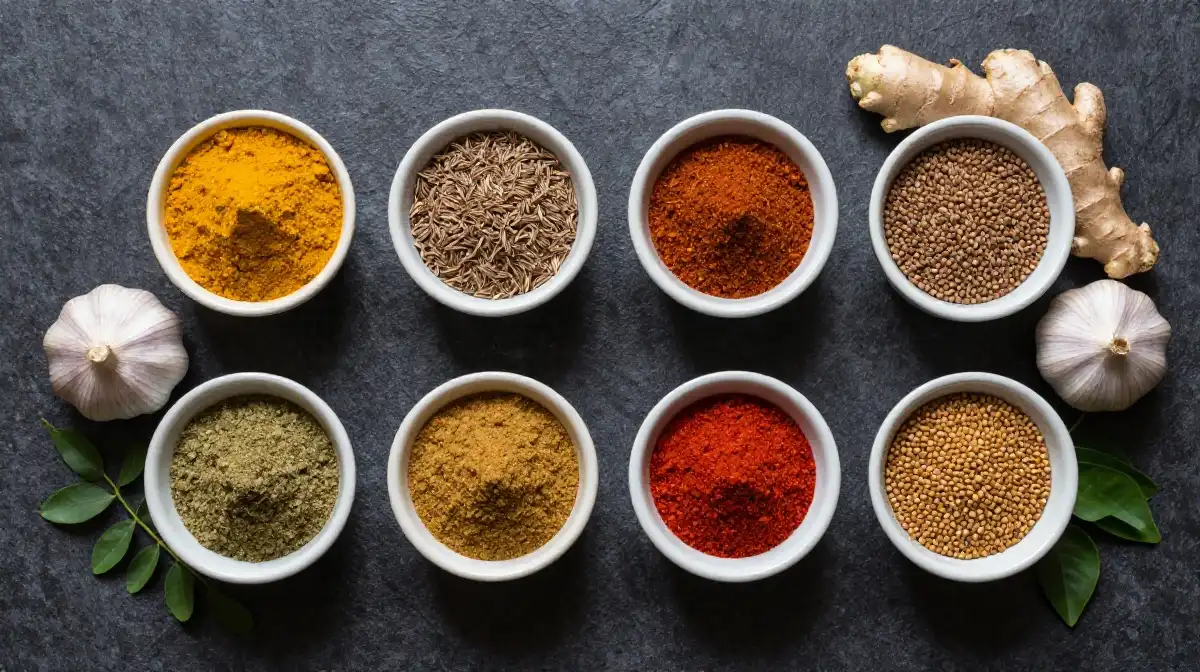
Spices are the soul of any great curry. For an authentic eggplant curry with garlic and eggplant curry with ginger base, you need to build flavors in layers. Start with whole spices like cumin seeds and mustard seeds bloomed in hot ghee or olive oil. That crackling sound when seeds hit oil? That’s flavor being born.
What spices go in eggplant curry depends on the regional style but a core lineup exists across almost every version. Turmeric adds earthiness and golden color. Garam masala brings warmth and complexity. Coriander powder and red chili powder round out the base beautifully. Fresh curry leaves, onion, garlic, and ginger form the aromatic backbone. How to season eggplant curry properly means toasting each spice just long enough — 30 to 60 seconds — before adding wet ingredients. Never rush this step.
How to Make Classic Indian Eggplant Curry From Scratch Step by Step
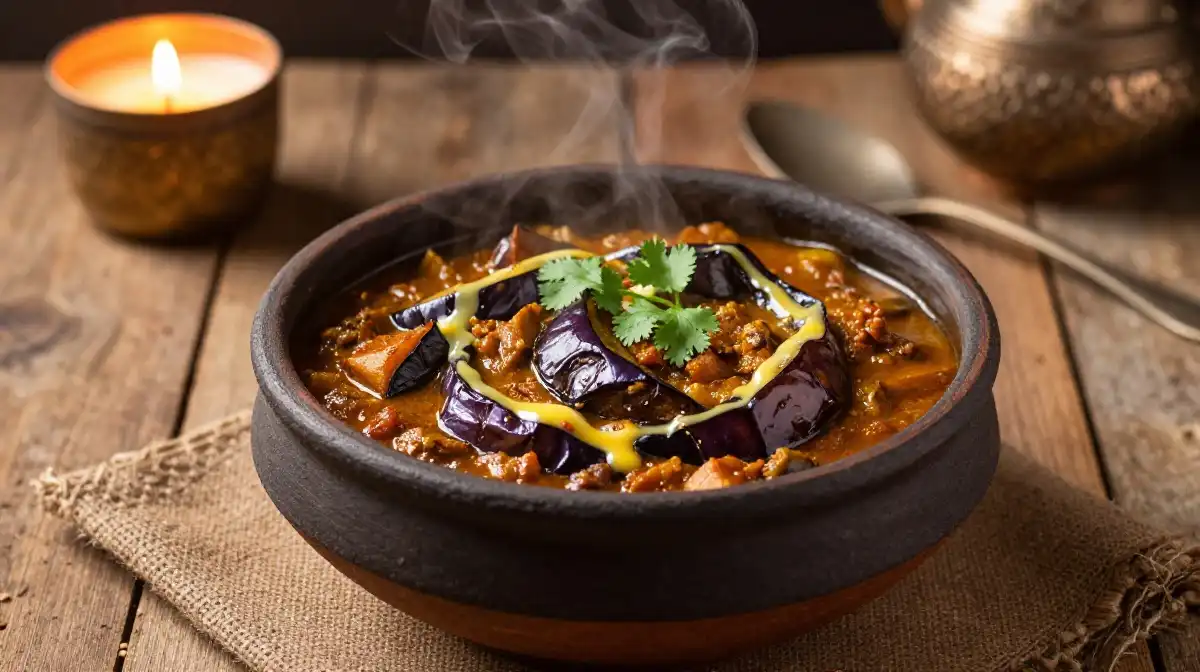
How to make Indian eggplant curry from scratch feels intimidating at first but it follows a very logical sequence. Start by roasting your eggplant directly over a gas flame or under your broiler until the skin blackens and the inside collapses. This is the foundation of Baingan Bharta — arguably the most iconic easy eggplant curry in Indian cooking.
How to make eggplant curry from scratch the Indian way means building a masala base next. Heat ghee in a heavy pan. Add cumin seeds until they sputter. Toss in finely chopped onion and cook until deeply golden — about 12 minutes. Add garlic and ginger paste. Cook another two minutes. Add diced tomatoes, turmeric, coriander powder, red chili powder, and salt. Cook until oil separates from the masala. Finally fold in your roasted eggplant and finish with garam masala and fresh cilantro. Simple. Profound.
How to Make Creamy Eggplant Curry With Coconut Milk
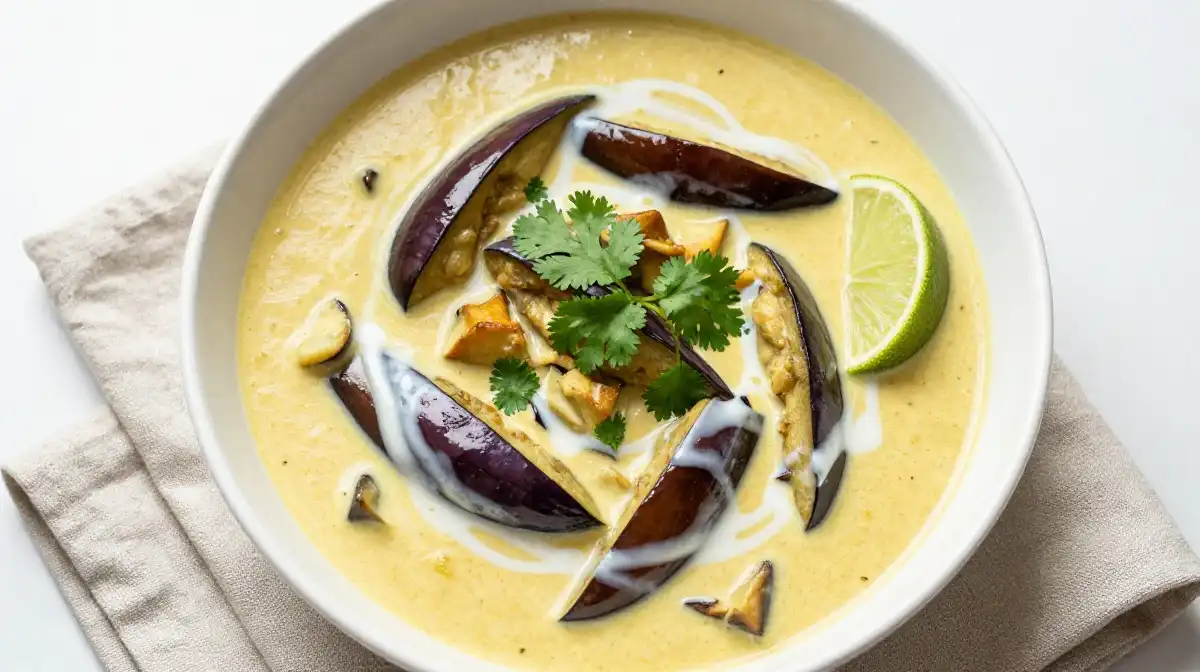
Creamy eggplant curry takes everything bold about the Indian version and wraps it in a silky, tropical embrace. Coconut milk softens the spice edges and creates a sauce so luscious you’ll want to drink it with a spoon. This style bridges Indian and Southeast Asian flavors in the most satisfying way.
How to make creamy eggplant curry starts with sautéing onion, garlic, and ginger in olive oil until softened. Add turmeric and coriander powder and cook briefly. Add cubed eggplant and toss to coat. Pour in a full can of coconut milk and vegetable broth for extra body. Simmer 18–20 minutes until eggplant turns completely tender. Finish with a squeeze of lime and fresh cilantro. Eggplant curry with coconut milk this way delivers richness without heaviness — pure weeknight luxury.
How to Make Thai Eggplant Curry With Coconut Milk and Fresh Basil
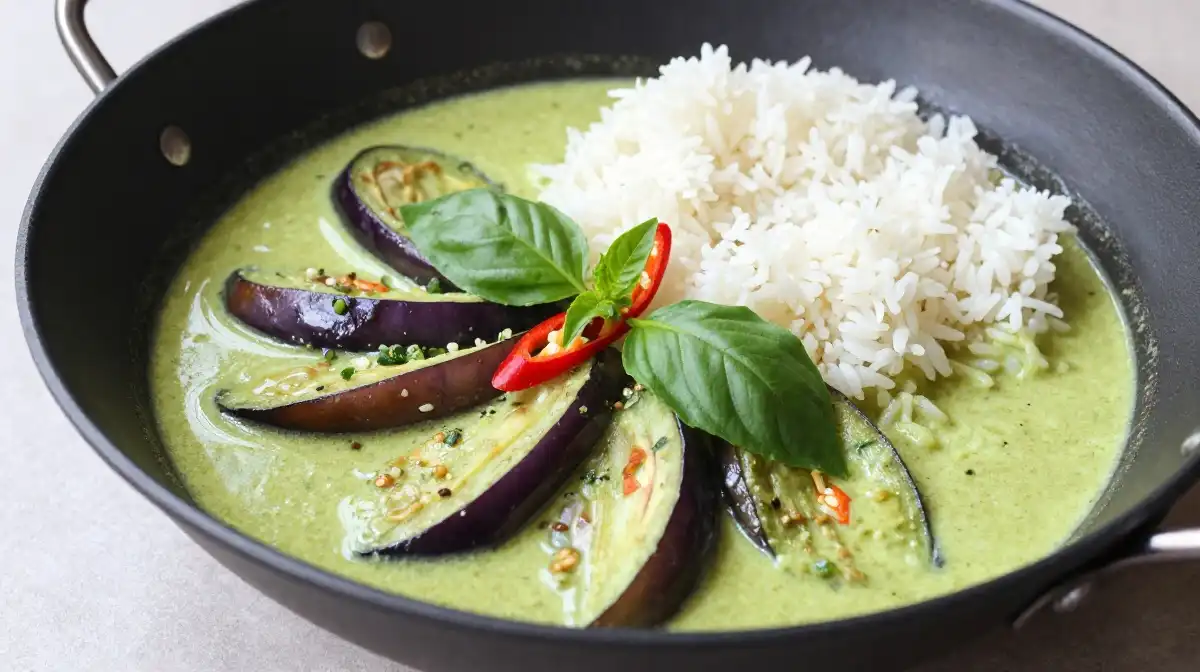
Thai eggplant curry operates on a completely different flavor frequency. It’s fragrant, slightly sweet, herbaceous, and genuinely aromatic in a way that fills your entire kitchen instantly. Japanese eggplant works best here because it stays tender without turning mushy.
How to make Thai eggplant curry begins with frying green or red Thai curry paste in coconut milk — not oil — until the paste blooms and the coconut milk splits slightly. Add sliced Japanese eggplant, vegetable broth, fish sauce or soy sauce for umami, and a touch of palm sugar or brown sugar for balance. Simmer until eggplant is just tender. Add a generous handful of fresh Thai basil right at the end. Never cook the basil — just wilt it with residual heat. Serve immediately over jasmine rice. This is eggplant curry with coconut milk at its most vibrant and alive.
How to Make Vegan Eggplant Curry With Chickpeas and Tomatoes
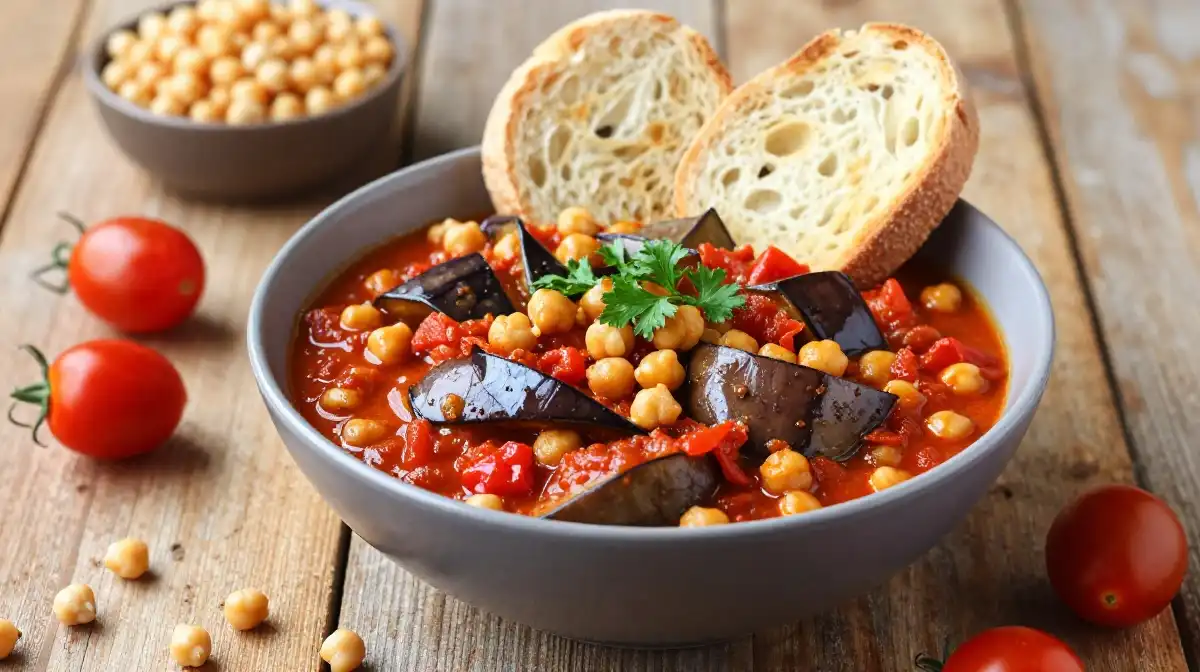
Plant-based eaters, this one’s built specifically for you. Eggplant curry vegan style with chickpeas and tomatoes delivers complete protein, serious fiber, and deeply satisfying flavor without a single animal product in sight. It’s also one of the most budget-friendly meals you can possibly make.
How to make vegan eggplant curry means leaning hard on diced tomatoes and tomato paste to build a rich acidic base. Sauté onion, garlic, and ginger in olive oil. Add turmeric, cumin seeds, and coriander powder. Stir in tomato paste and cook two minutes. Add diced tomatoes, vegetable broth, cubed eggplant, and rinsed chickpeas. How to make eggplant curry with chickpeas this way gives you a stew so hearty and filling that nobody at the table misses the meat. Not even a little.
How to Make Eggplant Curry With Potatoes for a Hearty Meal
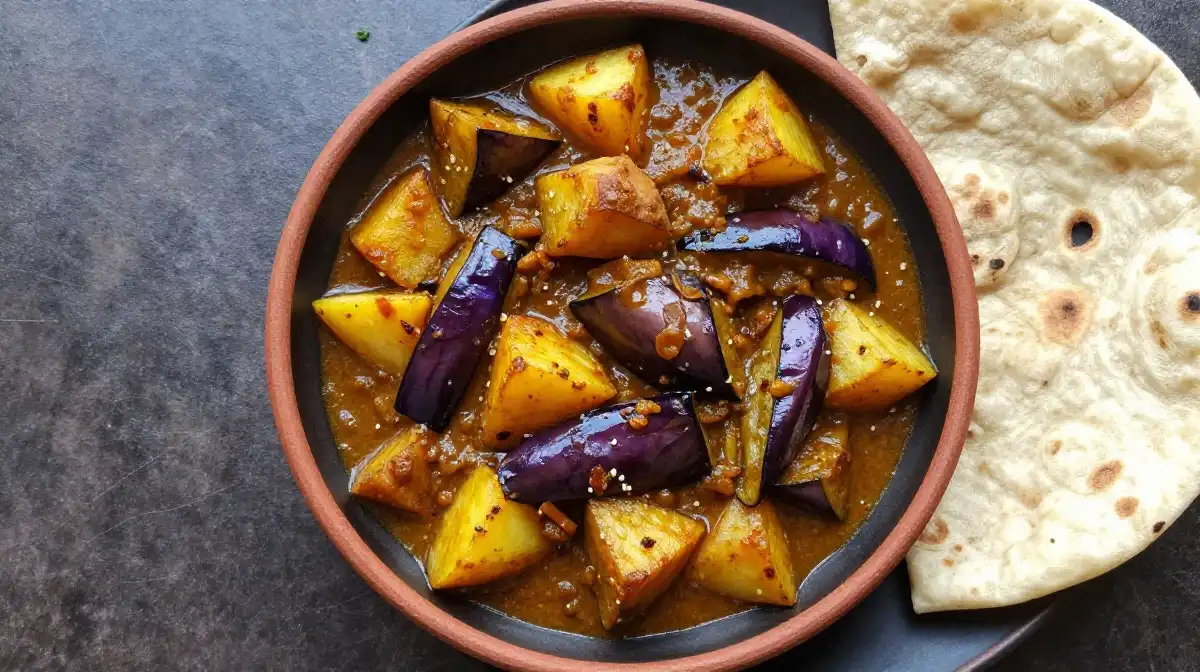
Adding potatoes to eggplant curry transforms it from a side dish into an absolute main event. Eggplant curry with potatoes — called Aloo Baingan in Indian cooking — is a beloved home-cooked classic across South Asia and for very good reason. The starchy potato absorbs spiced sauce differently than eggplant does, creating textural contrast in every single bite.
How to make eggplant curry with potatoes requires one important timing trick. Potatoes take longer to cook than eggplant so add them first. Parboil cubed potatoes for 5–6 minutes before adding to your masala base. Then add eggplant and let everything simmer together until both vegetables are fork-tender. This eggplant curry healthy combination also delivers a strong nutritional punch — potassium from potatoes, antioxidants from eggplant, and anti-inflammatory compounds from every spice in the pot.
How to Make Spicy Eggplant Curry With Bold and Smoky Flavors
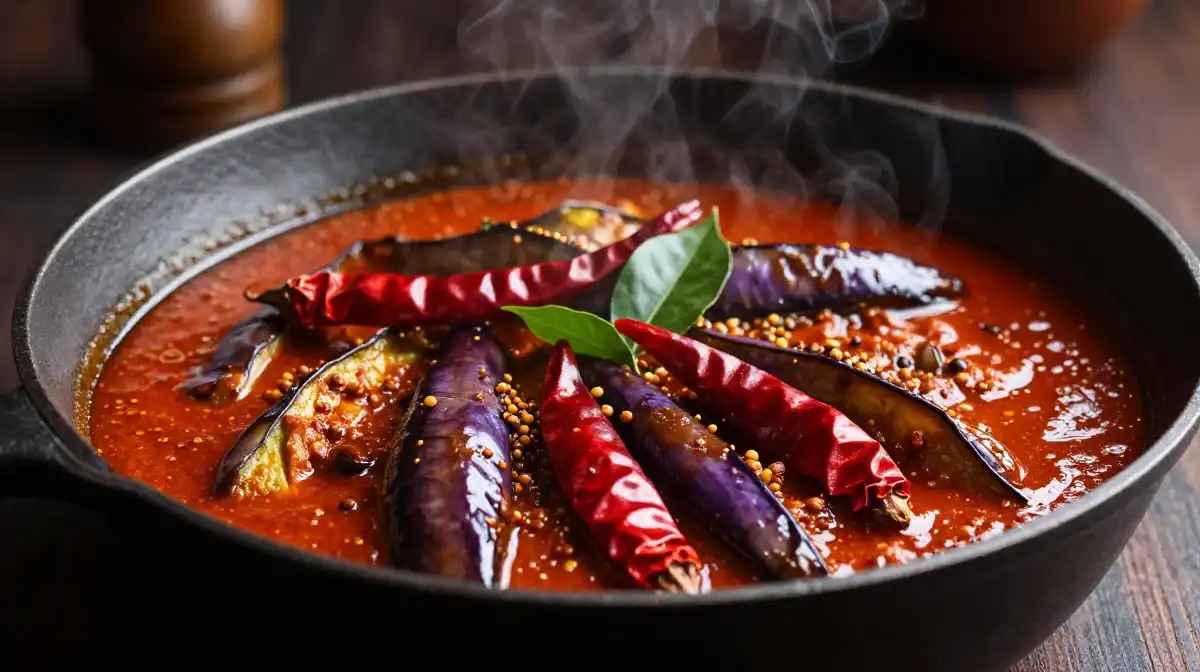
Some people want their curry to fight back a little. Spicy eggplant curry satisfies that craving completely. The trick isn’t just dumping in extra red chili powder — it’s layering heat from multiple sources to build complexity rather than just pain.
How to make spicy eggplant curry the right way uses dried red chilies bloomed in hot oil alongside mustard seeds and curry leaves. Then add fresh green chilies with the onion. A generous pinch of red chili powder goes into the masala. Finally, smoked paprika adds a gorgeous smokiness that complements eggplant’s natural char perfectly. How to make eggplant curry with yogurt as a cooling accompaniment alongside this version creates a brilliant contrast — fire and cool, bold and gentle, all on one plate.
What to Serve With Eggplant Curry for a Complete Satisfying Meal
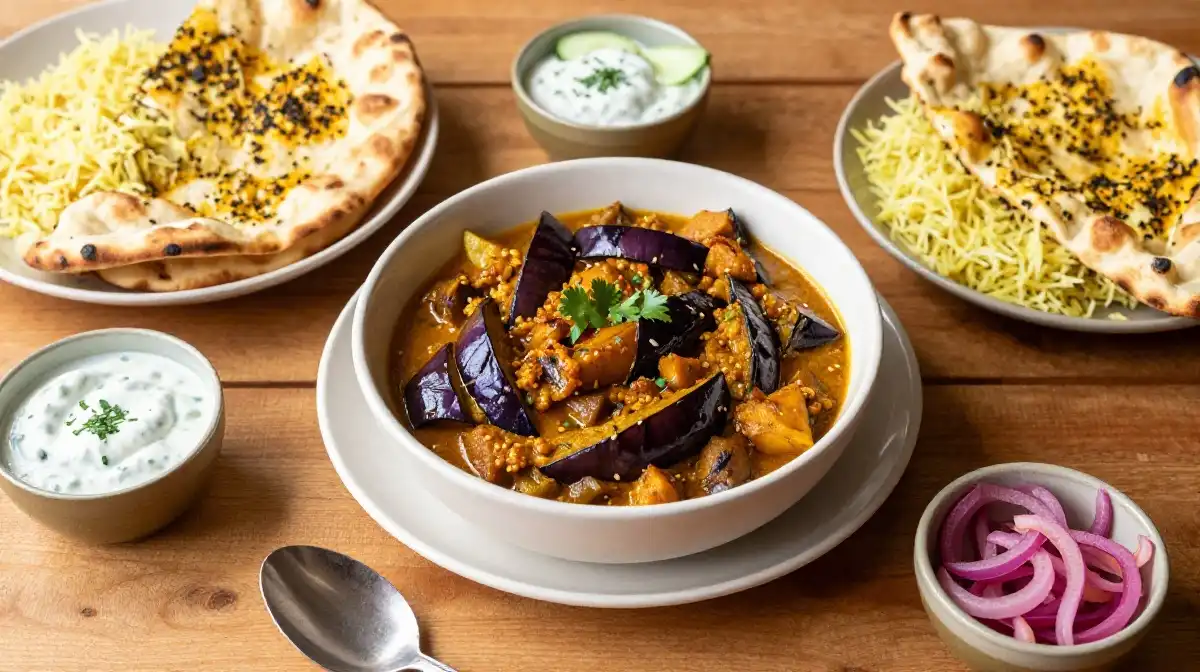
A great curry deserves equally great companions. Eggplant curry with rice is the most classic pairing — fluffy basmati or jasmine rice soaks up that spiced sauce and makes every bite complete. But rice isn’t your only option and honestly it’s worth exploring the others.
What to serve with eggplant curry expands beautifully when you consider warm naan, roti, or even crusty sourdough bread for sauce-scooping. Eggplant curry with spinach stirred in during the last few minutes adds color and nutrition. A simple cucumber raita cools spicy versions perfectly. For a eggplant curry one pot meal approach, cook basmati rice directly into the curry sauce during the final 15 minutes and let it absorb all those spiced flavors completely.
| Pairing | Why It Works |
|---|---|
| Basmati Rice | Absorbs sauce, neutral base |
| Garlic Naan | Scoops thick curry beautifully |
| Cucumber Raita | Cools spice, adds creaminess |
| Spinach Salad | Adds freshness and contrast |
| Pickled Onions | Cuts richness with acidity |
How to Make Eggplant Curry for Meal Prep and Busy Weeknights
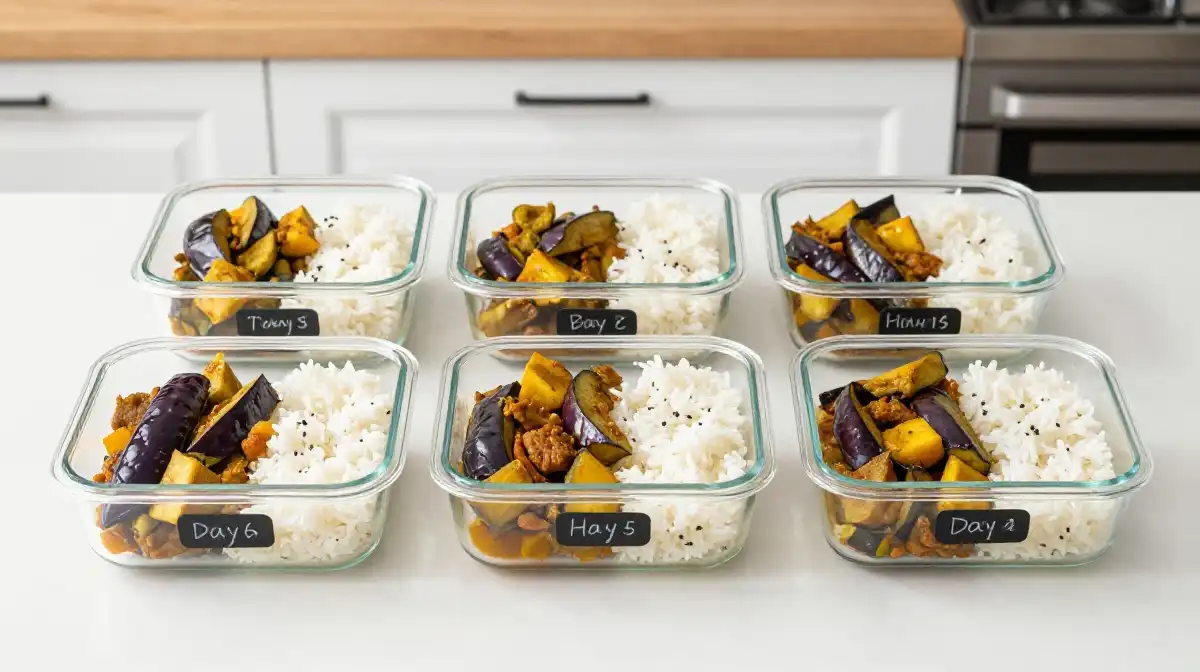
Eggplant curry meal prep is genuinely one of the smartest things you can do on a Sunday afternoon. This dish tastes better the next day — full stop. The spices meld overnight and the flavors deepen in a way that freshly made curry simply can’t match. Make a big batch and your weeknight dinners solve themselves.
How to make eggplant curry for meal prep efficiently means doubling the recipe and portioning into individual containers while still hot. Eggplant curry slow cooker versions work brilliantly too — add all ingredients to your slow cooker in the morning and come home to a fully cooked dinner eight hours later. Eggplant curry instant pot preparation cuts total cooking time to under 20 minutes using the pressure cook setting. Set it. Forget it. Eat wonderfully.
How to Store and Reheat Eggplant Curry Without Losing Flavor
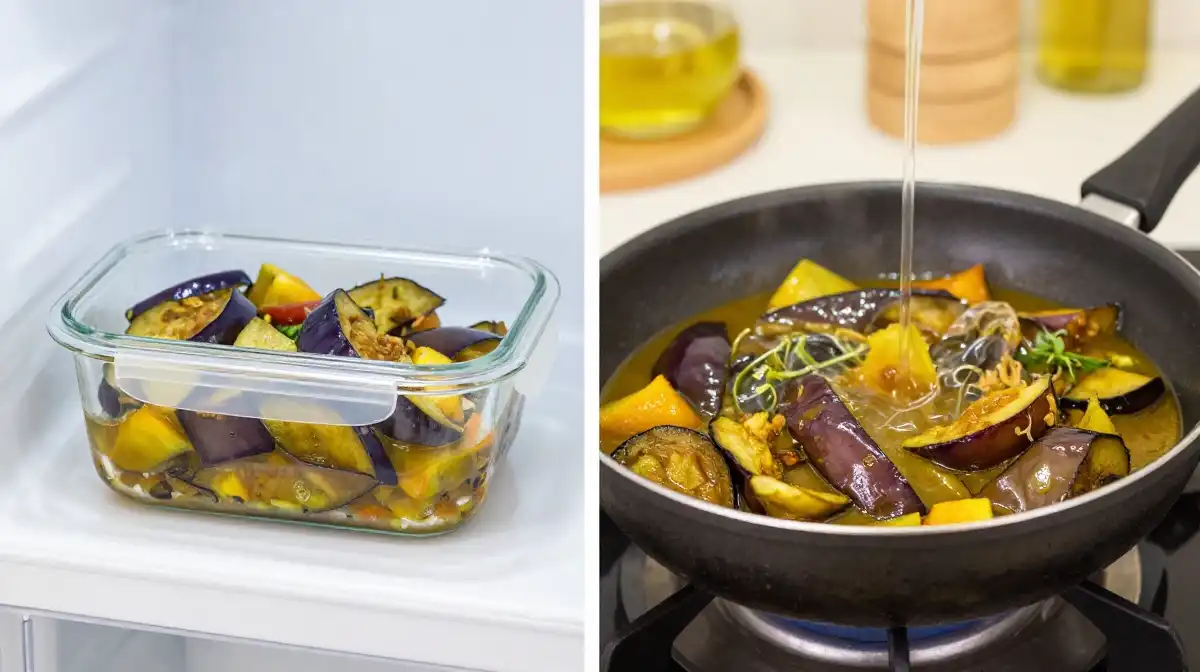
Storing curry properly is just as important as cooking it well. How to store eggplant curry leftovers correctly starts with letting the curry cool completely before refrigerating. Never seal hot curry in an airtight container — condensation ruins texture and encourages bacterial growth. Cool first. Then store.
Refrigerated eggplant curry stays fresh for up to 4 days in an airtight container. Frozen portions last up to 3 months without significant flavor loss. How to reheat eggplant curry without drying it out requires a splash of vegetable broth or water added to the pan before warming over medium-low heat. Stir gently. Don’t boil it aggressively — that breaks down the eggplant completely. Microwave reheating works too but always cover the dish and use 60% power to heat evenly without overcooking edges.
Common Eggplant Curry Mistakes to Avoid for Perfect Results Every Time
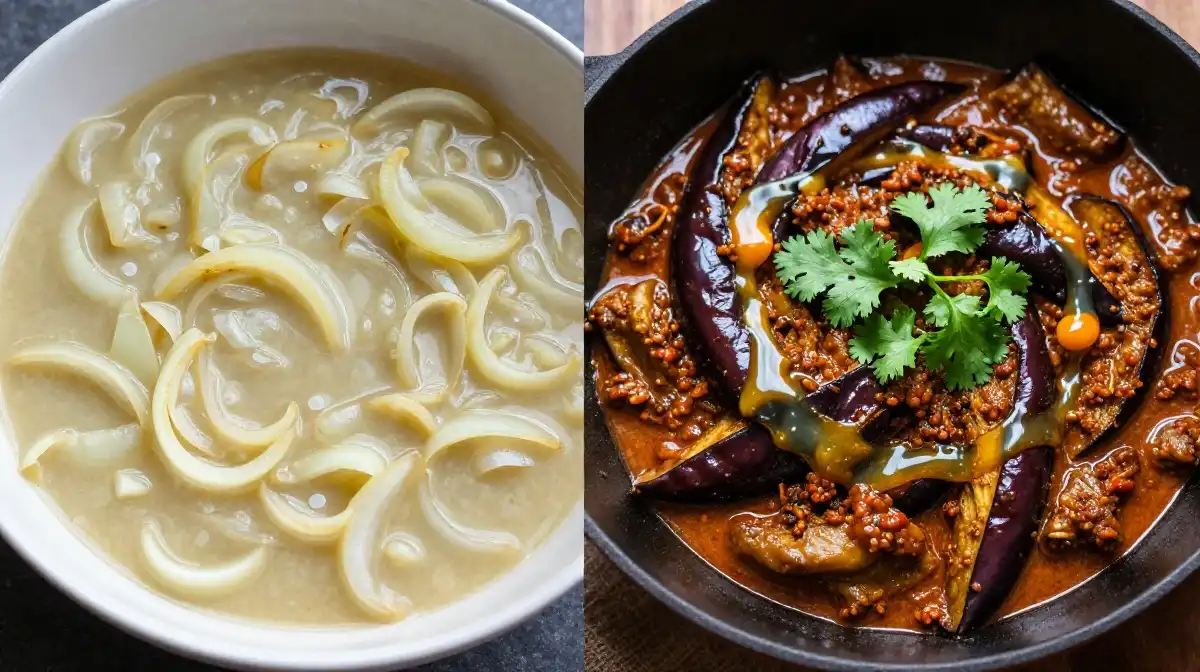
Even experienced cooks make eggplant curry mistakes that quietly sabotage the final dish. The most damaging error is undercooking the onion in the masala base. Raw or barely cooked onion creates a harsh, sharp flavor that dominates everything else. Cook your onion until it turns deep golden — this takes 10 to 15 minutes and cannot be rushed.
How to make eggplant curry without meat that still feels satisfying means not skimping on fat. Ghee or olive oil carries fat-soluble spice compounds into your sauce. Cutting fat excessively makes curry taste flat and disappointing. Another mistake involves crowding the pan when sautéing eggplant — it steams instead of browning and you lose all that gorgeous caramelized flavor. Work in batches if needed. Also never skip the finishing touch of garam masala and fresh cilantro added off heat — that last-minute bloom of aroma is what separates a good curry from an unforgettable one.


One Comment