Turkish Shepherd’s Salad: The Simple Recipe That Tastes Like Summer in Every Bite
Some salads just sit on a plate looking pretty. This one actually does something — it wakes up your taste buds the second the lemon hits the cucumber. Turkish shepherd salad recipe traditions go back generations, born from farmlands where fresh vegetables were the only ingredient you ever really needed.
Walk into any restaurant across Istanbul, Ankara or a small Anatolian village and you’ll find some version of this dish sitting beside the bread basket before your main course even arrives. It’s not fancy. It doesn’t need to be. That’s the whole point.
What Exactly Is Turkish Shepherd’s Salad and Why Everyone Loves It
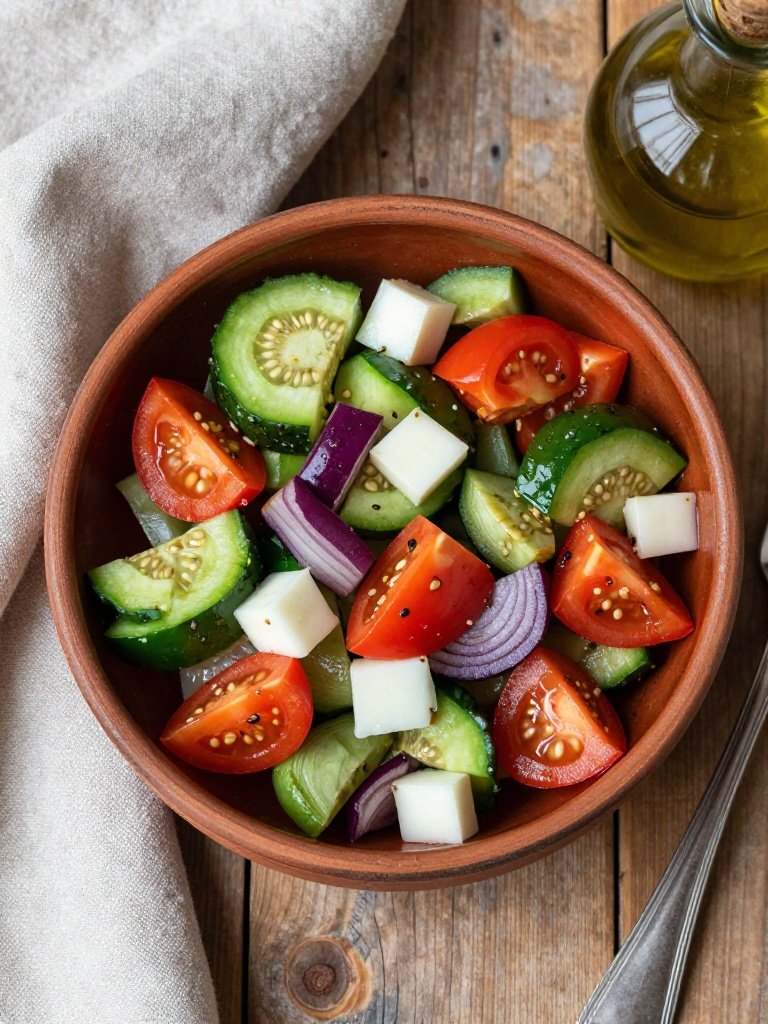
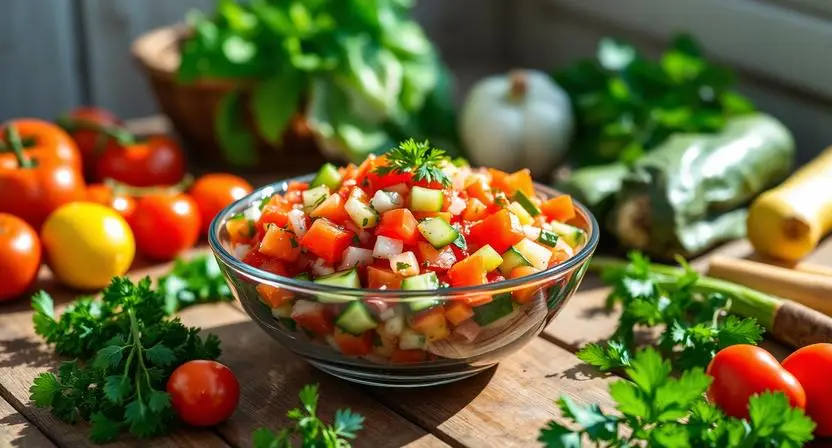
What is Turkish shepherd salad at its core? It’s a finely diced mix of tomatoes, cucumbers, onions, peppers and parsley, tossed together with olive oil and lemon. No lettuce. No fuss. Just clean, sharp flavors that hit you immediately.
People love it because it’s honest food. There’s nothing hiding behind heavy sauces or complicated techniques. Coban salad recipe traditions celebrate the vegetable itself rather than masking it. Turkish cucumber tomato salad versions vary slightly from household to household, but that crisp, bright bite stays constant no matter whose kitchen it comes from.
The Story Behind the Name: Why Shepherds and Salad Go Together

The name “coban salatasi” literally translates to shepherd’s salad, and the story behind it is refreshingly simple. Shepherds spending long days out in the fields needed food that required no cooking, no fire and almost no preparation time.
So they grabbed whatever grew nearby — tomatoes, cucumbers, onions — diced them with a pocket knife and tossed everything together right there in the pasture. Why is it called shepherd salad makes complete sense once you picture that scene. It wasn’t a recipe invented in a restaurant kitchen. It was survival food that happened to taste incredible, and somewhere along the way, the rest of Turkey decided they wanted in on it too.
Essential Ingredients That Make This Salad Authentically Turkish
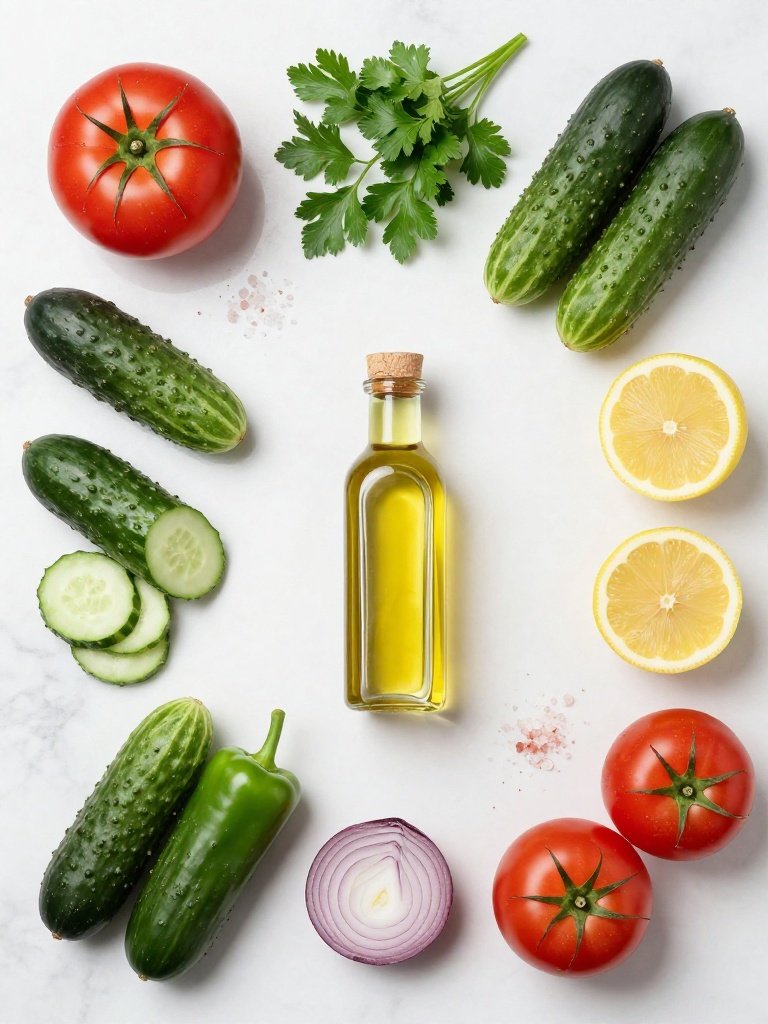
Turkish style salad ingredients stay refreshingly minimal, and that’s exactly the secret. You need ripe tomatoes, crisp cucumbers, a sweet onion, green bell pepper, fresh parsley, olive oil, lemon juice and salt. That’s genuinely it.
Shepherd salad ingredients list sometimes expands slightly depending on the region or the cook’s personal taste — a few people toss in a pinch of dried mint or sumac for extra brightness. Mediterranean shepherd salad traditions across Turkey, Greece and the Levant share overlapping ingredients, but the Turkish version leans harder into parsley and lemon than its neighbors typically do.
| Ingredient | Quantity | Purpose |
|---|---|---|
| Tomatoes | 3 medium | Base flavor and juiciness |
| Cucumbers | 2 medium | Crunch and freshness |
| Onion | 1 small | Sharp bite |
| Green bell pepper | 1 medium | Earthy crunch |
| Parsley | Half cup chopped | Herbal brightness |
| Olive oil | 3 tablespoons | Richness |
| Lemon juice | 2 tablespoons | Acidity |
Choosing the Right Tomatoes and Cucumbers for Maximum Freshness
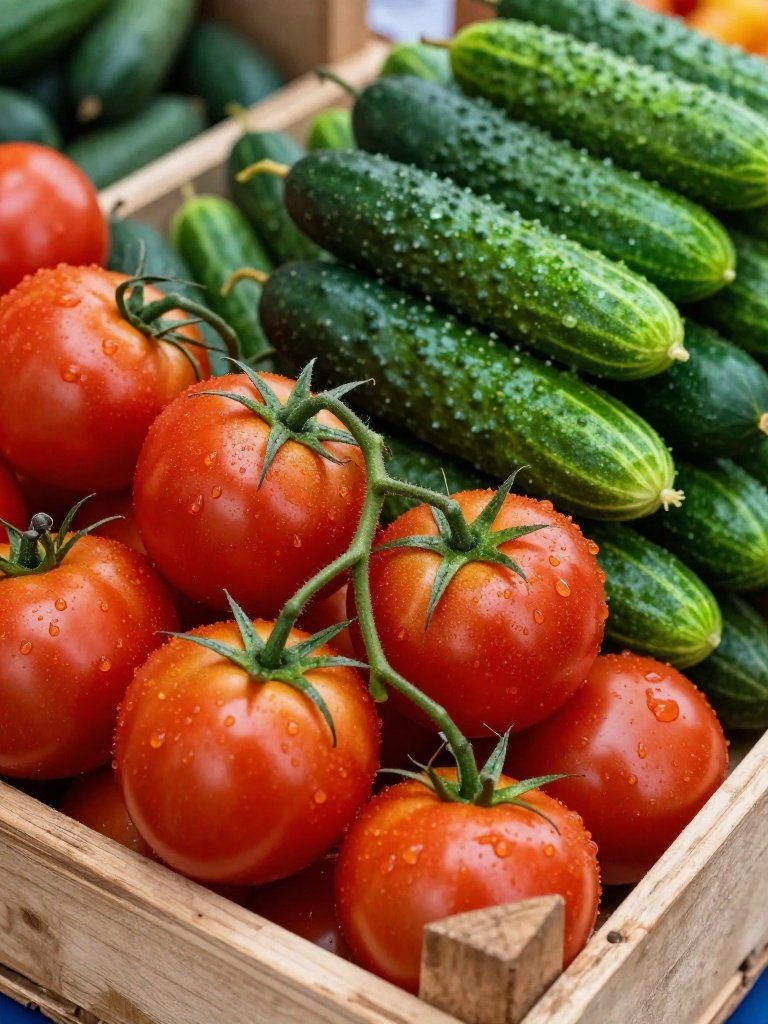
What is the best tomato for Turkish salad comes down to ripeness over variety. You want tomatoes that are firm but give slightly under gentle pressure, with deep color and a sweet smell at the stem. Underripe tomatoes turn the whole salad watery and bland.
For cucumbers, fresh cucumber tomato salad Turkish style works best with Persian or English cucumbers since they have thinner skin and fewer seeds. Avoid the thick-skinned, heavily seeded varieties found in standard grocery store bins — they water down the dressing and dull the overall crunch you’re looking for in every single bite.
The Knife Cut That Changes Everything: Dicing Like a Turkish Cook
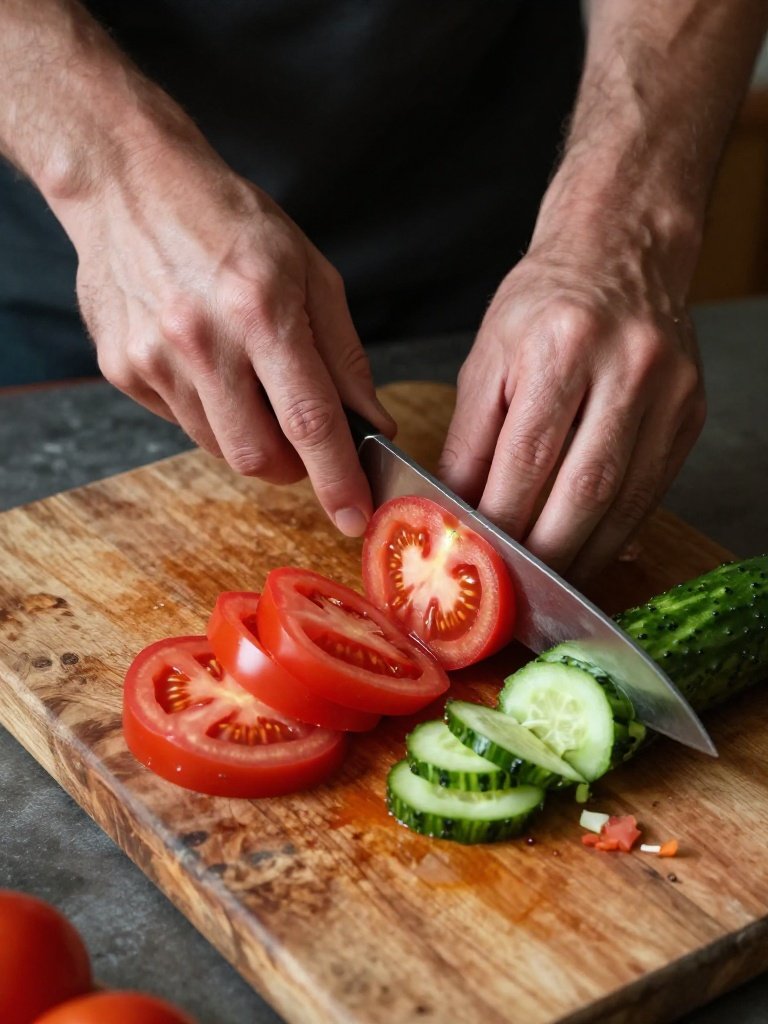
How to dice vegetables for Turkish salad matters way more than most home cooks realize. The traditional cut is small and uniform — roughly quarter-inch cubes — not the rough chop you’d use for a typical Western garden salad.
This tiny dice does something clever. It lets every forkful carry a perfect ratio of tomato, cucumber, onion and pepper instead of one giant chunk dominating the bite. Turkish village salad cooks often spend a solid five minutes just on knife work alone, treating the prep itself almost like a meditative ritual before the salad even gets tossed together.
The Simple Dressing Formula Behind Every Great Coban Salatasi
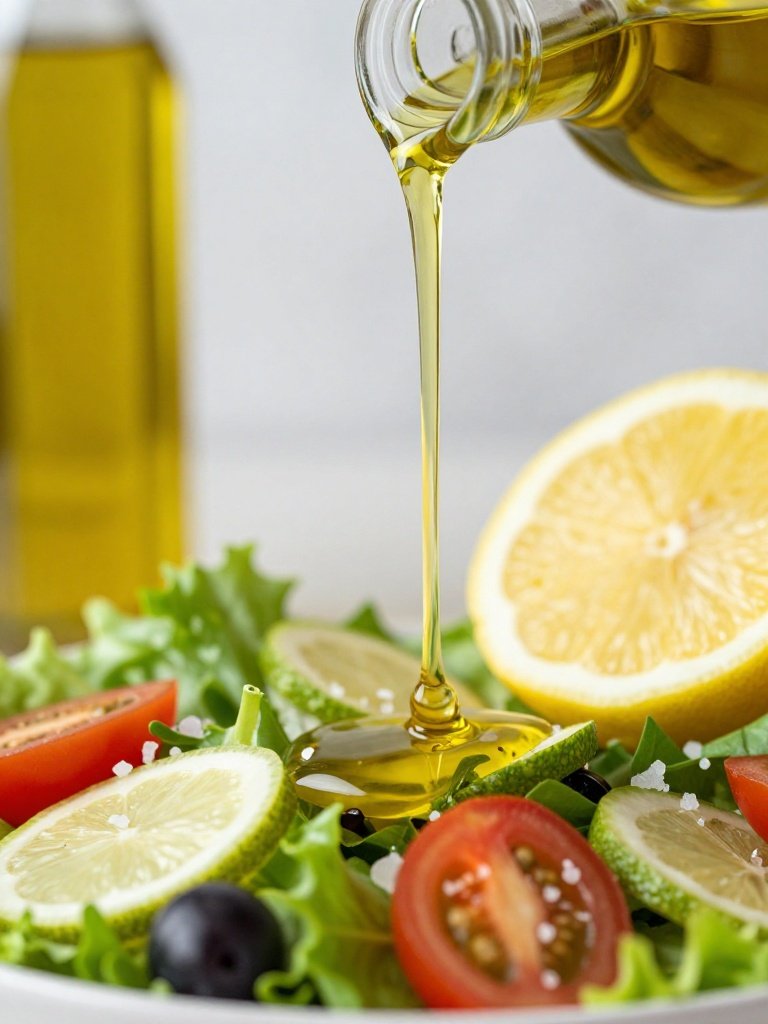
What dressing goes with shepherd salad stays wonderfully uncomplicated. Olive oil, fresh lemon juice and salt make up the entire formula. No vinegar, no sugar, no mustard sneaking into the mix.
Shepherd salad dressing ratios typically run three parts olive oil to two parts lemon juice, adjusted to taste. Shepherd salad lemon dressing brightness is what separates this dish from heavier Mediterranean salads loaded with creamy additions. How to make Turkish salad dressing from scratch really just means squeezing a lemon and reaching for good olive oil — there’s no trick recipe hiding behind it.
Step by Step Recipe for Making Turkish Shepherd’s Saladat Home
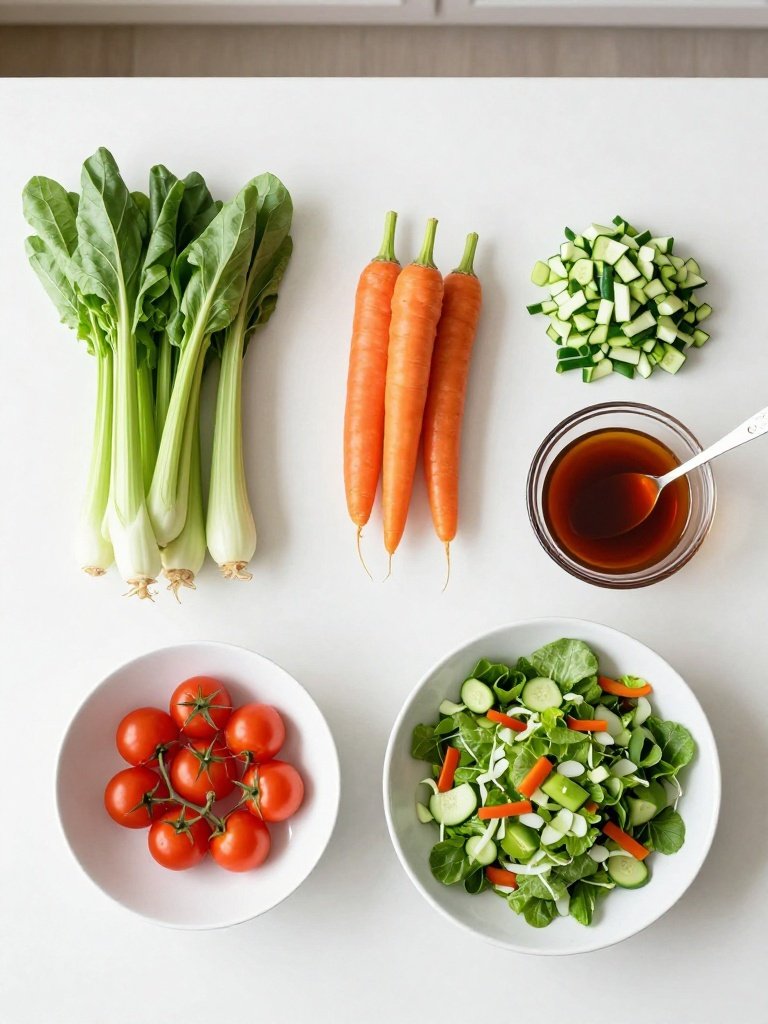
How to make Turkish shepherd salad starts with prepping all your vegetables first, since this dish comes together fast once everything’s diced. Dice the tomatoes, cucumbers, onion and pepper into small, even pieces and toss them into a large mixing bowl.
you may also like this:16 Tasty Cassava Flour Recipes You’ll Want to Make Every Week
Add the chopped parsley next, then drizzle the olive oil and lemon juice evenly across everything. Season with salt, give it all a gentle but thorough toss, and let it sit for five to ten minutes before serving. That short resting period allows the flavors to meld together, which is honestly the step most people skip and shouldn’t.
| Step | Action | Time |
|---|---|---|
| 1 | Dice all vegetables uniformly | 5–7 minutes |
| 2 | Chop parsley | 1 minute |
| 3 | Combine in bowl | 1 minute |
| 4 | Add oil, lemon, salt | 1 minute |
| 5 | Rest before serving | 5–10 minutes |
Common Mistakes That Ruin a Perfectly Good Shepherd’s Salad

The biggest mistake people make is cutting the vegetables too large. Chunky pieces throw off the texture balance and make the salad feel clumsy rather than refined. Another common slip is over-dressing — drowning the vegetables in olive oil instead of letting their natural juices shine through.
Salting too early is another quiet killer. Salt pulls moisture out of tomatoes and cucumbers almost immediately, so adding it too far ahead of serving time leaves you with a soggy, diluted mess. Authentic Turkish salad recipe traditions always salt right before serving, never during prep, to keep every bite crisp and vibrant.
Turkish Shepherd’s Salad Versus Greek Salad: What Sets Them Apart
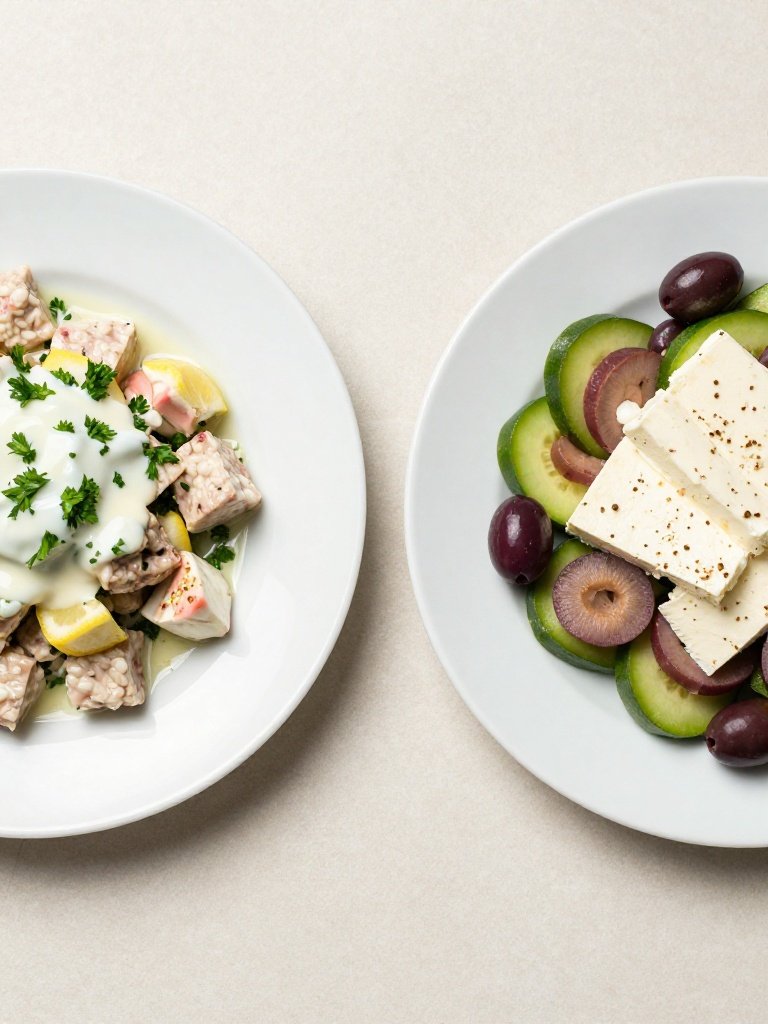
Is shepherd salad the same as Greek salad? Not quite, even though they share a few overlapping ingredients. Greek salad typically includes large chunks of feta, kalamata olives and bigger vegetable pieces, often dressed with red wine vinegar.
What makes Turkish salad different from regular salad like the Greek version comes down to texture and acidity. Turkish shepherd’s salad uses a fine dice, leans on lemon instead of vinegar, and traditionally skips olives entirely. The Greek version feels heartier and chunkier, while the Turkish take feels lighter, brighter and noticeably more refreshing on a hot day.
Adding Feta Cheese the Traditional Way Without Overpowering the Flavors
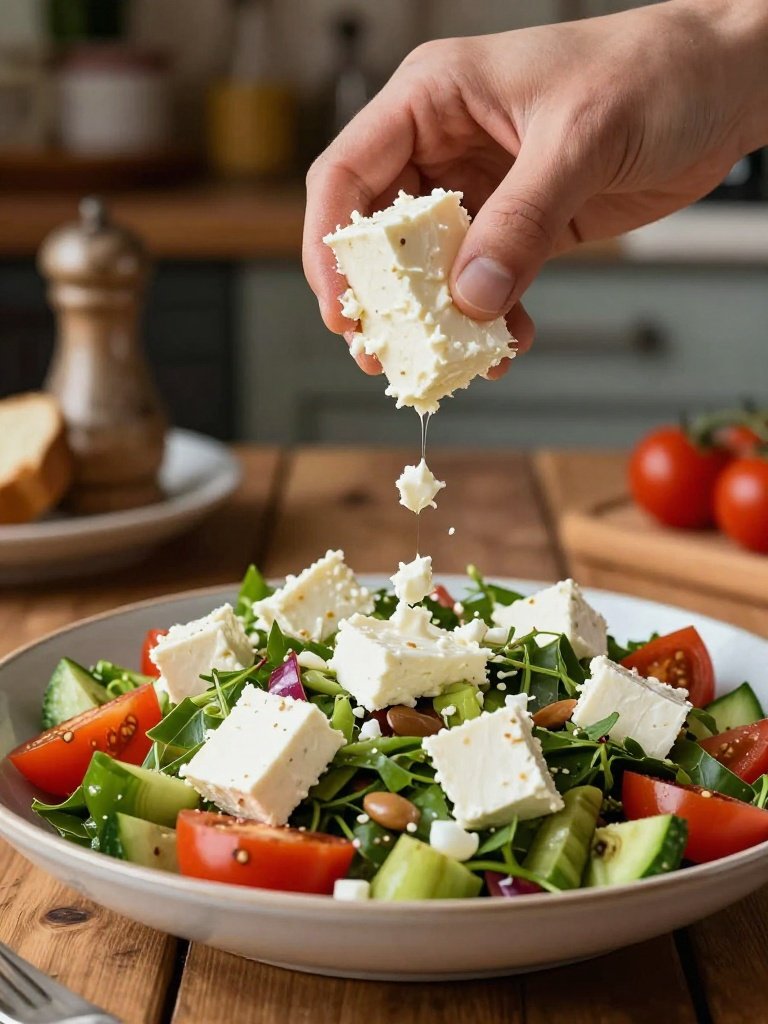
Turkish salad with feta isn’t part of the original shepherd salad recipe, but plenty of modern households add a light crumble on top anyway. Can you add cheese to shepherd salad? Absolutely, as long as you keep it minimal.
A small handful of crumbled feta, sprinkled right before serving rather than mixed in, adds a salty creaminess without burying the vegetable flavors underneath. How to make shepherd salad without feta simply means skipping this step entirely, which is exactly how most traditional households still prepare it today across rural Turkey.
Regional Variations Across Turkey Worth Trying at Least Once
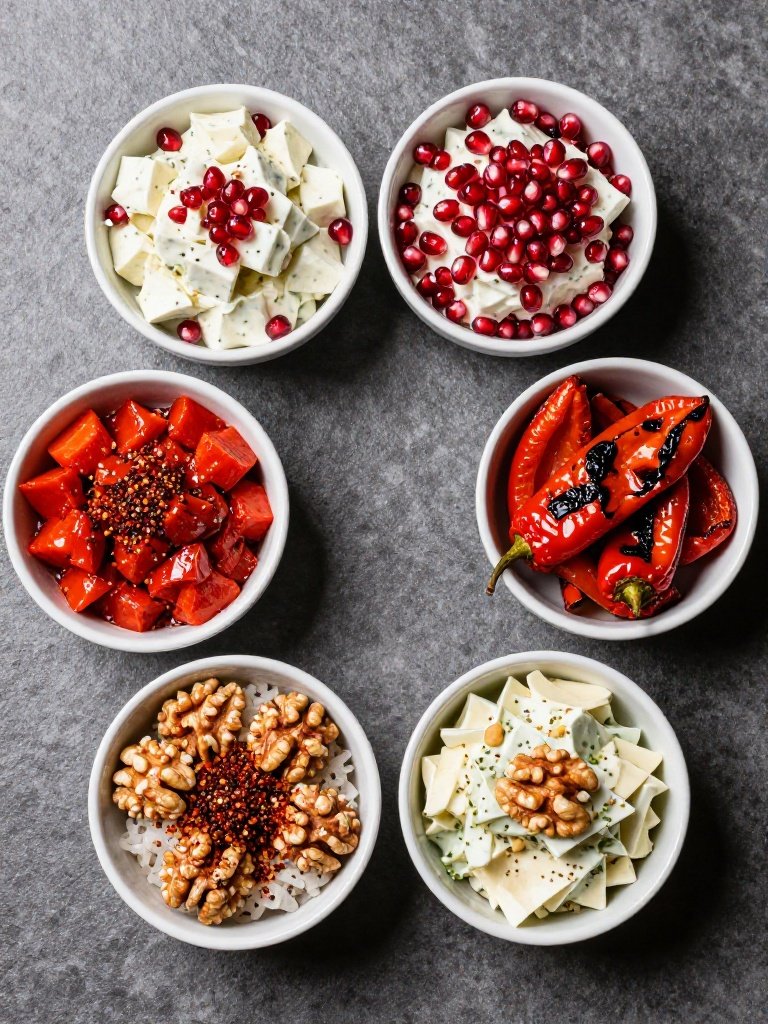
Travel from the Aegean coast to southeastern Turkey and you’ll notice this salad shifts personality depending on local produce and spice traditions. Turkish salad with pomegranate molasses shows up frequently in the southeast, adding a tangy sweetness that’s genuinely addictive once you try it.
Black Sea regions sometimes toss in a touch of dried red pepper flakes for warmth, while coastal areas near Izmir lean heavily into fresh herbs and extra lemon. Turkish bell pepper salad variations using roasted rather than raw peppers also pop up in certain households, giving the dish a smokier, deeper flavor profile worth experimenting with at home.
The Best Dishes to Pair With This Refreshing Turkish Classic

What to serve with Turkish shepherd salad opens up a wide and genuinely exciting range of options. Turkish salad for grilled meat pairings are the most classic combination — think grilled lamb kebabs, chicken skewers or even a simple grilled steak.
Beyond grilled proteins, this salad sits beautifully next to rice pilaf, lentil soup, or warm flatbread fresh off the griddle. Turkish appetizer salad traditions also place it right at the start of a meal, served alongside hummus, baba ganoush or a simple yogurt dip, letting its acidity wake up your appetite before heavier dishes arrive.
Making It Spicy: Adding Heat Without Losing the Salad’s Balance

How to make shepherd salad spicy without overwhelming the dish takes a light touch. A small amount of finely diced jalapeño or a pinch of red pepper flakes works far better than dumping in hot sauce, which throws off the delicate oil-and-lemon balance entirely.
Some cooks prefer using Turkish pul biber, a mild but flavorful red pepper flake, sprinkled in right alongside the salt. This keeps the heat subtle and earthy rather than sharp and overpowering, letting the spice complement the vegetables instead of completely taking over the entire flavor profile.
How to Keep Shepherd’s Salad Fresh and Crisp for Longer

How long does shepherd salad last in fridge depends heavily on whether it’s already dressed. Undressed, diced vegetables stored separately in an airtight container stay fresh for up to two days. Once dressed, you’re really looking at same-day consumption for the best texture.
How to store leftover Turkish shepherd salad properly means keeping it in a sealed container in the coldest part of your fridge, away from the door where temperature fluctuates most. If you know you won’t finish it quickly, store the dressing separately and only combine portions right before eating.
A Healthier Take on Turkish Shepherd’s Salad Without Losing Flavor
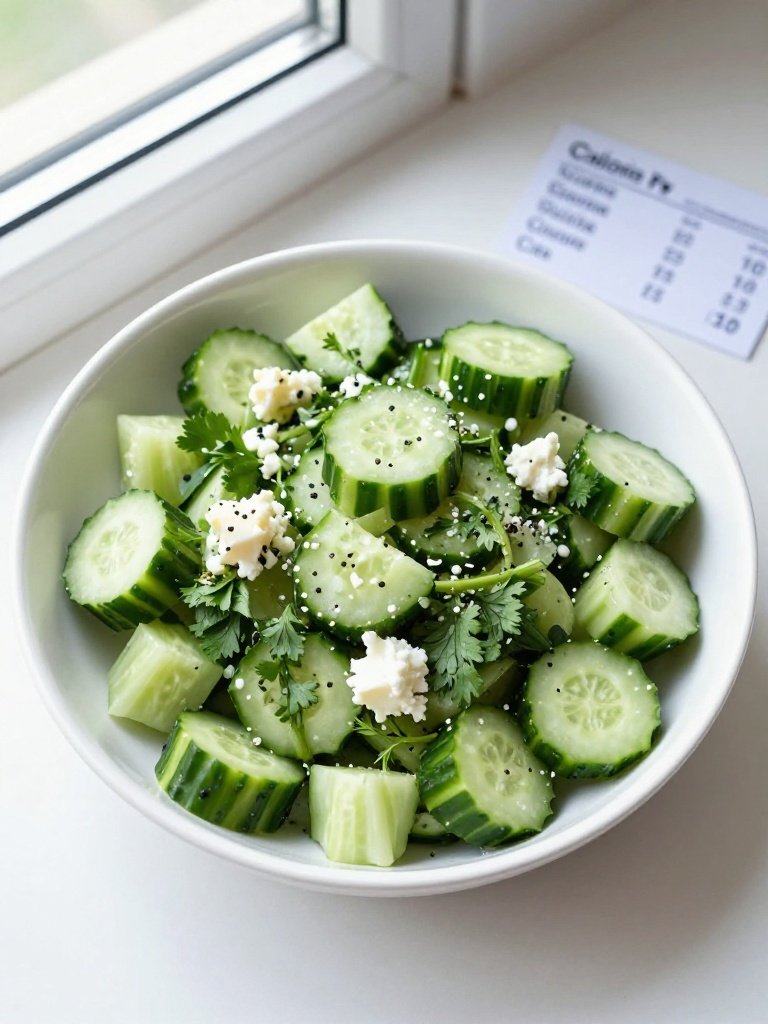
This salad is already remarkably light, but a few small swaps can make it even more nutrient-dense. Adding extra parsley boosts vitamin K and antioxidant content significantly without changing the overall taste profile much at all.
Swapping regular salt for a smaller pinch of sea salt, or reducing the olive oil slightly while increasing lemon juice, cuts calories without sacrificing that signature bright finish. Simple Turkish salad recipe versions built for health-conscious eaters often add diced radish for extra crunch and fiber, giving the whole dish an even fresher edge.
Pomegranate Molasses and Sumac: The Secret Flavor Boosters
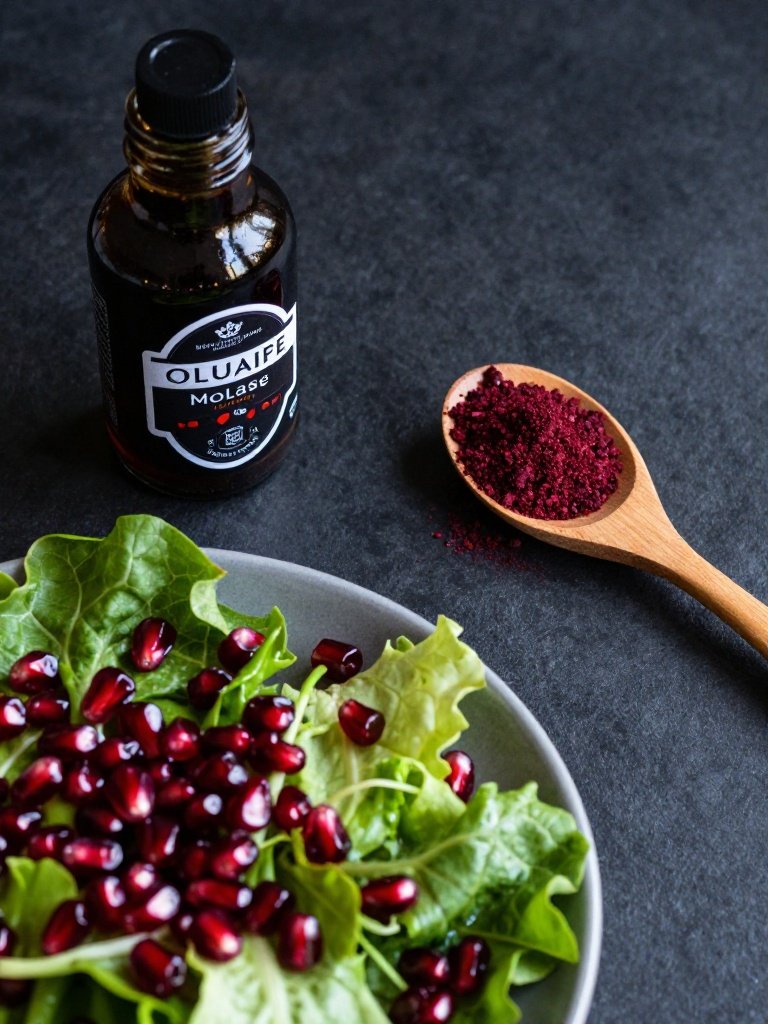
Turkish salad with sumac brings a tangy, slightly fruity sourness that intensifies the lemon’s brightness rather than competing with it. Just a light dusting transforms an already great salad into something noticeably more complex.
Turkish salad with pomegranate molasses adds a completely different dimension — sweet, sticky and deeply tangy all at once. Drizzle just a teaspoon over the finished salad rather than mixing it directly into the dressing, since its concentrated flavor can easily overpower the more delicate vegetable notes if you’re not careful with quantity.
Turkish Shepherd’s Salad for Meal Prep and Weekly Lunches
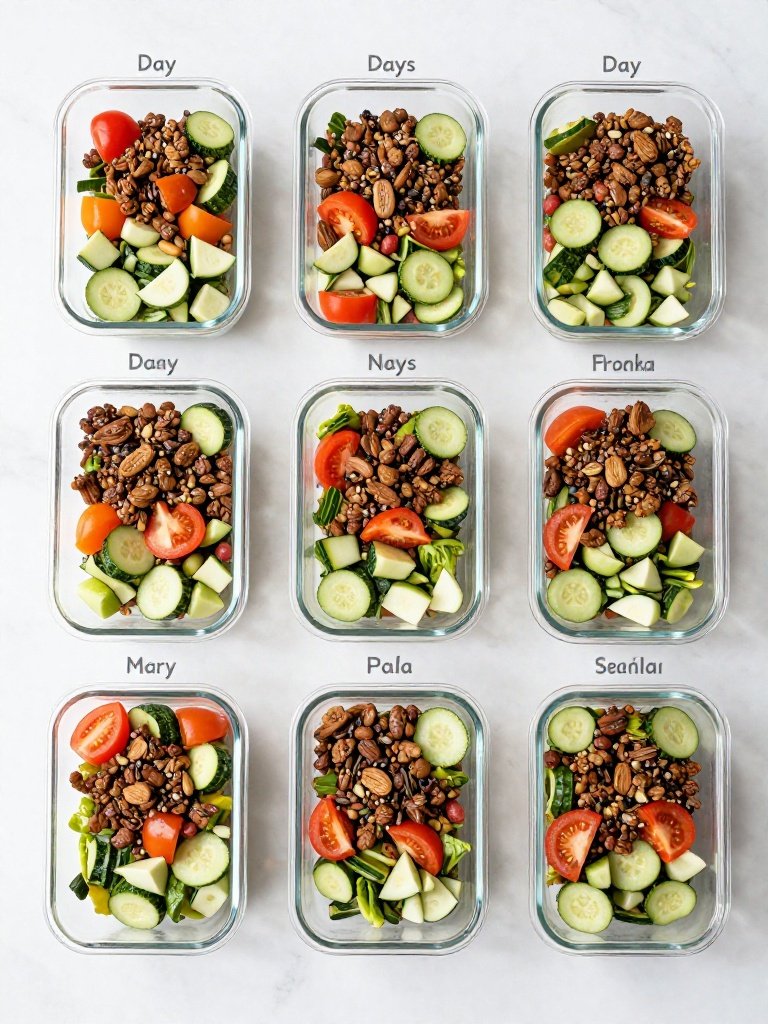
This salad fits beautifully into a weekly meal prep routine, as long as you handle the dressing strategically. Dice all your vegetables in bulk on a Sunday, store them in separate containers, and portion out the oil and lemon mixture in small individual containers alongside them.
Mediterranean cucumber salad recipe meal prep fans often pair this with grilled chicken or chickpeas for a complete, protein-packed lunch that holds up well through the workweek. Just remember to combine everything fresh each day rather than pre-mixing the whole batch, keeping every portion crisp instead of soggy by Wednesday.
Frequently Asked Questions About Turkish Shepherd’s Salad
Q1. What is the difference between Turkish shepherd salad and Greek salad?
Turkish shepherd’s salad uses a finer dice, lemon-based dressing and typically skips olives and large feta chunks. Greek salad leans chunkier, uses vinegar-based dressing and almost always includes olives and bigger feta pieces as core components.
Q2. Can I make shepherd’s salad ahead of time?
You can dice the vegetables ahead of time and store them separately in airtight containers for up to two days. However, avoid dressing the salad until just before serving, since the lemon and salt will draw out moisture and soften the crunch you want.
Q3. What is the traditional dressing for Turkish shepherd’s salad?
The traditional dressing is simply olive oil, fresh lemon juice and salt, mixed in roughly a three-to-two ratio of oil to lemon. No vinegar, sugar or creamy additions belong in the authentic version of this dressing.
Q4. Is Turkish shepherd’s salad vegan?
Yes, in its traditional form this salad is entirely vegan, made only from vegetables, herbs, olive oil and lemon. It only stops being vegan if you choose to add feta cheese, which is an optional modern addition rather than part of the original recipe.
Q5. What main dishes pair best with shepherd’s salad?
Grilled meats like lamb kebabs, chicken skewers and steak pair wonderfully with this salad’s bright acidity. It also works beautifully alongside rice pilaf, lentil soup, hummus or warm flatbread as part of a larger Mediterranean-style spread.
Q6. Can I add cheese to Turkish shepherd’s salad?
Yes, a light crumble of feta cheese sprinkled on top right before serving is a popular modern addition. Just keep the quantity small so it doesn’t overpower the fresh vegetable flavors that make this salad special in the first place.
Q7. How long does Turkish shepherd’s salad stay fresh in the fridge?
Undressed and stored properly in an airtight container, the diced vegetables stay fresh for about two days. Once dressed with oil and lemon, the salad is best eaten the same day for optimal crunch and flavor.
Conclusion
Turkish shepherd’s salad proves that the best food doesn’t need to be complicated to be unforgettable. A handful of fresh vegetables, a splash of lemon and good olive oil come together into something that genuinely tastes like sunshine on a plate. Whether you’re pairing it with grilled meat, meal prepping for the week, or just craving something light and bright, this salad delivers every single time.
Give it a try this weekend. Dice your vegetables small, keep the dressing simple, and taste the difference that comes from doing fewer things really well.