15 Mushroom Stroganoff: The Creamy Comforting Bowl You Will Crave Every Single Week
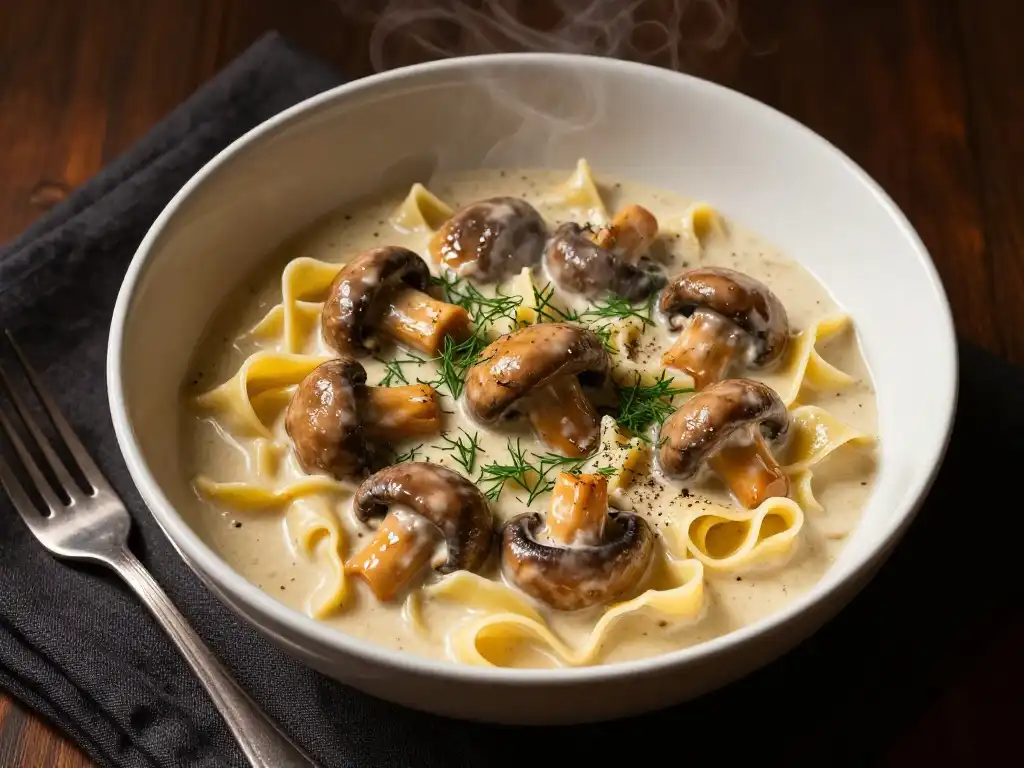
There are dinners you cook and dinners you crave. Mushroom stroganoff falls decisively into the second category. It’s the kind of dish that fills your kitchen with an aroma so deeply savory — garlic softening in butter, mushrooms releasing their earthy liquid, cream thickening into something silky and rich — that everyone in the house appears in the kitchen before you’ve even called them to the table. This recipe has fed families across continents for over a century. And the meatless version — built entirely around mushrooms — has earned its own devoted following among vegetarians, vegans, meat-eaters-on-a-Monday, and anyone who has discovered that an expertly cooked mushroom can deliver as much satisfaction as any protein in the kitchen.
What Is Mushroom Stroganoff and Why It Beats the Original Every Time
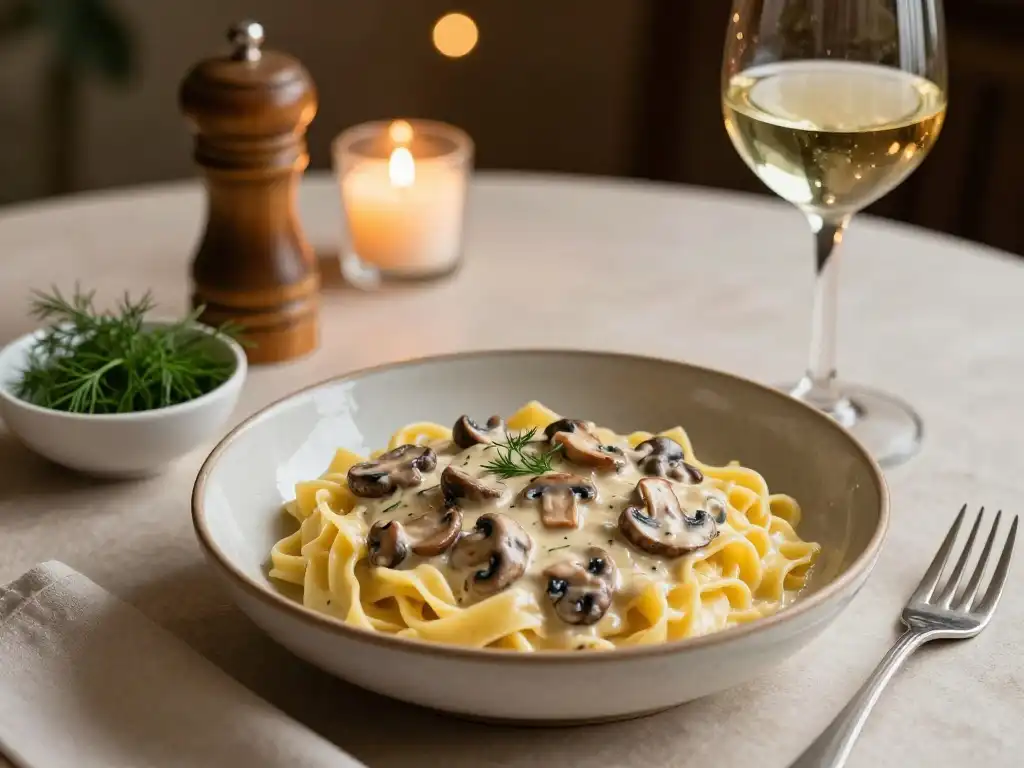
Mushroom stroganoff is the vegetarian adaptation of beef stroganoff — a classic Russian dish originating in mid-19th century Russia, where sautéed beef strips were served in a sauce of sour cream and mustard over egg noodles. The mushroom version replaces the beef with mushrooms while preserving the dish’s essential character: a deeply savory, creamy sauce with a tangy, slightly acidic brightness that cuts through the richness. Vegetarian mushroom stroganoff achieves something remarkable — it delivers a genuinely satisfying, meaty-feeling meal without any meat whatsoever.
What makes mushroom stroganoff taste like the original is understanding what beef actually contributed to the original dish: umami, texture, and a savory depth that sour cream and mustard then balanced with tang and creaminess. Mushrooms — particularly cremini, shiitake, and portobello varieties — contain the same glutamate compounds that make beef so savory. They provide substantial, satisfying texture. And they absorb the surrounding sauce flavors while contributing their own complex earthiness that beef, interestingly, doesn’t replicate in reverse. Many home cooks who make this dish for meat-eating partners report genuine surprise — one reader from Jessica in the Kitchen shares: “Who needs the beef?! Not you! It’s packed with umami flavour, rich and creamy, and super satisfying. It’s a cozy recipe you’ll make again and again!”
Why Mushroom Stroganoff Is the Ultimate Comfort Food for Every Season
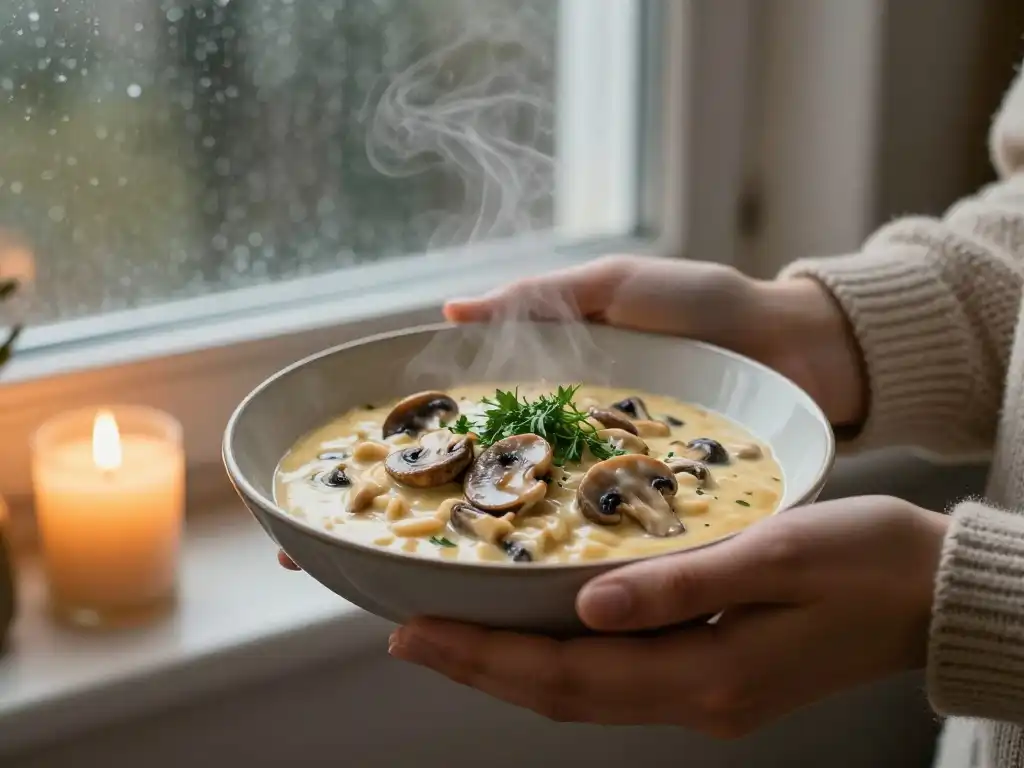
Mushroom stroganoff comfort food status comes from a combination of factors that food scientists and chefs both understand: warm serving temperature, creamy texture, complex savory flavor, and the specific psychological associations that pasta and cream sauces carry in American food culture. There’s a neurological reason why creamy pasta dishes feel comforting — the combination of complex carbohydrates, fats, and umami compounds triggers dopamine pathways in measurable ways. Easy mushroom stroganoff recipe preparations that come together in 25 to 30 minutes make this comfort accessible on any weeknight without requiring weekend-level cooking investment.
Unlike beef stroganoff — which feels seasonally specific, most at home in autumn and winter — mushroom stroganoff with pasta transitions across all four seasons with unusual ease. Served over egg noodles with heavy cream in January, it’s a warming bowl of comfort against the cold. Made with coconut milk and served over rice in July, it becomes a lighter but equally satisfying summer dinner. The mushroom’s neutral seasonal profile — available fresh year-round at every American grocery store — combined with an adaptable sauce base makes this the rare comfort dish that genuinely works in every month of the year.
Exact Ingredients You Need for the Best Mushroom Stroganoff Recipe
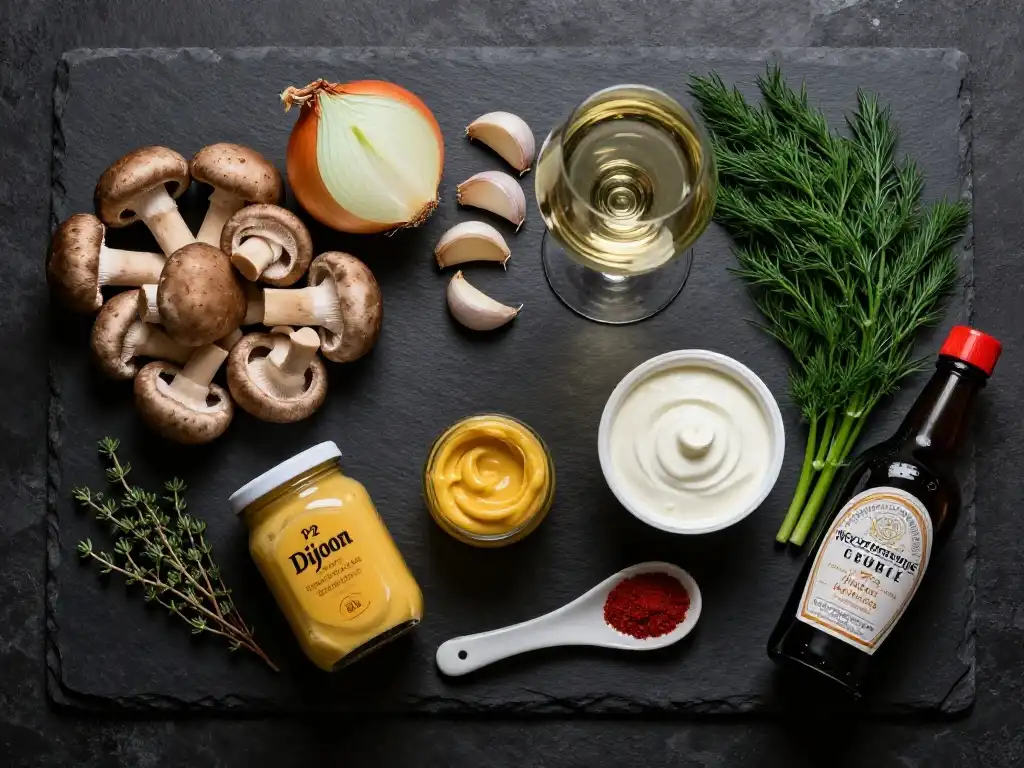
What ingredients do you need for mushroom stroganoff that consistently delivers restaurant-quality results at home? The base recipe works across both dairy and dairy-free versions — the cooking technique and aromatics remain identical while only the cream source changes. Here is the complete ingredients list for a standard batch serving four people.
| Ingredient | Amount | Function | Best Option |
|---|---|---|---|
| Mixed mushrooms | 1 to 1.5 lbs | Main body, umami, texture | Cremini + shiitake combination |
| Yellow onion | 1 large, diced | Aromatic base | Yellow or sweet onion |
| Garlic cloves | 4 cloves, minced | Flavor depth | Always fresh — never powder |
| Vegan or dairy butter | 2 tablespoons | Sautéing fat, richness | Miyoko’s vegan or unsalted dairy |
| Flour | 2 tablespoons | Sauce thickening (roux) | All-purpose, oat, or GF blend |
| Dry white wine | ¼ cup | Deglazing, depth | Sauvignon Blanc or Pinot Grigio |
| Vegetable broth | 1 to 1.5 cups | Sauce liquid base | Low-sodium preferred |
| Sour cream or vegan equivalent | ½ to ¾ cup | Tang, creaminess | Full-fat for best texture |
| Dijon mustard | 1 tablespoon | Brightness, balance | Whole grain or smooth |
| Worcestershire sauce | 1 teaspoon | Umami depth | Vegan version for plant-based |
| Smoked paprika | 1 teaspoon | Color, warmth | Hungarian smoked paprika best |
| Fresh thyme | 1 teaspoon leaves | Herbal depth | Fresh — not dried if possible |
| Sea salt and black pepper | To taste | Flavor foundation | Fine sea salt |
| Fresh dill or parsley | For garnish | Freshness, color | Fresh dill preferred |
Best Mushrooms to Use for the Deepest Most Savory Stroganoff Flavor
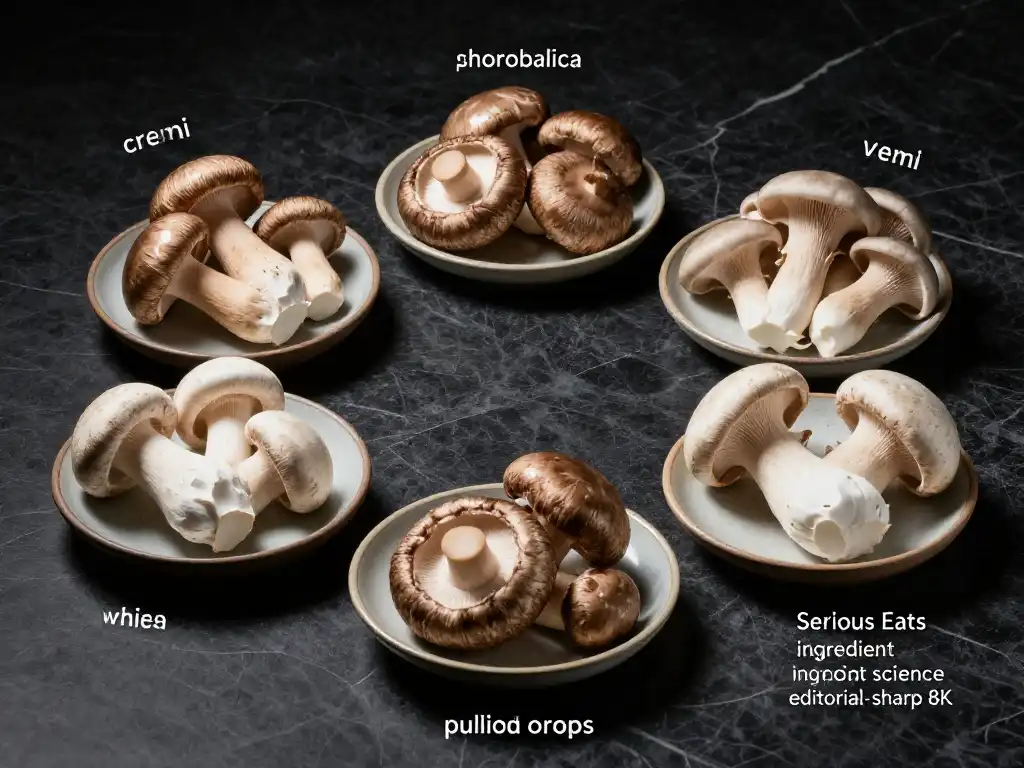
What mushrooms are best for stroganoff? The single most impactful upgrade you can make to any mushroom stroganoff recipe is using a combination of varieties rather than one type alone. Mushroom stroganoff with mixed mushrooms delivers dramatically more complex, layered umami flavor than a single-variety dish because different mushroom species contain different ratios of glutamate compounds, different textural qualities, and different flavor compounds that combine synergistically rather than simply adding together.
you may also like this:14 Chickpea Fritters That Are Crispy Outside Tender Inside and Totally Addictive
The most effective combinations for American home kitchens, where availability and cost both matter, include: cremini (baby bella) as the base — widely available, meaty texture, moderate umami; shiitake for deep forest-floor earthiness and intense umami from their naturally high glutamate content; mushroom stroganoff with portobello mushrooms adds dramatic, steak-like chunks with a robust, almost smoky character; oyster mushrooms contribute a silkier, more delicate texture that balances the denser varieties. According to Rainbow Plant Life, the key technique for maximum flavor is cooking mushrooms in two batches — a first batch cooked until deeply golden and crispy, set aside as a garnish, and a second batch cooked in the sauce. This creates textural contrast between the silky sauce-coated mushrooms inside the dish and the crispy garnish mushrooms on top.
| Mushroom Variety | Flavor Profile | Texture | Best Role in Dish |
|---|---|---|---|
| Cremini (Baby Bella) | Mild, earthy, balanced | Firm and meaty | Base — use most of these |
| Shiitake | Deep, forest, intense umami | Chewy and substantial | Flavor booster — use ¼ of total |
| Portobello | Robust, steak-like, smoky | Very firm and meaty | Chunky texture and drama |
| Oyster | Delicate, subtly sweet | Silky and tender | Textural contrast |
| White Button | Mild and neutral | Soft when cooked | Budget option — less flavor |
| Porcini (dried) | Intensely earthy and complex | Reconstituted — tender | Add soaking liquid to broth |
How to Make Mushroom Stroganoff Step by Step in One Pan
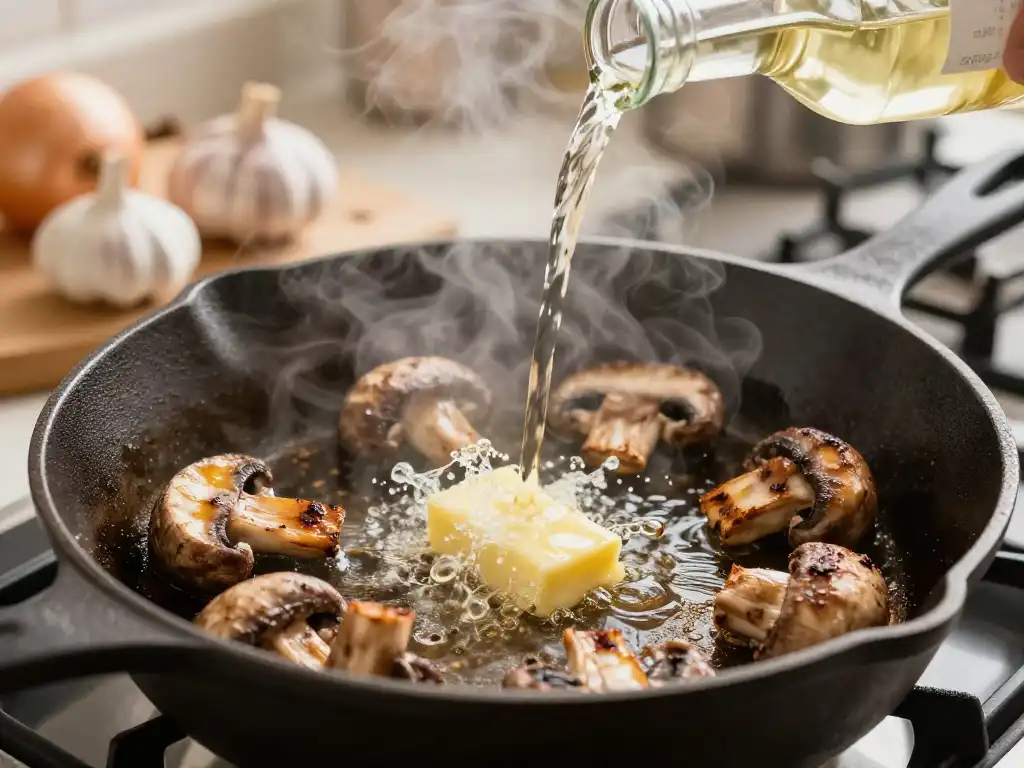
How to make mushroom stroganoff perfectly in one pan follows a sequence where every step builds the next layer of flavor intentionally. Start by bringing a large pot of heavily salted water to a boil for the pasta — this runs concurrently with the sauce preparation. In a large, wide skillet or Dutch oven, melt butter over medium-high heat until it begins to foam. Add the diced onion and cook for 4 to 5 minutes, stirring occasionally, until soft and beginning to turn golden at the edges. Add the minced garlic and cook for exactly 60 seconds — long enough to bloom but not long enough to burn.
How to make mushroom stroganoff in one pot continues by adding the mushrooms to the pan in a single layer as much as possible — which requires working in two batches if your pan isn’t wide enough. This is the most important technique in the entire recipe. According to Jessica in the Kitchen, cook mushrooms until browned and their liquid has evaporated — about 7 to 8 minutes — before adding any liquid to the pan. Adding liquid before the mushrooms properly brown produces a steamed, pallid, flavorless result rather than the deeply golden, concentrated-flavor mushrooms that define a great stroganoff. Once browned, sprinkle flour over the mushrooms and stir to coat evenly — cook 1 minute. Gradually add the white wine, then the vegetable broth, stirring constantly. Add Dijon mustard, Worcestershire, smoked paprika, and thyme. Simmer 3 to 5 minutes until thickened. Remove from heat and stir in sour cream. Taste and season. Serve immediately over cooked pasta with fresh dill and a crack of black pepper.
The Secret to Making Mushroom Stroganoff Incredibly Thick and Creamy
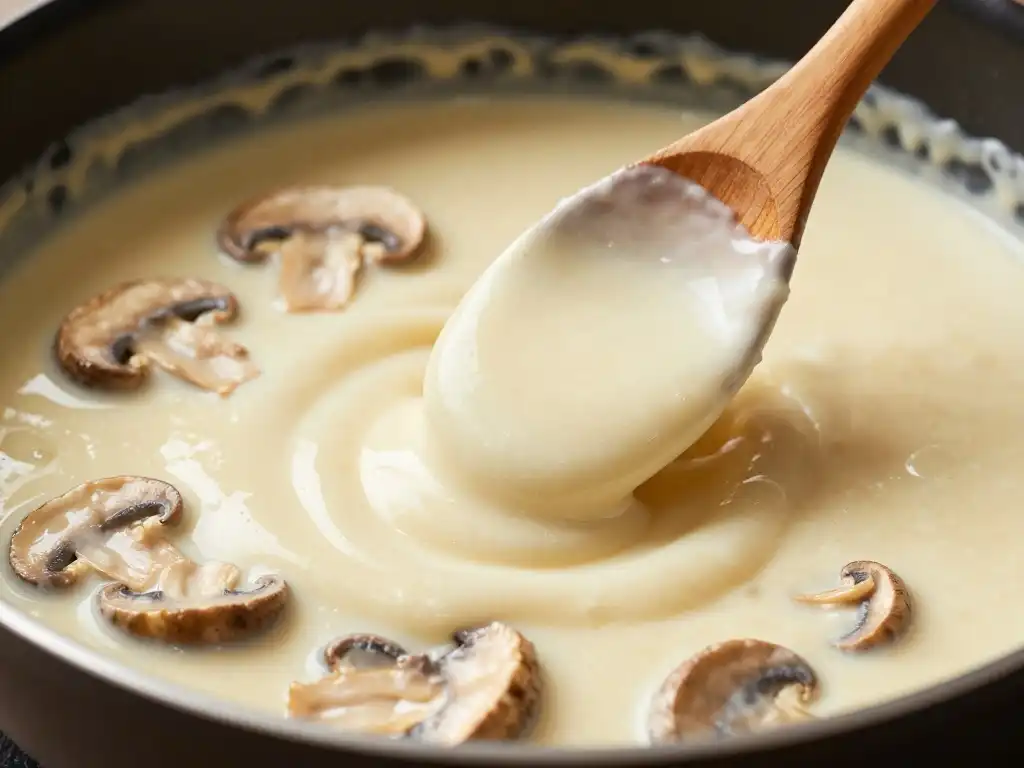
How to make mushroom stroganoff thicker when the sauce is too thin relies on three reliable techniques depending on your dietary requirements. The first and most traditional: a flour-based roux created by sprinkling flour directly over the sautéed mushrooms before adding liquid. Two tablespoons of flour per pound of mushrooms creates a thick, velvety sauce that holds its consistency perfectly. The second option: a cornstarch slurry — 1 tablespoon of cornstarch dissolved in 2 tablespoons of cold water, whisked into the simmering sauce — thickens rapidly and creates a particularly glossy finish. The third option: reduce the sauce further by simmering uncovered for 5 additional minutes.
Can you make mushroom stroganoff without sour cream while maintaining the creamy texture? Absolutely — and several substitutes work brilliantly. Mushroom stroganoff with cream cheese — 2 to 3 ounces of softened cream cheese stirred into the sauce — creates an exceptionally thick, rich result with a slightly denser mouthfeel than sour cream. Mushroom stroganoff with heavy cream produces the most luxurious, pourable sauce — add ¼ cup of heavy cream in the final 2 minutes of cooking. According to The Picky Eater, plain dairy-free yogurt works as a secret ingredient for a silky, rich texture without any cream — the higher the fat content of the yogurt, the creamier the finished dish. The critical technique regardless of cream source: add it off the heat or over the lowest possible heat setting. Sour cream, yogurt, and cream cheese all curdle when boiled — remove the pan from direct heat before they go in.
How to Make Vegan Mushroom Stroganoff Without Sacrificing Any Creaminess
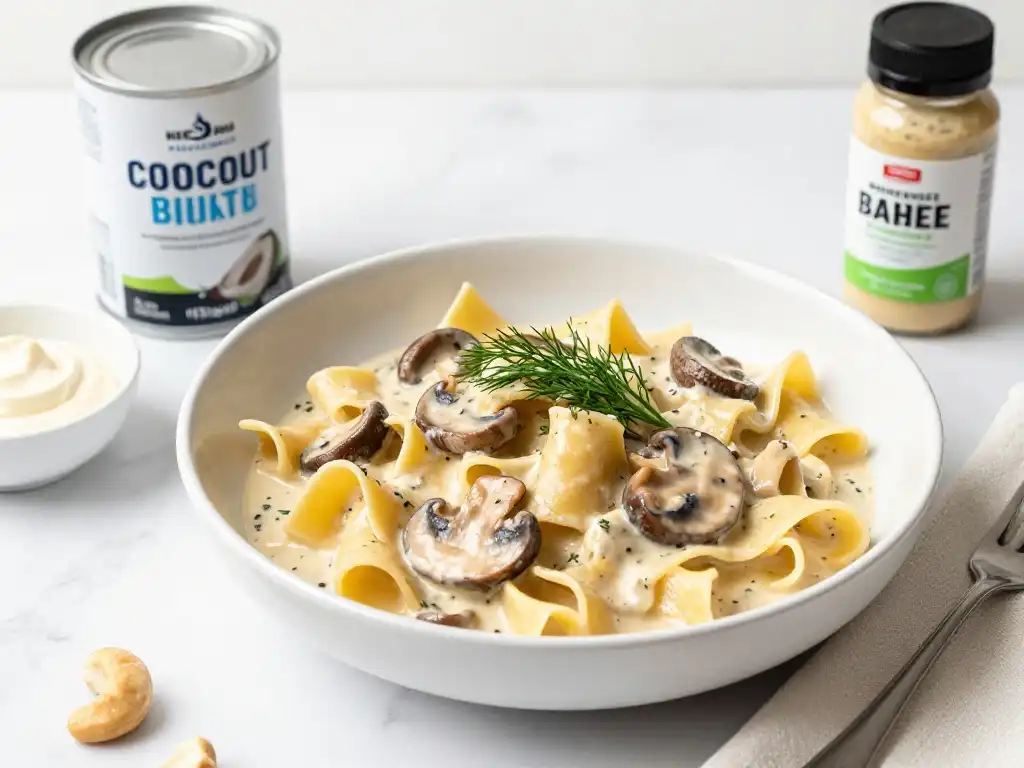
How to make vegan mushroom stroganoff that non-vegans genuinely prefer over the original requires choosing the right dairy substitute — because not all vegan cream sources perform equally in hot sauce applications. Full-fat coconut milk is the most reliable choice for beginners: it creates a rich, thick, creamy sauce that withstands heat perfectly and adds a subtle sweetness that complements the savory mushroom flavor beautifully. Cashew cream — raw cashews soaked overnight, blended with water and apple cider vinegar until completely smooth — produces the most neutral-tasting, genuinely dairy-like result and is widely regarded as the superior choice for maximum flavor authenticity.
Mushroom stroganoff dairy free versions also benefit from building umami through additional ingredients that compensate for the absence of dairy’s inherent richness. Nutritional yeast — 2 to 3 tablespoons stirred into the sauce — adds a warm, nutty, almost cheesy depth alongside B vitamins including B-12 that’s often lacking in plant-based diets. Tamari or soy sauce adds concentrated savory depth. A finishing squeeze of lemon juice or a splash of Dijon mustard adds the bright acidic note that sour cream provides in the traditional version. According to Rainbow Plant Life, adding Dijon mustard perks up the flavors with a sharp tang that balances the richness — making it the most important finishing ingredient in the vegan version. Fresh dill transforms the dish from good to genuinely spectacular — its anise-adjacent brightness works in this dish the way cilantro works in Mexican cooking.
How to Make Gluten Free Mushroom Stroganoff That Tastes Completely Normal
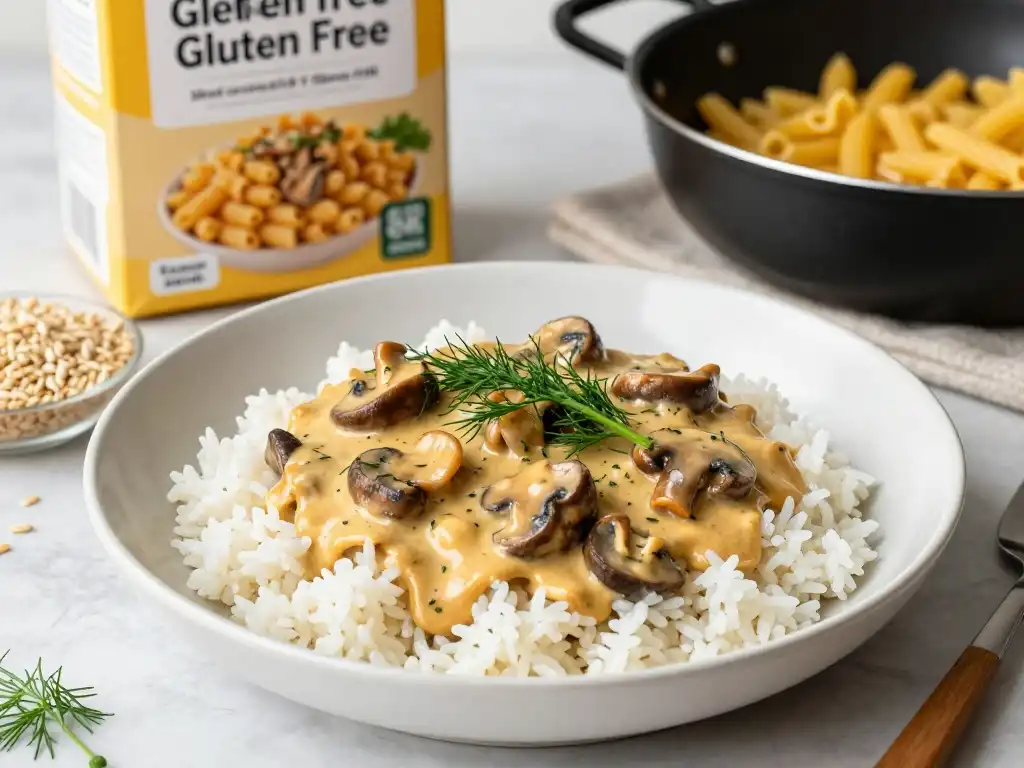
How to make mushroom stroganoff gluten free that genuinely tastes identical to the wheat-flour version requires only two substitutions — both simple and both available at any American grocery store. Replace all-purpose flour in the sauce with an equal amount of brown rice flour, oat flour (certified GF), or cornstarch. Brown rice flour and oat flour create roux-style thickening identically to wheat flour — same process, same ratio, same result. Cornstarch requires a slurry approach (dissolve in cold water before adding) but creates a noticeably silkier, glossier sauce texture. Serve over your preferred mushroom stroganoff gluten free pasta — brown rice pasta, chickpea pasta, or lentil pasta all work well and add additional protein alongside the mushrooms.
Mushroom stroganoff with egg noodles is the classic serving choice — but egg noodles are not gluten-free. For GF versions, the most satisfying alternatives are: wide rice noodles, which replicate egg noodle width and softness most closely; brown rice fettuccine from brands like Jovial or Tinkyada; or serving entirely without pasta over creamy mashed potatoes, cauliflower mash, or fluffy cooked rice. According to Simple Veganista, using oat flour and serving over rice or mashed potatoes creates a fully gluten-free, grain-free dinner option that is genuinely as satisfying as the pasta-based original.
Best Pasta and Noodles to Serve With Mushroom Stroganoff
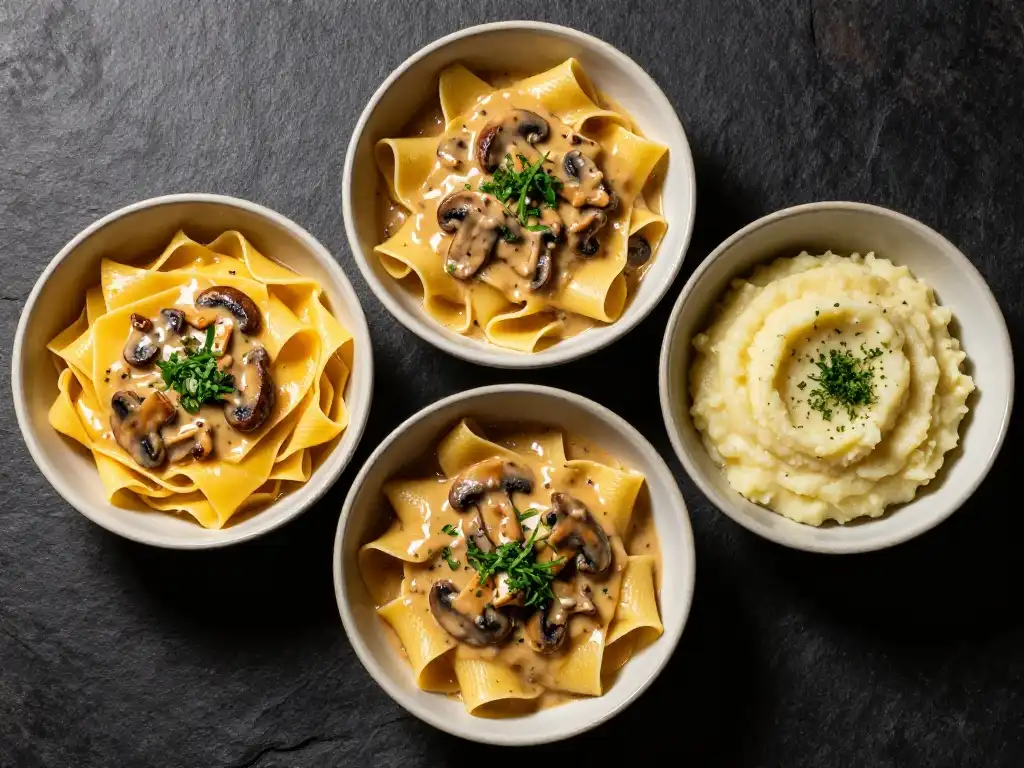
What pasta goes best with mushroom stroganoff? The structural logic is simple: the pasta needs to hold the thick, creamy sauce rather than letting it slide off. Wide, flat, or twisted pasta shapes with surface texture capture more sauce per bite than smooth, narrow shapes. Traditional beef stroganoff serves over wide egg noodles — and for good reason. Their broad, ruffled surface area catches creamy sauce in every fold. Mushroom stroganoff with egg noodles remains the most authentic and most satisfying serving choice for dairy-based versions.
For mushroom stroganoff with pasta served with a vegan sauce, egg-free wide pasta shapes work perfectly — tagliatelle, pappardelle, cavatappi (corkscrew), fusilli, or wide rigatoni all capture sauce beautifully. Tagliatelle and pappardelle most closely replicate the egg noodle experience in width and texture. For those avoiding pasta entirely, mushroom stroganoff with rice — specifically a short-grain or jasmine rice that absorbs the sauce without releasing excessive starch — creates a completely different but equally satisfying dish. Mashed potatoes deserve special mention: serving stroganoff over creamy mashed potatoes creates perhaps the most indulgent, most deeply comforting version available, with two complementary creamy textures combining in every spoonful.
How to Add White Wine and Fresh Herbs for a Restaurant Level Flavor
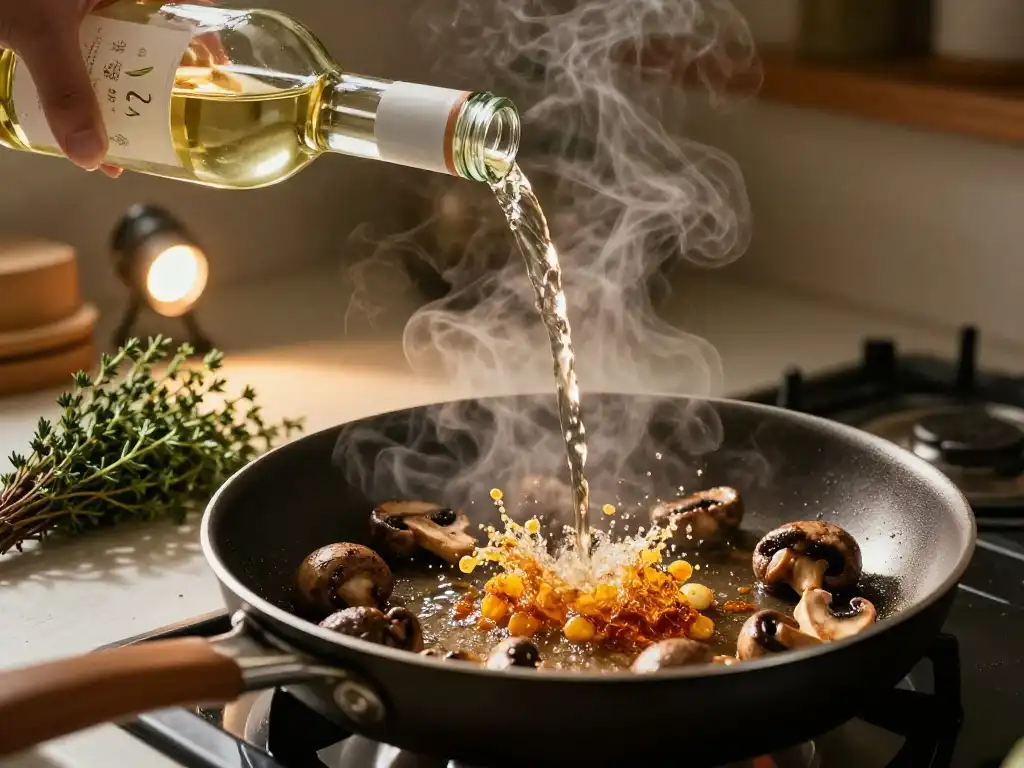
What wine goes with mushroom stroganoff as a cooking ingredient rather than a pairing? A dry white wine — Sauvignon Blanc, Pinot Grigio, or unoaked Chardonnay — deglazes the pan after the mushrooms have browned, lifting all the fond (the caramelized brown bits stuck to the pan’s surface) and incorporating its concentrated flavor into the sauce. This single step adds remarkable complexity. The alcohol cooks off completely within 2 to 3 minutes of simmering — leaving behind the wine’s fruit acids and flavor compounds without any alcoholic taste in the finished dish.
Mushroom stroganoff with white wine is standard in restaurant kitchens precisely because of what it adds — but if you don’t consume alcohol, you can substitute ¼ cup of vegetable broth plus 1 tablespoon of white wine vinegar for similar acidity and deglazing effectiveness. Mushroom stroganoff with thyme builds herbal warmth throughout the sauce’s cooking time — add fresh thyme sprigs directly to the simmering liquid and remove the stems before serving, or use picked leaves that stay in the finished dish. What herbs go best in mushroom stroganoff? Thyme during cooking for warmth, and fresh dill as a finishing garnish for brightness — this combination creates the most authentic, most complex flavor profile. Fresh parsley works beautifully as a second garnish option if dill isn’t available.
What to Serve With Mushroom Stroganoff for a Complete Satisfying Meal
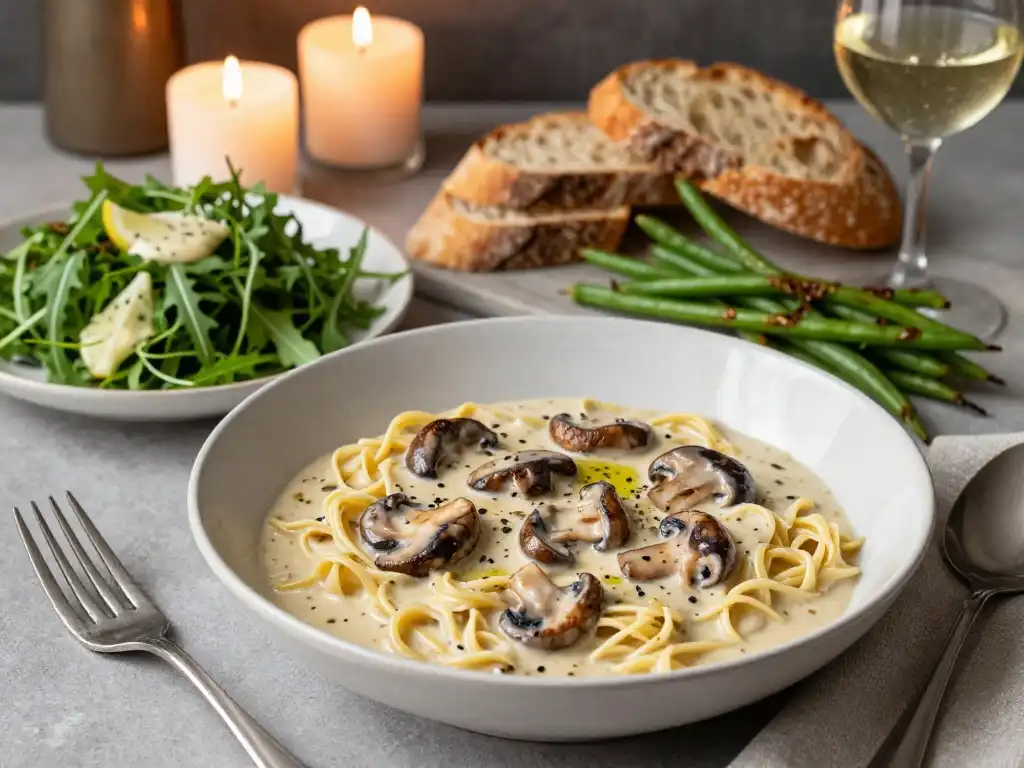
What to serve with mushroom stroganoff beyond the pasta or grain base? The dish’s richness and creaminess calls for accompaniments that provide freshness, acidity, or crunch to balance the sauce’s density. A simple green salad — arugula with lemon vinaigrette, or a spinach and arugula mix — cuts through the cream and refreshes the palate between bites in a way that no cooked side dish can replicate. Blanched green beans dressed with olive oil and sea salt provide the same function in a warm side dish format.
Mushroom stroganoff meal prep as a complete meal benefits from pairing with roasted vegetables that reheat well alongside the stroganoff: roasted broccoli, roasted Brussels sprouts, or honey-glazed carrots all complement the savory sauce without competing with it. Crusty sourdough bread or garlic bread provides something for sauce-mopping — a function that significantly elevates the meal experience. According to Glow Diaries, because stroganoff is quite a heavy dish, serving it with a simple green vegetable side — blanched green beans, peas, kale, or a spinach and arugula salad — lightens the meal overall. For entertaining, mushroom stroganoff served in a wide, shallow bowl with the pasta slightly underdressed and the sauce ladled separately at the table creates a genuinely restaurant-quality presentation.
How to Make Mushroom Stroganoff Ahead of Time for Easy Weeknight Dinners
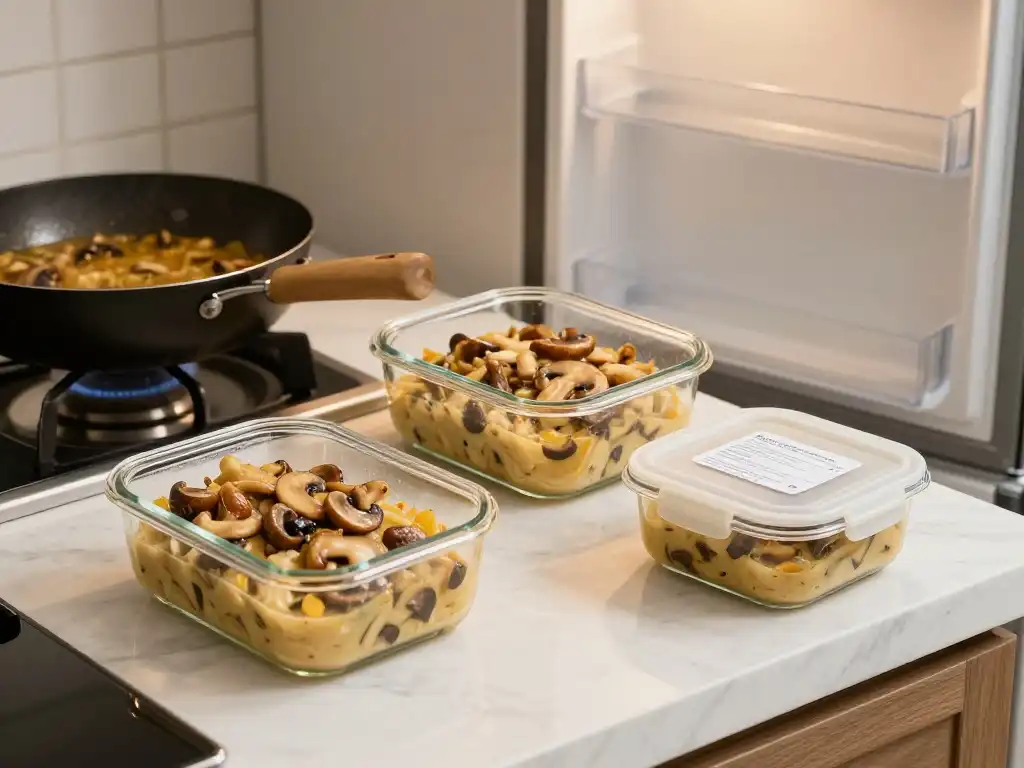
Can you make mushroom stroganoff ahead of time? Yes — with one important preparation strategy. The sauce stores and reheats beautifully. The pasta does not — pasta continues absorbing sauce moisture during storage, arriving at meal time bloated, starchy, and mushy. The professional approach stores the sauce completely separately from any pasta or grain component. Prepare the full mushroom sauce through to completion, cool it to room temperature, and refrigerate in an airtight container for up to 4 days. Cook fresh pasta at serving time — which takes only 8 to 10 minutes — and combine with the reheated sauce immediately before eating.
How to make mushroom stroganoff for meal prep at weekly scale involves one additional technique: undercooking the mushrooms slightly during the prep session — leaving them slightly firmer than you’d serve them — since they’ll cook further during reheating. Divide the sauce into individual portion containers for grab-and-reheat weeknight meals. Quick mushroom stroganoff recipe from a pre-made sauce base takes under 15 minutes on a weeknight — boil pasta (8 minutes), reheat sauce (5 minutes), combine and serve. This two-stage approach produces weeknight dinners that taste freshly made rather than like reheated leftovers, which is the essential quality difference between mediocre meal prep and excellent meal prep.
How to Store Freeze and Reheat Mushroom Stroganoff Without Losing Quality
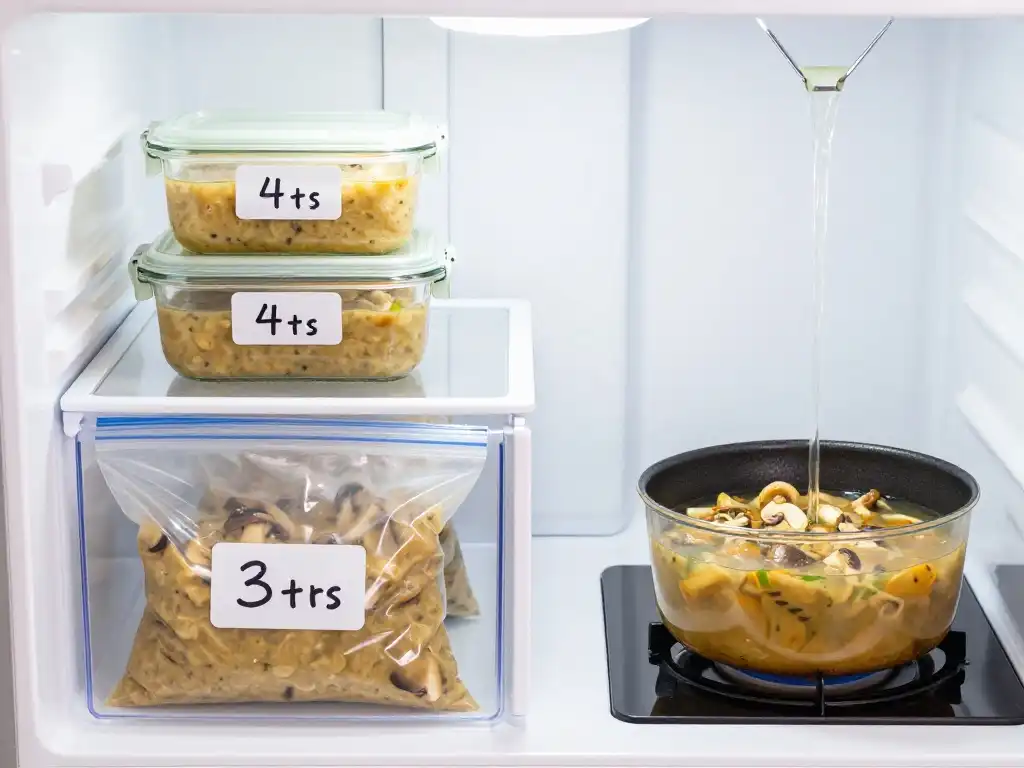
How to store leftover mushroom stroganoff correctly preserves the sauce’s texture and flavor for up to 4 days in the refrigerator. Store in an airtight glass container — glass maintains flavor neutrality better than plastic and doesn’t absorb the sauce’s garlic and onion aromatics into the container walls. Always store the sauce separately from any cooked pasta or grain. Can you freeze mushroom stroganoff? The sauce freezes well for up to 3 months. However, dairy-based sauces — those containing sour cream or heavy cream — can separate upon thawing, producing a grainy, broken texture. To prevent this, freeze the sauce before adding any dairy cream component, then add fresh sour cream or cream cheese when reheating from frozen.
How to reheat mushroom stroganoff correctly determines whether it tastes freshly made or mediocre upon serving. For stovetop reheating: transfer to a small saucepan over medium-low heat with 2 to 3 tablespoons of vegetable broth or water stirred in to loosen the sauce as it thickens during refrigeration. Stir gently and heat until just warm — never boil. Boiling breaks dairy-based sauces and toughens mushrooms. For microwave reheating: cover with a damp paper towel, heat at 70 percent power in 60-second bursts, stirring between each burst. From frozen: thaw overnight in the refrigerator, then reheat on the stovetop as above. Add a fresh splash of cream or a spoonful of sour cream after reheating to restore the sauce’s original richness.
Mushroom Stroganoff Nutrition Facts and Health Benefits You Did Not Expect
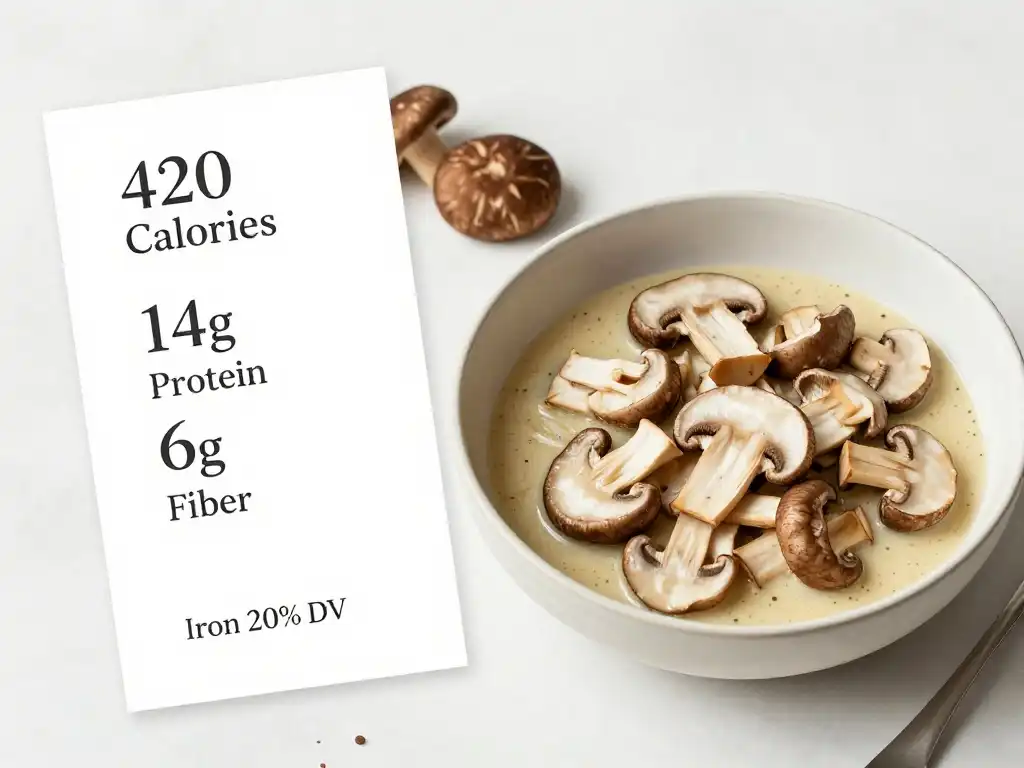
Is mushroom stroganoff healthy? The nutritional profile depends significantly on which cream source and pasta type the recipe uses — but even the most indulgent version delivers meaningful nutritional benefits that most comfort foods simply don’t provide. A standard vegan mushroom stroganoff serving made with coconut milk and served over pasta contains approximately 350 to 450 calories, 12 to 16 grams of fat, 50 to 60 grams of carbohydrates, and 10 to 15 grams of protein.
| Nutrient | Per Serving (Sauce Only) | With GF Pasta | With Mashed Potatoes |
|---|---|---|---|
| Calories | 180–220 kcal | 380–450 kcal | 350–420 kcal |
| Protein | 6–9g | 12–16g | 8–12g |
| Carbohydrates | 15–20g | 52–62g | 48–58g |
| Fat | 10–14g | 12–16g | 13–17g |
| Fiber | 3–5g | 5–8g | 5–7g |
| Sodium | 380–520mg | 420–580mg | 400–560mg |
| Iron | 15–20% DV | 18–25% DV | 15–20% DV |
Common Mistakes to Avoid When Making Mushroom Stroganoff
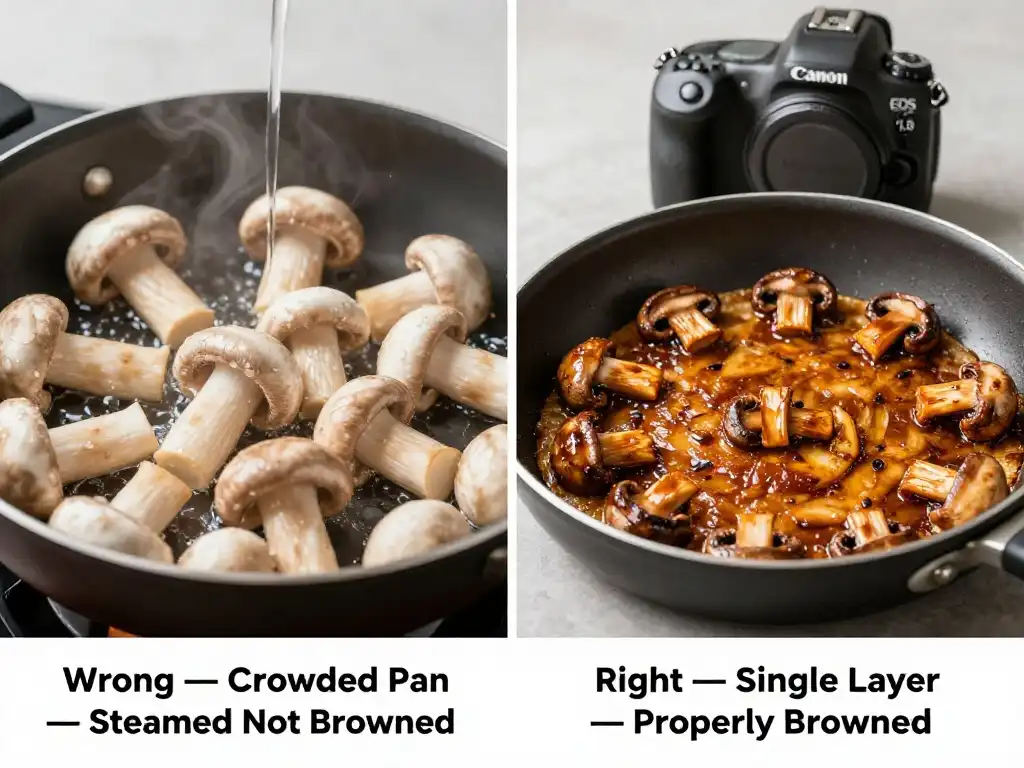
How to make mushroom stroganoff more flavorful starts by identifying and eliminating the mistakes that produce the most common failures. The most damaging mistake by far is crowding the mushrooms in the pan. Crowded mushrooms don’t brown — they steam. Steamed mushrooms release all their moisture into the sauce, diluting flavor and producing a pallid, watery result rather than the concentrated, deeply golden, umami-rich mushrooms that define a great stroganoff. Always cook mushrooms in a single layer — work in two or three batches if necessary — and wait patiently for each batch to develop deep golden browning on both sides before moving on.
The second critical mistake is adding sour cream, cream cheese, or any dairy ingredient directly to boiling sauce. Dairy proteins curdle at high heat — producing grainy, broken sauce with white lumps floating in a thin, separated liquid. Always remove the pan from direct heat completely before adding any cream component, stir it in thoroughly, and return to the lowest possible heat setting only if additional warming is needed. The third mistake is under-seasoning. Mushrooms absorb salt. They require significantly more salt than most home cooks expect. Mushroom stroganoff with garlic and mushroom stroganoff with onion both need to be well-salted at the sautéing stage — not just at the end — because seasoning during each cooking stage builds flavor depth that final seasoning alone cannot replicate.
Final Thoughts — Why Mushroom Stroganoff Deserves a Permanent Spot on Your Dinner Table
Every great recipe solves a real problem. Mushroom stroganoff solves the most persistent problem in the American dinner repertoire: what to make on a Tuesday when you want something genuinely satisfying, genuinely delicious, and genuinely achievable in under 30 minutes without sacrificing any of those qualities for the sake of any other. It costs almost nothing to make. It accommodates almost every dietary requirement with straightforward substitutions. It produces leftovers that taste equally good — sometimes better — the next day. And it earns the kind of consistent, enthusiastic reception at the dinner table that makes it worth making every single week.
The dish also carries a quiet cultural significance that most American recipes don’t. It connects a Russian culinary tradition — refined through 19th-century aristocratic cooking contests, spread across Europe, adapted through America’s mid-20th-century casserole culture, and now reimagined through plant-based cooking’s 21st-century renaissance — to every kitchen that makes it. Make your first batch this week. Master the mushroom browning step. Find your preferred cream source. Discover whether your household prefers dill or parsley on top. And then add mushroom stroganoff to the permanent rotation where, based on the experience of thousands of home cooks who have made it weekly for years, it will quietly remain.