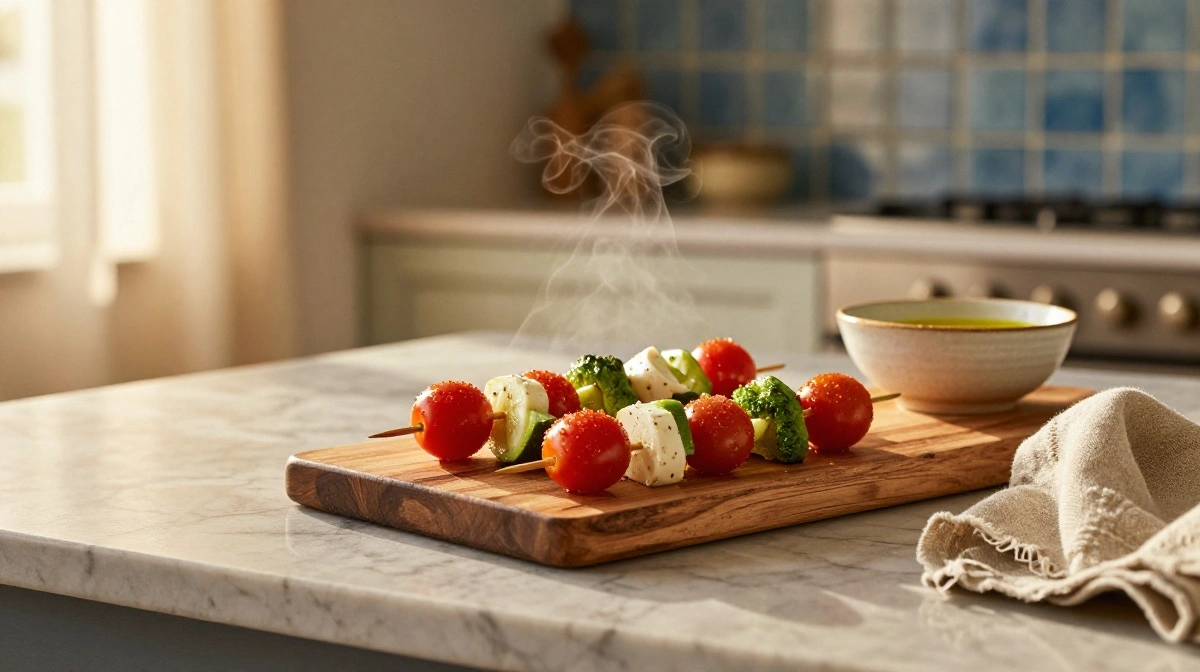
31 Greek Salad Skewers That Are Fresh, Colorful, and Easy to Make
Summer parties need food that looks good and tastes even better. That’s where Mediterranean skewers step in. This dish brings sunshine to any table without turning on the stove. You’ll love how fast it comes together, and your guests will love every bite.
What Are Greek Salad Skewers?
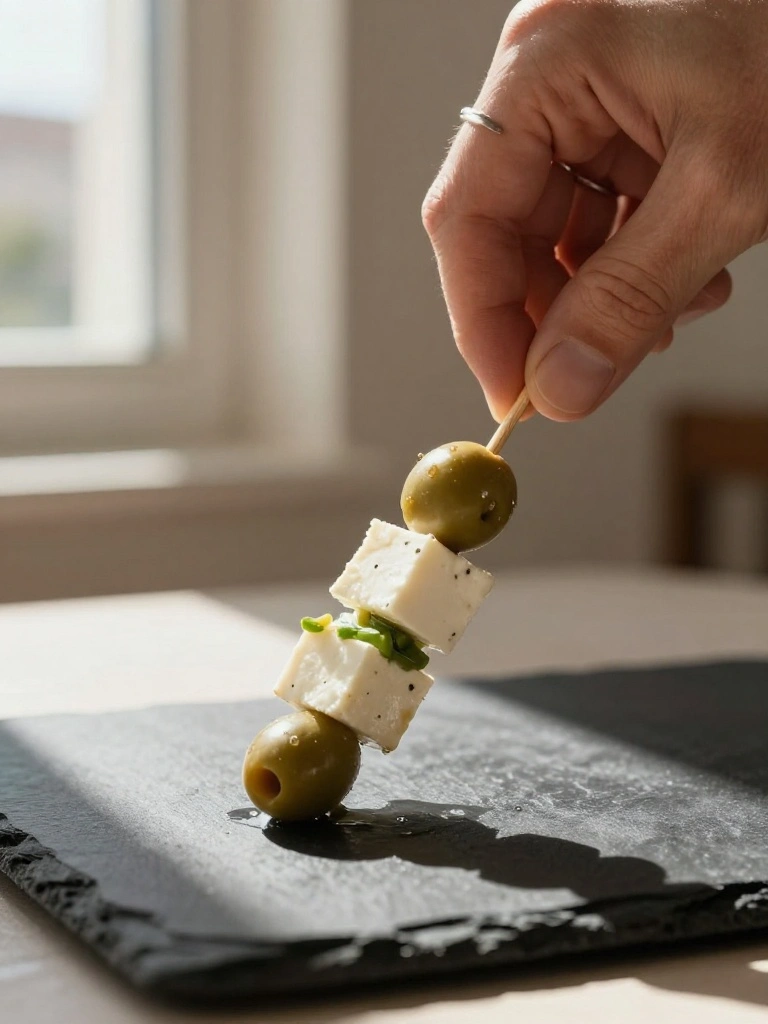
Think of Greek salad on a stick. Every classic ingredient gets threaded onto a small pick. Tomatoes, cucumbers, feta, and olives sit together in one neat bite. It’s the same salad you already know, just easier to grab and eat.
This snack works for casual hangouts or fancy dinners alike. Guests pick one up, pop it in their mouth, and reach for another. No fork needed. No mess. Just clean, fresh flavor in every single bite.
Why Greek Salad Skewers Are the Perfect Party Appetizer

Hosts love food that doesn’t need last-minute cooking. These Greek salad kabobs get made ahead and chilled until guests arrive. That frees up your kitchen and your time. You get to actually enjoy your own party instead of hiding behind a stove.
They also travel well. Pack them in a container, bring them to a potluck, and they’ll still taste crisp. Because nothing wilts or gets soggy fast, they hold their shape for hours. That reliability makes hosts trust this dish again and again.
Ingredients Needed for Greek Salad Skewers
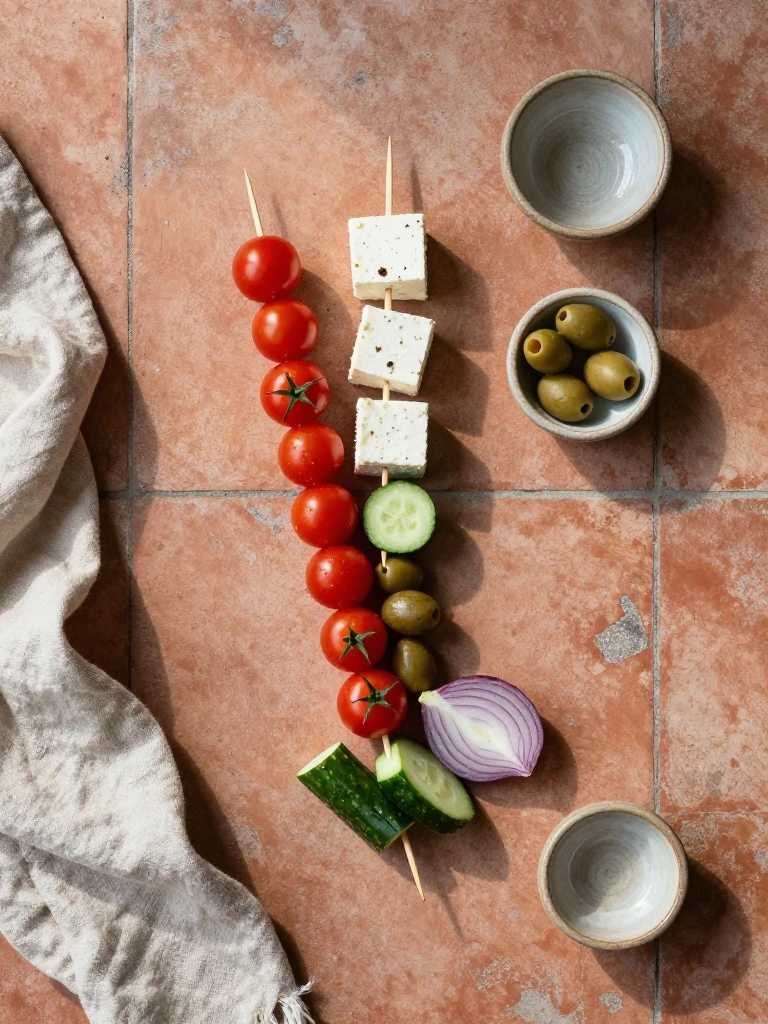
Good food starts with a short, honest ingredient list. You won’t need anything exotic here. Grab cherry tomatoes, cucumber chunks, block feta, and kalamata olives. Add red onion, fresh oregano, and good olive oil for the finishing touch.
| Ingredient | Amount | Notes |
|---|---|---|
| Cherry tomatoes | 24 pieces | Halved or whole |
| Cucumber | 1 medium | Cut into cubes |
| Feta cheese | 8 oz block | Cubed, not crumbled |
| Kalamata olives | 24 pieces | Pitted |
| Red onion | 1 small | Thin wedges |
| Olive oil | 3 tbsp | Extra virgin |
Choosing the Best Feta Cheese for Skewers
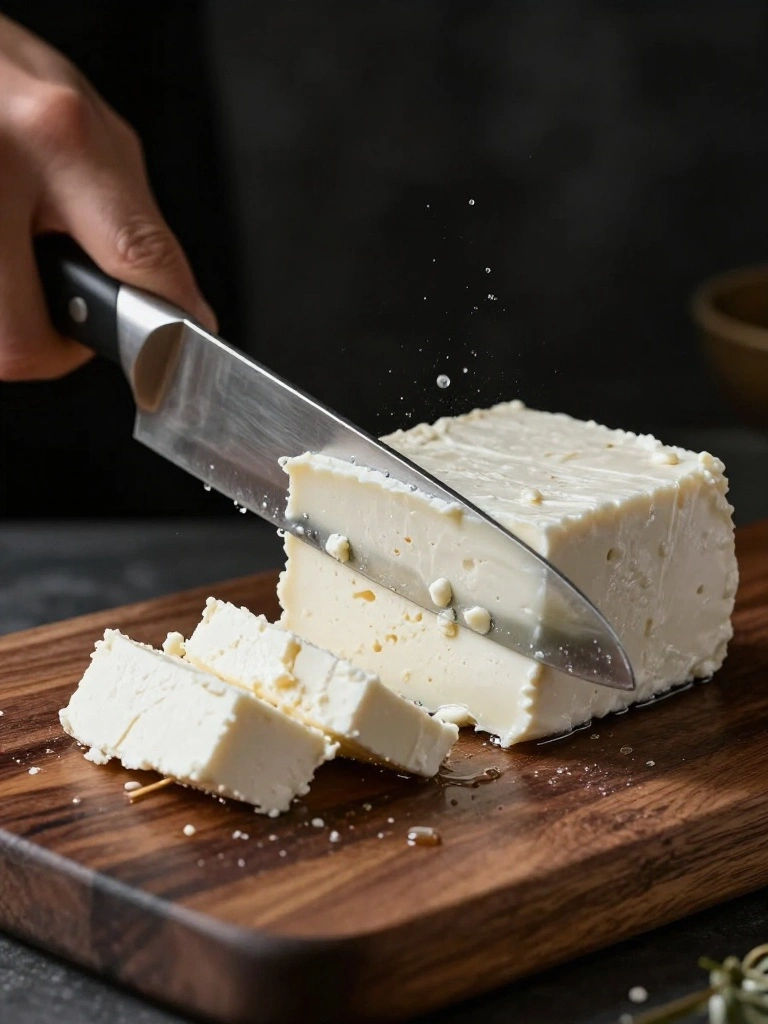
Not every feta holds its shape on a stick. Block feta packed in brine works far better than pre-crumbled bags. It stays firm, slices clean, and doesn’t crumble apart while threading. That firmness matters more than most people realize.
Look for Greek or Bulgarian feta when you shop. These types carry a tangy, salty bite that pairs beautifully with sweet tomato. Cheap substitutes taste flat and chalky instead. Spend a little more here, and the payoff shows in every bite.
Best Tomatoes to Use for Greek Salad Skewers

Cherry and grape tomatoes work best for this recipe. Their small size fits perfectly on a skewer without needing a knife. They also burst with juice in a way that big slicing tomatoes simply can’t match.
Pick tomatoes that feel firm, not mushy. Soft tomatoes slide right off the pick and ruin your presentation. A ripe, firm tomato holds its shape and adds bright color against the darker olives and cheese.
Selecting Fresh Cucumbers for Skewers
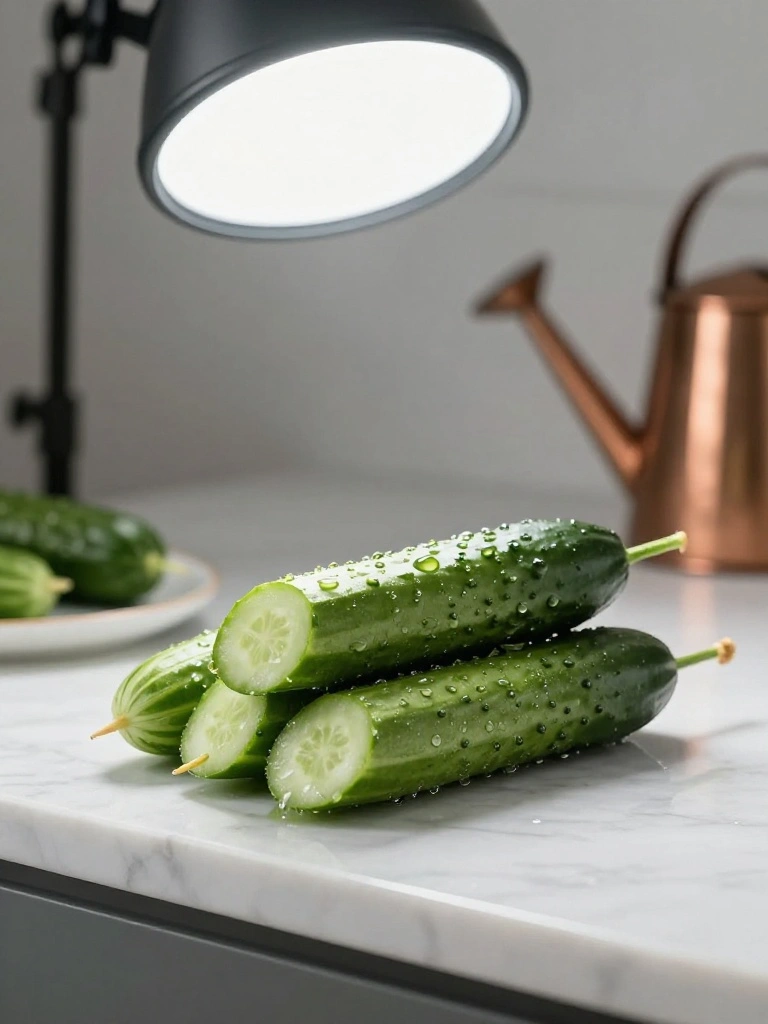
English cucumbers work wonderfully here because they carry fewer seeds. Their skin stays thin, so you don’t need to peel it off. That saves prep time and keeps a nice green ring around each cube.
Cut the cucumber into thick chunks, not thin slices. Thin pieces tend to slip and tear when threaded onto a stick. Thick chunks stay sturdy, hold their crunch, and balance the softness of the cheese nearby.
Kalamata Olives: A Must-Have Ingredient
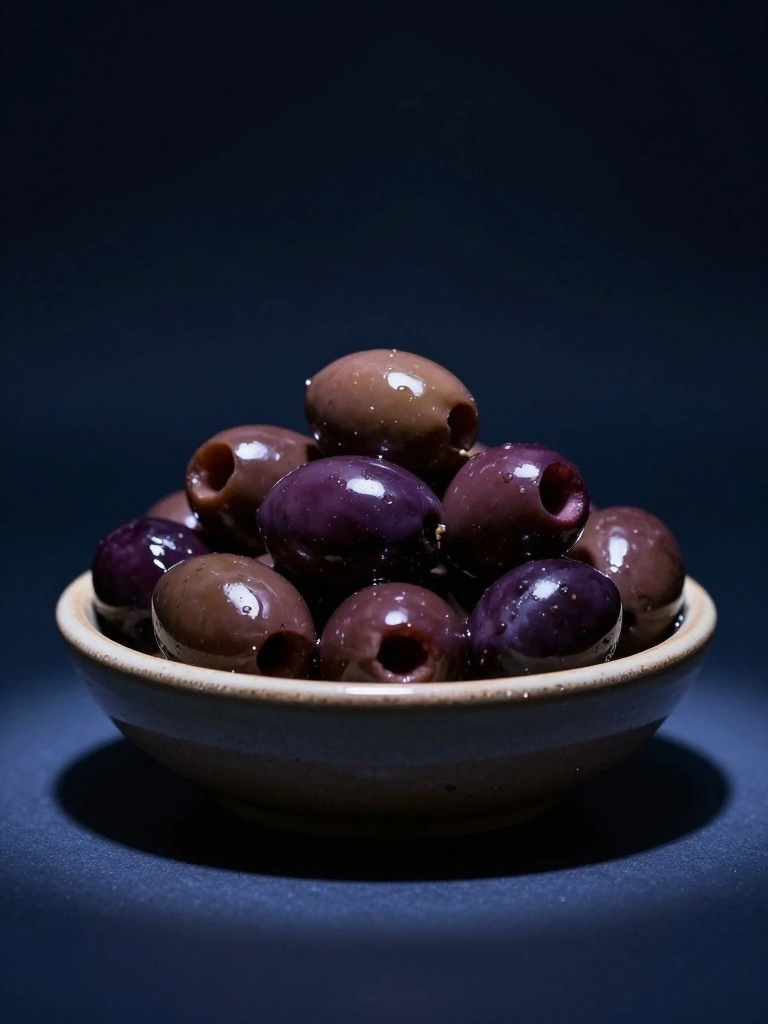
Kalamata olive skewers wouldn’t taste like Greece without this one bold ingredient. These deep purple olives carry a rich, briny punch that plain black olives simply lack. They anchor the whole flavor profile of this dish.
Buy them pitted to save yourself a headache later. Fishing pits out mid-assembly slows everything down and frustrates your prep flow. A jar of pitted kalamatas costs a little extra but saves real time.
Red Onion vs White Onion in Greek Salad Skewers
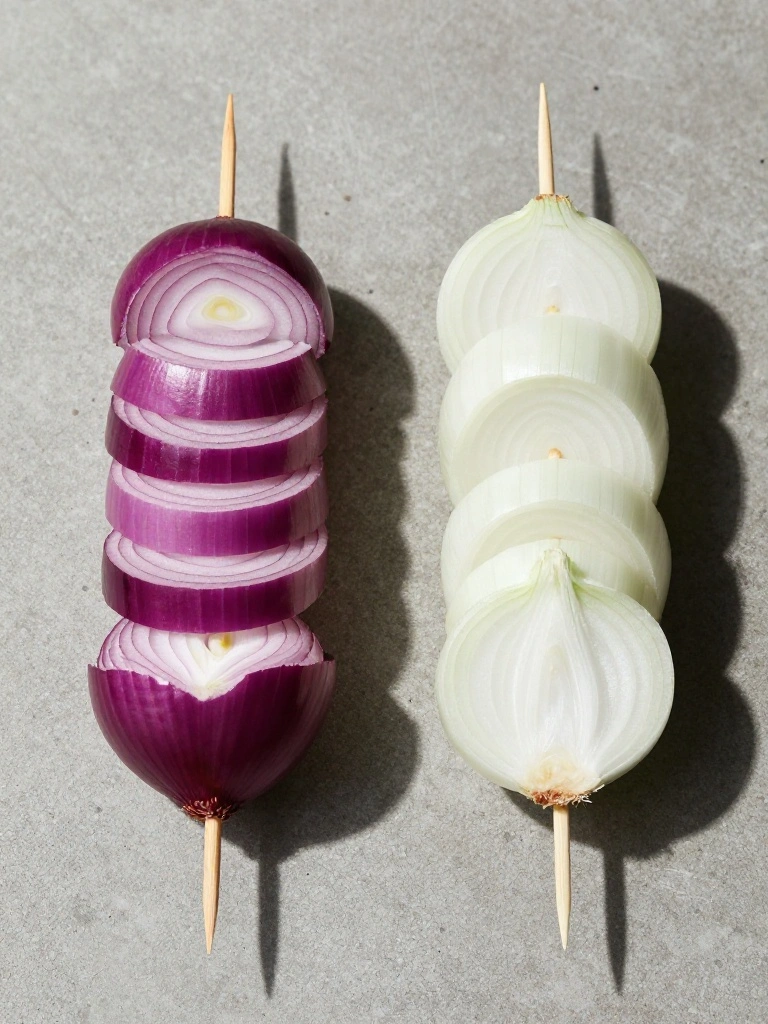
Red onion brings a milder, slightly sweet bite compared to white onion’s sharper taste. That softer edge fits well next to salty feta and briny olives. Most classic recipes lean on red onion for exactly this reason.
White onion isn’t wrong, but it can overpower the other flavors quickly. If you’re sensitive to strong onion taste, soak red onion slices in cold water for ten minutes first. That trick mellows the bite even further.
How to Make the Perfect Greek Dressing
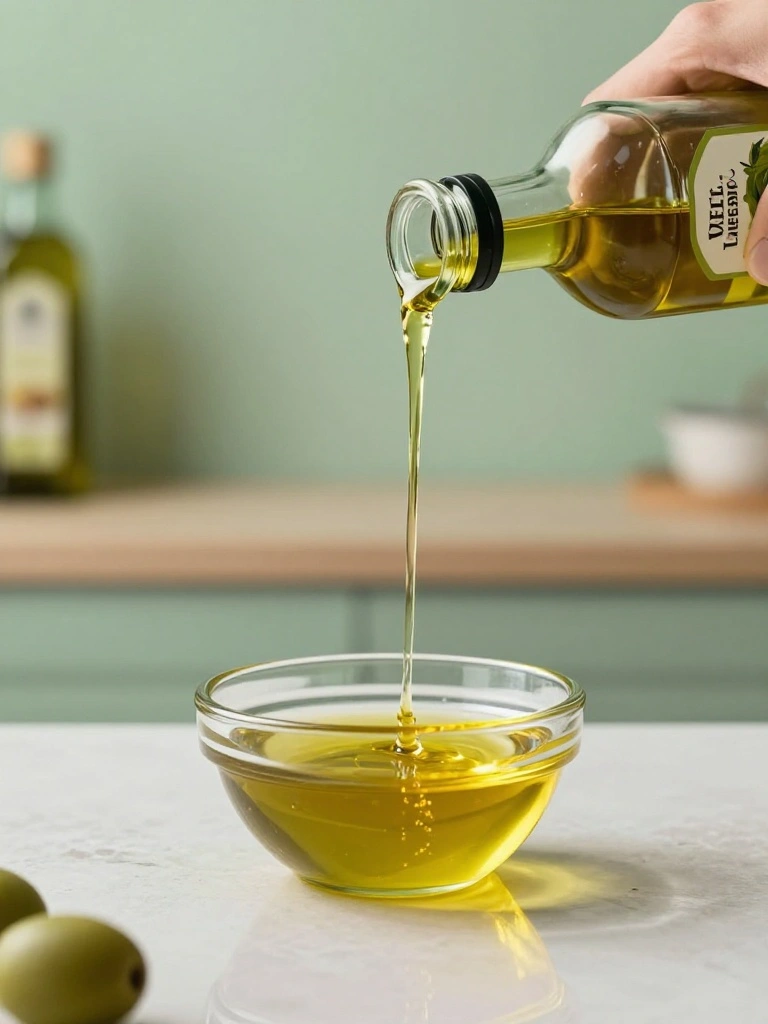
A proper Greek salad dressing needs just a few honest ingredients. Whisk olive oil, red wine vinegar, dried oregano, minced garlic, salt, and pepper together. That’s it. No shortcuts, no fillers, just clean Mediterranean flavor.
Drizzle it right before serving so the vegetables stay crisp instead of soggy. Some cooks prefer brushing it on lightly with a pastry brush. Either method works, though brushing gives you more control over how much coats each skewer.
Step-by-Step Recipe for Greek Salad Skewers
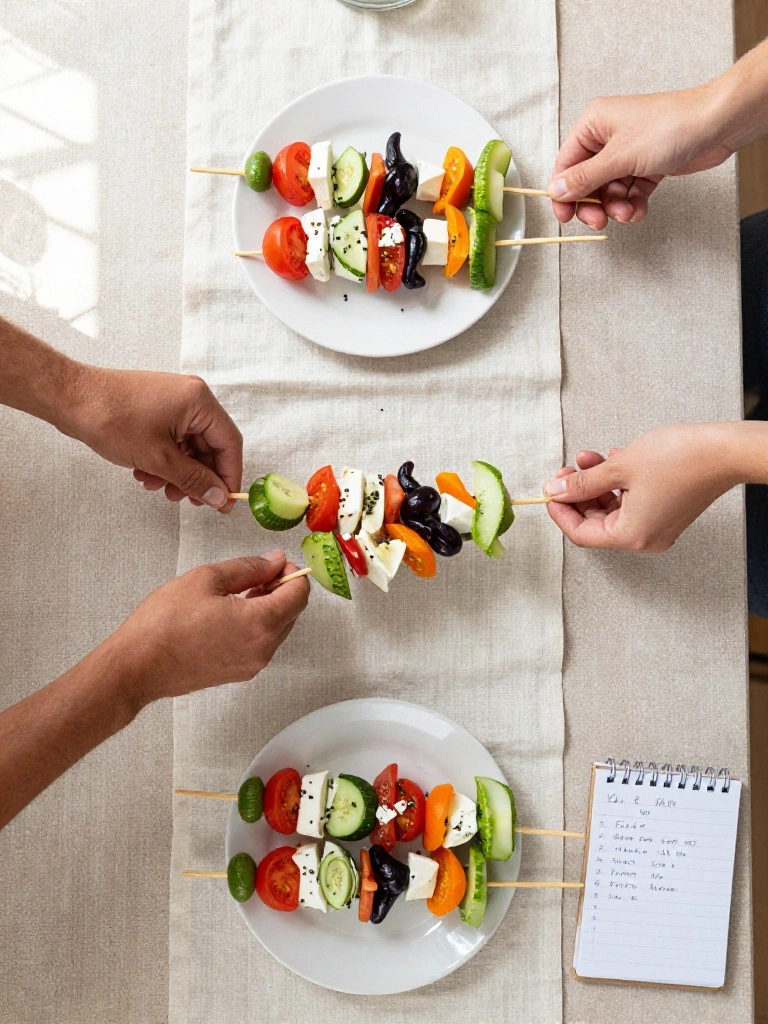
Building this Greek salad skewers recipe takes barely fifteen minutes from start to finish. Start by washing and drying every vegetable thoroughly. Wet produce makes dressing slide off instead of clinging to each bite.
Thread ingredients in this order: tomato, cucumber, feta, olive, then onion, repeating until the stick fills up. Drizzle dressing over the finished skewers and sprinkle fresh oregano on top. Chill for twenty minutes before serving for best flavor.
Tools You’ll Need: Skewers, Picks, and Trays

You don’t need fancy equipment for this project. Small bamboo picks or mini skewers work perfectly for bite-sized portions. A flat serving tray helps keep everything organized and easy for guests to reach.
A small basting brush comes in handy for applying dressing evenly. Paper towels help dry washed produce quickly. Beyond that, your cutting board and a sharp knife handle the rest of the job just fine.
Wooden vs Metal Skewers: Which Is Better?
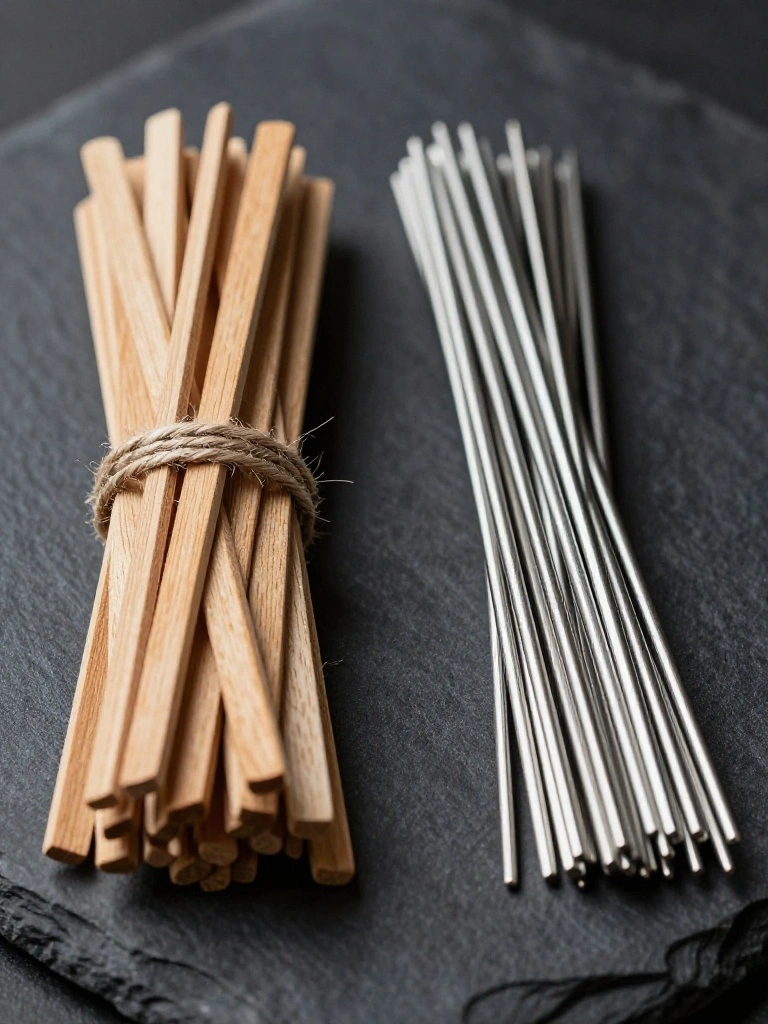
Wooden picks suit small toothpick appetizers far better than long metal skewers. They’re disposable, cheap, and safer for casual party settings where kids might grab a bite. Metal skewers work better for grilled dishes instead.
Metal skewers also get hot and stay sharp, which isn’t ideal for a no-cook party snack. Stick with short wooden picks here. They’re gentle on hands, easy to find, and perfectly sized for salad-style bites.
How to Assemble Skewers Neatly
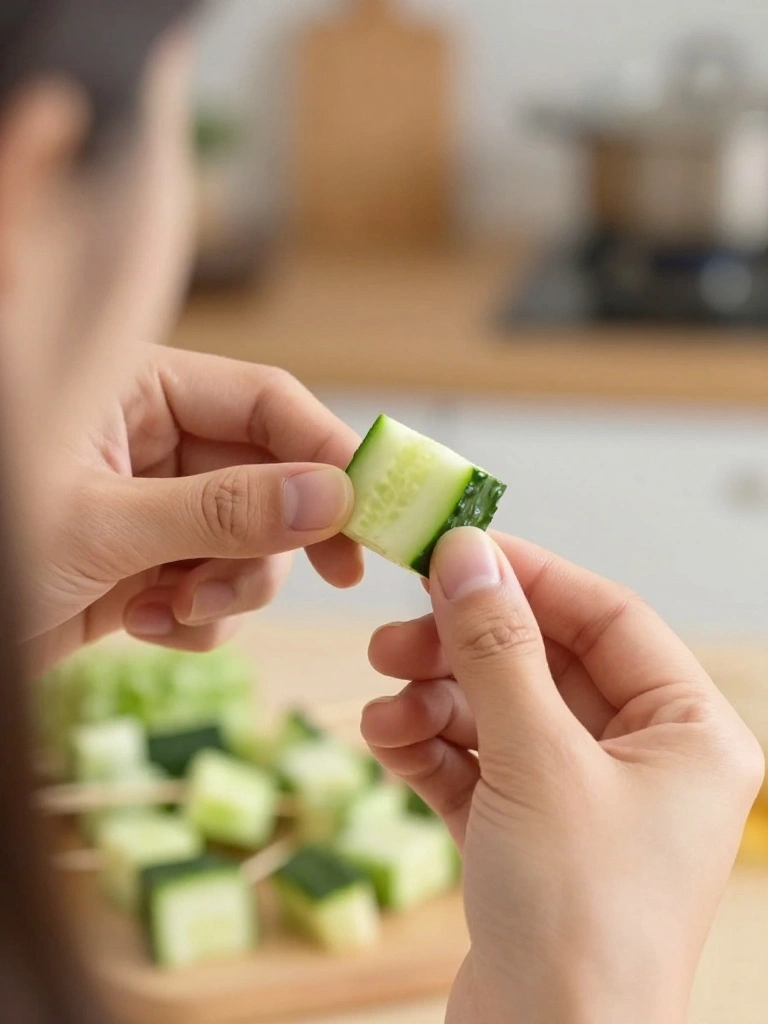
Assembly order matters more than people expect. Start with a sturdy piece like tomato at the base, then alternate textures as you go up the stick. This keeps everything balanced and prevents top-heavy tipping.
Leave a small handle of bare stick at the bottom. That gap gives guests something to hold without touching the food itself. It’s a small detail, but it makes the whole tray feel more polished.
Tips for Preventing Ingredients from Sliding
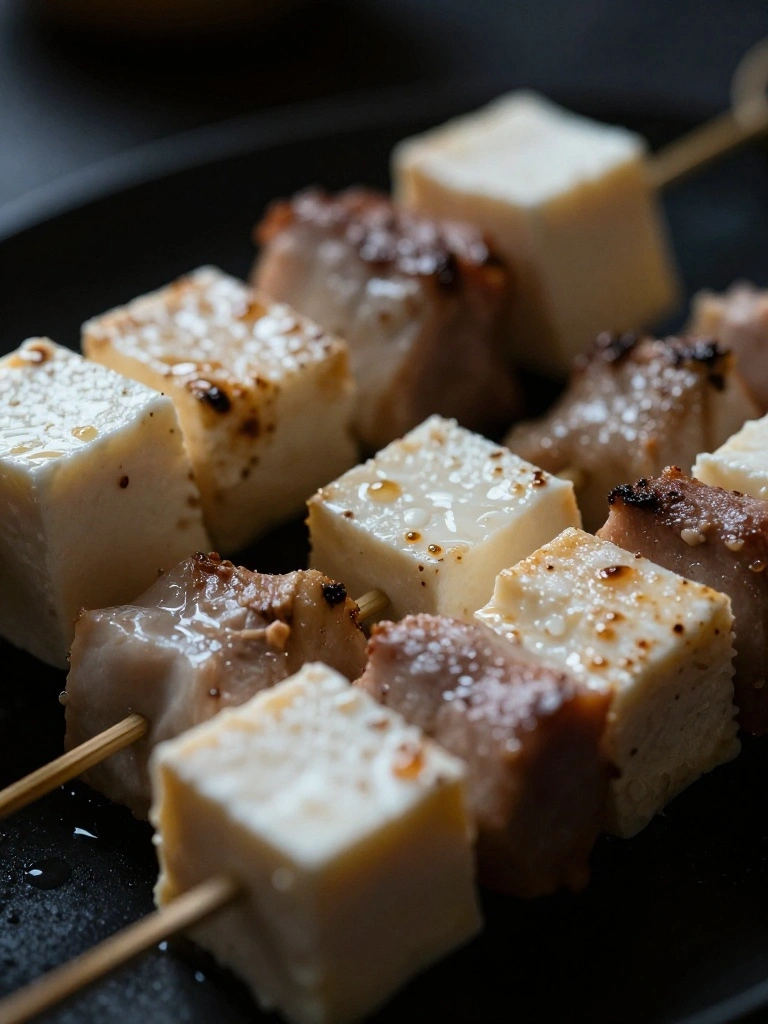
Nothing ruins a pretty tray faster than sliding cucumber chunks. Cut cheese and vegetables into even, similarly sized cubes so nothing wobbles unevenly. Uniform sizing keeps the whole skewer balanced from top to bottom.
Push each piece firmly but gently onto the pick, leaving barely any gap between items. Tight spacing holds everything snug in place. If pieces still slip, chilling the assembled skewers for a bit firms things up nicely.
Marinating Tips for Extra Flavor
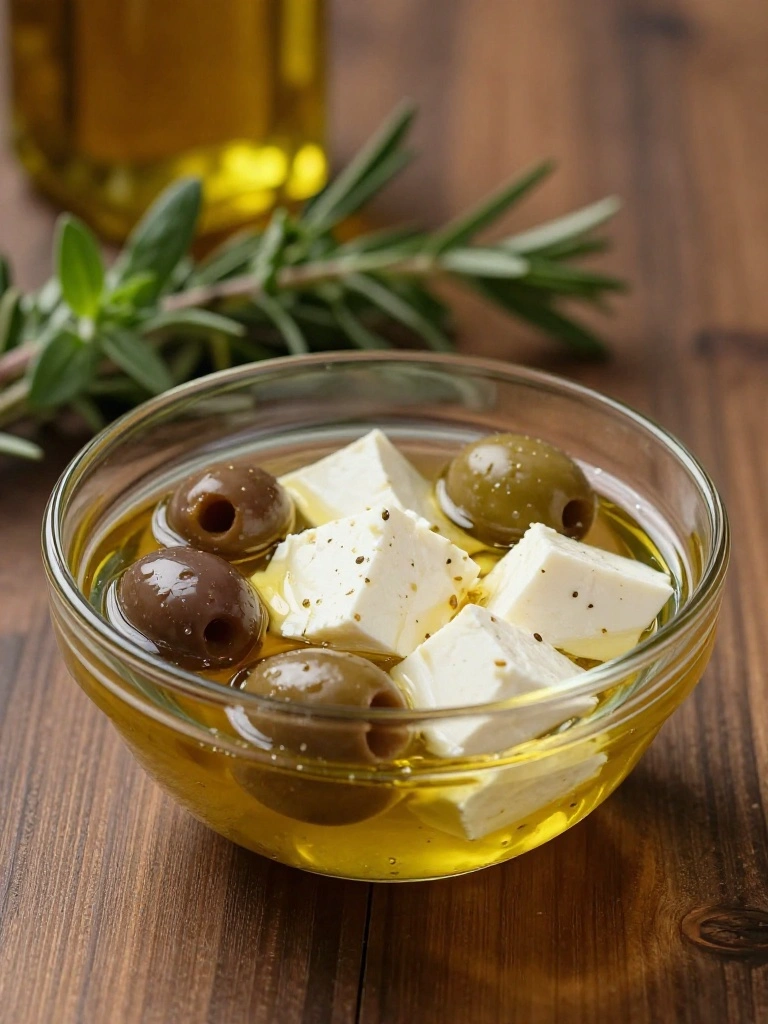
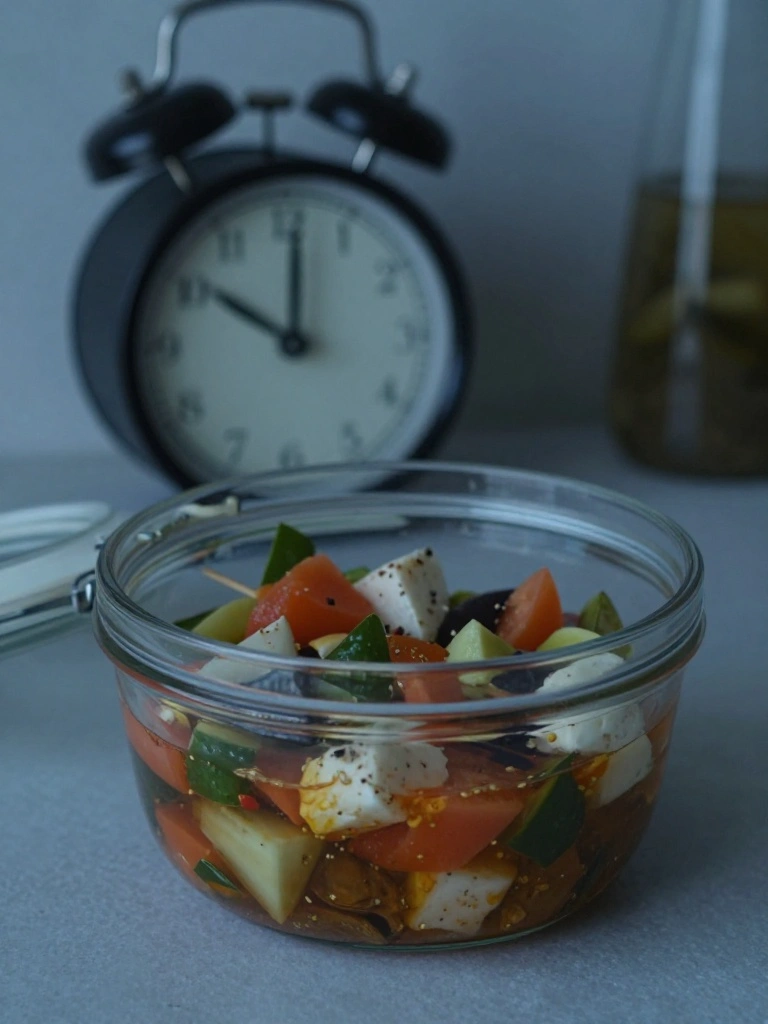
A short soak in Greek salad marinade deepens flavor dramatically. Toss cubed feta and olives in olive oil, lemon juice, and oregano before threading. This lets salty, tangy flavor seep into every layer of the bite.
Don’t marinate the cucumber, though. Its high water content turns mushy fast when soaked too long. Add cucumber fresh, right before assembly, so it keeps its crunch against the softer marinated ingredients around it.
Expert Tips for the Best Greek Salad Skewers

Twenty to thirty minutes gives plenty of flavor without turning vegetables soft. Anything beyond an hour risks breaking down the tomato’s texture and making everything taste overly salty from the brine soaking through.
If you’re prepping way ahead of time, marinate only the feta and olives separately. Add tomato and cucumber right before threading everything onto the sticks. That timing trick keeps texture crisp while flavor still runs deep.
Serving Suggestions for Greek Salad Skewers
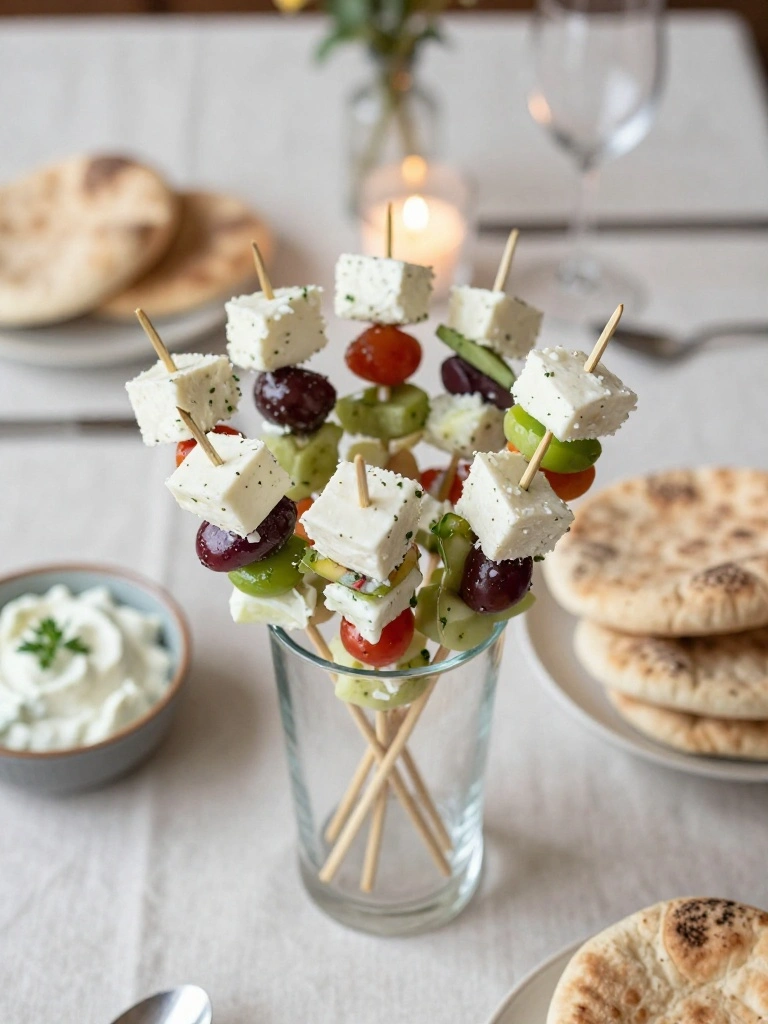
Arrange these skewers standing upright in a shallow glass or lying flat across a wooden board. Either style photographs beautifully and makes for an eye-catching Mediterranean mezze platter centerpiece at any gathering.
Pair the tray with warm pita triangles and a small bowl of tzatziki nearby. Guests can dip or eat the skewers plain. Either way, the colors alone will draw people toward the table before they even taste one.
Best Occasions to Serve Greek Salad Skewers
Birthday parties, backyard barbecues, and holiday potlucks all welcome this dish warmly. Because it needs no reheating, it fits any event where food sits out for hours without losing its charm or freshness.
Bridal showers and light lunches also suit this Mediterranean appetizer perfectly. Its bright colors match spring and summer themes especially well. Honestly, there’s rarely a wrong moment to bring these skewers along.
Pairing Greek Salad Skewers with Main Dishes

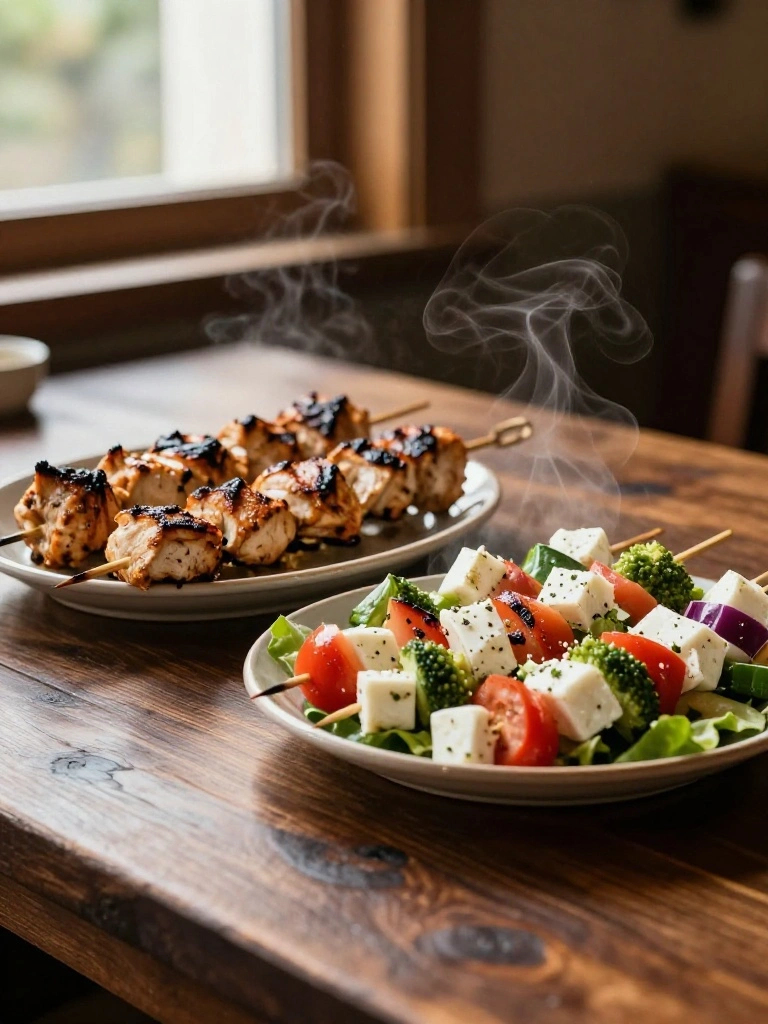
Grilled chicken, lamb kebabs, or roasted fish all pair naturally with this fresh side. The acidity from the dressing cuts through richer, smokier flavors on the grill, balancing out a heavier main course nicely.
For a lighter meal, serve these skewers alongside warm hummus and grilled flatbread. That combination turns a simple appetizer spread into a full, satisfying Greek salad appetizer course everyone will remember fondly.
Vegetarian and Vegan Variations
This dish already sits firmly in vegetarian territory thanks to its plant-and-dairy base. For a fully vegan twist, swap feta for a firm plant-based cheese alternative that holds its shape on the stick.
Some cooks use marinated tofu cubes instead of cheese entirely. It won’t taste identical, but it soaks up dressing beautifully and keeps the same satisfying bite. This swap works great for vegetarian appetizer skewers at mixed gatherings.
Gluten-Free Greek Salad Skewers Guide
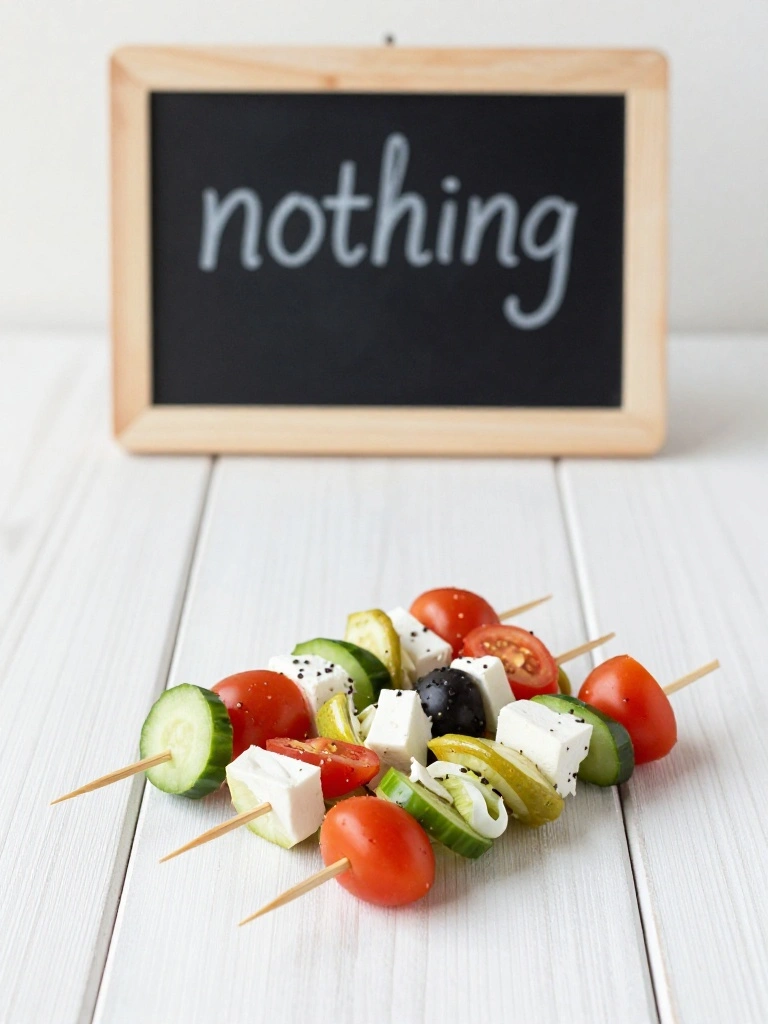
Good news here: this recipe is naturally free of gluten from the start. None of the core ingredients contain wheat, barley, or rye in any form, making it safe for most gluten-sensitive guests without any changes.
Just double check your dressing ingredients and any store-bought feta brands for hidden additives. Some processed cheese products sneak in fillers. Reading labels carefully keeps this gluten-free appetizer completely safe for sensitive eaters.
Low-Calorie Greek Salad Skewers Option
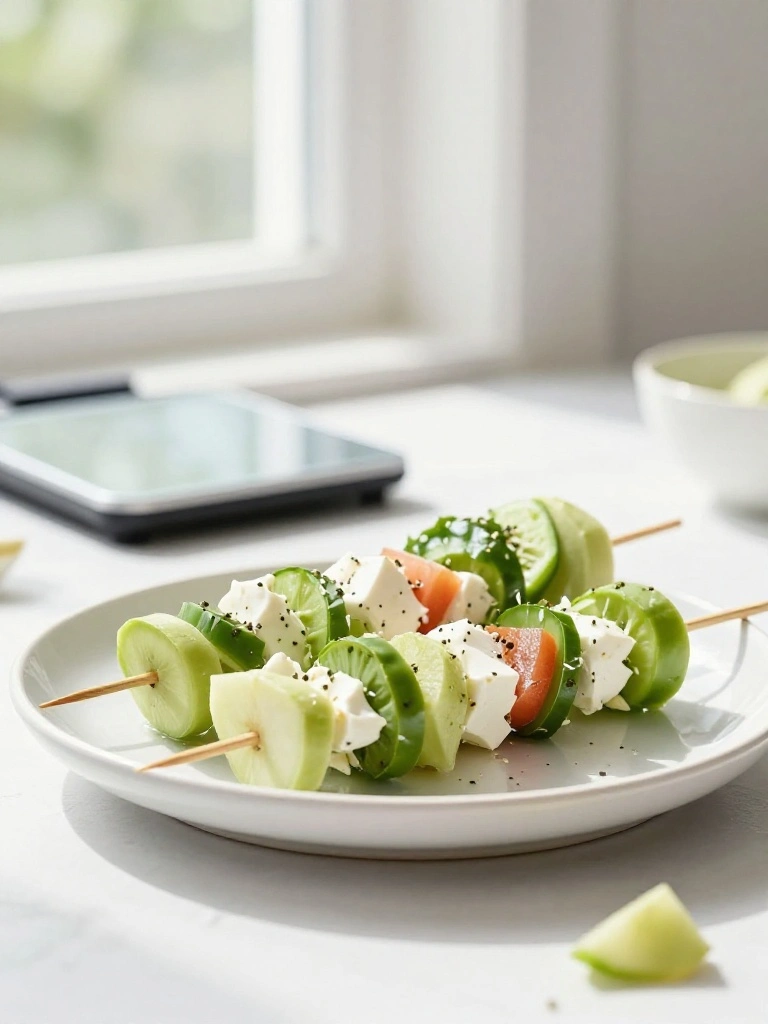
Each skewer sits fairly light on calories already, especially compared to fried party snacks. Swap in reduced-fat feta and go easy on the olive oil drizzle if you’re watching your intake closely.
Skipping the oil entirely and using a splash of lemon juice instead cuts calories further. The dish stays flavorful even with less fat, proving that healthy eating doesn’t mean sacrificing genuine, satisfying taste.
How to Store Leftover Skewers

Store leftovers in a sealed container lined with a paper towel to absorb extra moisture. Keep them refrigerated and consume within a day for the freshest possible taste and texture the following day.
Avoid freezing this dish entirely. Cucumber and tomato both turn watery and limp once thawed, ruining the crisp texture that makes these skewers so enjoyable to eat fresh in the first place.
Can You Make Greek Salad Skewers Ahead of Time?
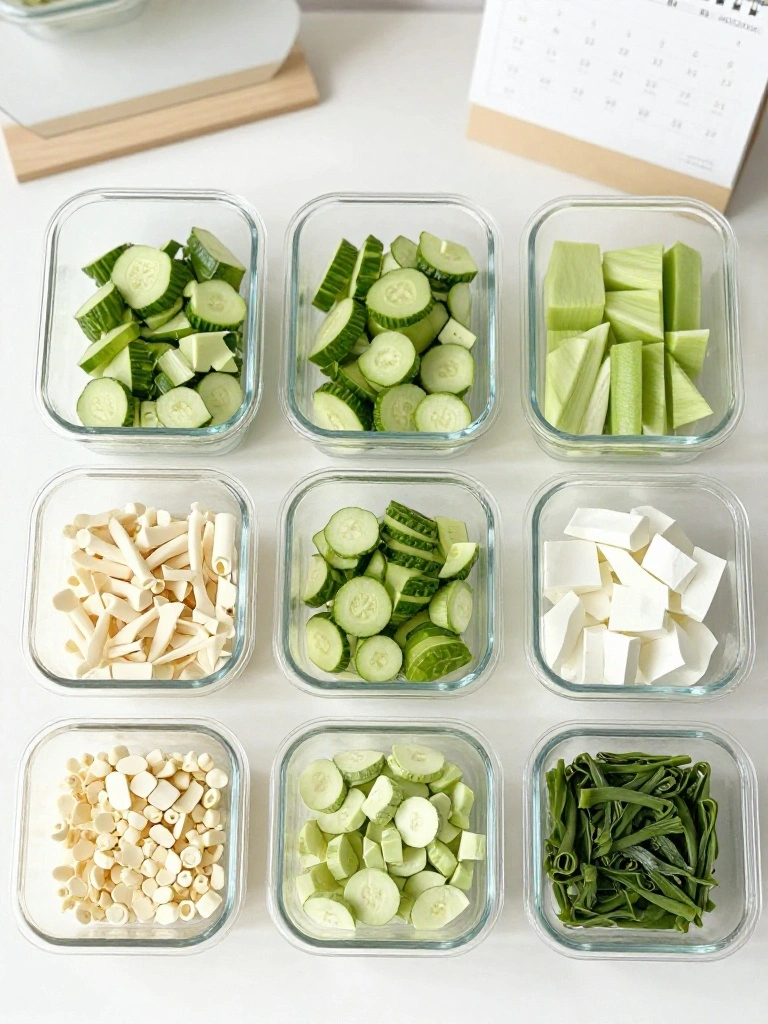
Yes, and that’s actually one of its biggest strengths for busy hosts. Prep all ingredients a day early, then assemble the skewers themselves just a few hours before your guests arrive at the door.
This approach fits perfectly into Greek salad meal prep routines for busy weeks too. Chop everything on Sunday, store separately, and assemble quick lunches or snacks throughout the week without extra effort.
Common Mistakes to Avoid When Making Skewers

Overloading each stick is a common misstep that leads to breakage and awkward eating. Keep each skewer to four or five pieces max, so guests can eat comfortably without juggling a crowded stick.
Another mistake involves dressing everything too early, which turns crisp vegetables soggy fast. Always dress right before serving. Patience here truly pays off in both texture and overall presentation quality.
Health Benefits of Greek Salad Ingredients
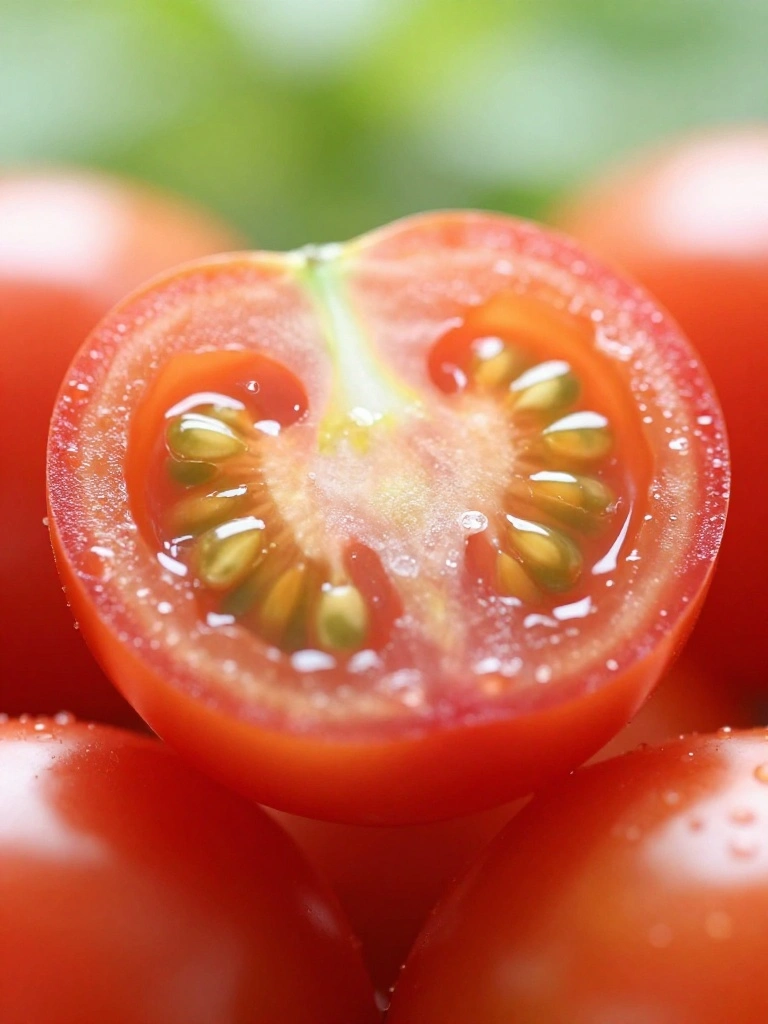
Tomatoes bring lycopene, a compound linked to heart health benefits. Cucumbers offer hydration thanks to their high water content, while olives deliver healthy monounsaturated fats that support balanced cholesterol levels naturally.
you may also like this : Turkish Shepherd’s Salad: The Simple Recipe That Tastes Like Summer in Every Bite
Feta cheese contributes calcium and protein without excessive calories when eaten in moderation. Together, these ingredients reflect core principles found in popular Mediterranean diet recipes, long praised for supporting long-term wellness.
Nutritional Breakdown of Greek Salad Skewers
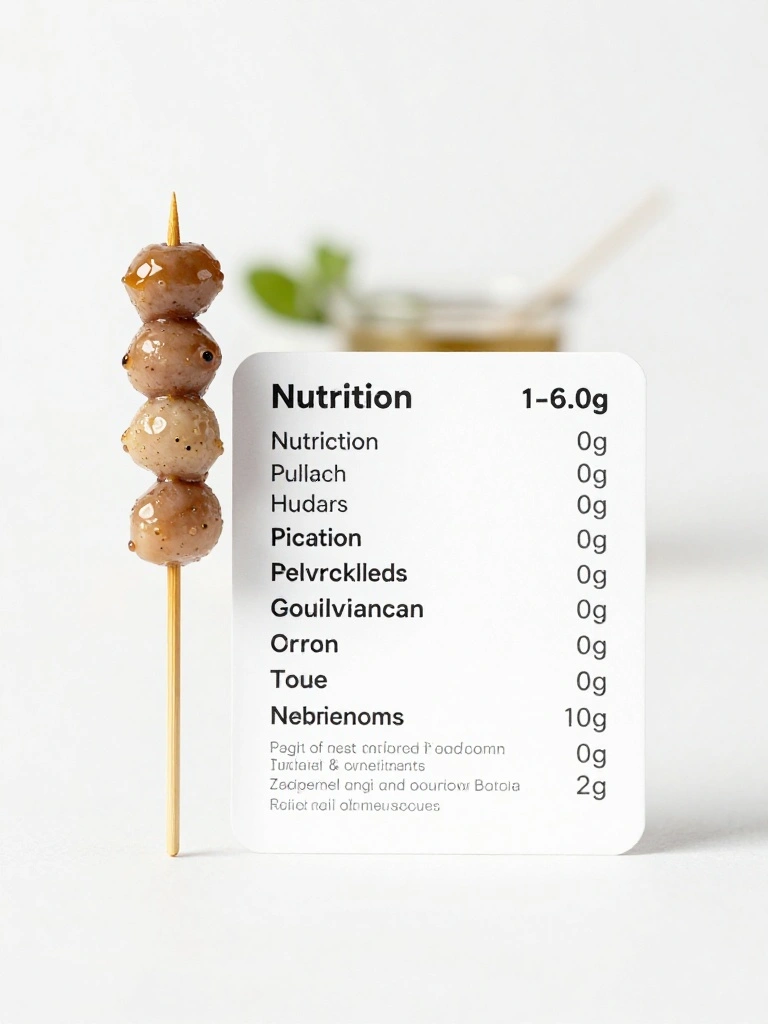
A single skewer typically runs between 35 and 50 calories, depending on portion size and cheese amount used. That makes it an easy, guilt-free snack option compared to heavier fried appetizer choices.
| Nutrient | Approximate Value (per skewer) |
|---|---|
| Calories | 40 kcal |
| Protein | 2g |
| Fat | 3g |
| Carbohydrates | 2g |
| Sodium | 120mg |
Creative Variations of Greek Salad Skewers
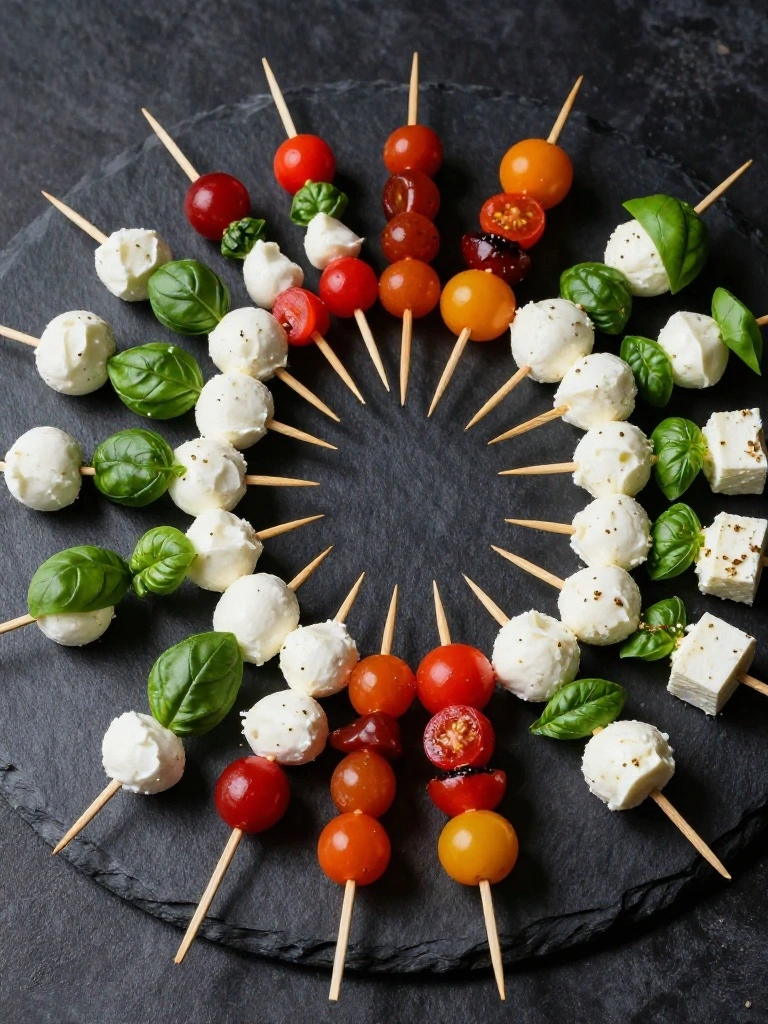
Swap traditional ingredients for a fun twist using cherry tomato mozzarella skewers instead of feta, adding fresh basil leaves between layers. This Caprese-inspired version brings a different but equally delicious flavor profile.
Try adding roasted red pepper strips or artichoke hearts for extra texture and tang. These small tweaks keep the format fresh across different parties, ensuring guests never feel bored by repeated menu choices.
How to Present Skewers for Parties and Events
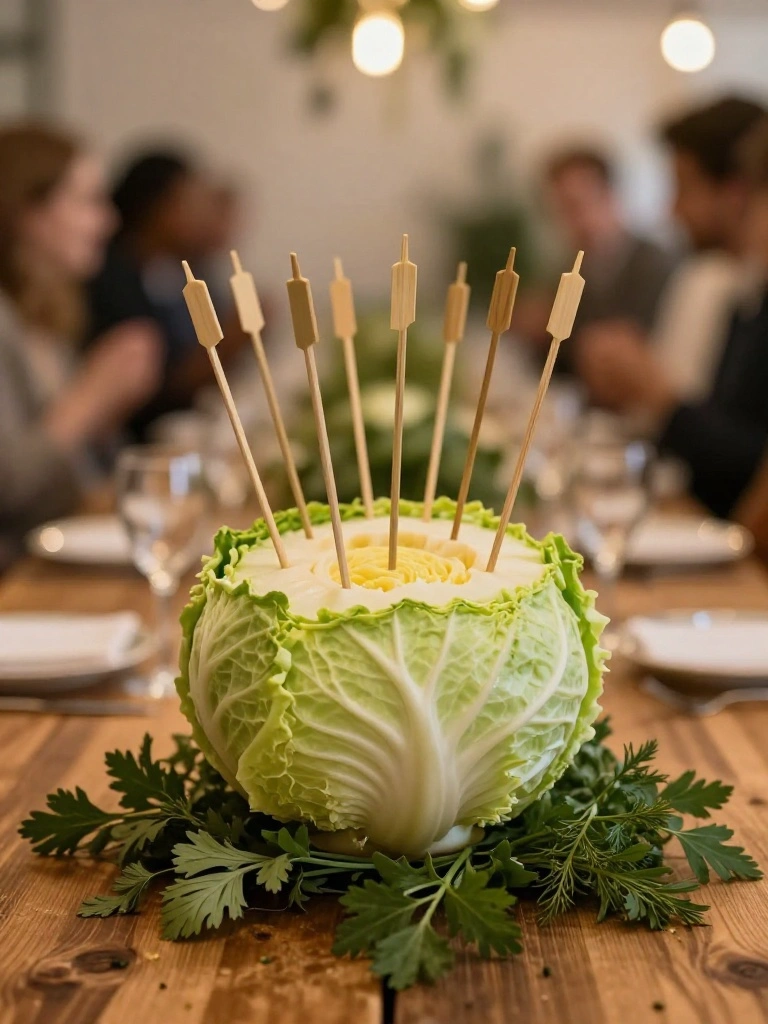
Presentation turns simple food into a memorable moment. Arrange skewers in a fan pattern across a wooden board, or stand them upright inside a hollowed-out cabbage for a striking, rustic centerpiece display.
Fresh herb sprigs scattered around the tray add color without extra cost. These small styling touches transform basic skewer appetizer ideas into something that photographs beautifully for social media too.
Expert Tips for the Best Greek Salad Skewers

Chefs recommend salting cucumber lightly beforehand and patting it dry. This step removes excess water that would otherwise dilute the dressing’s flavor once everything sits together on the serving tray.
As one caterer once put it, “the best party finger food disappears fastest, and this one never lasts long on any table.” Trust fresh ingredients, proper timing, and simple technique for consistent results every time.
Frequently Asked Questions
Can I make Greek salad skewers in advance?
Yes, you can assemble them a few hours ahead and refrigerate until ready to serve.
What skewers are best to use?
Short wooden picks or mini bamboo skewers work best for bite-sized appetizers.
How long do Greek salad skewers last in the fridge?
They stay fresh for up to 24 hours when stored in an airtight container.
Can I add meat to Greek salad skewers?
Yes, grilled chicken or shrimp can be added for a protein-rich version.
Is this recipe gluten-free?
Yes, Greek salad skewers are naturally gluten-free.
Conclusion
Greek Salad Skewers are a simple, fresh, and healthy appetizer that bring the vibrant flavors of the Mediterranean to any gathering. With minimal prep time, no cooking required, and endless variation possibilities, they’re perfect for parties, picnics, and everyday snacking. By following the right ingredient selection and assembly tips, you can create a crowd-pleasing dish that’s as beautiful as it is delicious.