
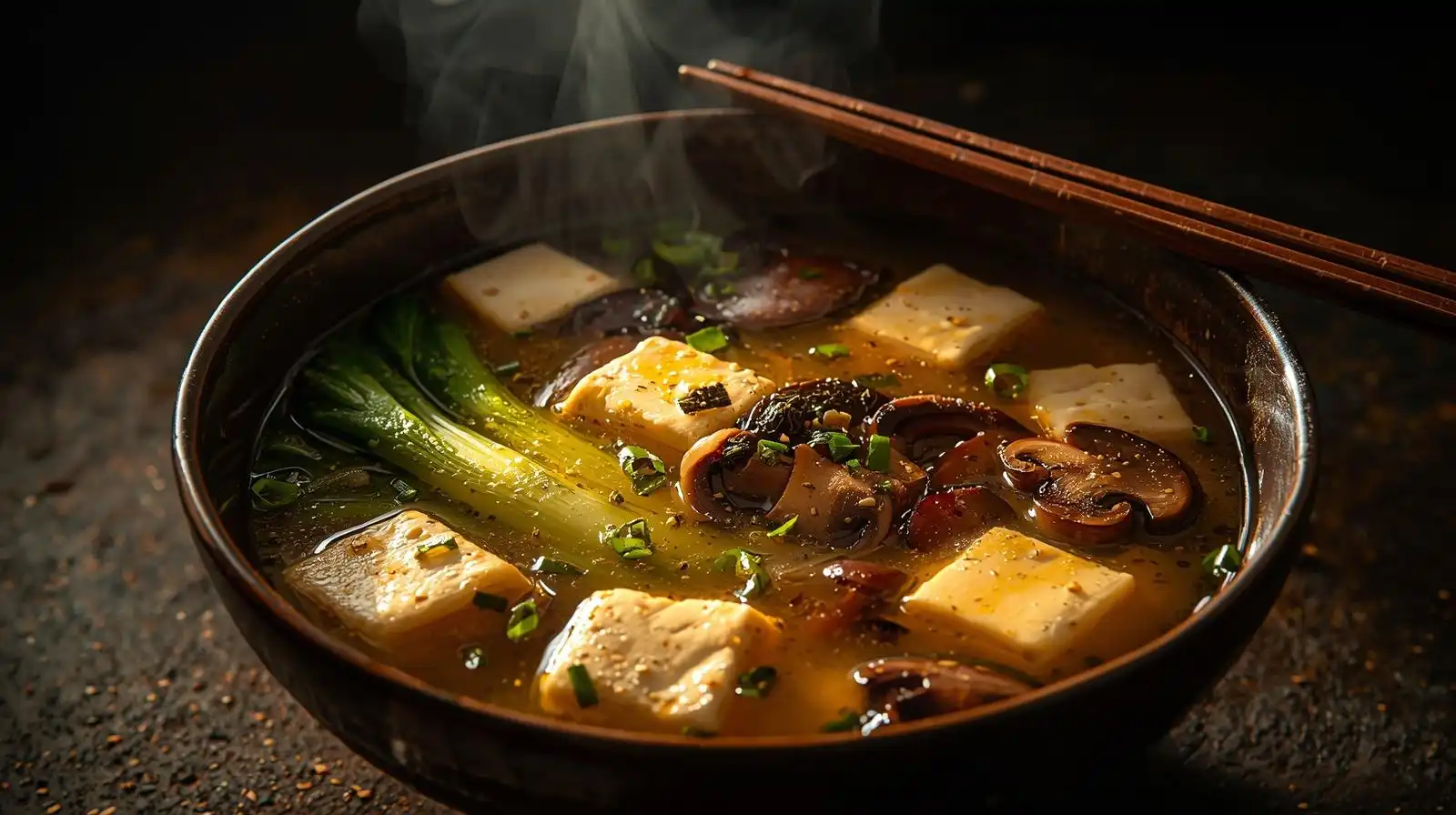
15 Tofu Soup: The Ultimate Guide to Making Every Style of This Nourishing Bowl
Few dishes on this planet deliver warmth, nourishment, and genuine comfort as effortlessly as tofu soup. It’s the kind of bowl that fixes a bad day, fuels a busy morning, and impresses dinner guests without demanding hours of your time. From Japan’s delicate miso-based versions to Korea’s fiery, bubbling sundubu jjigae, this humble soup spans continents and cultures with remarkable grace. Whether you’re a complete beginner or a seasoned home cook looking to expand your repertoire, this guide covers every style, every technique, and every secret worth knowing.
What Is Tofu Soup and Why It Is the Most Nourishing Bowl You Can Make
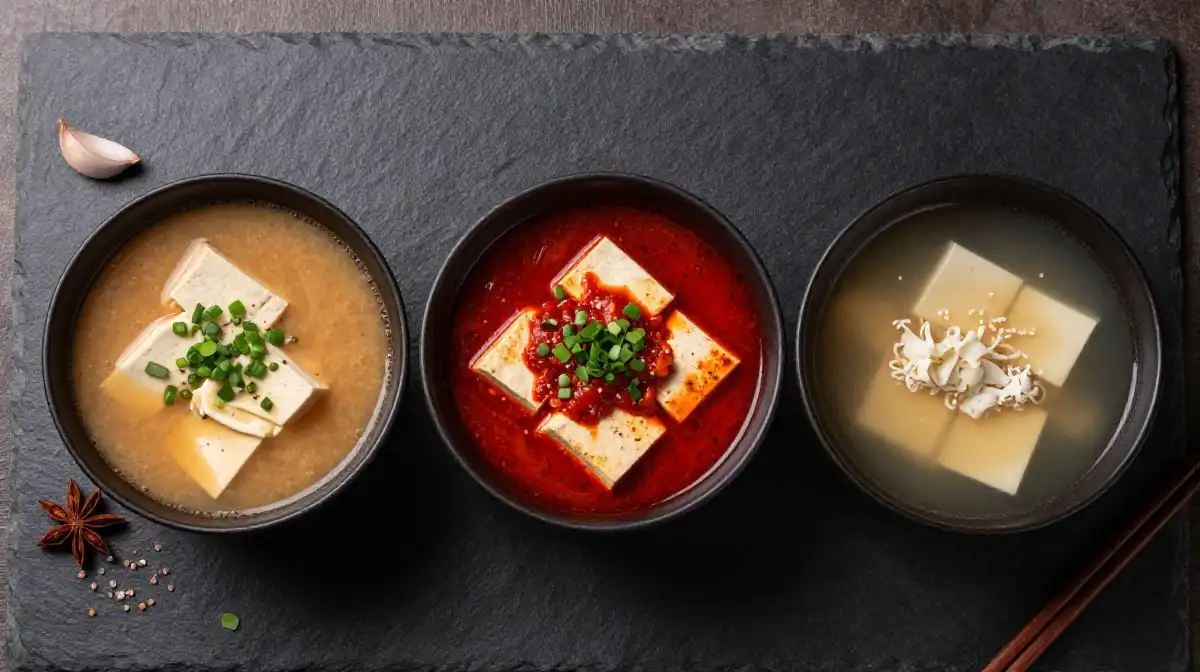
Tofu soup is a broad category of broth-based dishes built around tofu as the primary protein. It spans Japanese, Korean, Chinese, and Southeast Asian culinary traditions — each culture contributing its own distinct flavors, textures, and techniques. At its core, tofu soup recipe always centers on a well-seasoned broth, tender tofu, and carefully chosen aromatics that work together harmoniously.
What makes healthy tofu soup so genuinely exceptional from a nutritional standpoint is its remarkable density of plant-based protein, calcium, iron, and manganese packed into an incredibly low-calorie package. According to Healthline, a single half-cup serving of tofu delivers approximately 10 grams of complete protein containing all nine essential amino acids. Tofu soup comfort food status is fully earned — warm, deeply savory, endlessly customizable, and genuinely good for your body from the first spoonful to the last.
Best Types of Tofu to Use for Perfect Tofu Soup Every Time
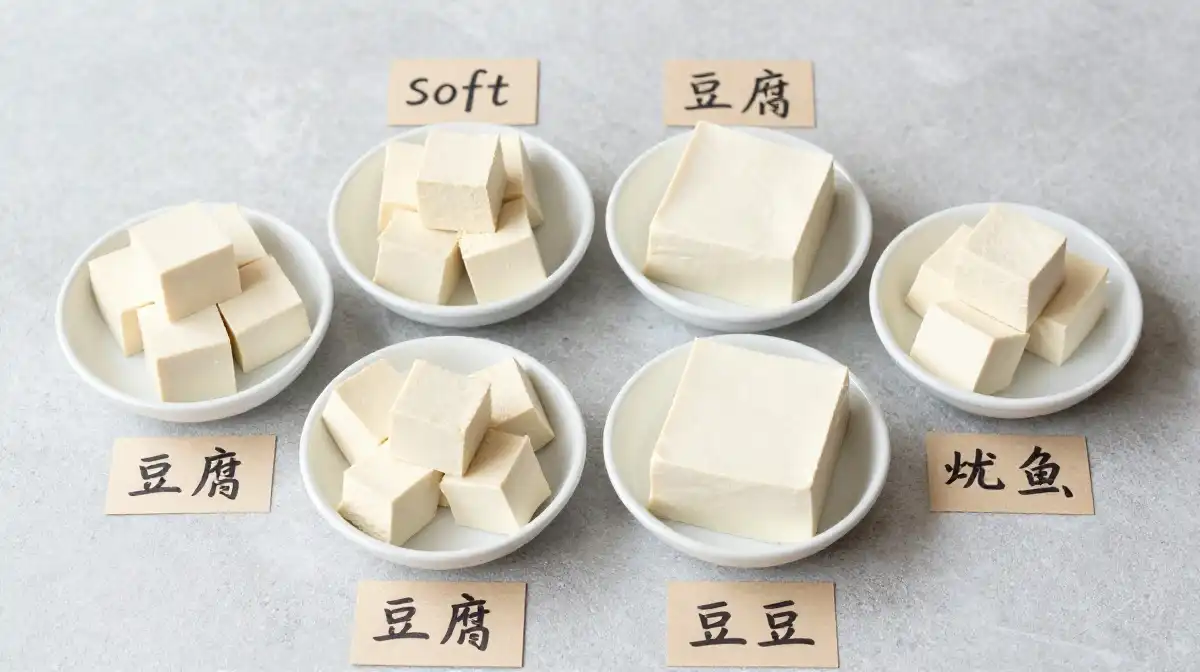
Tofu selection makes a bigger difference than most beginner cooks expect. Silken tofu — the softest variety available — dissolves almost meltingly into hot broth and creates a delicate, custard-like texture that defines Japanese and Korean soft tofu soups. It’s fragile and requires gentle handling but rewards that care with an extraordinary silky mouthfeel unlike anything else.
Firm tofu and extra firm tofu hold their shape brilliantly during longer simmering and vigorous stirring — making them ideal for tofu soup with vegetables where you want distinct, defined pieces rather than crumbling chunks throughout the bowl. Soft tofu sits beautifully between these extremes, offering enough structure to stay intact while still absorbing broth flavors deeply. What type of tofu is best for soup depends entirely on your intended style — silken for delicate Japanese and Korean versions, firm for heartier Chinese-style and vegetable-loaded preparations.
| Tofu Type | Texture | Best Soup Style |
|---|---|---|
| Silken Tofu | Ultra soft, custard-like | Miso soup, sundubu jjigae |
| Soft Tofu | Tender, slightly firm | Korean stews, light broths |
| Firm Tofu | Holds shape well | Vegetable soups, noodle soups |
| Extra Firm Tofu | Dense, chewy | Hearty broth soups, meal prep |
Best Broth and Base Options for a Rich and Flavorful Tofu Soup
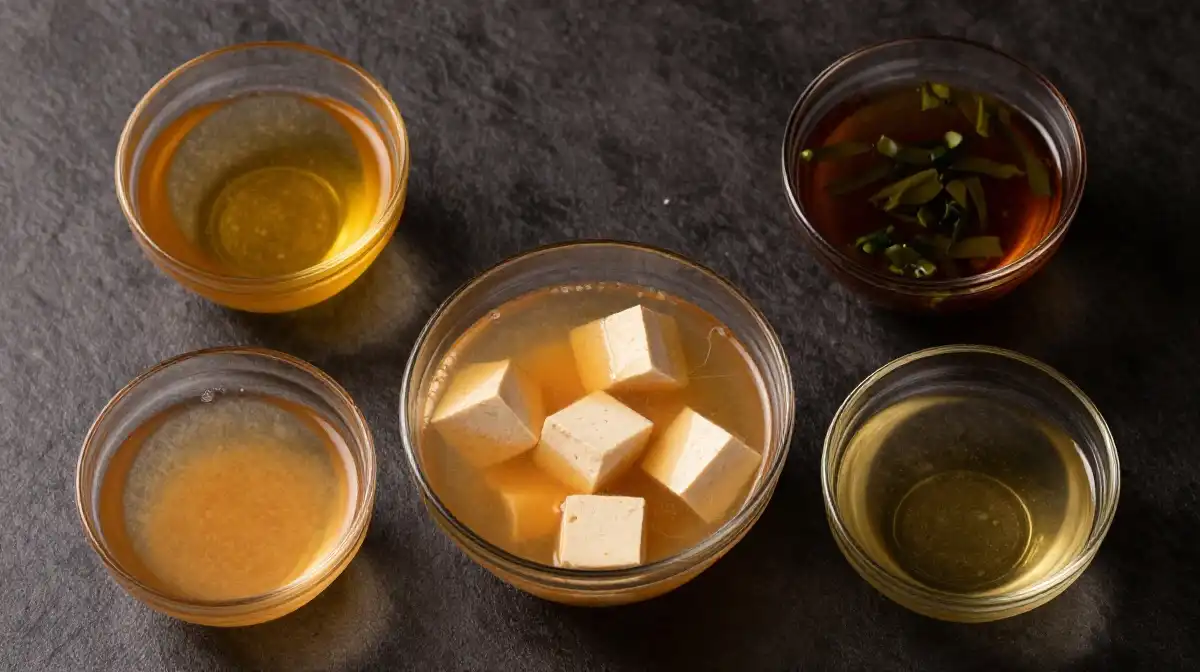
The broth is everything. A weak, flat broth produces a forgettable soup regardless of how perfect your tofu is. What broth is best for tofu soup depends on the regional style you’re pursuing but a few universal principles apply across every version. Depth, umami, and balance define a great soup base.
Dashi broth — made from kombu seaweed and bonito flakes — forms the foundational base of Japanese tofu soup and delivers a clean, oceanic umami that no other broth replicates. Vegetable broth forms the backbone of vegan tofu soup preparations and works beautifully when fortified with shiitake mushrooms, soy sauce, and ginger. Chicken broth adds rich, savory depth to Chinese-style versions. Miso paste dissolved into any of these bases transforms a simple broth into something profound — add it off heat always to preserve its delicate probiotic cultures and nuanced fermented flavor.
Best Vegetables and Add-Ins for a Complete Tofu Soup Bowl
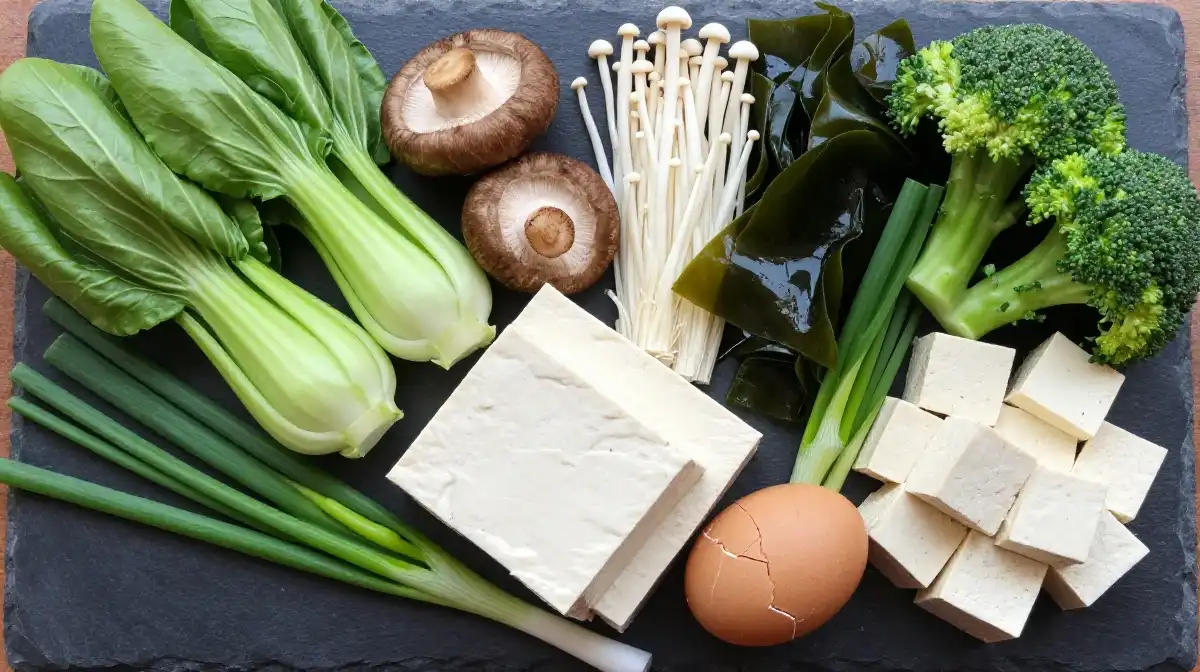
Vegetables turn a simple tofu soup into a genuinely complete, satisfying meal. Bok choy is perhaps the most versatile addition — its tender leaves wilt beautifully into broth while its crisp white stems add textural contrast. Add it in the final two minutes of cooking so it stays vibrant green rather than turning dull and overcooked.
you may also like this: 13 Easy Quinoa Vegetable Soup That Is Hearty Healthy and Ready in 30 Minutes
Shiitake mushrooms and enoki mushrooms both contribute deep, woodsy umami that amplifies the broth’s savory quality dramatically. Tofu soup with seaweed — particularly wakame or nori — adds oceanic minerality and stunning visual contrast in the bowl. Tofu soup with broccoli provides satisfying crunch and impressive nutritional density. Tofu soup with eggs — a soft-poached or beaten egg stirred in during the final minute — creates silky ribbons throughout the broth and adds another layer of protein. Green onions scattered generously over the finished bowl add fresh, sharp brightness that cuts through rich broth beautifully.
How to Make Classic Tofu Soup From Scratch Step by Step
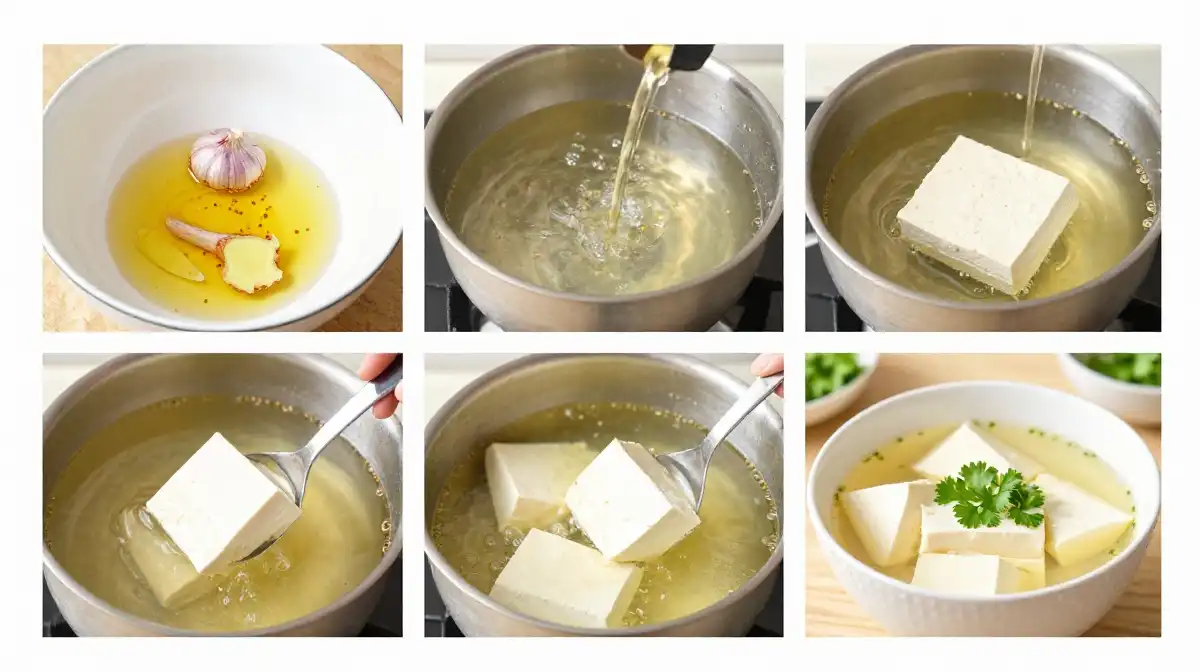
How to make tofu soup from scratch follows a logical sequence that becomes second nature after the first attempt. Start by building your broth base in a medium saucepan over medium heat. Heat one teaspoon of sesame oil and sauté two cloves of minced garlic and one teaspoon of freshly grated ginger for 60 seconds until fragrant — never longer or they’ll turn bitter.
Add four cups of vegetable broth or dashi broth and bring to a gentle simmer. Add sliced shiitake mushrooms and cook five minutes. Carefully add cubed silken tofu or soft tofu using a spoon rather than tongs to avoid breaking it unnecessarily. Season with soy sauce — start with two tablespoons and adjust to taste. Add bok choy leaves in the final two minutes. Ladle into bowls and finish with green onions, a few drops of sesame oil, and a small pile of seaweed rehydrated separately. How to make tofu soup for beginners truly doesn’t get simpler or more rewarding than this foundational method.
How to Make Japanese Tofu Miso Soup the Traditional Way
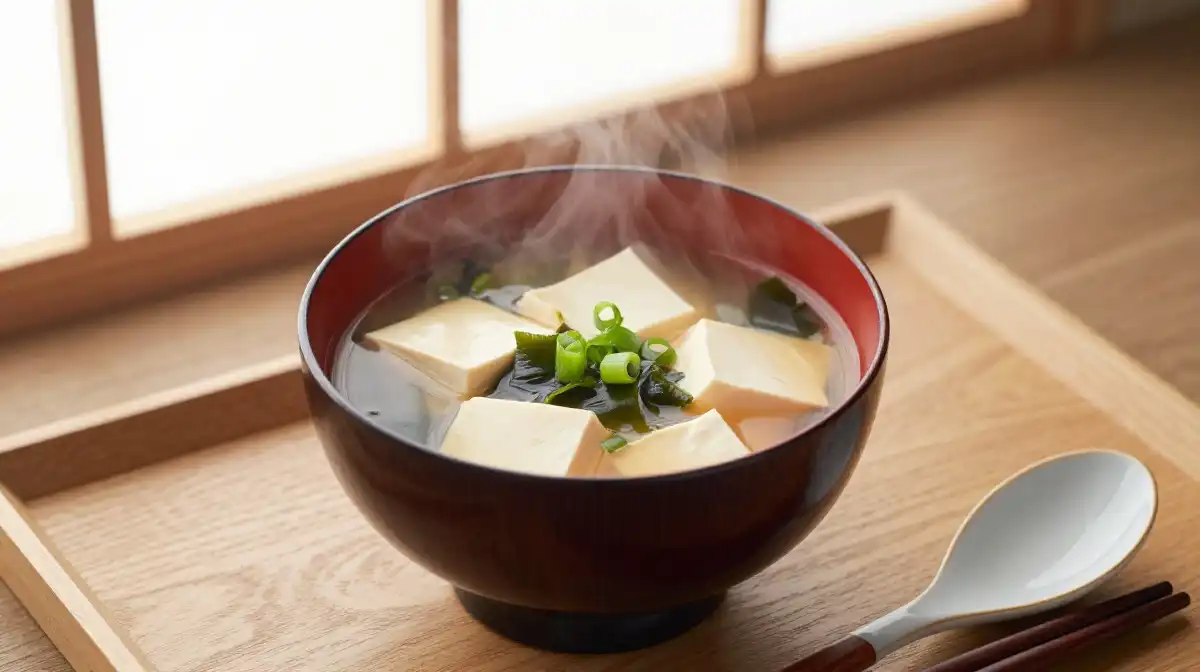
How to make Japanese tofu miso soup authentically requires understanding one rule that Japanese home cooks consider almost sacred — never boil your miso. Boiling destroys the beneficial enzymes and probiotic cultures that make miso genuinely healthy and simultaneously evaporates its most delicate aromatic compounds, leaving a flat, one-dimensional flavor.
Tofu miso soup the traditional way starts with dashi. Bring four cups of cold water to a simmer with one piece of dried kombu seaweed — remove the kombu just before boiling. Add a small handful of bonito flakes, steep three minutes off heat, then strain. Return the clear dashi to low heat and add cubed silken tofu and rehydrated wakame seaweed. Remove from heat completely before dissolving two to three tablespoons of miso paste directly into the soup using a small strainer to prevent lumps. Ladle immediately into warmed bowls and garnish with green onions. Tofu soup with soy sauce — add just half a teaspoon alongside the miso for extra depth without overpowering the delicate dashi base.
How to Make Korean Spicy Tofu Soup With Bold Gochugaru Heat
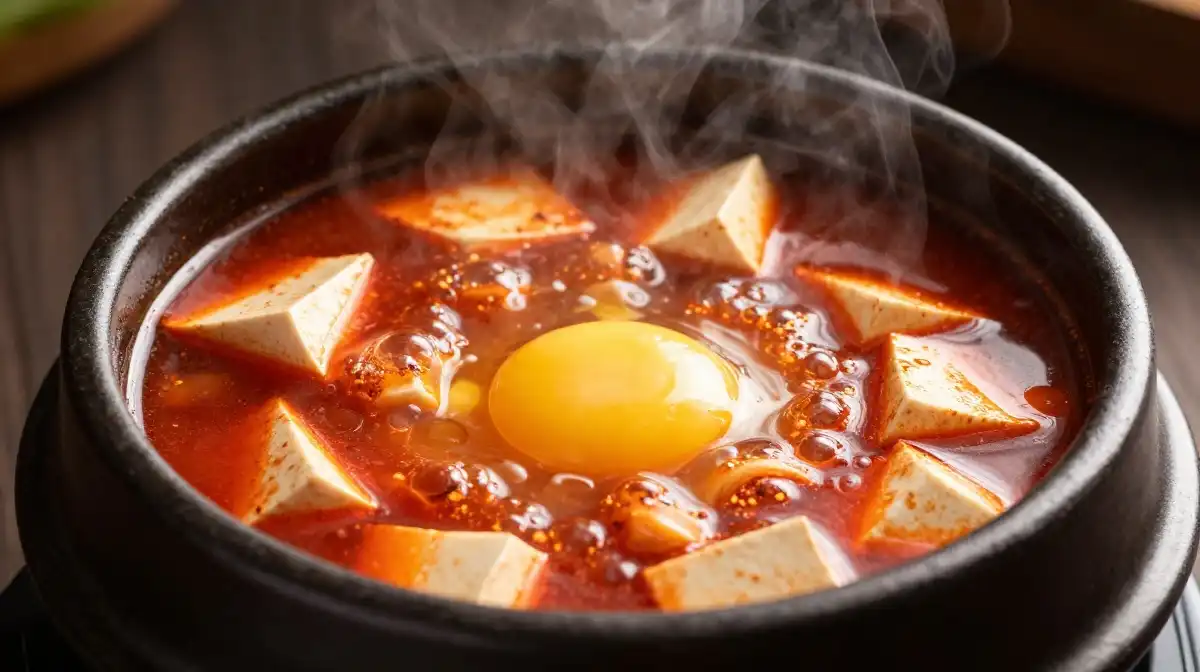
How to make Korean tofu soup — specifically sundubu jjigae — starts with understanding that this dish is fundamentally built on aggressive, layered heat balanced by the cooling gentleness of silken tofu. It’s a study in contrasts. Fiery and soothing. Bold and delicate. Loud and comforting simultaneously.
Heat one tablespoon of sesame oil in a small stone pot or heavy saucepan over medium-high heat. Add two tablespoons of gochugaru — Korean red pepper flakes — and stir constantly for 30 seconds until the oil turns deeply crimson and fragrant. Add minced garlic and ginger and cook another 60 seconds. Add gochujang paste for additional fermented chile depth — one tablespoon transforms the base into something genuinely extraordinary. Pour in two cups of vegetable broth or anchovy stock and bring to a boil. Carefully add one package of silken tofu in large spoonfuls directly into the bubbling broth. Crack one raw egg into the center of the soup and cover immediately — the residual heat cooks it to soft-set perfection in two minutes. Spicy tofu soup this way is one of the most satisfying bowls of food imaginable.
How to Make Vegan Tofu Soup With Mushrooms and Bok Choy
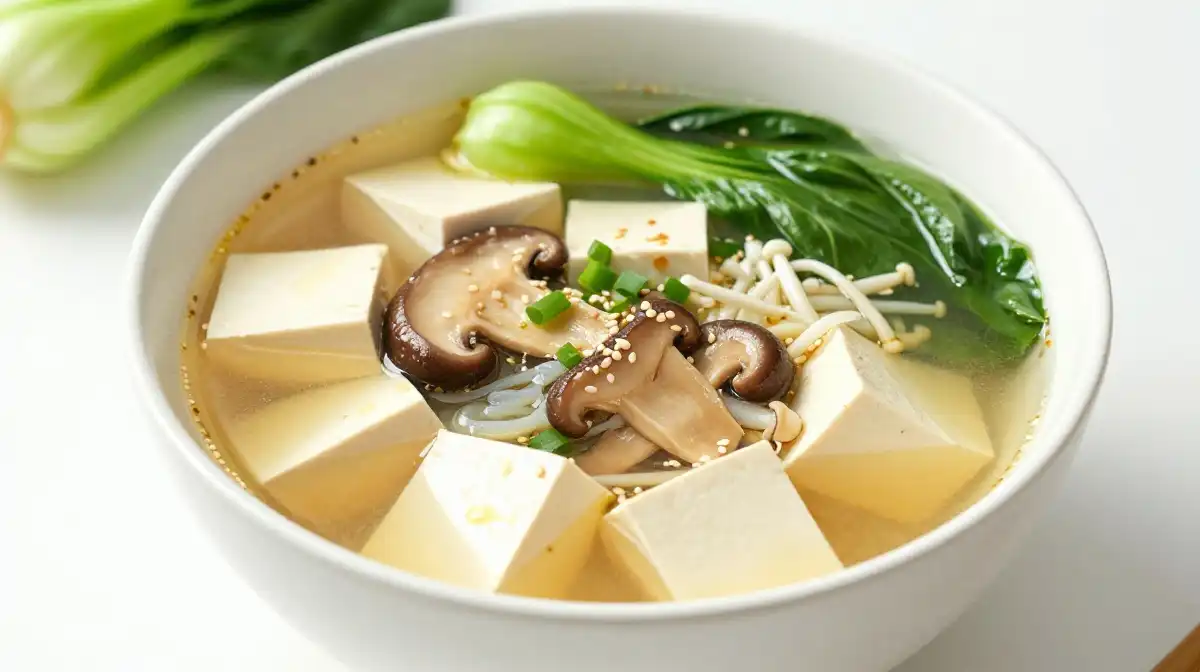
How to make vegan tofu soup that delivers genuine depth without any animal products requires one strategic building block — a mushroom-forward broth that generates serious umami from entirely plant-based sources. Dried shiitake mushrooms soaked in cold water for 30 minutes produce a broth so rich and savory that even committed meat eaters find it completely satisfying.
Use that shiitake soaking liquid as your primary broth — it’s liquid umami gold that most recipes wastefully discard. Add vegetable broth to extend the volume and season generously with soy sauce, rice vinegar, and sesame oil. How to make tofu soup with mushrooms and bok choy vegan style means adding both enoki mushrooms and rehydrated shiitakes for textural contrast. Bring the broth to a gentle simmer and add firm tofu cubes — they hold their shape better than silken in this heartier preparation. Add bok choy stems first for three minutes then add the leafy tops for the final 90 seconds. Finish with green onions and a swirl of sesame oil. Tofu soup with ginger — add an extra half-teaspoon of fresh grated ginger at the very end for a clean, sharp brightness that elevates every other flavor around it.
How to Make Tofu Soup With Noodles for a Hearty Complete Meal
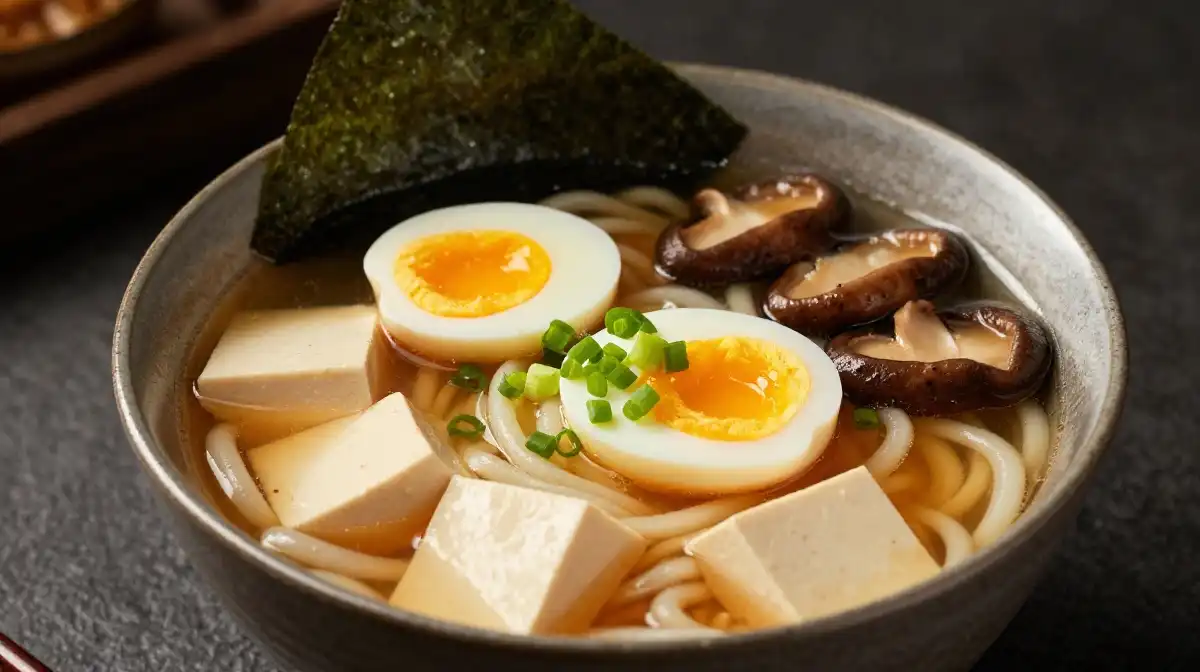
How to make tofu soup with noodles transforms a light starter into a genuinely substantial main course that satisfies even the hungriest dinner table. Noodle choice matters significantly. Soba noodles add nutty, earthy depth. Rice noodles keep the soup gluten-free and contribute a clean, neutral base. Udon noodles — thick, chewy, and wonderfully slippery — create the most satisfying textural contrast against soft tofu cubes.
Cook your noodles separately in unsalted boiling water according to package directions and always — always — rinse them under cold water after draining. This stops carryover cooking and removes excess surface starch that would otherwise cloud your beautiful broth and make everything clump together unpleasantly. Place cooked noodles in your serving bowl first then ladle hot soup over them rather than cooking noodles directly in the broth. Tofu soup with noodles finished with a soft-boiled egg halved lengthwise, green onions, a sheet of nori, and a drizzle of sesame oil creates a bowl visually stunning enough to photograph and emotionally satisfying enough to eat twice in one sitting.
How to Make Creamy Tofu Soup That Warms You to the Core
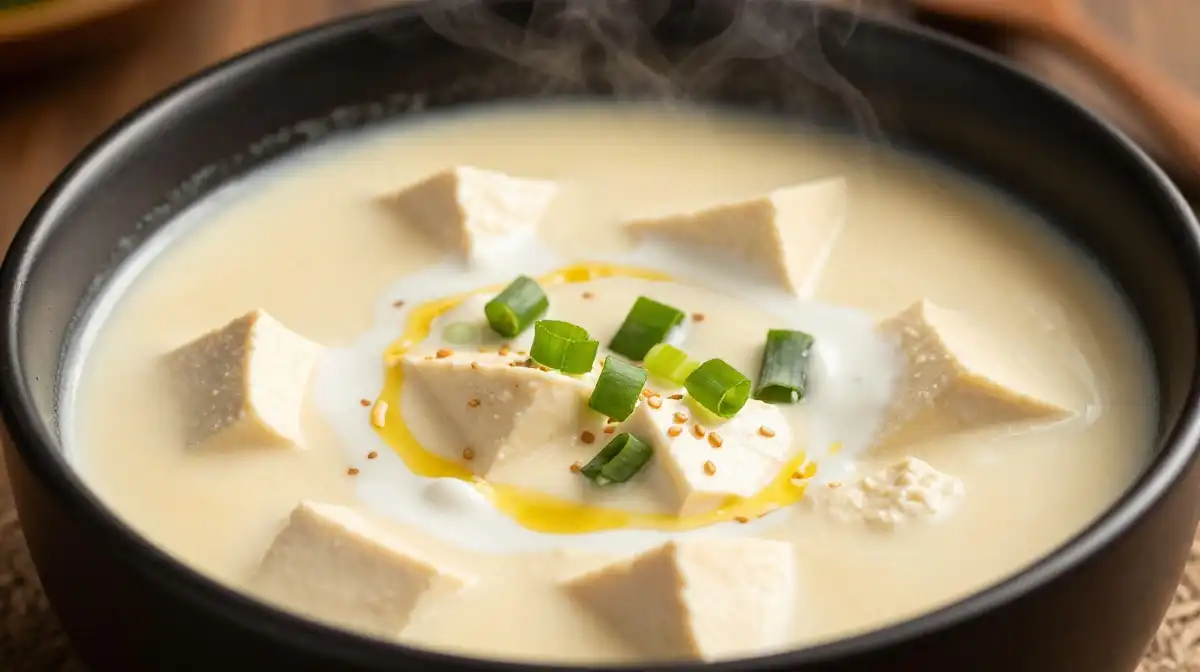
How to make tofu soup creamy without using any dairy requires one brilliant technique that most Western cooks haven’t discovered yet. Blend a portion of the silken tofu directly into the broth before adding the remaining cubed tofu pieces. The blended tofu emulsifies into the liquid and creates a naturally creamy, velvety texture that feels indulgent without a single gram of cream or butter involved.
Start by blending one-third of your silken tofu with two cups of hot vegetable broth until completely smooth — use an immersion blender directly in the pot for the easiest cleanup. Return this creamy base to your pot and add remaining broth and seasoning. Add cubed firm tofu pieces for textural contrast against the silky background. Tofu soup with garlic — roasted rather than raw — contributes a mellow, sweet creaminess that amplifies this effect beautifully. Finish with white miso dissolved off heat and a swirl of sesame oil. This version rivals any cream-based Western soup for sheer comfort and warmth.
How to Season and Flavor Your Tofu Soup Like a Professional
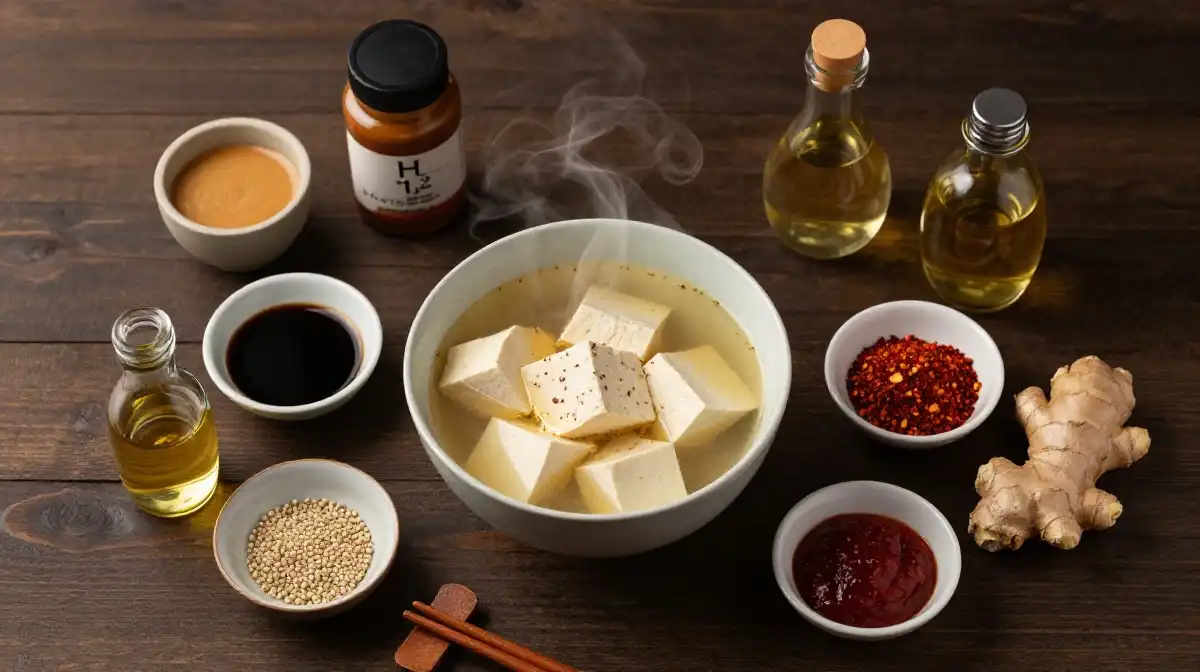
How to season tofu soup correctly separates a forgettable bowl from an unforgettable one. Professional cooks season in layers — at every stage of cooking rather than dumping everything in at the end. Start by seasoning your aromatics. Season your broth as it simmers. Taste and adjust right before serving. This sequential approach builds complexity that single-stage seasoning can never achieve.
How to make tofu soup with soy sauce the right way means using it as a seasoning agent rather than a dominant flavor. Start with one tablespoon and build gradually — you can always add more but you can’t take it away. Rice vinegar added in small amounts — half a teaspoon at a time — brightens flat broths instantly without making them taste sour. Sesame oil added only at the very end contributes nutty aromatic depth that cooking destroys completely. A pinch of white pepper adds a different, more floral heat than black pepper and defines authentic Chinese and Japanese soup seasoning profiles. Taste every time you add something new. Your palate is the most important tool in your kitchen.
How to Make Tofu Soup in 15 Minutes for Busy Weeknights
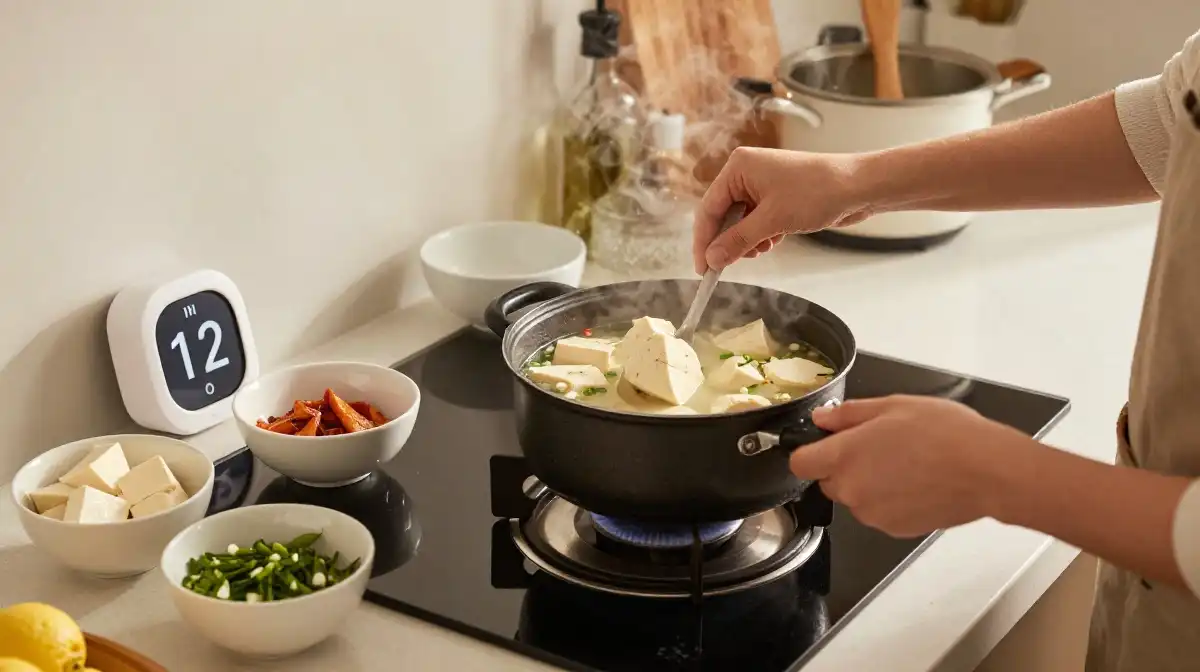
Speed doesn’t have to mean sacrificing flavor. Easy tofu soup in under 15 minutes is genuinely achievable when you organize your ingredients strategically before turning on the heat. Mise en place — everything prepped and ready — is the professional kitchen secret that makes fast cooking actually work rather than turning into a stressful scramble.
Start with store-bought vegetable broth or dashi broth already in the pot on high heat. While it heats, mince garlic and ginger and slice your green onions. Dissolve miso paste in a small bowl with two tablespoons of hot broth beforehand so it’s ready to add instantly. Tofu soup one pot cooking means everything goes into the same vessel — broth, aromatics, mushrooms, tofu, and greens — in a precise sequence that takes advantage of residual heat at every stage. Tofu soup with bok choy wilts in 90 seconds. Silken tofu needs only two minutes to warm through. Total active cooking time from cold start to steaming bowl genuinely runs under 15 minutes when you stay organized and focused.
How to Make Tofu Soup for Meal Prep and Easy Weeknight Dinners
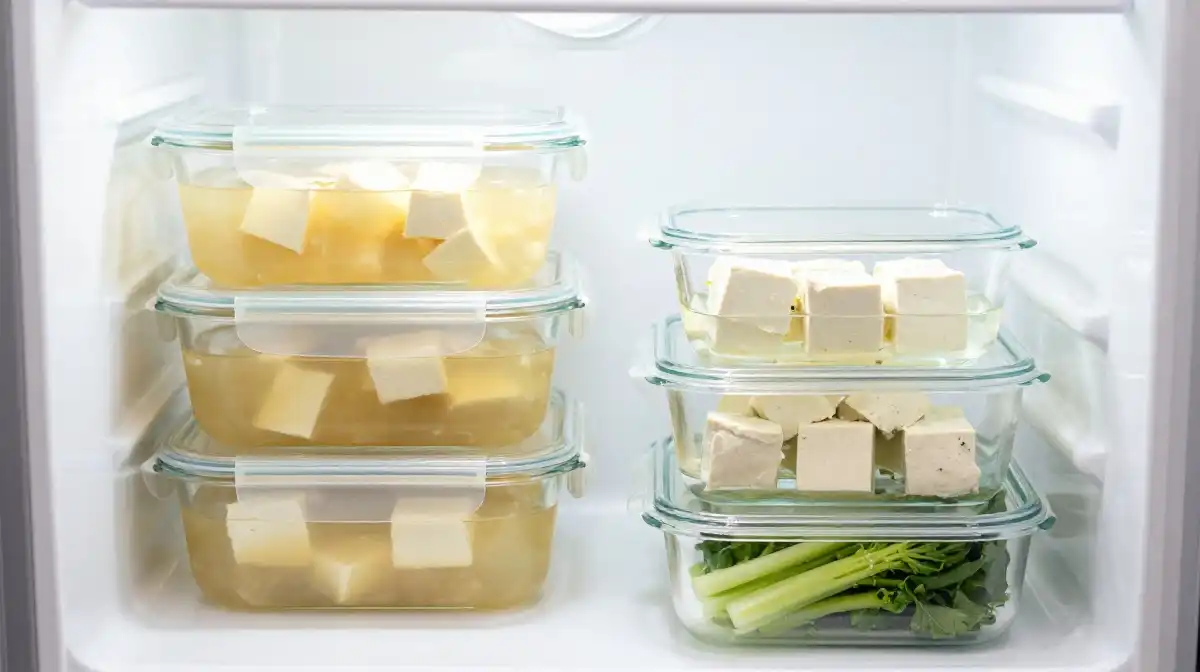
Tofu soup meal prep done strategically gives you four to five complete dinners built from a single Sunday cooking session. The key insight most people miss is that broth and toppings should be stored separately from the tofu — tofu left sitting in broth for days absorbs liquid unevenly and develops a spongy, unpleasant texture that undermines the entire dish.
How to make tofu soup for meal prep efficiently means making a large batch of seasoned broth and storing it in a large airtight container. Store cubed tofu separately in cold water changed daily — this keeps it fresh and firm for up to five days. Prep your vegetables and store them in individual containers by cooking time — longer-cooking vegetables like broccoli and mushrooms in one container, quick-cooking greens like bok choy and spinach in another. Each evening simply heat broth, add vegetables in sequence, add tofu, and season to taste. How to make tofu soup with ginger for meal prep — freeze fresh ginger and grate it directly from frozen for the sharpest, most vibrant flavor in each individual serving.
How to Store and Reheat Tofu Soup Without Losing Flavor
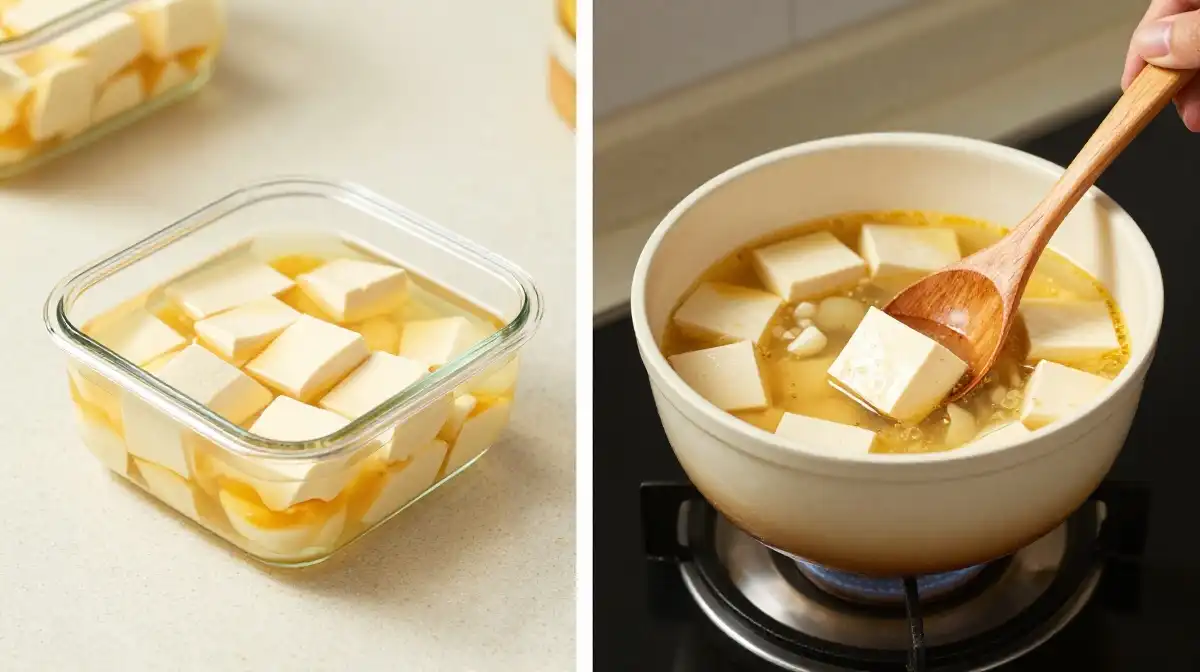
Storing tofu soup properly preserves everything you worked to build. How to store tofu soup leftovers correctly starts with cooling the soup quickly — divide into shallow containers rather than one deep pot so it reaches safe refrigerator temperature within two hours. Never seal hot soup in an airtight container immediately as trapped steam dilutes flavor and creates condensation that waters down your carefully seasoned broth.
Refrigerated tofu soup stays fresh for three to four days in a sealed glass container. How to reheat tofu soup without destroying the tofu’s texture requires gentle, low heat — never a rolling boil. Warm over medium-low heat in a saucepan, stirring occasionally, until steaming throughout. Add a small splash of fresh vegetable broth if the soup has thickened or reduced during storage. If your soup contains miso paste, add a fresh half-teaspoon dissolved in warm broth when reheating — the original miso flavor fades during storage and refrigeration and this small addition restores its depth and nuance beautifully.
Common Tofu Soup Mistakes to Avoid for Perfect Results Every Time
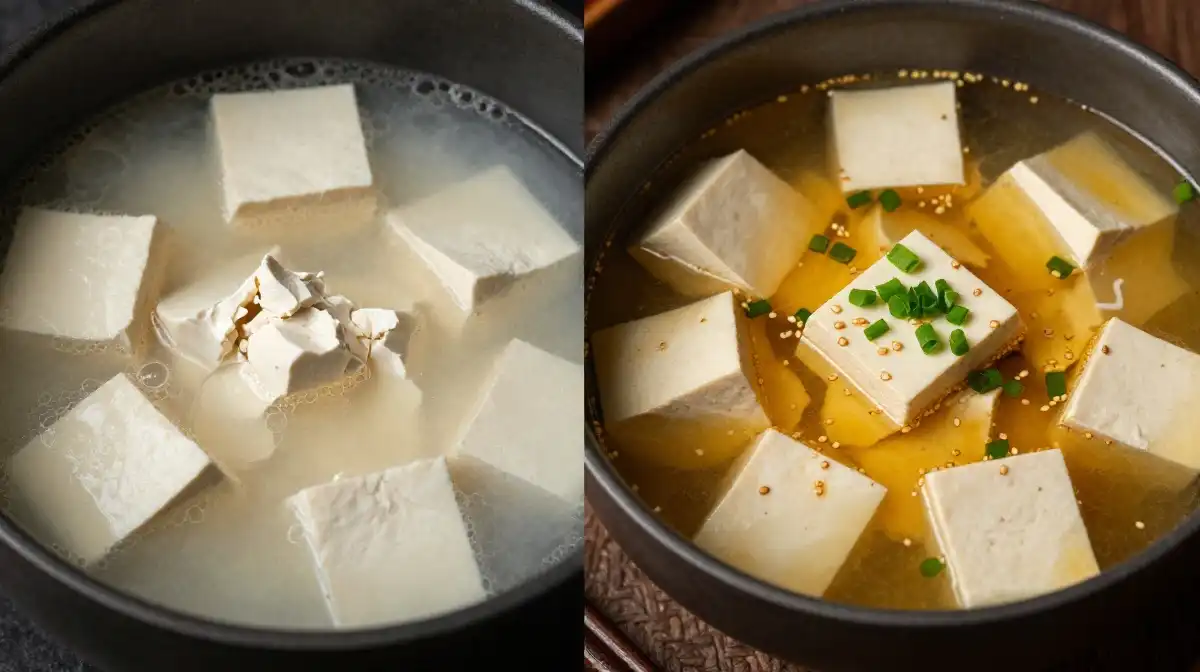
The single most damaging mistake home cooks make with tofu soup is boiling silken or soft tofu aggressively. Silken tofu is extraordinarily fragile — vigorous boiling breaks it into ragged, ugly pieces and completely destroys that prized silky mouthfeel that makes the soup special. Always add delicate tofu to a gentle simmer and treat it with genuine respect.
Another critical error involves skipping the aromatics bloom. Adding raw garlic and ginger directly to cold broth without first sautéing them in sesame oil produces a sharp, one-dimensional flavor that lacks the rounded depth of properly bloomed aromatics. Always give them 60 seconds in hot oil first. Many cooks also boil their miso paste — a genuine tragedy that kills probiotic cultures and evaporates delicate flavor compounds irreversibly. Remove the pot completely from heat before whisking miso in. Finally never skip tasting before serving. How to make tofu soup with soy sauce correctly means adjusting seasoning at the very end — a few extra drops of soy, a squeeze of lime, or a pinch of white pepper transforms a good soup into one your guests will ask about for weeks afterward.



One Comment