13 Pasta Primavera: The Ultimate Spring Vegetable Pasta Recipe That Bursts With Flavor
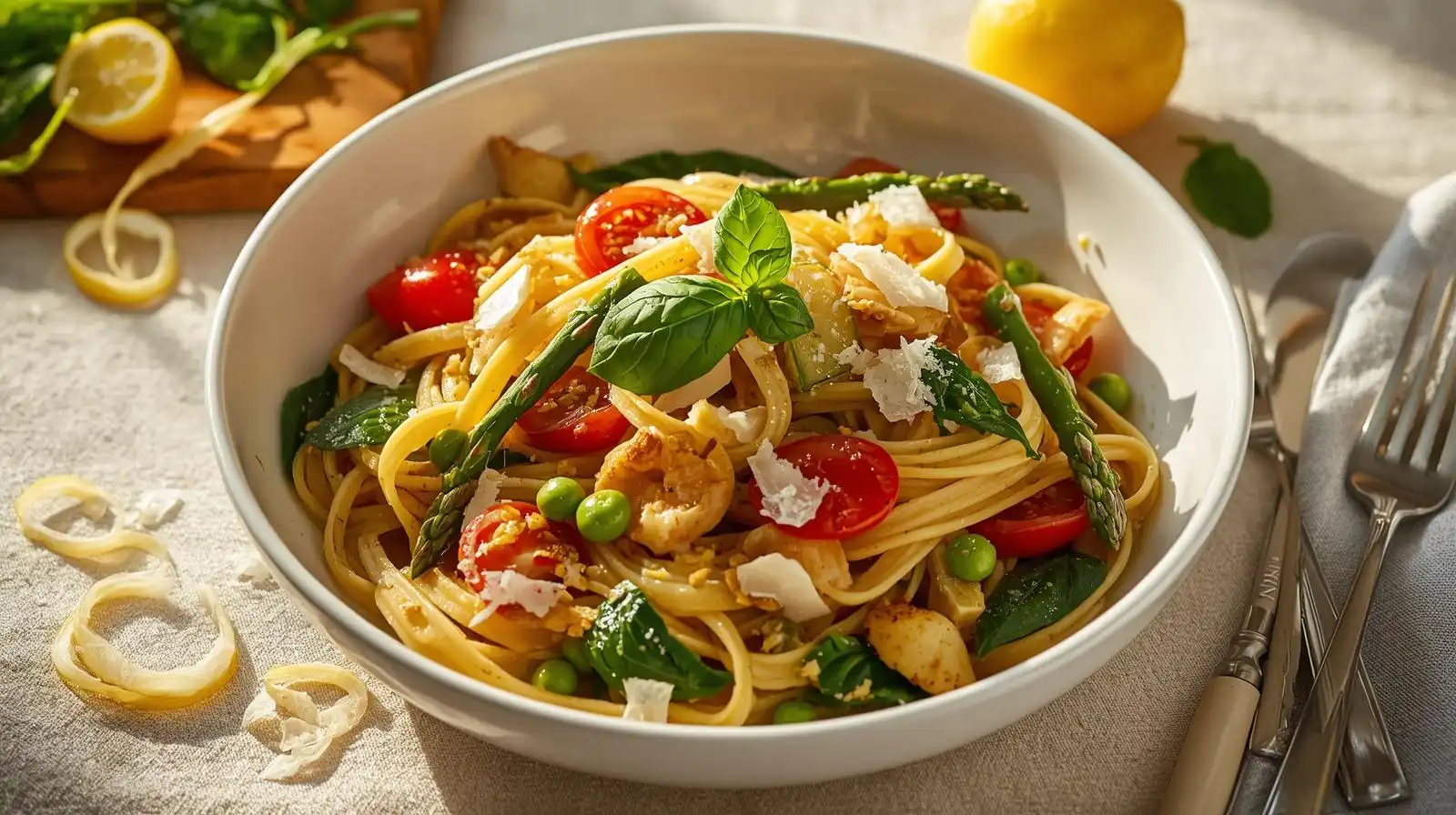
Spring arrives in the kitchen before it arrives anywhere else. The moment pasta primavera hits the pan — asparagus tips turning bright green, cherry tomatoes beginning to blister, zucchini softening in golden olive oil — something genuinely cheerful happens to the entire cooking experience. This isn’t a heavy winter pasta that wraps you in cream and resignation. This is a celebration of fresh vegetables at their seasonal best, tossed with perfectly cooked pasta and a sauce that enhances rather than overwhelms every individual ingredient’s natural character. It’s the kind of dish that makes cooking genuinely fun again.
What Is Pasta Primavera and Why This Classic Dish Deserves a Place on Your Table
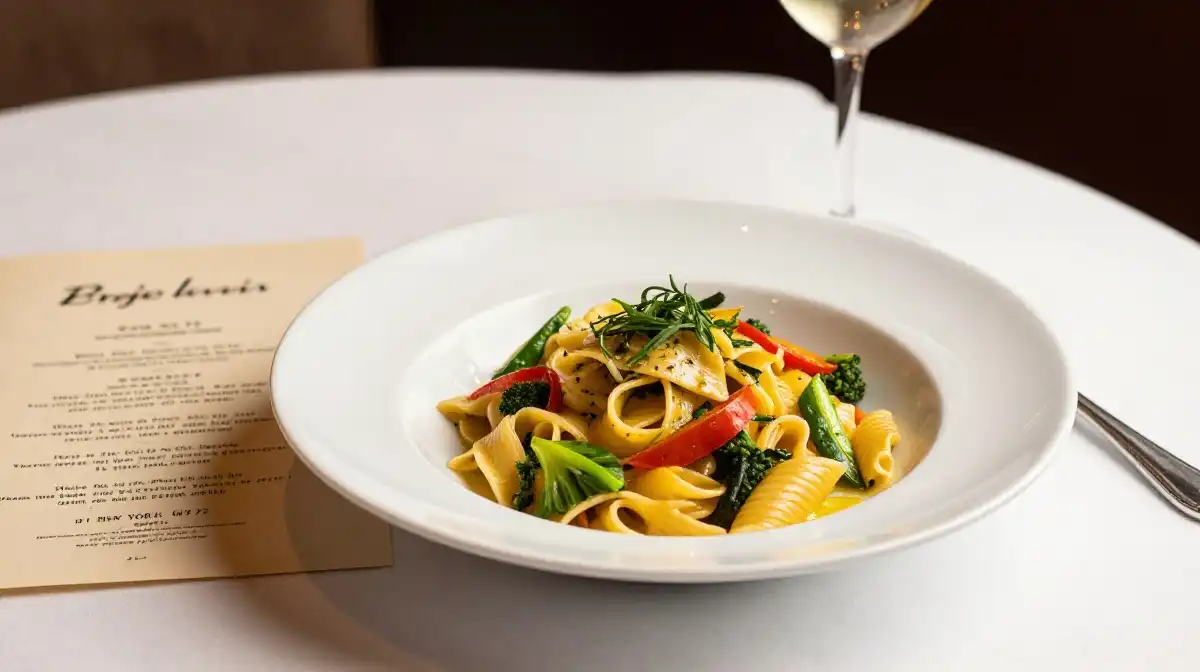
Pasta primavera translates directly from Italian as “spring pasta” — a name that captures the dish’s fundamental character perfectly. Fresh seasonal vegetables, quality pasta, and a light sauce that celebrates the vegetables rather than concealing them beneath heavy flavoring. The dish’s American origin story is genuinely fascinating — classic pasta primavera was created in 1975 at Le Cirque restaurant in New York City by chef Sirio Maccioni, who reportedly invented it to satisfy a pasta-craving guest with whatever spring vegetables were available that day. The spontaneous creation became one of the most requested dishes at one of Manhattan’s most prestigious restaurants — proof that simplicity and quality ingredients create more lasting impressions than elaborate technique and expensive components.
What makes easy pasta primavera so compelling in contemporary American cooking is its extraordinary adaptability to every season, every dietary preference, and every available vegetable combination. The spring version uses the season’s freshest offerings — asparagus, peas, zucchini, and cherry tomatoes — but the concept translates beautifully to summer’s corn and peppers, autumn’s butternut squash and kale, and winter’s roasted root vegetables and spinach. Pasta primavera with vegetables is fundamentally a cooking philosophy as much as a specific recipe — cook whatever vegetables look best today, combine them with pasta and a complementary sauce, and trust that quality fresh ingredients always produce beautiful results when treated with respect and reasonable technique.
Best Pasta Shapes for a Perfect Pasta Primavera Every Time
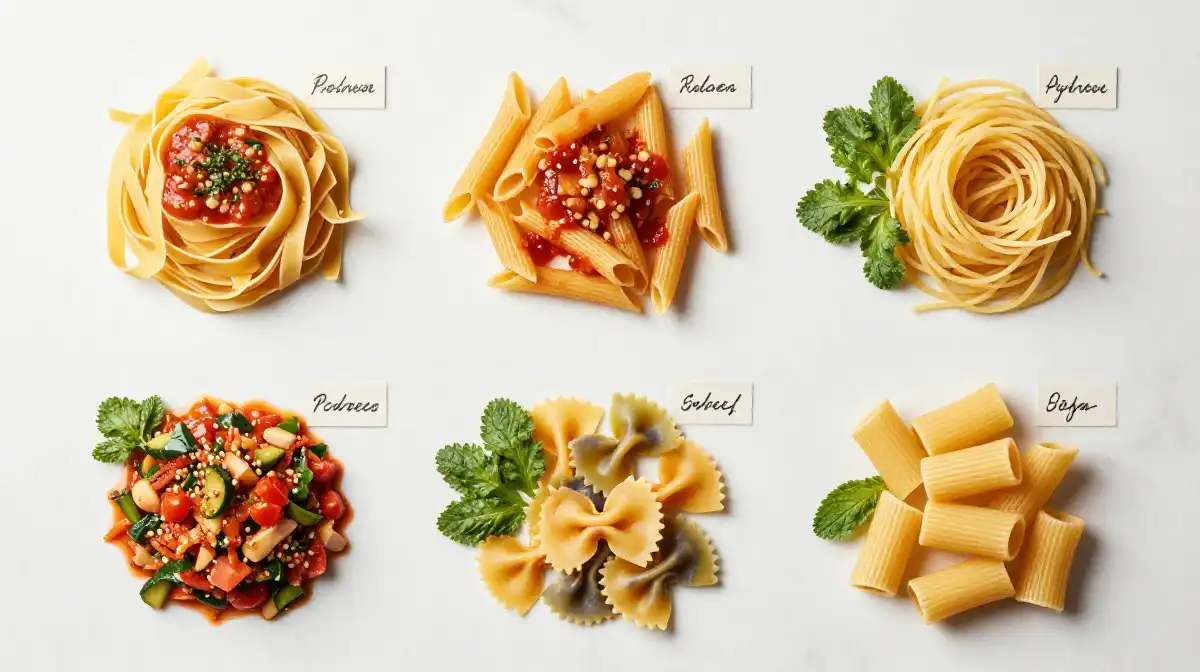
What pasta is best for pasta primavera is a question with genuine practical reasoning behind different shape choices rather than arbitrary preference or mere tradition for its own sake. The pasta must create an eating experience where each forkful contains a balanced combination of pasta and vegetables — too large a pasta shape overwhelms the vegetables while too small a shape gets lost among them. Pasta primavera with fettuccine represents the classic restaurant preparation — the broad flat noodles catch the light sauce beautifully, wrap around vegetable pieces elegantly, and create a luxurious eating experience that narrower pasta shapes cannot replicate. Fettuccine also photographs magnificently which explains its dominance in food media representations of the dish.
Pasta primavera with penne represents the more practical and more home-cook-friendly choice because penne’s tubular shape catches sauce inside each piece while its ridged exterior grips additional sauce on its surface — creating a more intensely flavored pasta experience than smooth shapes achieve with identical sauce quantities. Linguine provides an excellent middle ground between fettuccine’s wide luxurious character and penne’s sauce-catching practicality. Farfalle — bow-tie pasta — creates the most visually playful and most vegetable-complementary presentation since its irregular shape mixes with differently sized vegetable pieces in a natural organic way that feels genuinely spring-like and celebratory rather than uniformly geometric and industrial in character.
| Pasta Shape | Sauce Retention | Vegetable Pairing | Best For | Cook Time |
|---|---|---|---|---|
| Fettuccine | Excellent | Large pieces | Classic restaurant style | 10-12 min |
| Penne | Very Good | Medium pieces | Everyday home cooking | 11-13 min |
| Linguine | Good | Medium-thin pieces | Light olive oil versions | 9-11 min |
| Farfalle | Good | All sizes | Visual presentation | 11-12 min |
| Rigatoni | Excellent | Large chunky pieces | Hearty robust versions | 12-14 min |
Best Spring Vegetables to Use in Your Pasta Primavera Recipe
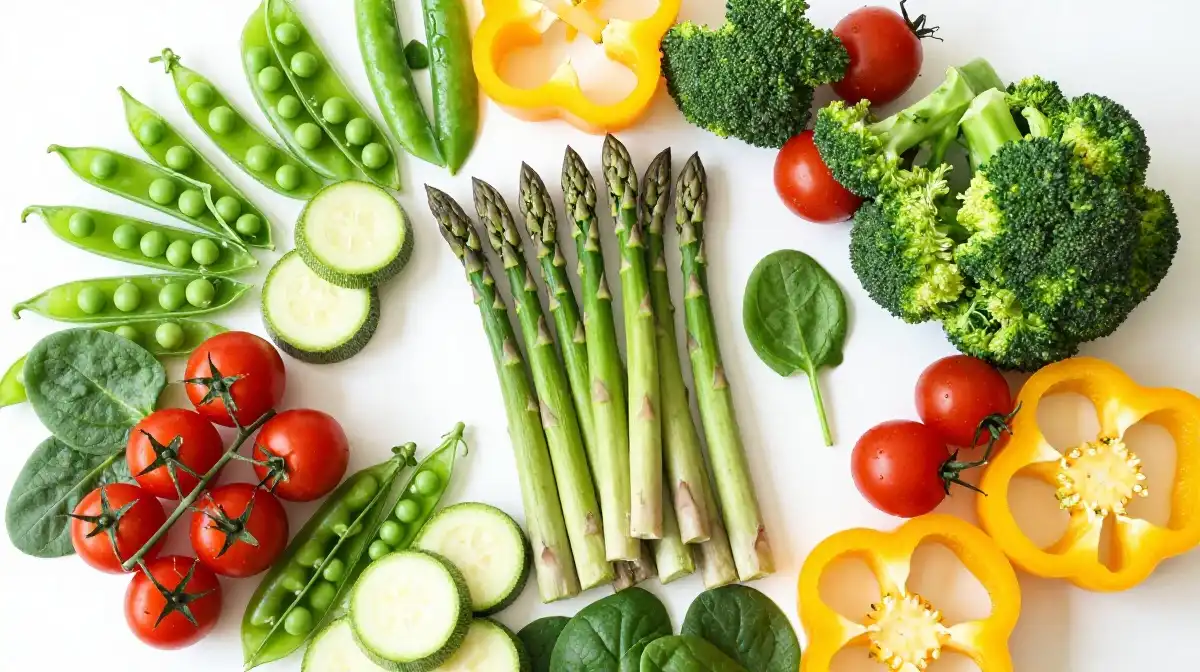
What vegetables go in pasta primavera at the peak of their seasonal quality creates a dish that requires no complex sauce or elaborate technique to taste extraordinary — the vegetables themselves provide the flavor story that everything else merely supports and amplifies. Asparagus cut into one-inch pieces represents the most quintessentially spring vegetable available to American cooks and responds magnificently to the quick high-heat sautéing that pasta primavera with vegetables demands — developing slight char at cut ends while maintaining a crisp-tender interior that preserves its grassy fresh character. Choose medium-thickness spears over pencil-thin varieties for this recipe since thin asparagus overcooks in the time that other vegetables require to properly soften.
you may also like this: 15 Pasta and Peas: The Cozy Italian Comfort Dish That Comes Together in Under 30 Minutes
Pasta primavera with zucchini, pasta primavera with broccoli, pasta primavera with peas, and pasta primavera with cherry tomatoes create the most color-diverse and most nutritionally complete vegetable combination available for a single dish preparation. The cherry tomatoes deserve particular attention — add them to the pan last and cook for only two to three minutes until they just begin to blister and release their juice without losing their structural integrity entirely. That moment when the tomato skins begin to wrinkle and the first tomato bursts releasing its sweet concentrated juice into the surrounding sauce is one of cooking’s genuinely satisfying visual moments. Pasta primavera with spinach adds last — handful of spinach stirred through the finished pasta wilts in thirty seconds from residual heat contributing dark green color and iron-rich nutrition without any additional cooking time required.
How to Make the Perfect Pasta Primavera Sauce From Scratch
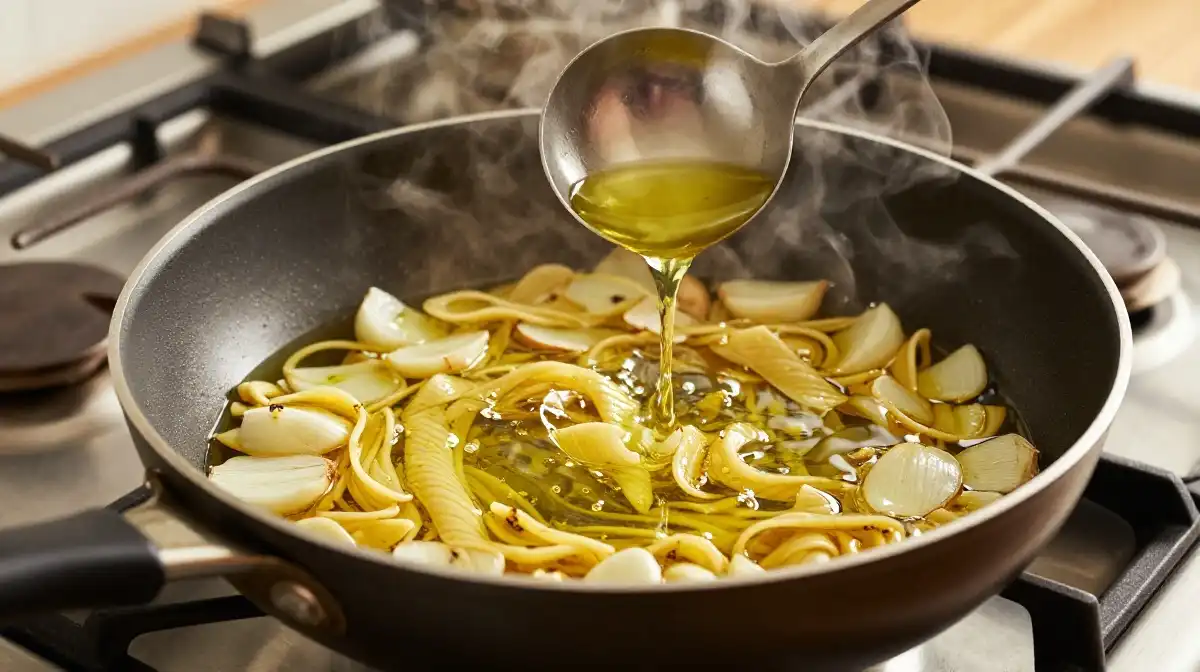
How to make pasta primavera sauce that genuinely elevates the vegetables rather than competing with them requires understanding the fundamental philosophy that distinguishes excellent pasta primavera recipe sauce from mediocre versions — the sauce should taste of nothing beyond the vegetables themselves amplified by quality olive oil, garlic, and selective dairy or acid additions that enhance rather than mask the vegetables’ natural character. Start by sautéing minced garlic and sliced shallots in generous extra-virgin olive oil over medium heat until softened and fragrant — this aromatic base flavors the oil that subsequently coats every ingredient in the dish throughout the remaining preparation stages.
How to make pasta primavera from scratch sauce development continues by adding a splash of the pasta cooking water — the starchy, salted liquid that most home cooks discard thoughtlessly — to the sautéed aromatics and vegetable pan before adding the cooked pasta. This pasta water addition creates the natural emulsification that binds the olive oil and residual vegetable juices into a cohesive light sauce that coats each pasta strand with a silky consistency that no cream or cheese could replicate at equivalent lightness. The lemon juice and lemon zest addition in the final thirty seconds before serving brightens every other flavor simultaneously — the citric acid cuts through the oil’s richness while the zest’s aromatic oils add a fragrance that makes the completed sauce smell as good as it tastes.
How to Make Classic Creamy Pasta Primavera Step by Step
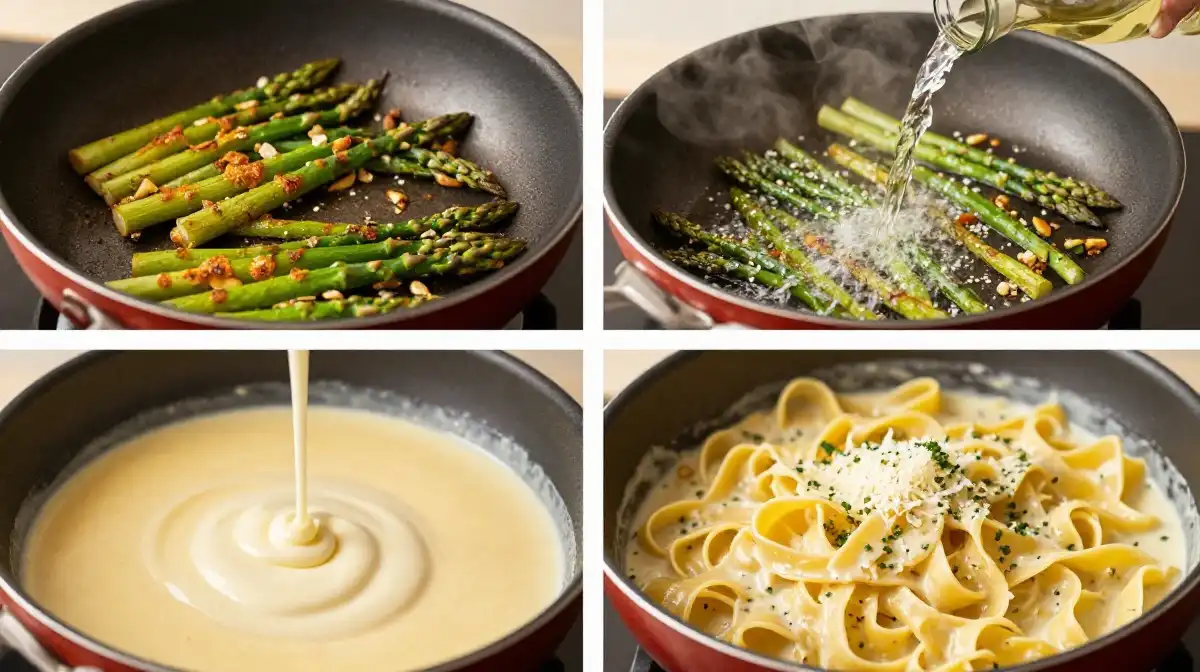
How to make creamy pasta primavera that achieves genuine luxury without becoming so heavy that the vegetables disappear beneath a blanket of cream requires a specific approach to dairy addition that preserves the dish’s fundamental fresh vegetable character while adding meaningful richness. Cook your chosen pasta in generously salted water until two minutes before al dente — it will finish cooking in the sauce. While pasta cooks sauté your vegetables in sequence based on their required cooking times — broccoli and asparagus first for three to four minutes, zucchini and bell peppers for two minutes, cherry tomatoes and peas for the final two minutes. Add garlic and shallots with the first vegetable batch.
Add a quarter cup of white wine to the sautéed vegetables and allow it to reduce for sixty seconds — this wine reduction creates the flavor foundation that distinguishes a genuinely excellent creamy pasta primavera from merely adequate versions that skip this critical step. Add half cup of heavy cream and bring to a gentle simmer for two minutes until slightly thickened. Add the almost-al-dente pasta with half cup of reserved pasta water and finish cooking everything together for two minutes — the pasta starch from the cooking water emulsifies with the cream creating a sauce of remarkable silky consistency. Off heat add generous parmesan cheese, lemon zest, and fresh basil torn rather than chopped — tearing preserves more aromatic oils than knife cutting destroys. How to season pasta primavera at this stage means tasting aggressively and adjusting salt — pasta absorbs salt continuously and the finished dish almost always needs more than you initially applied during cooking.
How to Make Light and Healthy Pasta Primavera With Lemon and Olive Oil
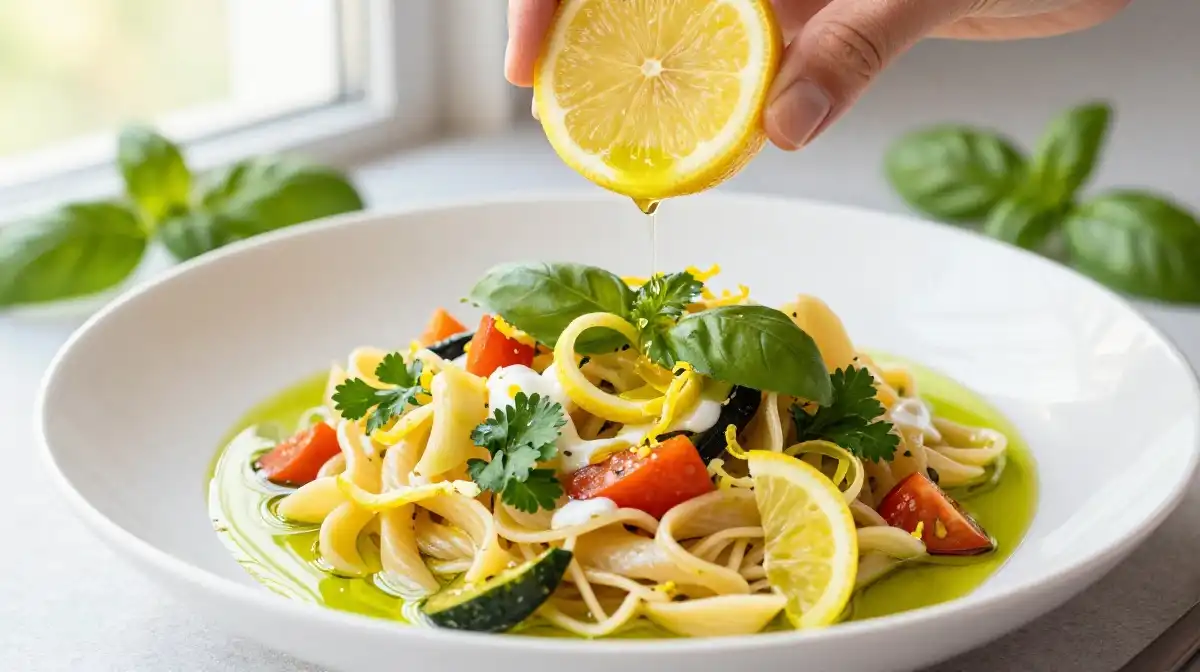
How to make healthy pasta primavera that genuinely earns that descriptor requires building the entire sauce on quality olive oil and lemon juice rather than cream — creating a dish that provides the satisfaction of a proper pasta dinner without the caloric weight of heavy dairy. Pasta primavera healthy preparations use the aglio e olio technique as their sauce foundation — generous extra-virgin olive oil in which garlic slowly infuses over low heat for five to seven minutes until the garlic becomes sweet and golden rather than sharp and raw. This garlic-infused oil becomes the primary sauce carrier that coats every pasta strand and vegetable piece with a deeply savory but entirely light coating that no dairy preparation can replicate in terms of delicate complexity.
How to make light pasta primavera without cream that still tastes genuinely satisfying and genuinely complete relies on pasta water emulsification as the body-building technique that cream conventionally provides in heavier versions. Reserve a full cup of pasta cooking water before draining — add it gradually to the garlicky olive oil base while tossing the pasta vigorously, allowing the starch to build body in the surrounding liquid that mimics cream sauce’s coating quality at a fraction of its caloric content. Pasta primavera with lemon using both juice and zest creates the bright acidic freshness that differentiates genuinely light and vibrant dishes from heavy cream-based preparations that sit in the stomach long after the eating pleasure has subsided.
How to Make Vegan Pasta Primavera With Fresh Herbs and Seasonal Vegetables
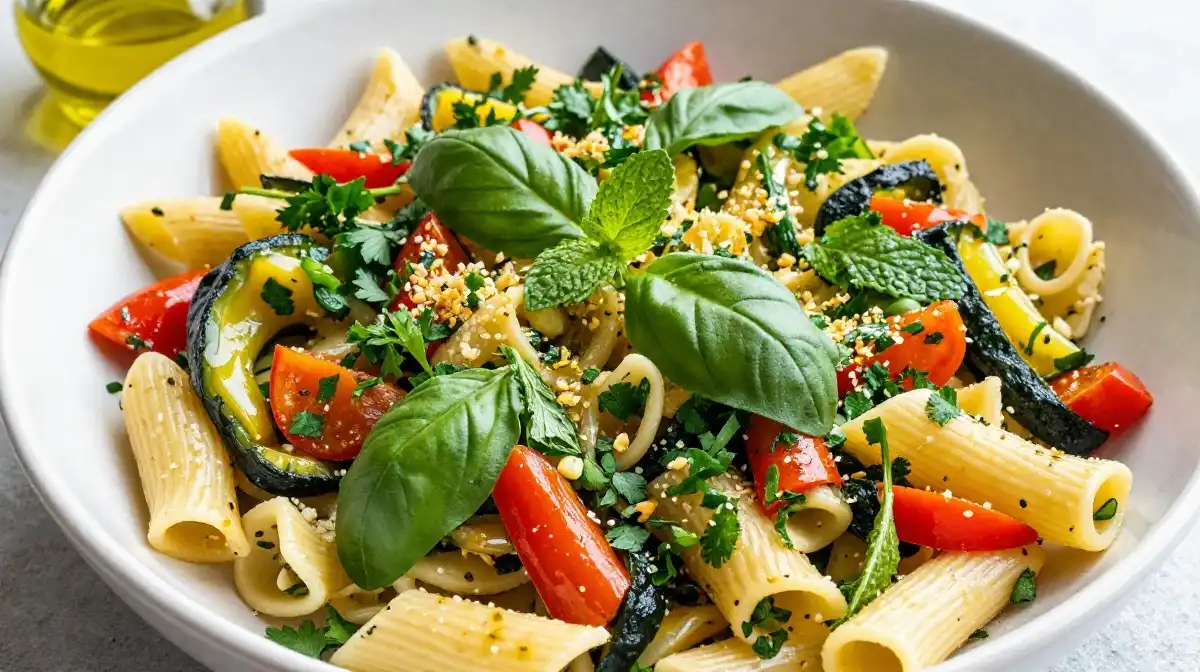
How to make vegan pasta primavera that achieves complete flavor satisfaction without parmesan or cream requires understanding which umami-contributing alternatives create the savory depth that dairy provides in conventional preparations. Pasta primavera vegan versions use nutritional yeast — two tablespoons stirred into the finished pasta — for a nutty cheese-like savory depth that complements the vegetable flavors without dairy involvement. White miso paste — one tablespoon dissolved in warm pasta water — contributes fermented savory complexity through entirely plant-based fermentation chemistry that rivals parmesan’s glutamate contribution in the finished dish’s overall savory character.
How to make pasta primavera with olive oil in a fully vegan preparation means using the most flavorful, most peppery extra-virgin olive oil you can source since the oil shoulders the entire richness responsibility without dairy backup. Californian or Greek extra-virgin olive oils with robust peppery character perform best in vegan pasta preparations where their flavor is the primary richness carrier rather than a supporting ingredient alongside cream or butter. Pasta primavera with herbs — specifically generous torn fresh basil, flat-leaf parsley, and fresh mint in smaller quantities — creates the aromatic freshness and flavor complexity that makes vegan versions genuinely exciting and genuinely complete rather than stripped-down imitations of their dairy-containing counterparts.
How to Make One Pot Pasta Primavera for Easy Weeknight Cooking
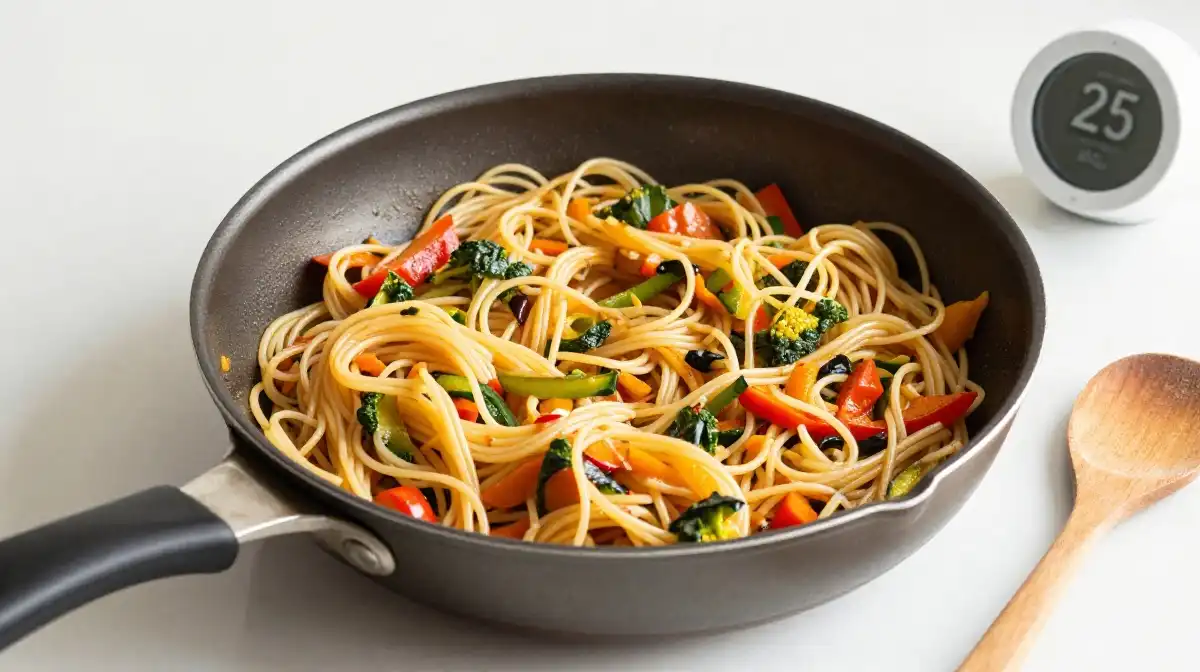
Pasta primavera one pot preparation sacrifices some textural precision in exchange for dramatically simplified cleanup and genuinely faster total cooking time — a trade-off that busy weeknight cooking absolutely justifies without apology. Add dry pasta directly to a large skillet with enough vegetable broth to cover by one inch — approximately three cups per eight ounces of pasta. Add aromatics, seasonings, and firmer vegetables directly to the raw pasta and liquid. Bring to a boil then reduce to a vigorous simmer stirring every two to three minutes until the pasta has absorbed most of the liquid and cooked to al dente — approximately twelve to fourteen minutes from the boil.
How to make one pot pasta primavera with seasonal vegetables requires adding vegetables in a specific sequence based on their individual cooking times to prevent some becoming mushy while others remain raw. Add broccoli and asparagus when the pasta has cooked for six minutes. Add zucchini and bell peppers at the eight-minute mark. Add cherry tomatoes, peas, and spinach in the final two minutes when the pasta is nearly done. Pasta primavera with garlic in the one-pot version benefits from a generous amount of fresh minced garlic added with the vegetables rather than pre-sautéed since the garlic has adequate time to soften and infuse the cooking liquid during the pasta’s twelve-minute cooking period.
Best Cheese and Finishing Touches for Your Pasta Primavera
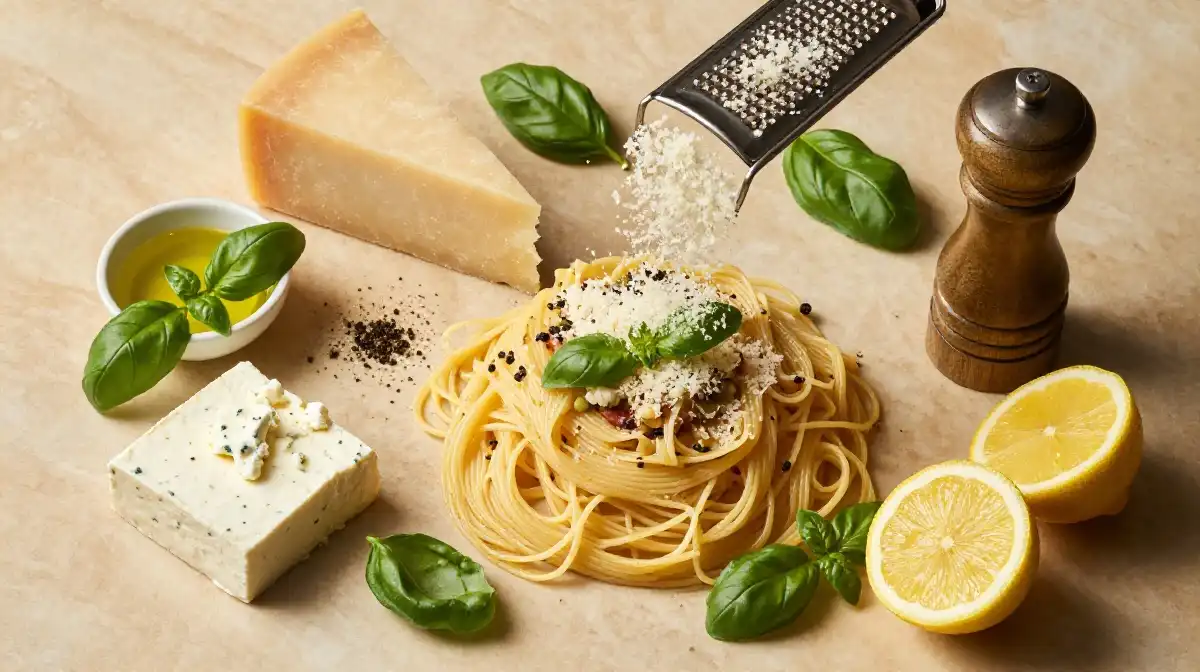
What cheese goes in pasta primavera most harmoniously depends on the sauce direction chosen — cream-based versions deserve Parmigiano-Reggiano grated fresh from a block for its crystalline umami richness, while lighter olive oil versions sometimes benefit from feta cheese crumbled across the finished pasta for its briny tang that cuts through the oil’s richness with acidic dairy contrast. Pasta primavera with parmesan using authentic Parmigiano-Reggiano rather than pre-grated domestic alternatives creates a qualitatively different result — the real Parmesan’s complex nutty flavor developed through minimum twenty-four months of aging cannot be replicated by factory-produced domestic substitutes regardless of their labeling.
How to season pasta primavera at the finishing stage extends beyond simple salt and pepper into the specific textural and aromatic finishing elements that professional cooks apply consistently to elevate their pasta preparations from home cooking quality to restaurant quality. Freshly cracked black pepper ground generously across the finished pasta adds aromatic bite that pre-ground pepper lacks entirely due to volatile oil loss during grinding and storage. Torn fresh basil added immediately before serving preserves its essential oils that cooking destroys within sixty seconds of heat exposure. A final drizzle of raw finishing olive oil across each served portion adds fruity aromatic richness that cooked olive oil cannot provide since heat transforms its delicate flavor compounds into something pleasant but considerably less complex and less fresh-tasting.
How to Make Pasta Primavera With White Wine for Restaurant Quality Flavor
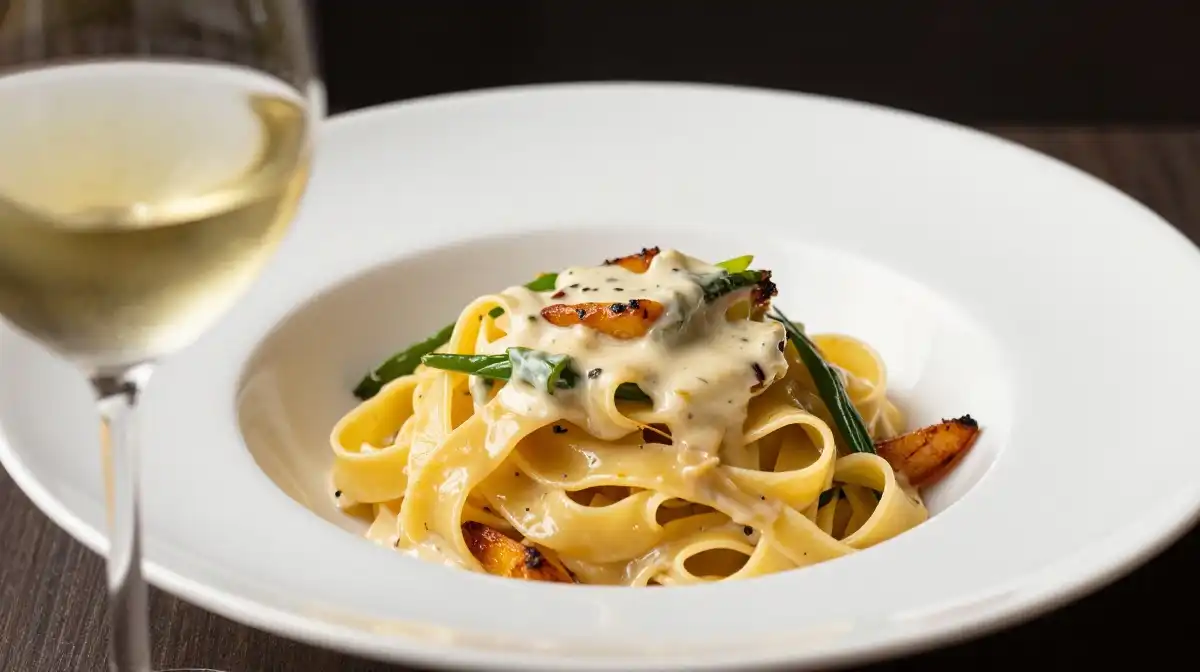
How to make pasta primavera with white wine that creates the depth and sophistication that distinguishes restaurant preparations from home cooking versions begins with understanding what white wine actually contributes to pasta sauce beyond the obvious alcohol presence. White wine’s acidity brightens surrounding flavors while its aromatic compounds — particularly in well-chosen dry whites with good fruit character — add complexity that vegetable stock and pasta water cannot provide. The alcohol carries fat-soluble flavor compounds from the garlic and shallots into solution where they become more bioavailable to taste receptors than oil-only preparations achieve — a flavor amplification mechanism that explains why wine-containing pasta sauces consistently taste more complex than technically equivalent non-wine versions.
Pasta primavera with white wine technique requires adding the wine at the specific moment when the aromatics have softened and any tomatoes have begun to blister — pour in a generous half cup and allow vigorous boiling for ninety seconds until the alcohol evaporates and the wine reduces by approximately half. This reduction concentrates the wine’s flavor compounds while removing the raw alcohol sharpness that insufficient reduction produces in a finished dish. Choose a dry Italian white — Pinot Grigio, Vermentino, or Soave — for the most authentic flavor compatibility with the dish’s Italian character. Pasta primavera with cream sauce benefits most dramatically from the white wine addition because the wine’s acidity balances the cream’s inherent richness in a way that creates a sauce of sophisticated balanced complexity that cream alone never achieves regardless of its quality.
How to Add Protein to Your Pasta Primavera for a Complete Meal
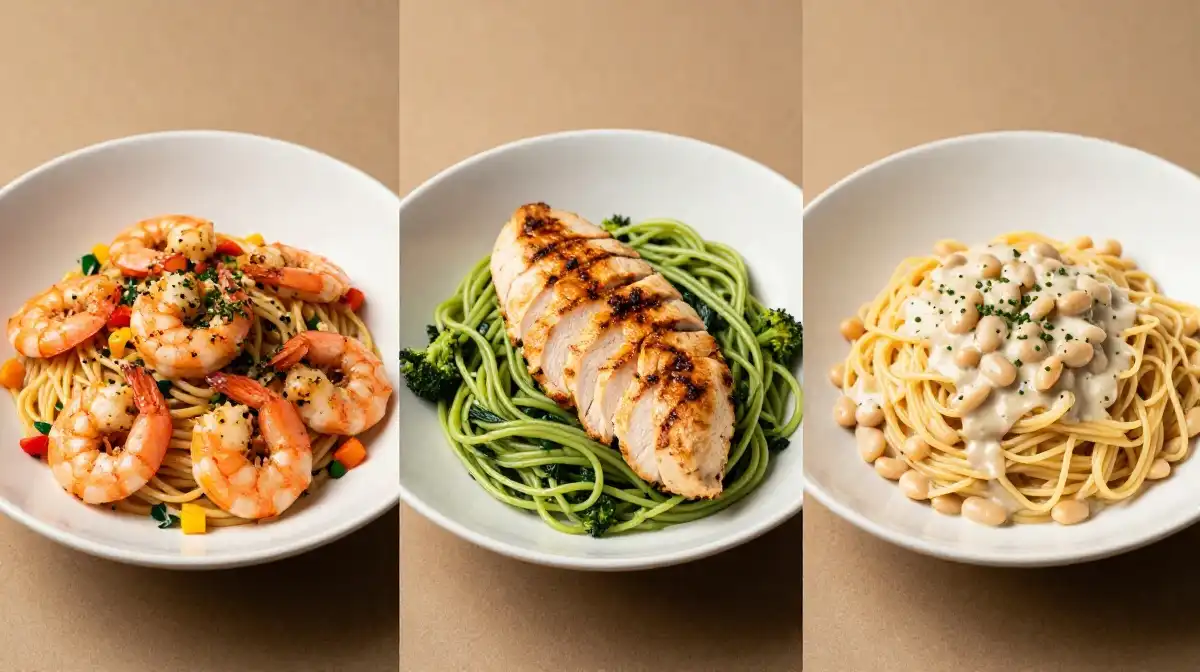
How to make pasta primavera for a crowd that satisfies appetites ranging from light lunch seekers to hungry athletes requires understanding protein addition options that complement rather than overwhelm the vegetable-forward character that defines classic pasta primavera at its most authentic. Grilled chicken breast — sliced thinly across the grain and fanned across the finished pasta — adds clean protein without competing with the vegetables’ color story or the sauce’s delicate flavors. Shrimp sautéed briefly in garlic and olive oil before adding to the finished pasta represents the most elegant and most restaurant-appropriate protein addition — their pink color creates beautiful contrast against the green vegetables and yellow pasta while their sweet delicate flavor complements the dish’s spring character magnificently.
White beans — specifically cannellini beans rinsed from a can and warmed through in the pasta’s finishing stage — provide the most nutritionally complete plant-based protein addition for pasta primavera vegan or vegetarian preparations requiring additional satiety beyond what the vegetables and pasta alone provide. Their mild creamy character absorbs surrounding sauce flavors beautifully while their texture contrasts pleasantly with the al dente pasta. Pan-seared salmon flaked into large pieces and laid across the finished pasta creates a genuinely impressive dinner party presentation with excellent omega-3 nutrition and a richness that pairs magnificently with pasta primavera with lemon preparations specifically where the citrus brightens the fatty fish beautifully.
How to Make Pasta Primavera for Meal Prep and Busy Weeknights
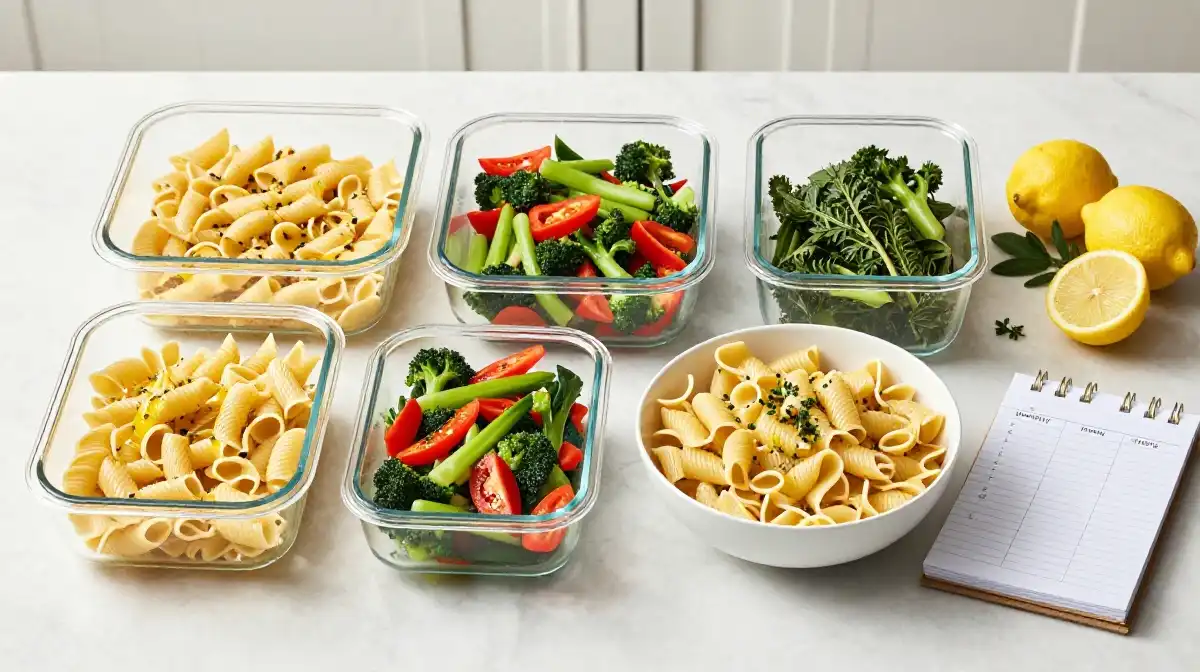
How to make pasta primavera for meal prep that maintains vegetable freshness and pasta texture through multiple refrigerator storage days requires a specific component-separation strategy that most home cooks don’t implement but that makes a dramatic difference to the quality of day-three meal prep compared to day-one. Pasta primavera meal prep success means storing the cooked pasta separately from the sautéed vegetables — combining them only at reheating time each day rather than pre-assembling complete portions that allow the vegetables to continue softening and the pasta to continue absorbing moisture throughout storage. This separation approach requires slightly more reheating effort but produces significantly superior quality across the full storage week.
How to make pasta primavera ahead of time for a dinner party or a special occasion means preparing all vegetable sautéing and sauce building up to two hours before serving — keeping everything warm in the skillet over the lowest possible heat setting. Cook and drain the pasta at the last possible moment before serving since fresh-cooked pasta creates dramatically better texture than pasta cooked in advance and reheated regardless of the storage and reheating method employed. How to store pasta primavera leftovers correctly means cooling completely before sealing in glass airtight containers and refrigerating for up to three days — how to reheat pasta primavera involves adding two tablespoons of water or broth to the portion before reheating in a skillet over medium-low heat with continuous gentle stirring that prevents hot spots while restoring the sauce’s coating consistency that refrigerator storage gradually diminishes.
Common Pasta Primavera Mistakes to Avoid for Perfect Results Every Time
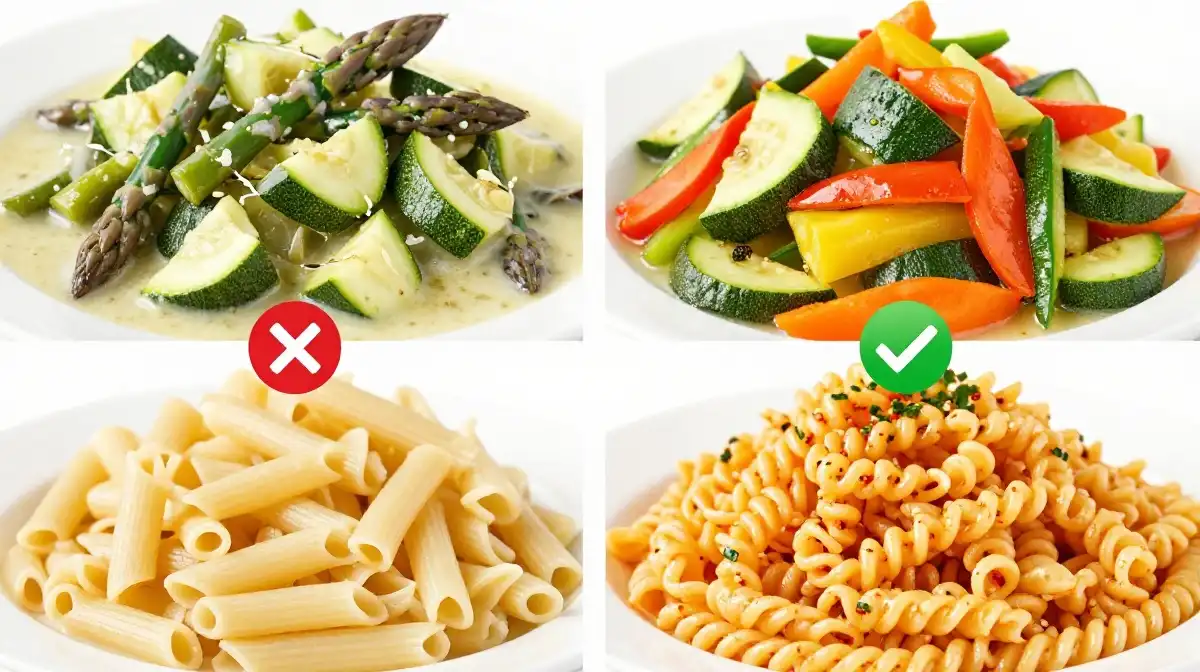
How to make pasta primavera without making the mistakes that transform vibrant spring freshness into a soggy colorless disappointment begins with the most common and most visually devastating error — overcooking the vegetables. Pasta primavera with vegetables requires crisp-tender vegetables that retain their bright color, their structural integrity, and their fresh flavor character — not softened to mush that loses all color vibrancy and textural contrast within the pasta. Every vegetable has a specific ideal sauté time that produces perfect results — asparagus needs three to four minutes maximum, zucchini needs two to three, cherry tomatoes need two, and spinach and peas need less than sixty seconds of direct heat. Adding all vegetables simultaneously regardless of their different cooking time requirements is the single fastest way to produce uniformly overcooked disappointing results.
The second most common mistake is undersalting at every stage — pasta water should taste genuinely salty before the pasta is added, the vegetables should be seasoned during sautéing not just at the end, and the finished dish needs a final seasoning adjustment that accounts for the diluting effect of pasta water addition. How to make pasta primavera without cream that still tastes deeply satisfying requires compensating for cream’s richness through olive oil generosity and pasta water emulsification — but both techniques only work when seasoning is sufficiently assertive throughout. The third critical mistake is skipping the pasta water reservation — the starchy salted liquid that creates natural sauce emulsification is the most powerful flavor-building tool in the entire pasta cooking process and losing it down the drain is a mistake that no subsequent addition can adequately correct.