
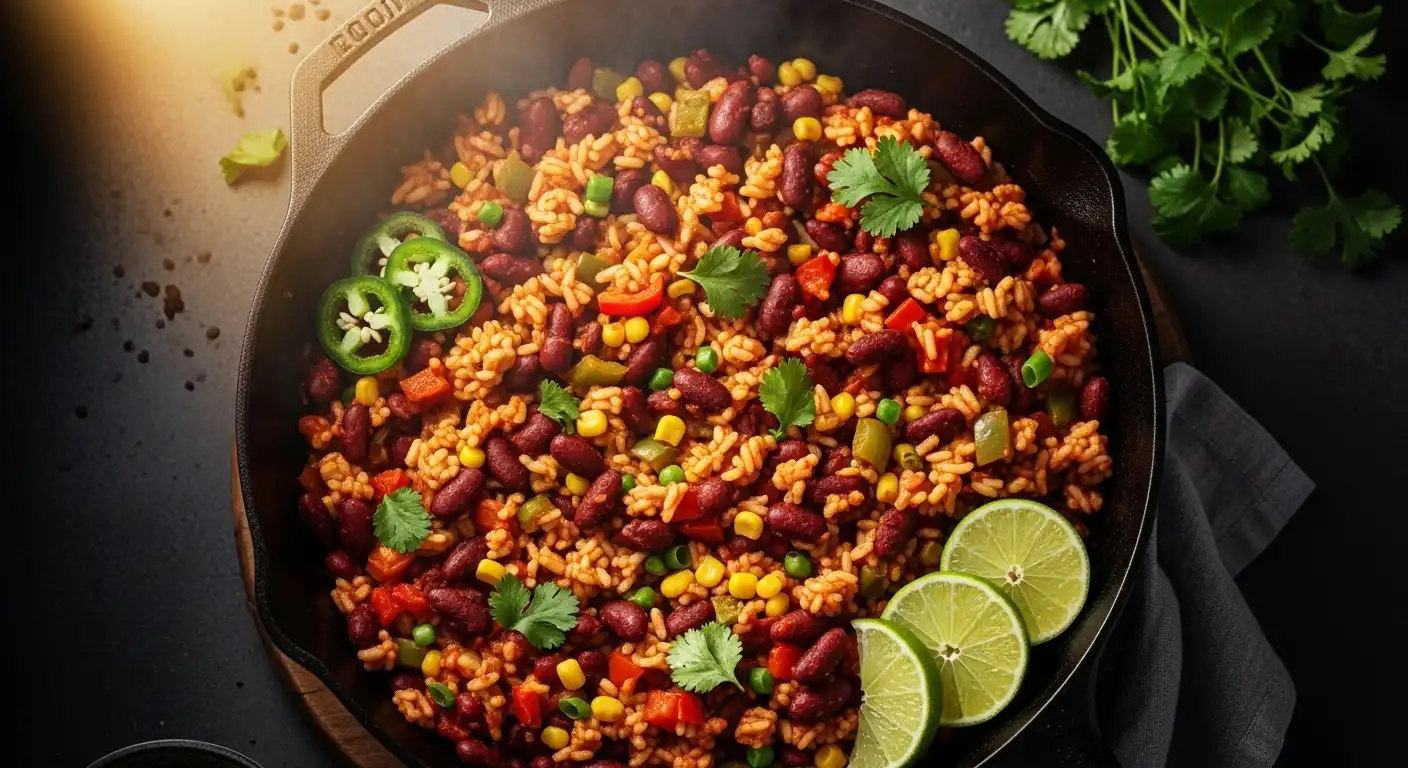
14 Kidney Beans and Rice Skillet: The Ultimate Easy and Flavorful One Pan Meal
Some meals just make life easier. Kidney beans and rice skillet is exactly that kind of meal. One pan. Simple ingredients. Bold satisfying flavor. Ready in under 35 minutes and genuinely delicious enough to make everyone at the table ask for seconds without any hesitation whatsoever.
What Makes Kidney Beans and Rice Skillet the Perfect Weeknight Dinner

Weeknight dinner success requires three non-negotiable qualities — speed, simplicity and genuine satisfaction from everyone eating it. Kidney beans rice skillet dinner delivers all three simultaneously without any compromise. One pan means minimal cleanup. Common pantry ingredients mean no emergency grocery runs. And the bold, satisfying flavors mean nobody reaches for their phone to order pizza instead of eating what you cooked.
Beyond pure convenience, this dish delivers remarkable nutritional value that health-conscious American families specifically appreciate in their daily meal planning. Kidney beans provide approximately 15 grams of plant-based protein and 13 grams of dietary fiber per cup making them one of the most nutritionally dense affordable ingredients available in any American grocery store. Kidney beans rice healthy meal combinations rank consistently among nutritionists’ top recommendations for budget-conscious families seeking complete protein and sustained energy from a single satisfying dinner dish.
Best Kidney Beans to Use for a Delicious Rice Skillet Recipe
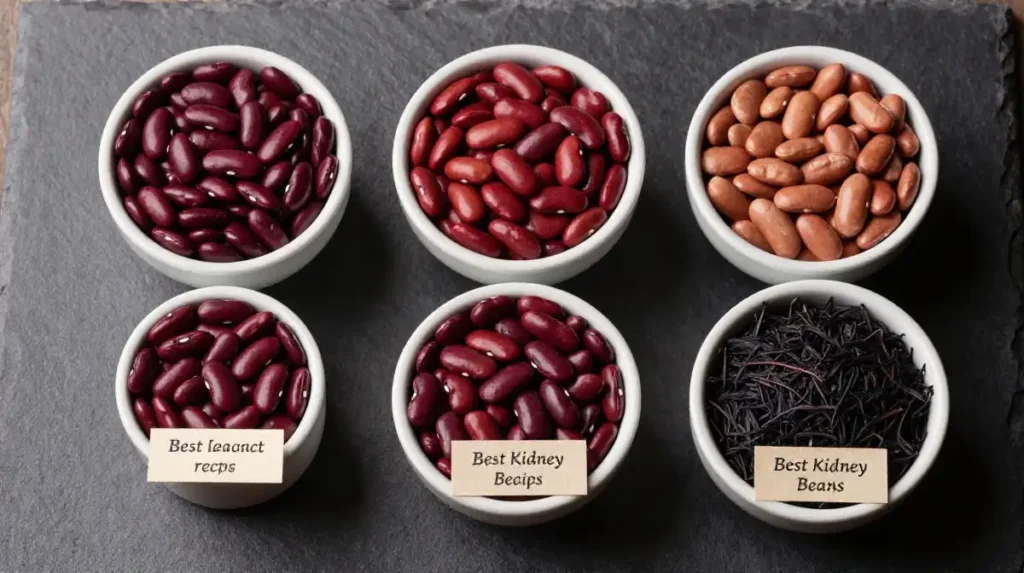
Kidney bean selection matters more than most home cooks realize when building a genuinely outstanding kidney beans rice skillet recipe. Dark red kidney beans deliver the boldest, most robust flavor and hold their structural integrity better during skillet cooking than their lighter counterparts — they don’t turn mushy under extended heat exposure the way softer bean varieties consistently do when cooked in a hot skillet environment.
| Bean Type | Flavor | Texture | Cook Time | Best For |
|---|---|---|---|---|
| Dark red kidney beans | Bold, robust | Firm | Canned: ready instantly | All skillet versions |
| Light red kidney beans | Milder, delicate | Slightly softer | Canned: ready instantly | Lighter flavor versions |
| Dried kidney beans | Most complex | Firmest | 60–90 minutes after soaking | Weekend cooking |
| Canned organic | Clean, pure | Good | Ready instantly | Health-conscious cooks |
Best Rice for Kidney Beans and Rice Skillet That Cooks Perfectly
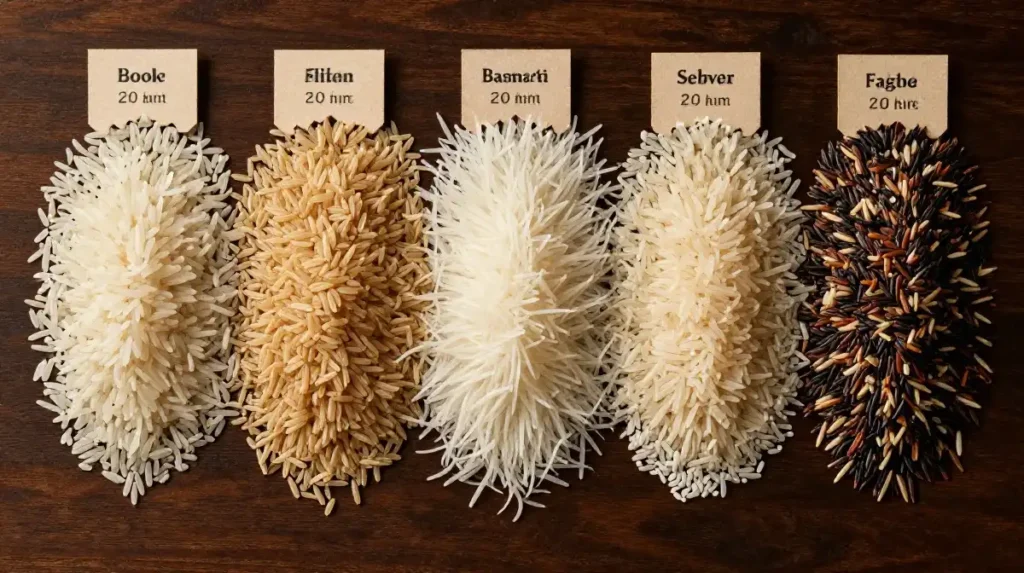
Rice selection fundamentally determines the texture, cooking time and overall cohesion of your finished kidney beans rice skillet. Long-grain white rice performs most reliably in skillet applications because its lower starch content prevents excessive clumping and sticking that shorter grain varieties create when cooked directly in a flavored liquid with other ingredients surrounding them in the same cooking vessel throughout the entire process.
you may also like this: 14 Greek Bean Salad That Tastes Like a Vacation to the Mediterranean Every Bite
| Rice Type | Cook Time in Skillet | Texture Result | Liquid Ratio | Best Version |
|---|---|---|---|---|
| Long grain white | 18–20 minutes | Fluffy, separate | 1:2 rice to liquid | Classic and Mexican |
| Brown rice | 35–40 minutes | Hearty, chewy | 1:2.5 rice to liquid | Healthy version |
| Basmati | 15–18 minutes | Light, aromatic | 1:1.75 rice to liquid | Mediterranean style |
| Jasmine | 15–18 minutes | Slightly sticky | 1:1.75 rice to liquid | Creamy cheese version |
| Wild rice blend | 40–45 minutes | Nutty, varied | 1:2.5 rice to liquid | Premium weekend version |
Best Spices and Seasonings for a Flavorful Kidney Beans and Rice Skillet
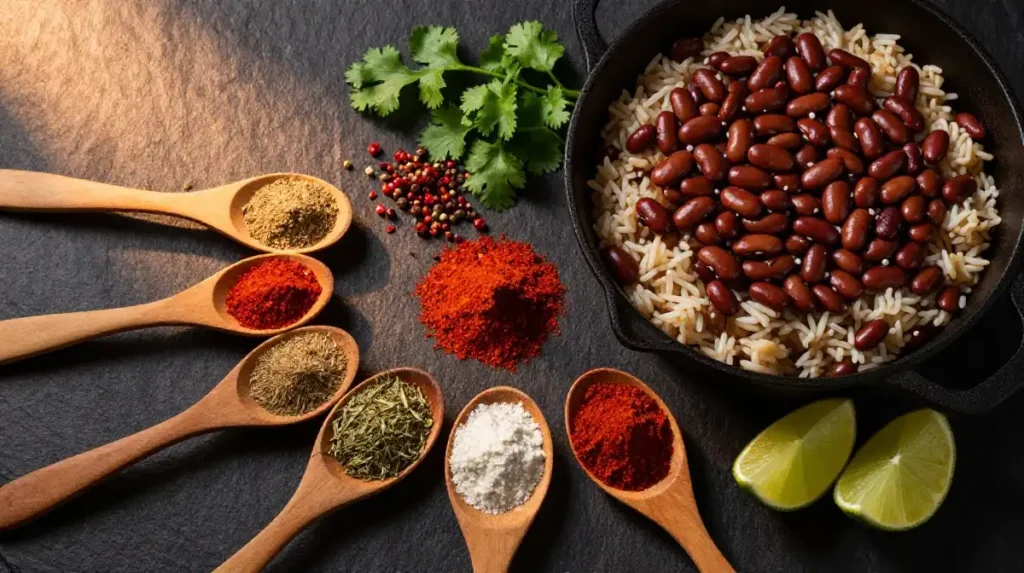
Kidney beans rice skillet seasoning builds the entire flavor foundation of this dish and deserves far more thoughtful attention than simply shaking in whatever spice jars happen to be within arm’s reach on your kitchen counter. The classic seasoning profile combines cumin, smoked paprika, garlic powder, onion powder, dried oregano and chili powder into a warm, earthy, slightly smoky blend that makes every bite taste genuinely bold and satisfying.
What spices go in kidney beans and rice skillet depends significantly on which flavor direction you’re taking the dish — classic American comfort, bold Mexican, Caribbean-inspired or Mediterranean. Cumin is non-negotiable across virtually every variation because it provides the warm, earthy backbone that ties all other flavors together cohesively. Kidney beans rice skillet herbs like fresh cilantro, parsley and thyme added at the very end of cooking — never during — provide bright aromatic freshness that dried herbs cooked into the dish simply cannot replicate regardless of quantity used.
How to Make Classic Kidney Beans and Rice Skillet From Scratch
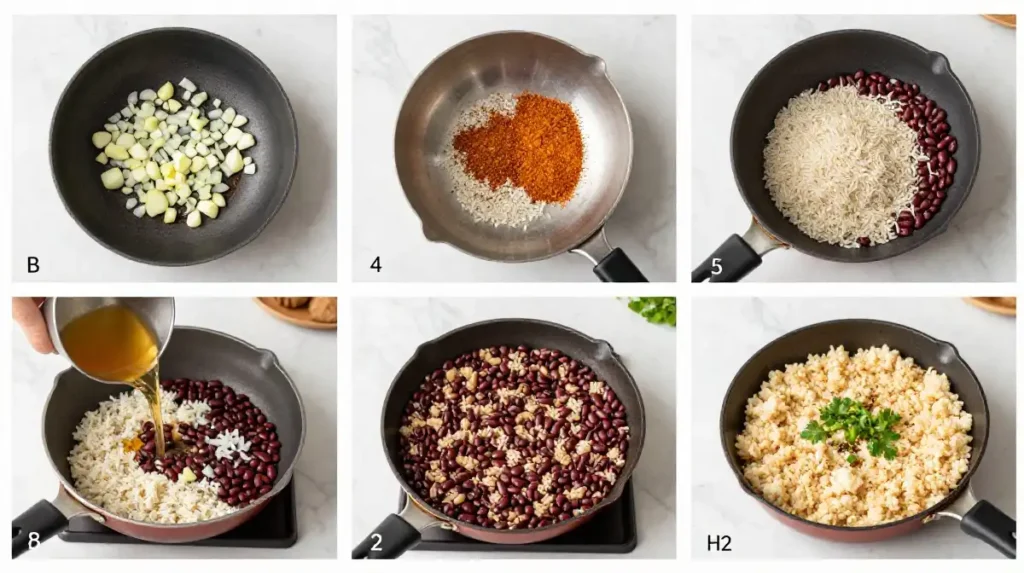
How to make kidney beans and rice skillet from scratch follows a straightforward sequence that produces consistently excellent results even for complete beginner cooks attempting this dish for the very first time. Heat two tablespoons of olive oil in a large deep skillet over medium-high heat then add diced onion and cook for four minutes until softened and beginning to turn translucent at the edges before adding minced garlic for one additional minute.
Add your complete spice blend directly to the softened aromatics and toast for 60 seconds — this dry spice toasting step blooms the fat-soluble flavor compounds in your seasonings creating dramatically more intense flavor than adding spices to liquid later in the cooking process. Add rinsed long-grain rice to the spiced aromatics and toast for two minutes stirring constantly then pour in two cups of vegetable or chicken broth plus one cup of diced tomatoes and bring to a boil. Reduce to a gentle simmer, add your drained kidney beans, cover tightly and cook undisturbed for 18 to 20 minutes until rice absorbs all liquid and reaches perfect fluffy texture throughout every grain.
How to Make Mexican Style Kidney Beans and Rice Skillet at Home
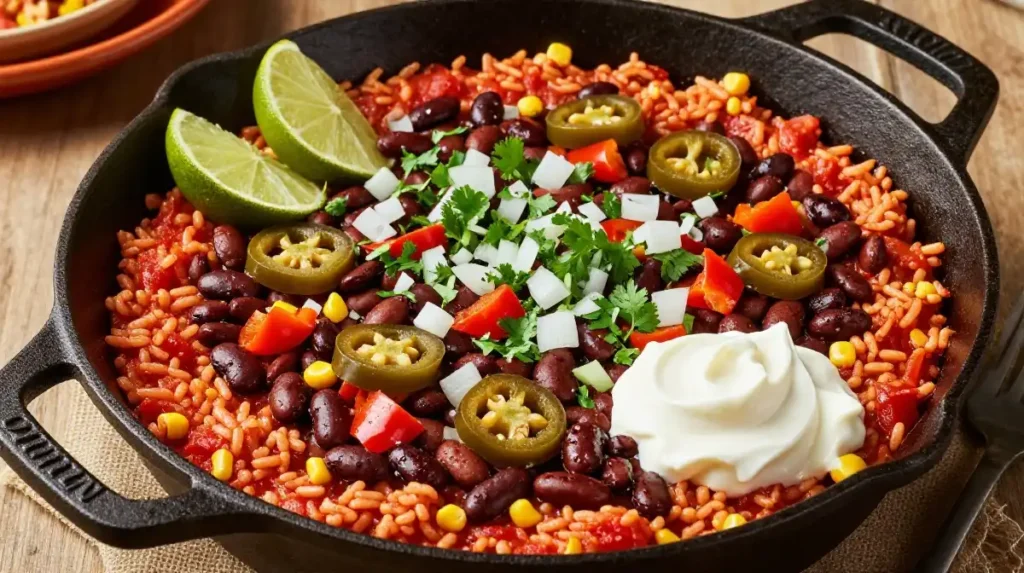
How to make Mexican kidney beans and rice skillet elevates the classic base recipe into a boldly flavored Tex-Mex inspired dinner that delivers genuine restaurant-quality satisfaction from your home kitchen in under 30 minutes flat. The Mexican version amplifies the spice profile with additional cumin, chipotle powder and fresh jalapeño while incorporating salsa, lime juice and fresh cilantro that collectively transform the dish’s personality from comforting to genuinely exciting and vibrant.
Mexican kidney beans rice skillet achieves its signature depth of flavor through one non-negotiable technique — using high-quality jarred salsa or fire-roasted diced tomatoes as the primary cooking liquid rather than plain broth alone. The tomato base provides acidity, natural sweetness and concentrated flavor that infuses every grain of rice and every kidney bean throughout the entire cooking process. Finish the Mexican version with a generous squeeze of fresh lime juice, diced white onion, fresh cilantro and a dollop of cool sour cream that provides creamy contrast against the warm, spicy rice and bean combination.
How to Make Spicy Kidney Beans and Rice Skillet With Bold Flavors
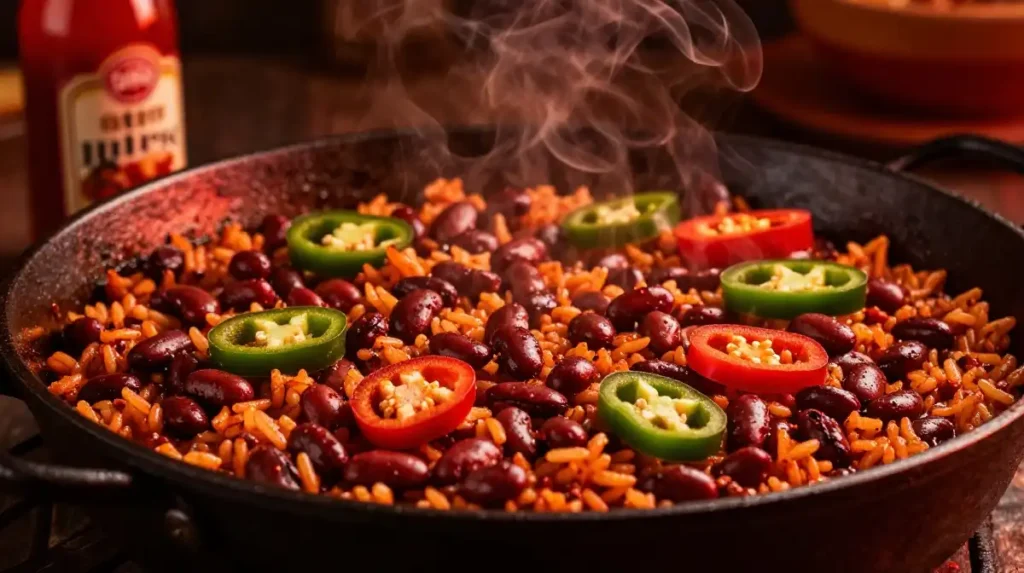
Spicy kidney beans rice skillet satisfies the growing American appetite for genuinely heat-forward cooking that delivers real spice intensity rather than merely suggesting warmth without following through on that promise. The spicy version builds heat from three distinct sources simultaneously — fresh jalapeño or serrano peppers added with the aromatics, chipotle powder in the spice blend and a generous pinch of cayenne that creates background warmth lasting through the entire eating experience.
How to make spicy kidney beans and rice skillet with layered heat rather than one-dimensional fire requires building capsaicin from multiple chile sources with different heat character and timing. Fresh chile pepper heat blooms early and fades somewhat during cooking. Dried chipotle powder provides smoky, medium background heat that persists throughout. A final splash of your favorite hot sauce — Frank’s RedHot, Cholula or Valentina — added at serving creates immediate bright heat on top of the already warm foundation for a genuinely complex heat experience that serious spice lovers specifically seek and enthusiastically celebrate.
How to Make Vegetarian Kidney Beans and Rice Skillet Without Meat
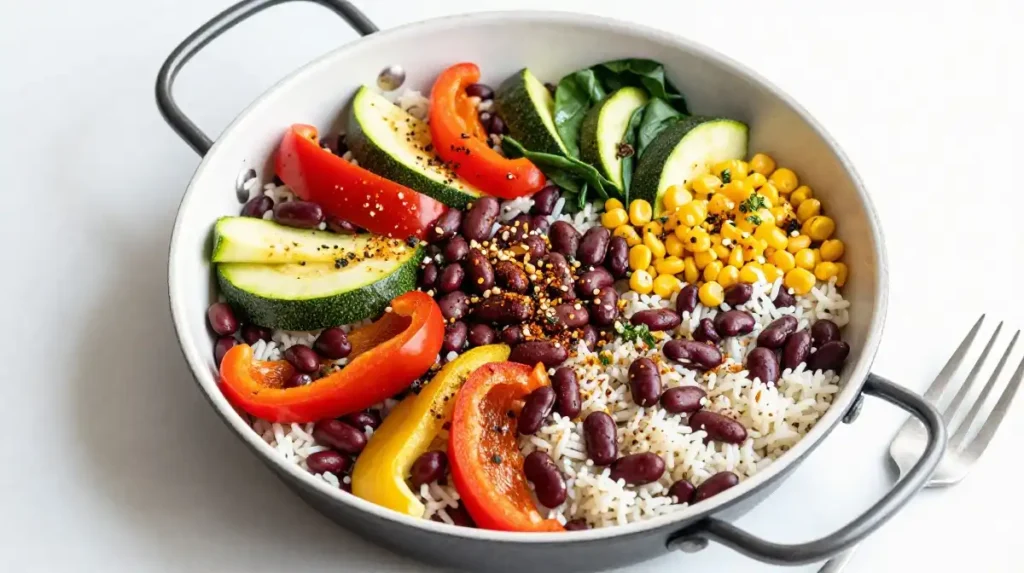
How to make vegetarian kidney beans and rice skillet requires no special substitutions or complicated workarounds because kidney beans already provide complete protein that makes meat entirely unnecessary from both a nutritional and flavor satisfaction perspective. The beans themselves, combined with properly seasoned broth and aromatic vegetables, create a deeply savory, substantial meal that satisfies even committed meat-eaters who try it with genuine open-mindedness.
Vegetarian kidney beans rice skillet achieves maximum flavor depth through generous use of umami-rich ingredients that compensate for the savory complexity meat would otherwise contribute. Tomato paste caramelized in olive oil before adding liquids provides intense concentrated umami. Mushrooms sautéed until deeply golden contribute meaty texture and savory depth. Kidney beans rice skillet seasoning enhanced with smoked paprika and liquid smoke creates a satisfying smoky character that makes the absence of meat completely unnoticeable to everyone eating this genuinely outstanding vegetarian dinner dish.
Best Vegetables to Add to Your Kidney Beans and Rice Skillet
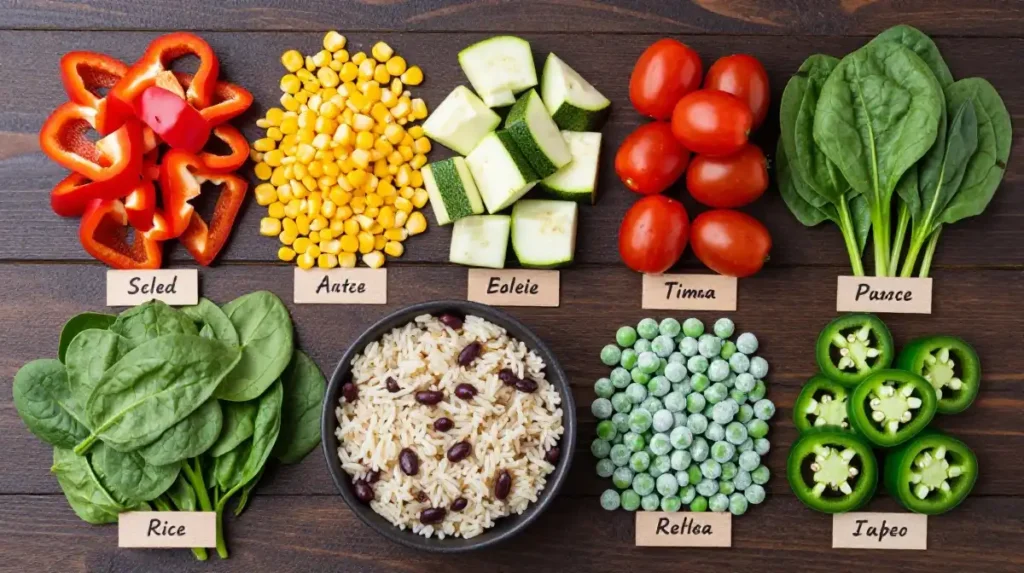
Kidney beans rice skillet with vegetables creates more nutritionally complete, visually beautiful and flavor-complex results than the basic bean and rice combination alone ever achieves regardless of seasoning quality. The best vegetables for this application balance cooking time requirements, flavor compatibility and textural contrast — dense vegetables that caramelize slowly alongside quick-cooking additions that retain vibrant color and fresh character until the very moment of serving.
| Vegetable | When to Add | Cooking Time | Nutritional Benefit |
|---|---|---|---|
| Diced bell peppers | With onion | 8–10 minutes | Vitamin C, antioxidants |
| Corn kernels | With beans | 5 minutes | Natural sweetness, fiber |
| Diced zucchini | With onion | 8 minutes | Vitamin C, potassium |
| Cherry tomatoes | Middle stage | 5–7 minutes | Lycopene, vitamin C |
| Baby spinach | Final 2 minutes | 1–2 minutes | Iron, folate, vitamin K |
| Frozen peas | Final 3 minutes | 2–3 minutes | Plant protein, fiber |
| Diced jalapeño | With aromatics | 8–10 minutes | Capsaicin, vitamin C |
Best Protein Add-Ins for a Complete Kidney Beans and Rice Skillet Meal
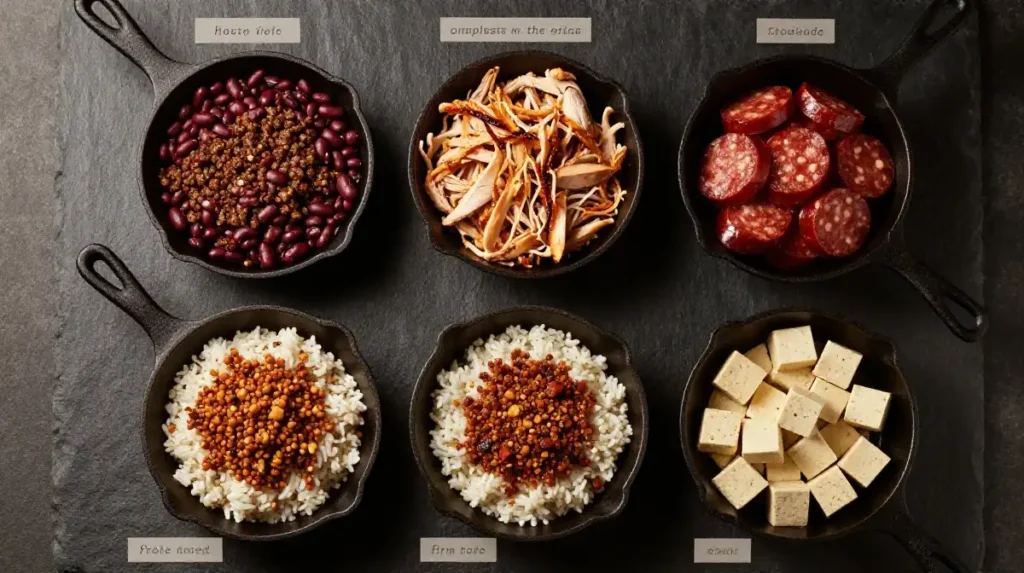
What protein can be added to kidney beans and rice skillet expands this already protein-rich dish into an even more substantial complete meal that satisfies the most enthusiastic appetites at any American dinner table. Ground beef or turkey browned directly in the skillet before adding aromatics creates a hearty, meaty version that feeds hungry families who prefer animal protein alongside their plant-based bean content for maximum satisfaction and fullness.
Shredded rotisserie chicken stirred into the finished skillet during the final five minutes of cooking creates the most convenient protein addition available to any busy weeknight cook working against a tight schedule. Andouille or chorizo sausage sliced and browned first before building the remaining dish introduces smoky, spiced character that transforms the entire flavor profile into something genuinely bold and deeply satisfying. Kidney beans rice skillet protein from plant-based sources like crumbled tempeh or diced firm tofu browned until golden provides complete amino acid profiles for vegetarian households seeking maximum nutritional completeness from every meal.
How to Make Creamy Kidney Beans and Rice Skillet With Cheese
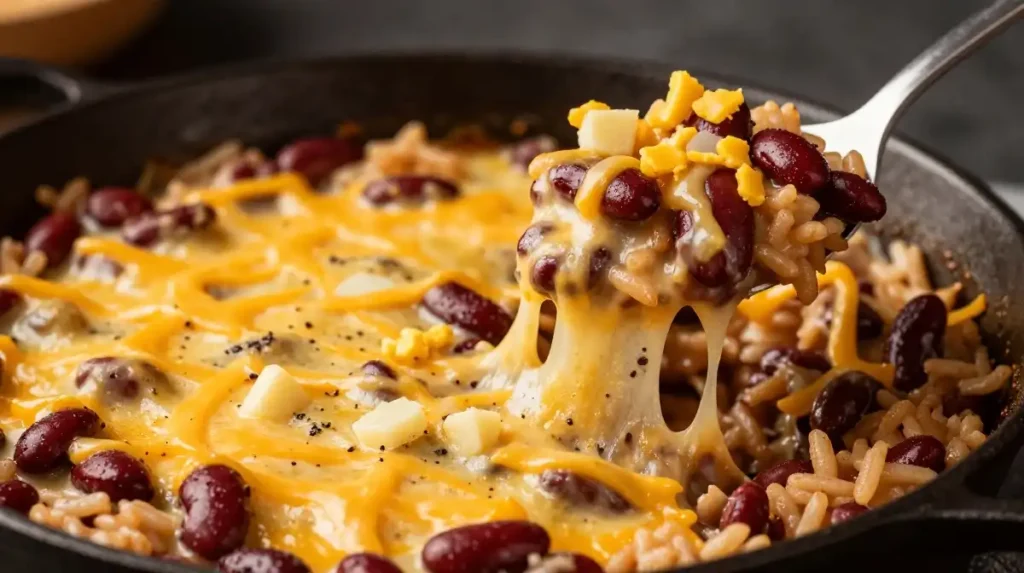
How to make kidney beans and rice skillet creamy requires understanding that creaminess in a skillet dish comes from three distinct sources — melted cheese, added dairy like sour cream or heavy cream and the natural starch released from rice during cooking that creates silky sauce texture without any cream whatsoever. Understanding these three mechanisms allows precise control over richness and creaminess level according to personal preference.
What cheese goes with kidney beans and rice skillet most effectively includes sharp cheddar for bold American flavor, pepper jack for spicy heat enthusiasts, Monterey Jack for superior melting performance and cotija for authentic Mexican character sprinkled as a finishing garnish rather than melted into the dish. Kidney beans rice skillet cheese achieves the most dramatic visual impact when added in two stages — half stirred into the hot skillet off heat to create creamy sauce integration and half scattered as a generous topping that melts into golden, slightly browned puddles under brief broiler heat for approximately two minutes.
How to Make Kidney Beans and Rice Skillet for Meal Prep and Leftovers
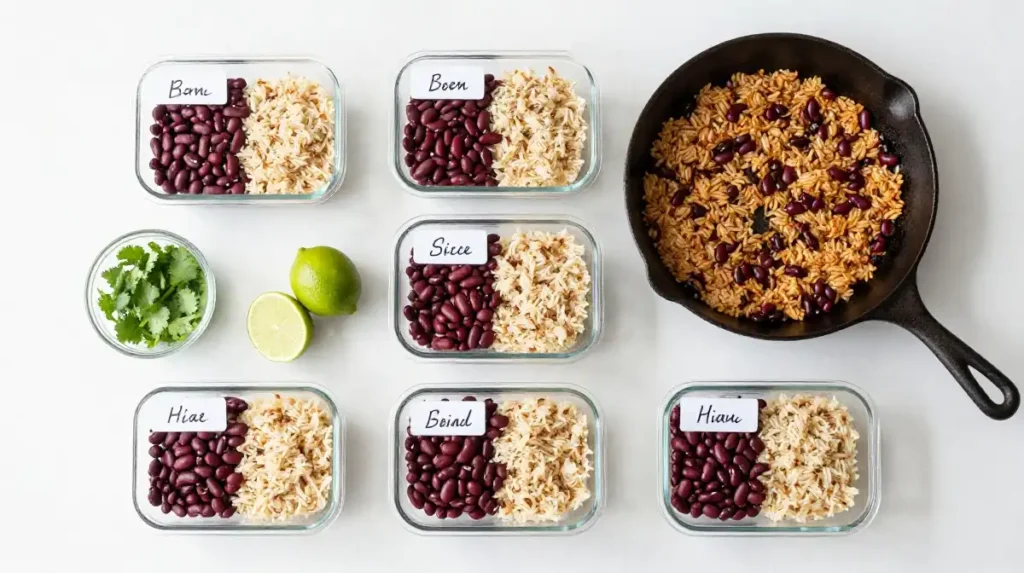
How to make kidney beans and rice skillet for meal prep starts with cooking a substantial double batch on Sunday afternoon that provides complete weeknight dinners for four to five days without any additional cooking effort required throughout the busy work week. This single Sunday investment of approximately 40 minutes produces meals that cost roughly two dollars per serving — a genuinely remarkable value that no restaurant, meal kit service or convenience food alternative approaches at equivalent quality levels.
Kidney beans rice skillet leftovers improve measurably overnight as the rice absorbs surrounding flavors and the spice profile deepens and mellows into something even more harmonious than the freshly cooked original version. Store completely cooled leftovers in airtight glass containers — glass preserves flavor better than plastic and prevents the absorption of surrounding refrigerator odors that plastic containers allow through their porous walls during extended storage periods. One pan kidney beans rice portions stored individually create grab-and-go lunch solutions that reheat perfectly in under three minutes making them ideal for office lunch situations throughout the entire work week.
How to Store and Reheat Kidney Beans and Rice Skillet Perfectly
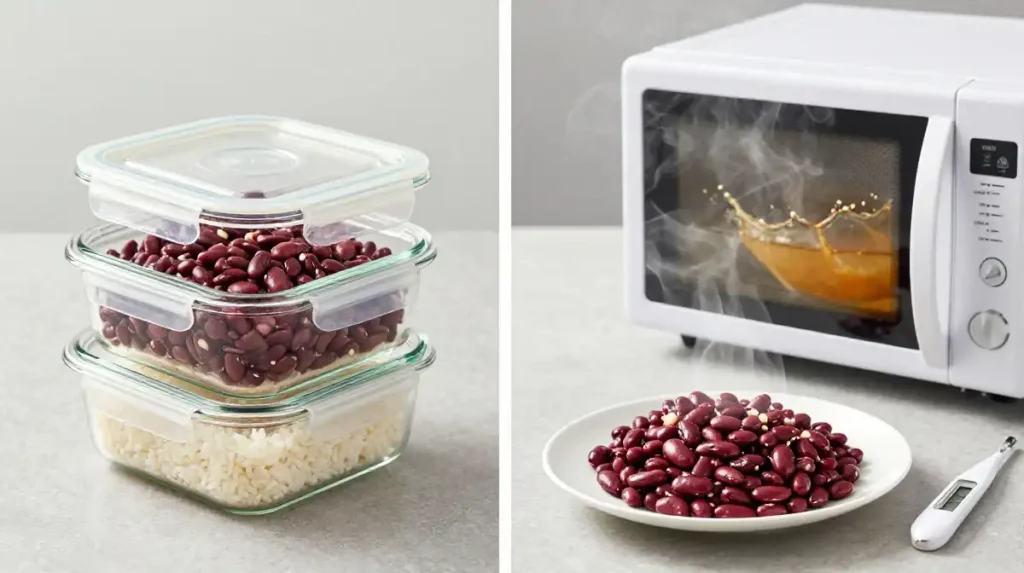
Proper storage extends kidney beans rice skillet quality significantly beyond what most home cooks achieve through careless refrigeration habits that compromise flavor and texture unnecessarily. Always cool the finished skillet completely to room temperature before refrigerating — placing hot food directly into the refrigerator raises the internal temperature of surrounding foods dangerously and promotes bacterial growth that food safety authorities specifically warn against for all cooked dishes.
How to store kidney beans and rice skillet leftovers correctly involves airtight containers that prevent moisture loss during the three to four day refrigerator storage window within which this dish maintains peak quality and food safety simultaneously. How to reheat kidney beans and rice skillet without creating dry, clumped, unpleasant leftovers requires adding two tablespoons of water or broth per serving before microwaving covered for two minutes then stirring vigorously and heating for one additional minute. Stovetop reheating over medium-low heat with added liquid stirred constantly produces the best texture restoration for those who prioritize quality over pure convenience in their leftover meal experience.
Common Kidney Beans and Rice Skillet Mistakes to Avoid Every Time
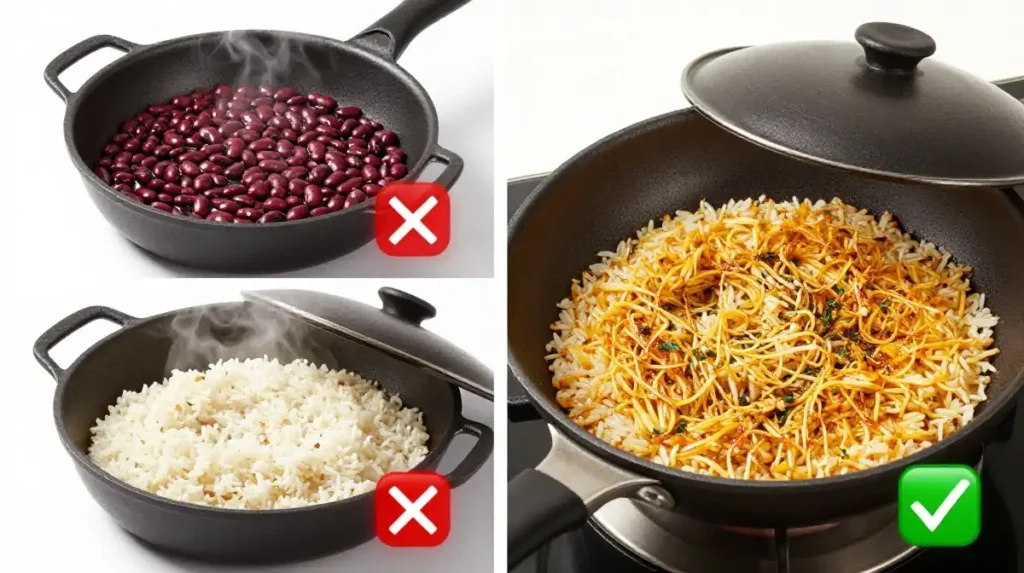
Skipping the aromatics sautéing step is mistake number one that consistently produces flat, disappointing easy kidney beans rice dish results regardless of seasoning quality or ingredient freshness. Raw onion and garlic added directly to liquid without proper prior sautéing never develop the sweet, caramelized depth that briefly cooked aromatics create and that forms the essential flavor foundation every great skillet dish builds upon from its very beginning.
Adding too much liquid is mistake number two that creates mushy, overcooked rice with waterlogged kidney beans that fall apart unpleasantly rather than maintaining their satisfying structural integrity through the cooking process. Easy kidney beans rice dish success requires precise liquid measurement — two cups of broth plus one cup of canned tomatoes per one cup of dry rice produces perfectly fluffy results consistently. Lifting the lid during the covered cooking phase is mistake number three — every time you peek you release steam that the rice needs for proper cooking and that lost steam creates uneven, undercooked spots that no additional cooking time fully corrects after the fact.
Conclusion
Kidney beans and rice skillet proves that the most satisfying, nutritious and genuinely delicious family dinners don’t require expensive ingredients, complicated techniques or hours of kitchen labor to achieve outstanding results every single time you cook them. This humble one-pan meal has fed American families for generations for one simple reason — it works beautifully every time and never once disappoints anyone hungry enough to eat a full bowl of it.
Start with the classic version tonight using the complete spice blend and quality canned kidney beans. Master the timing and liquid ratios completely. Then explore the Mexican version, the spicy variation and the creamy cheese finish across subsequent weeks. Build your personal one pan kidney beans rice recipe repertoire from these solid foundations and watch this simple, affordable skillet dish become your household’s most consistently requested and most enthusiastically consumed weeknight dinner throughout every season of the year.


One Comment