

Cheesy Cauliflower Rice: Easy Vegetable Side Dish Ready in 20 Minutes
The Side Dish That Makes Vegetables Exciting Again
There exists a universal truth about weeknight dinners that every home cook knows intimately: the main dish gets all the attention while the side dish becomes an afterthought, often resulting in the same steamed broccoli or boring salad appearing on plates week after week. Yet the right side dish transforms an ordinary meal into something memorable, adding color, nutrition, and flavors that complement rather than compete with your main course.
Cheesy cauliflower rice solves the perpetual side dish dilemma with elegant simplicity. This easy vegetable side dish delivers restaurant-quality results in just 20 minutes using ingredients you likely already have in your kitchen. The transformation of humble cauliflower into fluffy, cheese-covered rice creates a side dish so delicious that even vegetable skeptics request seconds, making it the perfect solution for families with picky eaters or anyone seeking to incorporate more vegetables into their diet without sacrificing flavor.
The brilliance of this recipe lies in its remarkable versatility. Cauliflower’s mild, slightly sweet flavor provides the perfect blank canvas for bold cheese and seasonings, while its rice-like texture when properly prepared makes it feel substantial and satisfying rather than like a sad vegetable obligation. The melted cheese creates creamy richness that appeals to comfort food lovers, while the low carb and nutrient-dense profile satisfies health-conscious diners. This single recipe works equally well alongside grilled chicken, roasted salmon, or seared steak, making it one of the most useful side dishes in your cooking repertoire.
This comprehensive guide provides everything needed to master cheesy cauliflower rice, from selecting the best cauliflower and understanding different cooking methods to customizing flavors and avoiding common mistakes. Whether you are following a keto diet, feeding a family, or simply want a delicious way to eat more vegetables, this quick vegetable recipe will become one of your most frequently made dishes.
Why Cheesy Cauliflower Rice Works as the Perfect Side Dish
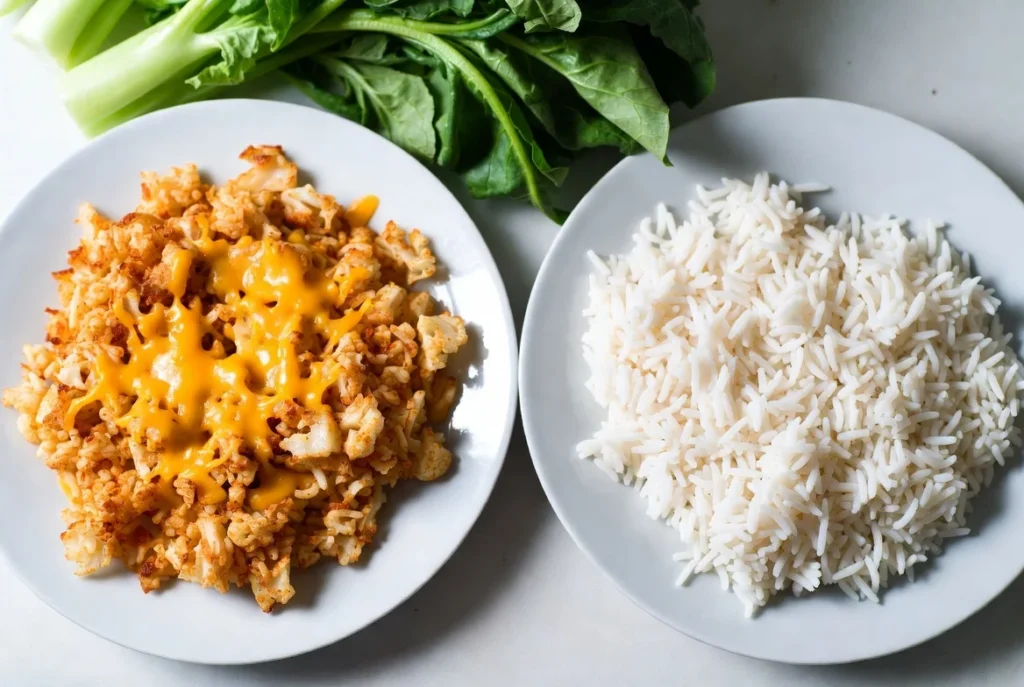
The enduring popularity of this recipe stems from its ability to satisfy multiple needs simultaneously. Unlike side dishes that appeal to only certain dietary preferences or taste profiles, cheesy cauliflower rice succeeds across virtually every category that matters to home cooks.
From a nutritional standpoint, cauliflower delivers impressive benefits without the heaviness of traditional rice. One cup of riced cauliflower contains just 25 calories compared to 200 calories in white rice, while providing substantial amounts of vitamin C, fiber, and important minerals. The addition of cheese contributes protein and calcium, transforming what might otherwise be a light vegetable into a more substantial side dish that helps round out meals.
The texture element cannot be overstated. When prepared correctly, cauliflower rice achieves a fluffy, tender-crisp texture that mimics traditional rice while maintaining enough structure to hold melted cheese without becoming mushy. This textural success makes the dish feel like an indulgent comfort food rather than a healthy alternative, which explains why even committed carb lovers embrace it enthusiastically.
The speed factor makes this recipe genuinely practical for busy weeknights. From start to finish, including cauliflower preparation, the entire dish takes 20 minutes or less. This timing allows you to start the side dish when your protein goes into the oven or onto the grill, ensuring everything finishes simultaneously without requiring advance preparation or complicated timing coordination.
Finally, the family-friendly and picky eater approved nature of cheese-covered anything cannot be ignored. Children who refuse plain vegetables often devour this dish, while adults appreciate the sophistication that good cheese and proper seasoning bring to simple cauliflower. This universal appeal makes it a reliable choice when cooking for mixed groups with different preferences.
Essential Ingredients for Perfect Cheesy Cauliflower Rice
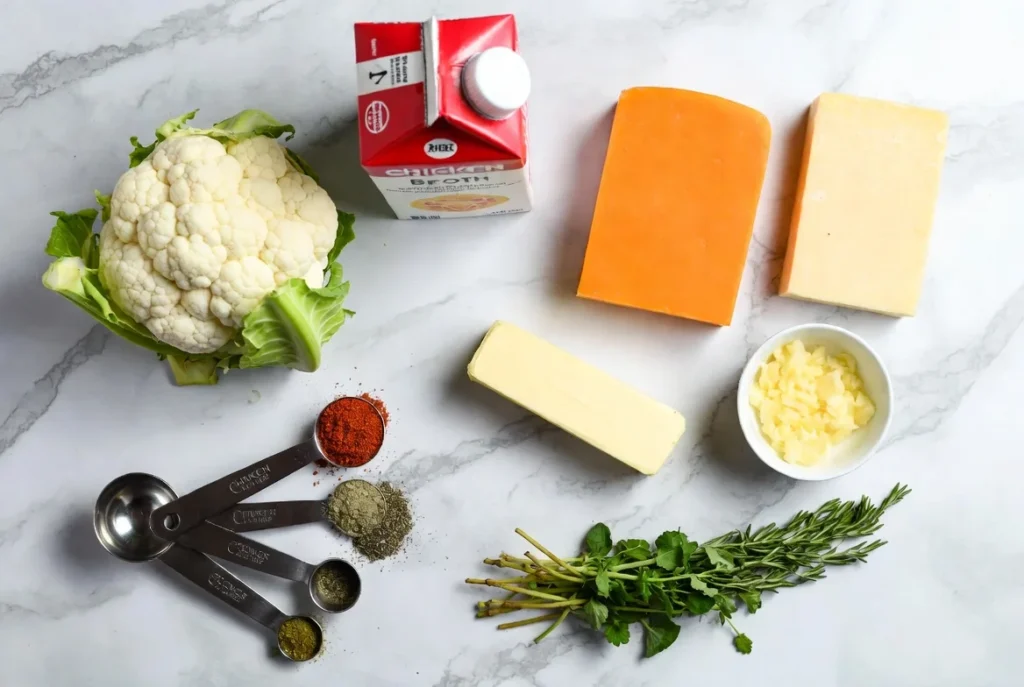
Success begins with selecting quality ingredients that work together to create the ideal balance of flavor, texture, and visual appeal.
Fresh Cauliflower or Frozen Cauliflower Rice both work excellently, with each offering distinct advantages. Fresh cauliflower provides superior texture and allows you to control the rice size, while frozen cauliflower rice offers unmatched convenience for truly fast cooking. Plan on one medium to large cauliflower head, which yields approximately 4 to 6 cups of riced cauliflower, serving 4 people generously.
Cheese forms the flavor foundation and creamy element. Cheddar cheese delivers classic sharp flavor that most people love, while parmesan cheese adds nutty, salty sophistication. Many cooks use a combination of both for dimensional flavor. Plan on 1 to 1.5 cups of shredded cheese total. For extra creaminess, some recipes incorporate 2 to 4 ounces of cream cheese, which melts into the cauliflower creating luxurious texture.
Butter or Olive Oil provides the cooking fat that prevents sticking while adding richness. Two tablespoons of butter contributes classic flavor, while olive oil offers a lighter option. Some cooks use half of each for balanced richness and health benefits.
Garlic adds aromatic depth that elevates the dish beyond basic cheese and vegetables. Two to three cloves of minced fresh garlic provide the best flavor, though garlic powder works in a pinch. Fresh garlic should be added partway through cooking to prevent burning.
Broth adds moisture and flavor without making the dish soupy. A quarter cup of chicken broth or vegetable broth helps steam the cauliflower while contributing savory depth. This liquid element proves particularly important when using fresh cauliflower that needs cooking rather than frozen that comes pre-cooked.
Seasonings round out the flavor profile. Salt and black pepper form the essential base, while additions like onion powder, paprika, or Italian seasoning customize the flavor to complement specific main dishes. Start with half a teaspoon of salt and adjust after tasting.
How to Make Cauliflower Rice from Fresh Cauliflower
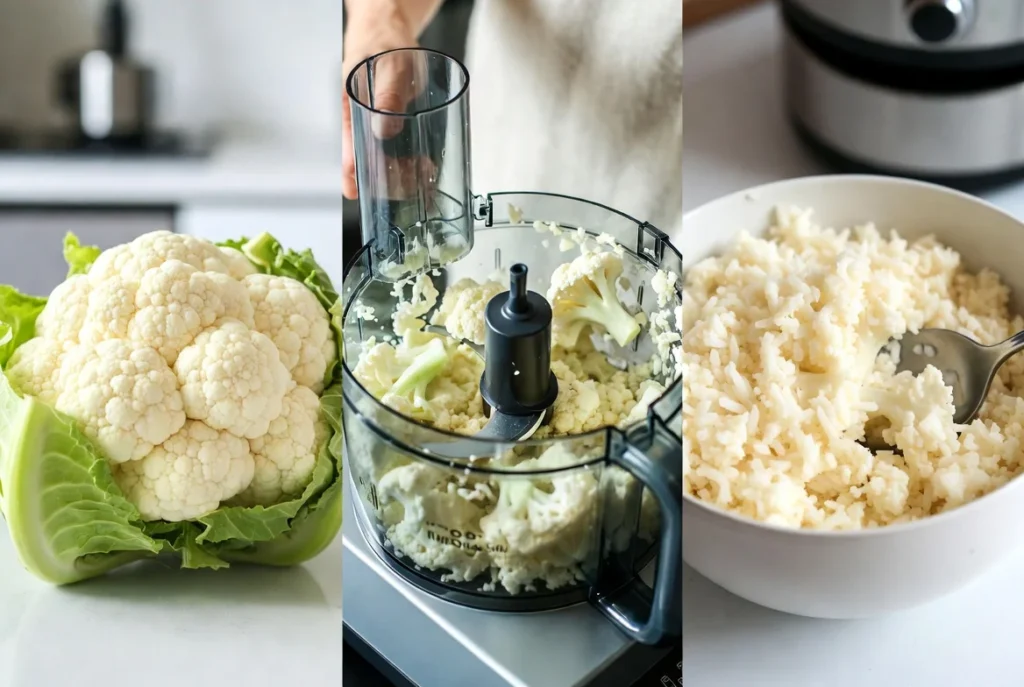
If using fresh cauliflower, transforming the whole head into rice-sized pieces requires just minutes using common kitchen tools.
Food Processor Method provides the fastest, most uniform results. Remove cauliflower leaves and cut the head into large florets, discarding the thick core. Working in batches to avoid overcrowding, pulse the florets in a food processor using short bursts until pieces reach rice-sized consistency. Avoid over-processing or you will end up with cauliflower mush instead of distinct grains.
Box Grater Method works when you lack a food processor. Cut cauliflower into manageable chunks and carefully grate against the large holes of a box grater. This method requires more arm work but produces excellent texture. The main challenge involves protecting your knuckles as chunks become smaller toward the end.
Knife Method requires the most time but gives you complete control. Cut florets into very small pieces using a sharp chef’s knife, then chop further until reaching rice-sized granules. This method works well for small batches or when you want a specific texture.
Store-bought frozen cauliflower rice eliminates this entire step, making it the clear winner for speed-focused cooking. Simply thaw if frozen solid, or cook directly from frozen depending on your chosen method.
Step-by-Step Instructions for Perfect Cheesy Cauliflower Rice
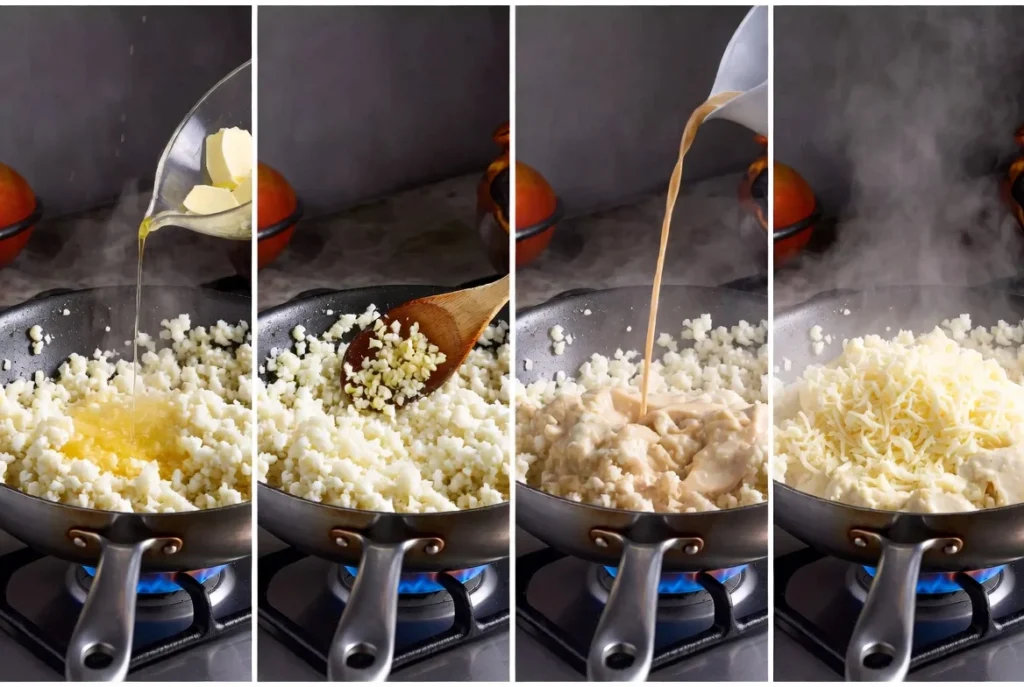
Creating this dish requires straightforward technique that delivers consistent results every time.
Prepare the Cauliflower by ricing fresh cauliflower using your preferred method or measuring out 4 to 5 cups of frozen cauliflower rice. If using frozen, let it thaw slightly while you gather other ingredients, or plan to cook it a few minutes longer to account for the frozen state.
Heat the Pan by placing a large skillet over medium heat. Add 2 tablespoons of butter or olive oil and allow it to melt and heat until shimmering but not smoking. A 12-inch skillet provides enough surface area to cook the cauliflower in a single layer, which helps achieve better texture than crowding in a smaller pan.
Cook the Cauliflower by adding the riced cauliflower to the hot pan. Spread it evenly and let it cook undisturbed for 2 to 3 minutes to develop some golden brown color on the bottom. Stir and continue cooking for 5 to 7 minutes total, stirring occasionally, until the cauliflower becomes tender-crisp rather than raw or mushy.
Add Aromatics and Liquid by stirring in minced garlic and cooking for 30 seconds until fragrant. Pour in a quarter cup of broth, which will steam and finish cooking the cauliflower. Let the liquid cook down for 2 to 3 minutes until mostly evaporated.
Incorporate the Cheese by reducing heat to medium-low and stirring in your shredded cheese. Add cream cheese if using. Stir continuously until all cheese melts and coats the cauliflower evenly, creating a creamy, cohesive dish. This takes 1 to 2 minutes. If the mixture seems dry, add a tablespoon or two more broth.
Season and Serve by tasting and adjusting salt and pepper as needed. Remember that cheese adds saltiness, so you likely need less salt than expected. Serve immediately while hot and creamy, garnished with fresh herbs like parsley or chives if desired.
Alternative Cooking Methods for Different Needs
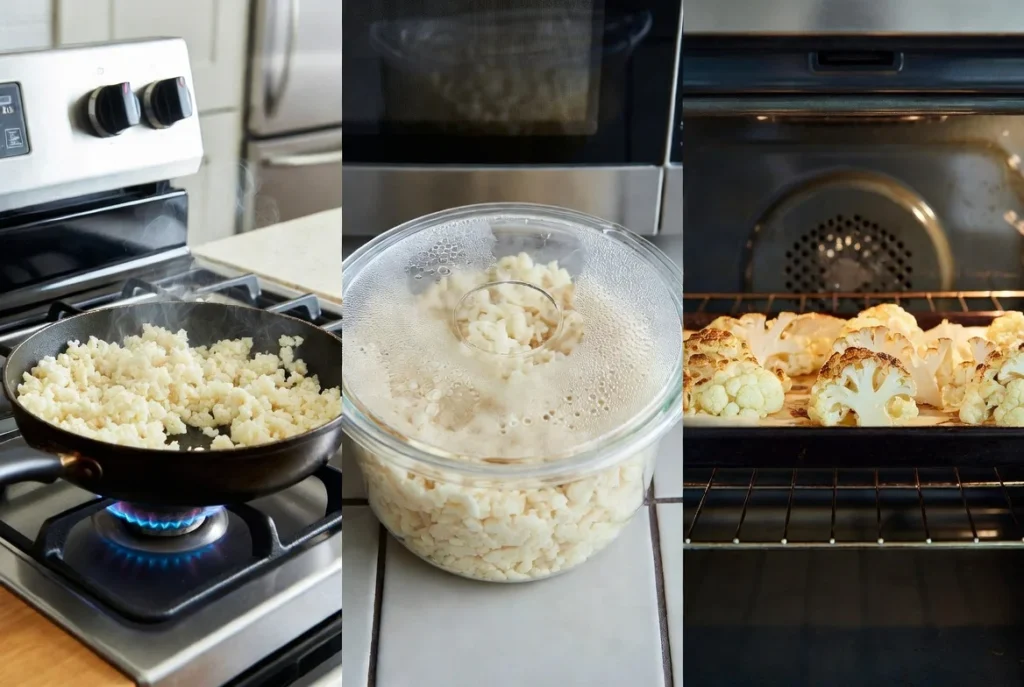
While the stovetop method provides the best texture and flavor control, other cooking methods work well depending on your equipment and preferences.
Microwave Method offers maximum speed for truly rushed weeknights. Place riced cauliflower in a microwave-safe bowl with 2 tablespoons water. Cover and microwave on high for 4 to 5 minutes until tender. Drain any excess liquid, then stir in butter, cheese, and seasonings. Microwave for 1 more minute to melt cheese. While this method lacks the depth of flavor that stovetop cooking develops, it produces acceptable results in under 10 minutes total time.
Oven Baked Method works beautifully when you want to prepare the dish ahead or prefer hands-off cooking. Spread riced cauliflower on a baking sheet, drizzle with olive oil, and roast at 400°F for 15 to 20 minutes until tender and lightly browned. Transfer to a baking dish, stir in cheese and seasonings, and bake for 5 more minutes until cheese melts. This method develops the most complex flavor through roasting but requires longer cooking time.
Instant Pot Method suits those who love pressure cooker convenience. Use the sauté function to cook garlic in butter, add cauliflower rice and broth, pressure cook on high for 1 minute, quick release, then stir in cheese using residual heat. This method works but offers minimal time savings over stovetop cooking while requiring an additional appliance.
Flavor Variations and Customization Ideas
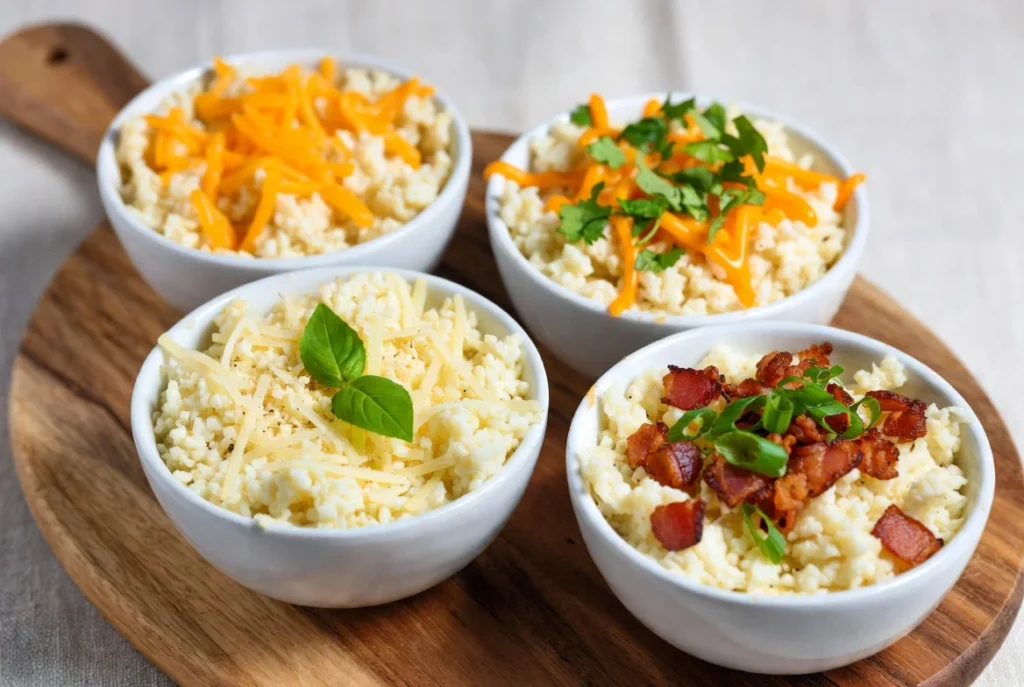
The basic cheesy cauliflower rice formula adapts beautifully to different flavor profiles and dietary needs.
Mexican-Inspired Version uses pepper jack cheese instead of cheddar, adds cumin and chili powder for seasoning, stirs in diced green chiles, and finishes with fresh cilantro and lime juice. This variation pairs perfectly with tacos, fajitas, or grilled meats with Latin flavors.
Italian-Style Version combines parmesan and mozzarella cheeses, adds Italian seasoning and dried basil, stirs in sun-dried tomatoes, and finishes with fresh basil. Serve this alongside chicken parmesan, meatballs, or Italian sausage.
Loaded Version mimics loaded baked potato flavors with sharp cheddar, crumbled bacon, sliced green onions, and a dollop of sour cream. This indulgent variation works as a meal prep friendly lunch option or hearty side dish.
Herb and Garlic Version uses a combination of parmesan and gruyere cheeses, doubles the garlic, adds fresh thyme and rosemary, and finishes with lemon zest. This sophisticated variation complements roasted chicken or lamb.
Lighter Version reduces cheese to half a cup, uses low-fat cheese, adds extra vegetables like peas or diced bell peppers for bulk, and relies more heavily on herbs and spices for flavor. This maintains the dish’s appeal while cutting calories and fat.
Serving Suggestions and Pairing Ideas

Cheesy cauliflower rice complements virtually any protein and works in multiple meal contexts.
For weeknight dinners, serve it alongside grilled chicken breasts, pan-seared pork chops, baked salmon, or beef stir-fry. The creamy, mild flavor profile works as a neutral backdrop that allows seasoned proteins to shine while adding vegetable content and visual appeal to plates.
For special occasions, pair it with herb-crusted rack of lamb, beef tenderloin, lobster tail, or duck breast. The humble cauliflower base elevates beautifully with good cheese, making it appropriate even for elegant dinner parties when presented attractively.
For casual meals, serve it in bowls topped with pulled pork, shredded chicken, or black beans for a complete one-bowl dinner. The rice-like texture makes it work in contexts where regular rice would typically appear.
For meal prep, portion it into containers alongside your protein and another vegetable for complete grab-and-go lunches. It reheats well in the microwave, though you may need to add a splash of broth to restore creaminess.
Storage Tips and Reheating Instructions

Proper storage extends the life of your cheesy cauliflower rice and maintains quality for future meals.
Refrigerate Leftovers by allowing the dish to cool to room temperature, then transferring to an airtight container. Store in the refrigerator for up to 4 days. The cheese may firm up and the cauliflower may release some liquid during storage, both normal occurrences that reheating addresses.
Reheat on the Stovetop for best results by placing desired portion in a skillet over medium-low heat. Add a tablespoon or two of broth or water to restore moisture, cover, and heat for 3 to 5 minutes, stirring occasionally, until warmed through and creamy again.
Microwave Reheating offers convenience by placing portions in a microwave-safe dish, adding a splash of liquid, covering loosely, and microwaving in 30-second intervals, stirring between each, until hot throughout. This typically takes 1 to 2 minutes depending on portion size.
Freezing Works with Caveats by freezing cooled cauliflower rice in freezer-safe containers for up to 2 months. Be aware that the texture changes upon thawing, becoming softer and releasing more liquid. Drain excess liquid after thawing and reheat with extra cheese to improve consistency. While acceptable, frozen and reheated cauliflower rice never quite matches freshly made quality.
Make-Ahead Strategy involves preparing plain cauliflower rice ahead and storing it separately from cheese and seasonings. When ready to serve, cook the prepared rice and add cheese fresh. This produces better texture than fully preparing and reheating the complete dish.
Common Mistakes to Avoid
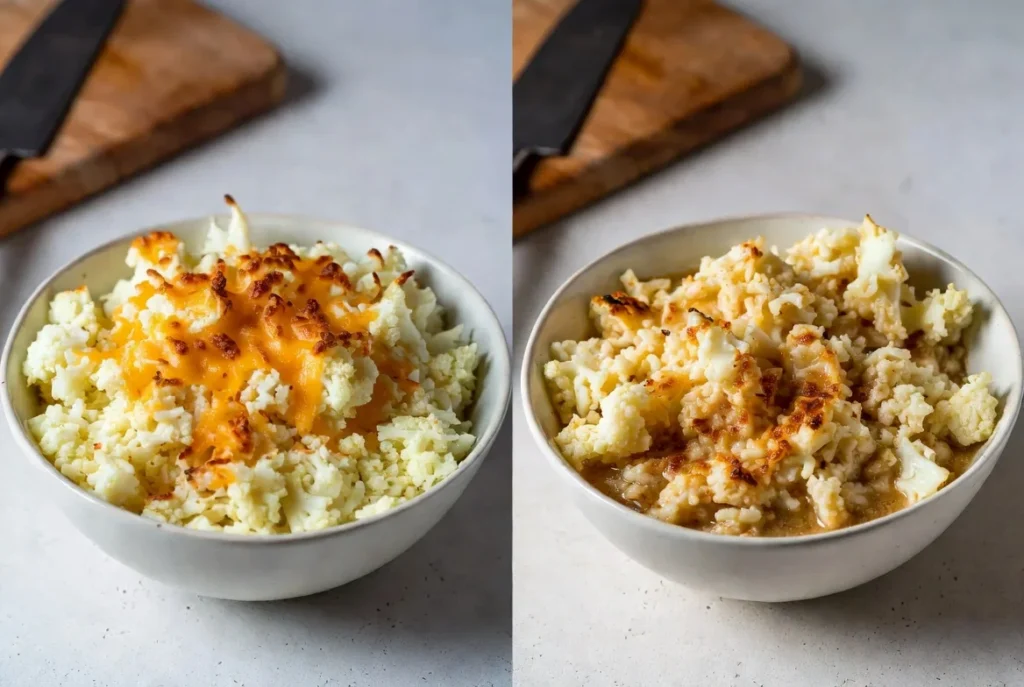
Understanding potential pitfalls helps ensure success every time you make this dish.
Overcooking the Cauliflower represents the most common mistake. Mushy, waterlogged cauliflower ruins texture and makes the dish unappetizing. Cook only until tender-crisp, which means tender enough to eat comfortably but still maintaining some structure. Fresh cauliflower typically needs 5 to 7 minutes of cooking, while frozen needs slightly less since it is already partially cooked.
Adding Cheese to High Heat causes the cheese to separate and become greasy rather than melting smoothly into a creamy sauce. Always reduce heat to medium-low before adding cheese, and stir constantly while it melts. If separation occurs, a splash of cream or milk while stirring vigorously sometimes brings it back together.
Not Draining Excess Moisture from cauliflower, particularly when using frozen, creates a watery, soupy mess instead of fluffy rice. After cooking cauliflower but before adding cheese, if you notice pooling liquid in the pan, tilt to one side and carefully spoon out excess moisture, or press cauliflower gently with a spatula to squeeze out water.
Using Pre-Shredded Cheese sometimes causes texture problems because pre-shredded cheese contains anti-caking agents that prevent smooth melting. While convenient, freshly shredded cheese from a block melts more smoothly and tastes better. If using pre-shredded, expect slightly grainy texture but acceptable results.
Skipping the Seasoning results in bland cauliflower rice that tastes one-dimensional despite the cheese. Cauliflower needs assertive seasoning, so do not be shy with salt, pepper, garlic, and any other aromatics. Always taste and adjust before serving.
Nutritional Benefits and Dietary Considerations
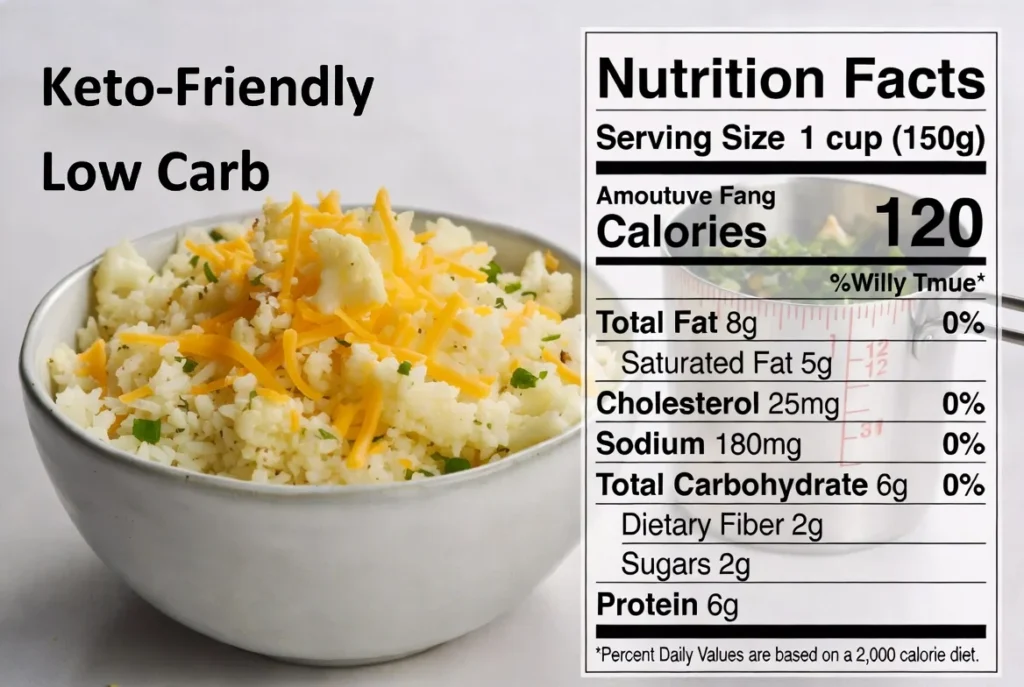
Cheesy cauliflower rice fits into numerous eating patterns while delivering genuine nutritional value.
The low carb profile makes it ideal for ketogenic diets, with one serving containing approximately 8 to 10 grams of carbohydrates compared to 45 grams in a similar serving of regular rice. This dramatic reduction allows those limiting carbohydrates to enjoy a rice-like side dish without derailing their dietary goals.
The gluten-free nature makes it safe for those with celiac disease or gluten sensitivity, assuming you use gluten-free broth and verify that your cheese contains no additives with gluten. Most natural cheeses are gluten-free, but always check labels on processed cheese products.
The vegetable-forward composition means you are eating a full serving or more of vegetables with each portion, contributing to recommended daily vegetable intake. Cauliflower provides vitamin C, vitamin K, folate, and fiber, nutrients that many people struggle to consume in adequate amounts.
The protein and calcium from cheese add nutritional value beyond what plain cauliflower provides, making this a more balanced side dish than steamed vegetables alone. One serving typically contains 6 to 8 grams of protein and 15 to 20 percent of daily calcium needs.
For those watching calories, be mindful of cheese and butter quantities, as these drive the caloric content up considerably. Using less cheese, opting for reduced-fat versions, or replacing some butter with cooking spray reduces calories while maintaining core appeal.
Conclusion: Your New Go-To Vegetable Side Dish
Cheesy cauliflower rice represents that rare recipe that delivers on every promise: it is genuinely quick, requiring just 20 minutes from start to finish. It tastes delicious enough that even vegetable avoiders request it. It works for multiple dietary approaches including low carb, keto, and gluten-free. And it pairs beautifully with virtually any main dish you might prepare.
The transformation of simple cauliflower into something this appealing proves that vegetables need not be boring or relegated to afterthought status. With good cheese, proper technique, and thoughtful seasoning, this humble cruciferous vegetable becomes the star side dish that makes weeknight meals feel special and keeps family members satisfied.
Start making this easy vegetable side dish this week. Experience how quickly it comes together and how enthusiastically people respond. Try different cheese combinations and flavor variations to find your favorites. And appreciate having discovered a family-friendly, healthy side dish that you will return to again and again, making vegetables exciting rather than obligatory.
Frequently Asked Questions
Can I use frozen cauliflower rice instead of fresh?
Absolutely! Frozen cauliflower rice works beautifully and significantly reduces preparation time since the ricing step is already done. Thaw it slightly before cooking or add a few extra minutes to cooking time if using it frozen. The main difference is that frozen cauliflower rice releases more moisture during cooking, so you may need to drain excess liquid before adding cheese. Some cooks actually prefer frozen for its convenience and consistent texture.
How do I prevent my cheesy cauliflower rice from becoming watery?
Excess moisture is the most common issue with cauliflower rice. First, do not overcook the cauliflower as this releases more water. Second, if using frozen cauliflower, thaw it in a colander and press gently to remove excess moisture before cooking. Third, let any cooking liquid evaporate completely before adding cheese. If the mixture still seems wet after cooking, tilt the pan to one side and carefully spoon out pooling liquid, or spread cauliflower on paper towels briefly to absorb moisture.
What cheese works best for cauliflower rice?
Cheddar cheese provides classic sharp flavor that most people love and melts beautifully. Parmesan cheese adds nutty, salty sophistication and works wonderfully alone or combined with cheddar. For extra creaminess, add cream cheese which melts into a sauce-like consistency. Gruyere, monterey jack, pepper jack, and mozzarella all work well depending on your flavor preferences. For best melting, use freshly shredded cheese from a block rather than pre-shredded.
Can I make cheesy cauliflower rice ahead of time?
You can prepare components ahead for easier assembly later. Rice the cauliflower up to 2 days ahead and store it raw in the refrigerator, then cook fresh when needed. Alternatively, cook the complete dish up to 4 days ahead, refrigerate, and reheat when serving, though texture suffers slightly. For best results, cook the cauliflower rice and store it separately from cheese, then combine and heat everything together just before serving. This produces texture closest to freshly made.
Is cauliflower rice actually healthy or just trendy?
Cauliflower rice delivers genuine nutritional benefits beyond being a trendy substitute. It contains just 25 calories per cup versus 200 in white rice, making it excellent for calorie control. It provides substantial vitamin C, vitamin K, folate, and fiber while being naturally low carb and gluten-free. The cheese adds protein and calcium. While not inherently healthier than all alternatives, it helps people eat more vegetables and fits well into many dietary approaches. The health benefits are real, not just marketing hype.
You May Also Like This Post: Baked Crispy Broccoli Cheese Bites: The Healthiest Snack You’ll Ever Make



One Comment