15 Pasta and Peas: The Cozy Italian Comfort Dish That Comes Together in Under 30 Minutes
There’s a dish sitting quietly in Italian kitchens that most Americans haven’t fully discovered yet. It isn’t fancy. It doesn’t take hours. But pasta and peas delivers the kind of deep, soul-warming satisfaction that expensive restaurant meals often fail to match. Two humble ingredients. One extraordinary result. Tonight might be the night you finally make it.
What Is Pasta and Peas and Why Italians Have Loved It for Centuries
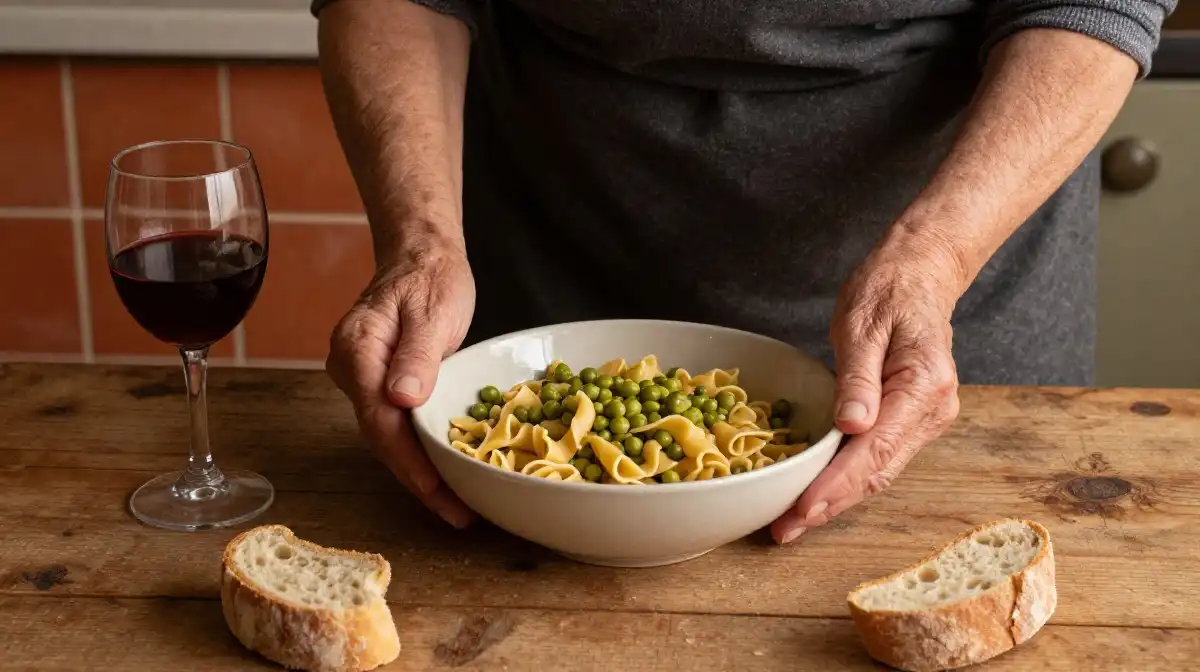
Pasta e piselli — that’s what Italians call it — is one of the oldest and most beloved dishes in Southern Italian cooking. It started as peasant food. Families with little money and fewer options learned to stretch small amounts of pasta with whatever vegetables grew easily and cheaply. Green peas were perfect. They grew fast, stored well and added both sweetness and substance to an otherwise simple bowl.
Generations passed and the dish never disappeared. It stayed on Italian tables not because people had no other options but because it genuinely tasted wonderful. The starchy, slightly brothy base — somewhere between a thick soup and a saucy pasta — became its own beloved texture category. Today in Naples, Rome and throughout Campania, Italian pasta and peas still appears on weeknight dinner tables as naturally as breathing. It’s comfort food with centuries of trust behind it.
Why Pasta and Peas Is the Ultimate Quick and Comforting Weeknight Dinner
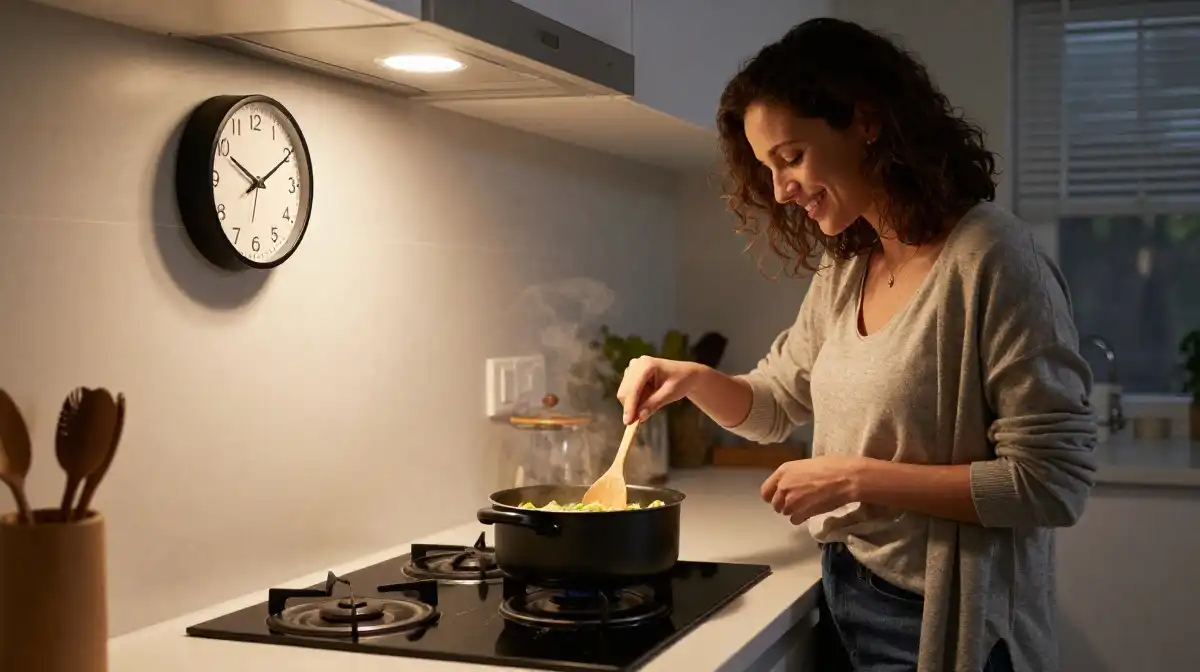
Busy weeknights demand food that’s fast but doesn’t feel like a compromise. Easy pasta and peas fits that description better than almost anything else in the Italian repertoire. You’re looking at 25 to 30 minutes from start to bowl. One pan does most of the work. The ingredient list stays short and everything is likely already in your kitchen right now.
Beyond speed, the comfort factor is real. Something about the combination of soft pasta, sweet green peas and a glossy, savory sauce feels genuinely restorative after a long day. It’s warm without being heavy. Filling without making you feel sluggish. Quick pasta and peas also works beautifully as pasta and peas meal prep — it reheats well and the flavors actually deepen overnight in the fridge. Few dishes balance convenience and satisfaction this effectively.
Best Pasta Shapes to Use for the Perfect Pasta and Peas Every Time
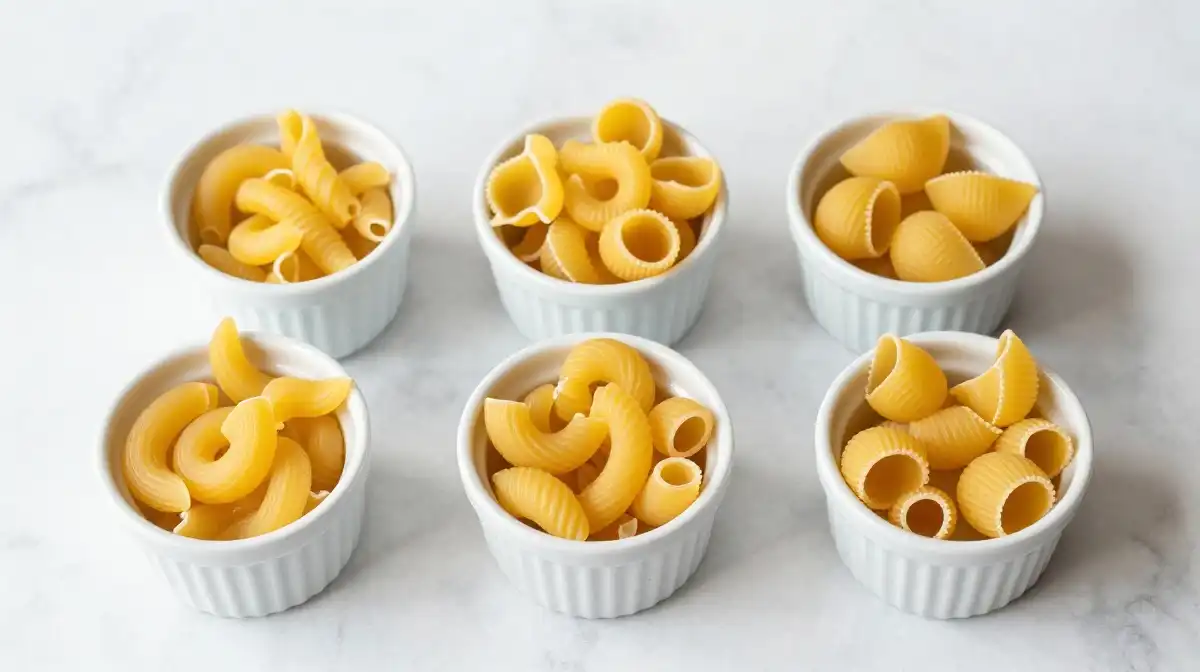
Pasta shape matters more than people realize. The classic Italian choice is ditalini pasta — those small, tube-shaped pieces that trap the brothy sauce inside and scoop up green peas perfectly in every bite. They’re sized almost identically to the peas which creates that signature harmony the dish is known for. Every forkful delivers pasta and pea in equal measure.
you may also like this: 14 Pasta e Ceci: The Ultimate Italian Chickpea Pasta Recipe That Warms Your Soul
However ditalini pasta isn’t always easy to find in American grocery stores. Good substitutes include elbow macaroni, small shells, orzo or tubetti. The key is using short pasta — nothing long like spaghetti or fettuccine. Long pasta fights against the brothy, spoonable quality of the dish and throws off the whole eating experience. Whatever short pasta you use, cook it directly in the broth whenever possible. That releases starch into the liquid and builds the silky, slightly thick consistency that defines a truly great bowl.
Best Pasta Shapes for This Dish
| Pasta Shape | Availability | Why It Works |
|---|---|---|
| Ditalini | Specialty stores | Traditional, perfect size match with peas |
| Elbow Macaroni | Every grocery store | Great substitute, widely available |
| Small Shells | Most grocery stores | Cups and holds sauce beautifully |
| Orzo | Most grocery stores | Delicate texture, works in soupier versions |
| Tubetti | Italian delis | Closest to ditalini in shape and function |
Fresh Peas vs Frozen Peas — Which One Works Better in Pasta and Peas
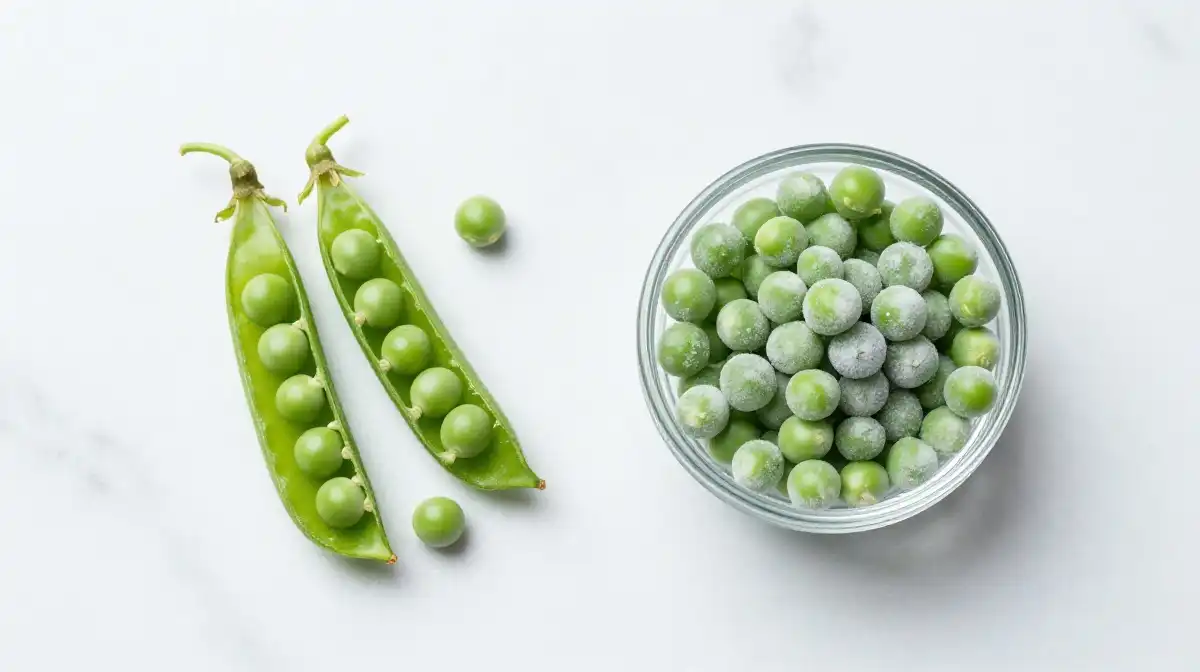
This debate comes up every spring when fresh peas appear at farmers markets and grocery stores. Fresh wins on sweetness — no question. When fresh peas are in season, their natural sugar content is at its peak and nothing else quite matches that clean, bright flavor. However fresh peas have a narrow window. Miss it and you’re working with starchy, mealy peas that taste disappointing no matter what you do with them.
Frozen peas are the more reliable year-round choice and most Italian home cooks use them without any shame. They’re harvested and frozen at peak ripeness which locks in sweetness and color better than out-of-season fresh peas ever could. For pasta and peas recipe purposes, add frozen peas directly from the freezer in the last few minutes of cooking. They thaw and heat through almost instantly. Overcooking peas — fresh or frozen — is the real enemy here. Thirty seconds too long and they turn from vibrant green to dull, mushy and sad.
The Ingredients That Make Pasta and Peas Taste Absolutely Incredible
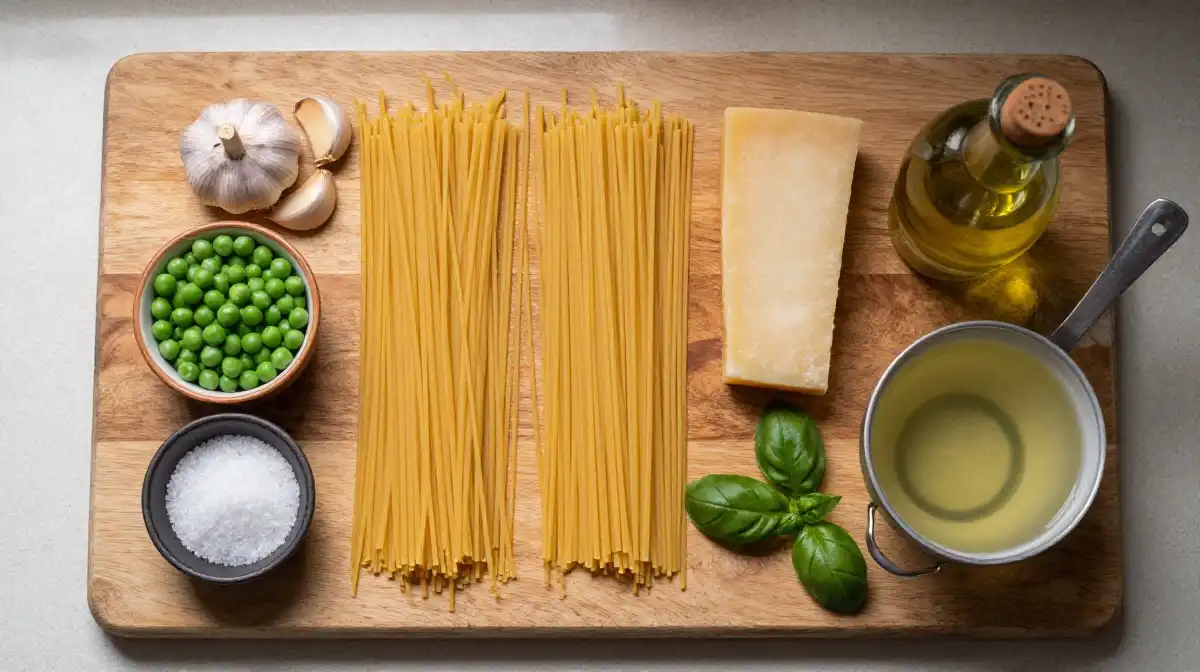
The magic of this dish is that every single ingredient earns its place. Nothing decorative. Nothing unnecessary. Garlic cloves go in first — sautéed in olive oil or butter until golden and fragrant. That base flavor infuses the entire dish. Onion or shallots add sweetness and depth. Chicken broth or vegetable broth forms the cooking liquid that the pasta absorbs as it cooks.
Parmesan cheese stirred in at the end creates a rich, savory finish that ties everything together. Starchy pasta water is your secret weapon — save a full cup before draining and use it to loosen the sauce and build that silky coating around every piece of pasta. Black pepper and sea salt season throughout. A pinch of red pepper flakes adds background warmth without making it spicy. Finish with fresh basil or fresh mint and a drizzle of good olive oil and the whole bowl comes alive.
Core Ingredients List
| Ingredient | Role in the Dish |
|---|---|
| Garlic cloves | Aromatic base flavor |
| Olive oil or butter | Cooking fat, richness |
| Green peas | Main vegetable, sweetness |
| Ditalini or short pasta | Starch, body |
| Chicken or vegetable broth | Cooking liquid, flavor depth |
| Parmesan cheese | Savory finish, creaminess |
| Starchy pasta water | Sauce consistency |
| Black pepper and sea salt | Seasoning throughout |
How to Make Classic Italian Pasta and Peas Step by Step
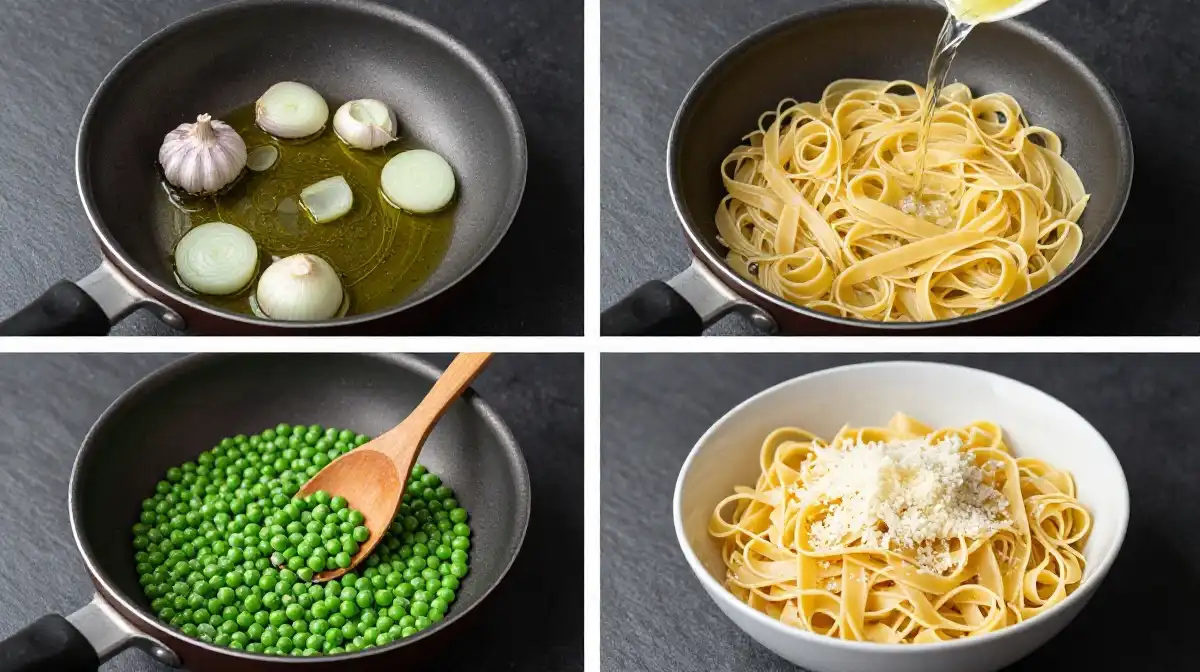
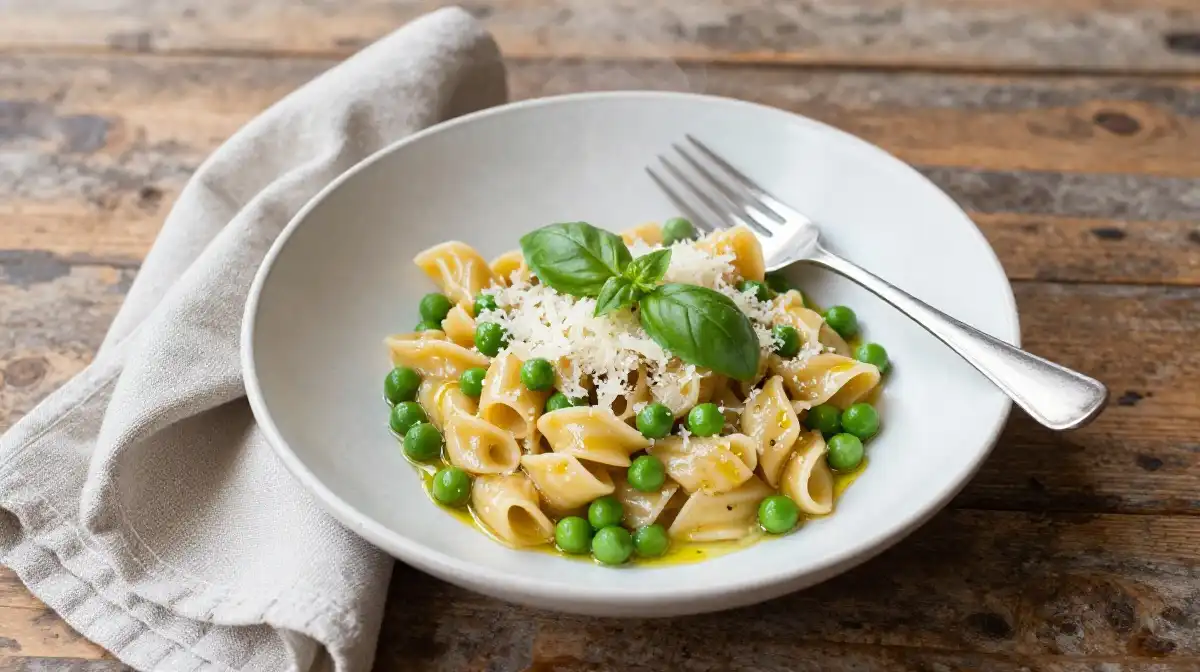
Start by warming olive oil in a wide, deep pan over medium heat. Add finely diced onion and cook for four to five minutes until soft and translucent. Add sliced garlic cloves and cook for one more minute — just until fragrant but not browned. Pour in chicken broth or vegetable broth and bring to a gentle simmer.
Add your ditalini pasta or chosen short pasta directly into the broth. Cook uncovered, stirring occasionally, until the pasta is about two minutes from done. Add frozen peas or fresh peas and stir through. The peas need barely two minutes. Once pasta is al dente and peas are bright green, remove from heat. Stir in parmesan cheese and a splash of starchy pasta water if the mixture looks too thick. Finish with black pepper, a drizzle of olive oil and fresh basil. Serve immediately in warm bowls.
How to Make Creamy Pasta and Peas With Parmesan and Heavy Cream
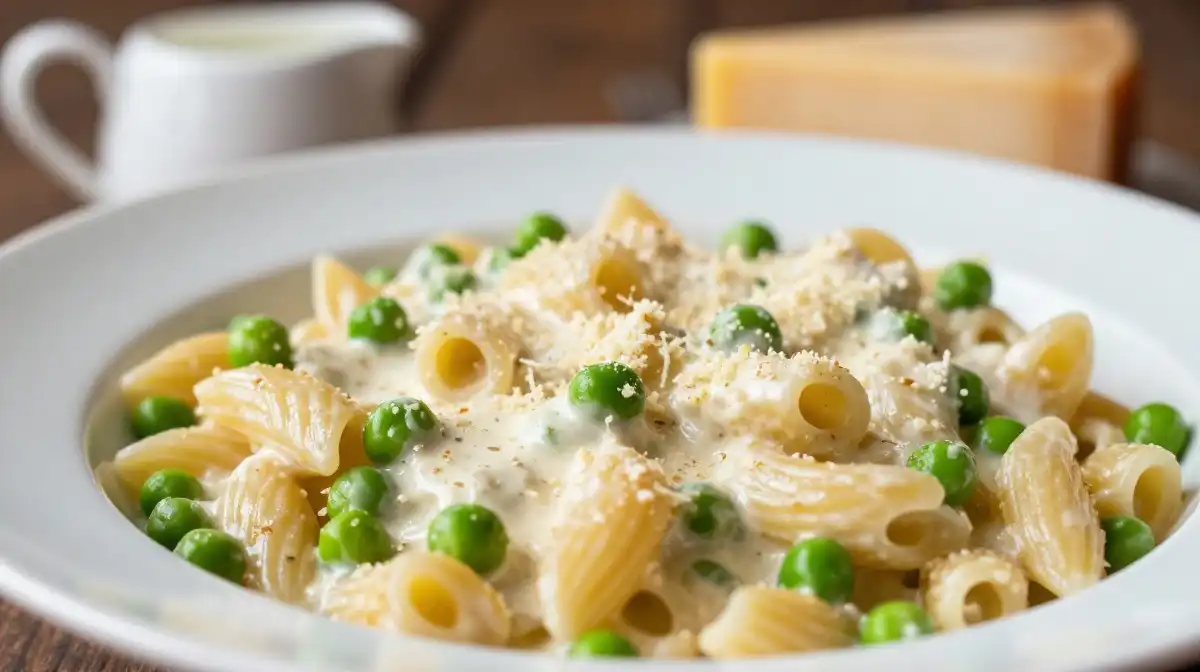
Creamy pasta and peas takes the classic recipe and adds pure indulgence. The process starts identically — sauté garlic cloves and shallots in butter until soft. Add broth and cook the pasta directly in the liquid. The difference comes at the finish. Once the pasta is nearly done and the peas are in, pour in a generous splash of heavy cream.
Let it simmer for two minutes and watch the sauce transform. The heavy cream combines with the starchy pasta water and parmesan cheese to create a glossy, velvety coating that clings to every piece of pasta. Pasta and peas with cream is richer than the original but it doesn’t feel heavy — the sweetness of the peas cuts through and keeps everything balanced. Finish with pecorino romano instead of standard parmesan cheese for a sharper, saltier edge that elevates the whole dish.
How to Make Pasta and Peas Soup the Traditional Italian Way
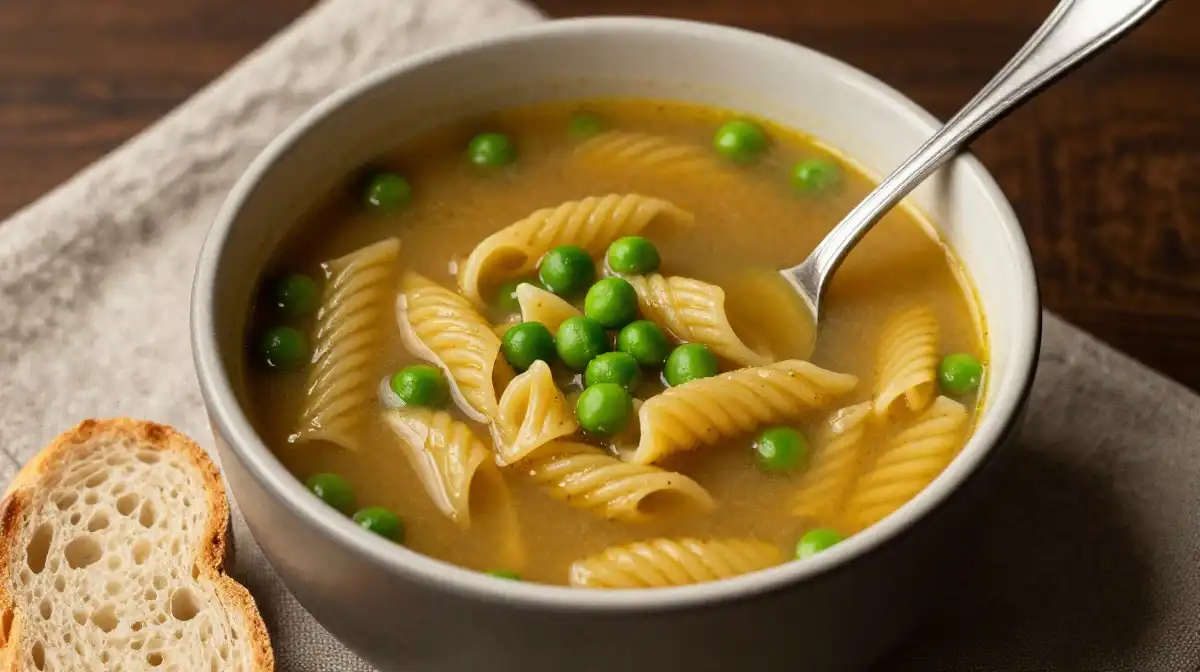
Pasta and peas soup leans soupier and brothier than the standard version. Think of it as the same dish with more liquid — closer to a thick minestrone than a sauced pasta. This version is especially popular in Naples where it’s eaten with a spoon rather than a fork and the ditalini pasta floats freely in a rich, savory broth.
The key difference is the broth ratio. Use nearly double the liquid compared to the standard recipe. Add vegetable broth or chicken broth generously and don’t let it reduce too much. Some cooks blend a small portion of the cooked peas and stir the puree back into the soup — this thickens the broth naturally and intensifies the pea flavor throughout every spoonful. Season with sea salt, black pepper and red pepper flakes. A final drizzle of your best olive oil right before serving adds a fruity richness that makes the whole bowl taste genuinely special.
How to Make Pasta and Peas With Pancetta or Bacon for Extra Flavor
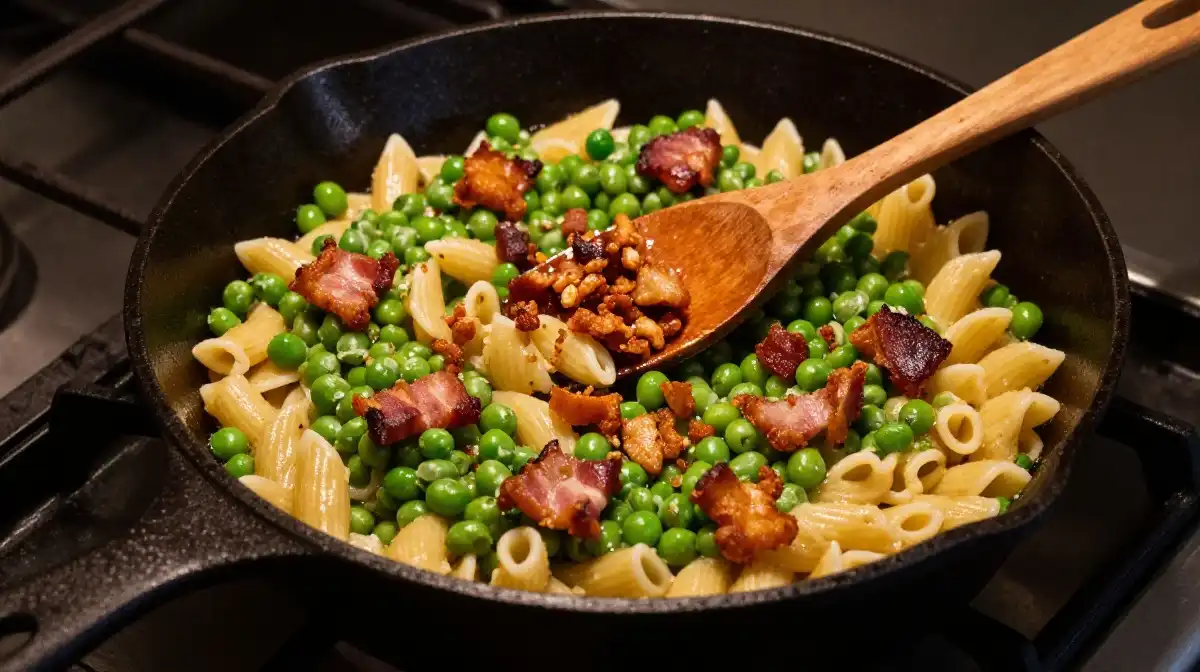
Adding cured pork to this dish is a game changer. Pasta and peas with pancetta is arguably the most popular variation in Italian home cooking. Pancetta — Italian cured pork belly — renders its fat into the pan first, creating a smoky, savory base that infuses every element of the dish with incredible depth.
Dice pancetta into small cubes and cook in a dry pan over medium heat until crispy and golden. Remove the crispy pieces and set aside. Cook garlic cloves and onion in the rendered fat — that flavored oil is worth its weight in gold. Build the dish from there and scatter the crispy pancetta back on top before serving. Pasta and peas with bacon works identically if pancetta isn’t available. Regular streaky bacon delivers a smokier, slightly more American flavor profile but the result is still deeply satisfying. Pasta and peas with prosciutto is a lighter alternative — add thin torn slices of prosciutto right at the end without cooking so they stay silky and delicate.
How to Make Healthy and Light Pasta and Peas With Olive Oil and Lemon
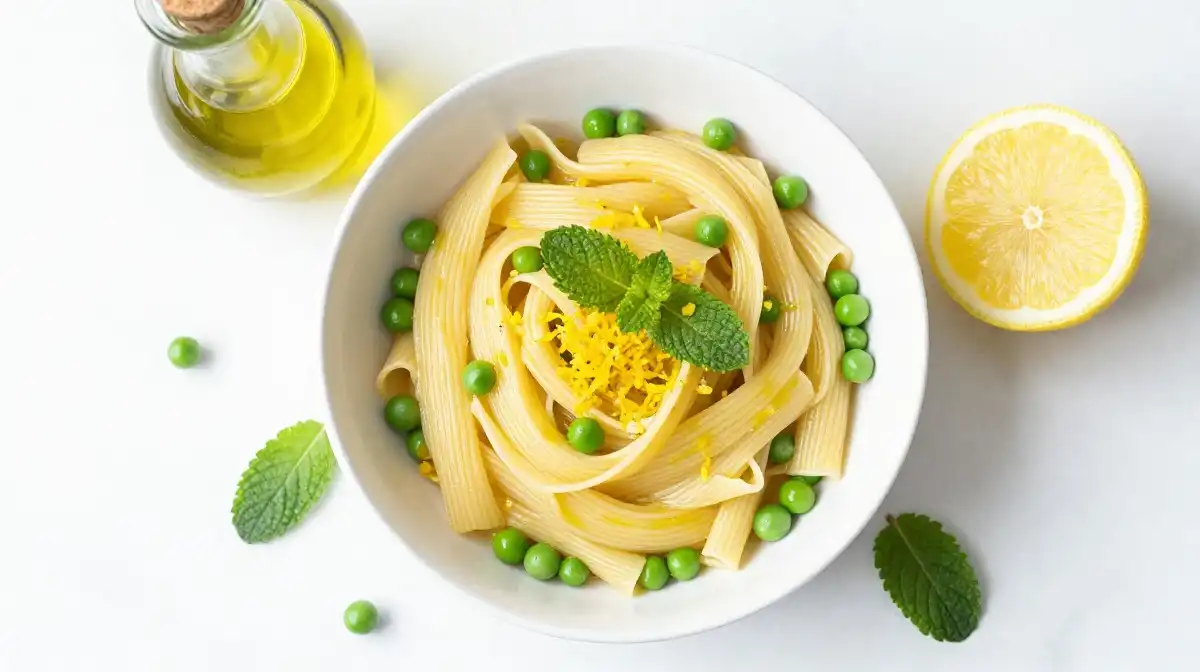
Not every version needs cheese or cream. Pasta and peas healthy means leaning into the natural goodness of the core ingredients without loading them up with fat. Pasta and peas with olive oil and lemon is the lightest, brightest version of this dish and it tastes remarkably fresh and clean.
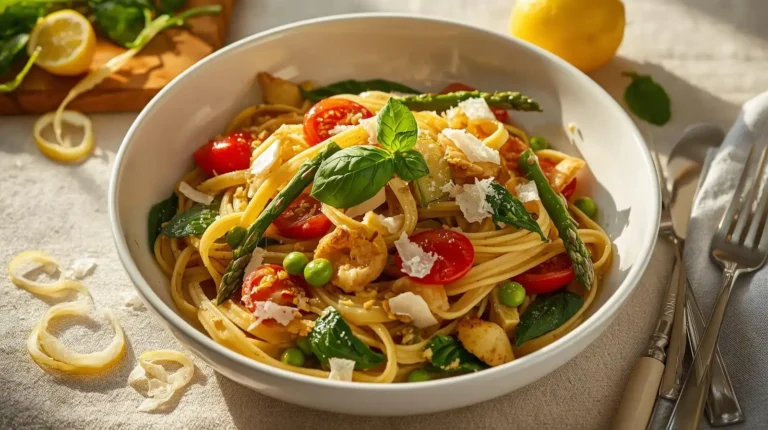
Sauté garlic cloves in a generous pour of good quality olive oil. Add green peas, a ladleful of starchy pasta water and the cooked pasta. Toss everything together vigorously — the olive oil and starchy pasta water emulsify into a light, glossy sauce that coats the pasta beautifully. Finish with fresh lemon zest and a squeeze of juice. The citrus wakes up every flavor in the bowl. Add fresh mint for an herbal brightness that feels genuinely Italian. Pasta and peas with lemon is under 400 calories per serving and delivers fiber, plant protein and complex carbohydrates in one fast, delicious bowl.
How to Make One Pot Pasta and Peas for Easy Weeknight Cooking
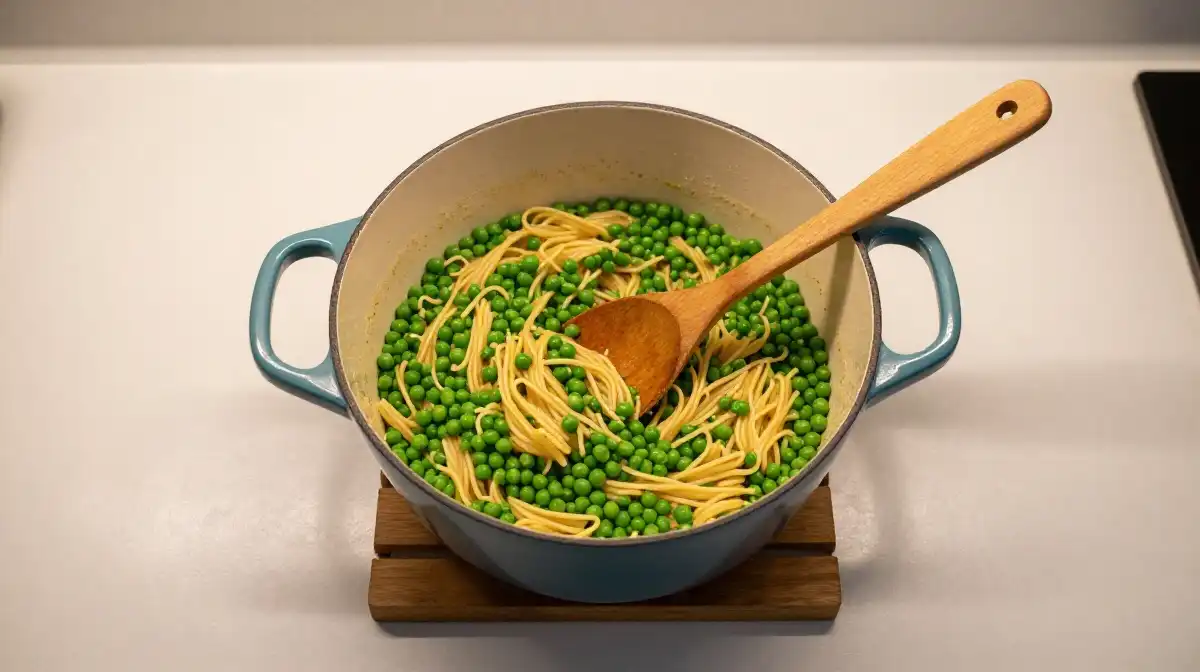
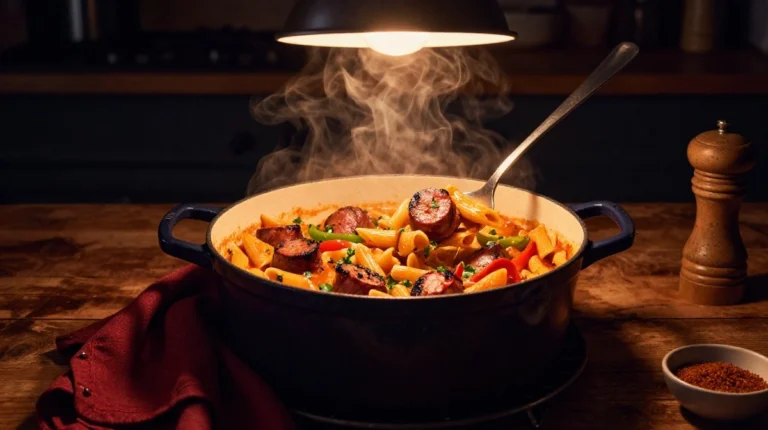
Pasta and peas one pot cooking is the method for nights when washing multiple pans feels like too much to ask. Everything happens in a single wide pan or Dutch oven and the result is actually better than the multi-pan version in some ways — the pasta releases more starch directly into the cooking liquid which builds a naturally thick, clingy sauce.
Sauté garlic cloves and onion in olive oil directly in the pot. Add broth, bring to a simmer and pour in dry short pasta. Cook uncovered, stirring regularly, adding small splashes of water if the liquid absorbs too fast. Add frozen peas in the final two minutes. By the time the pasta reaches al dente the liquid should be almost fully absorbed with just enough left to create a saucy consistency. Stir in parmesan cheese, season with black pepper and sea salt and serve straight from the pot. One pot. One dish. Minimal cleanup.
How to Make Pasta and Peas for Kids That They Will Actually Eat
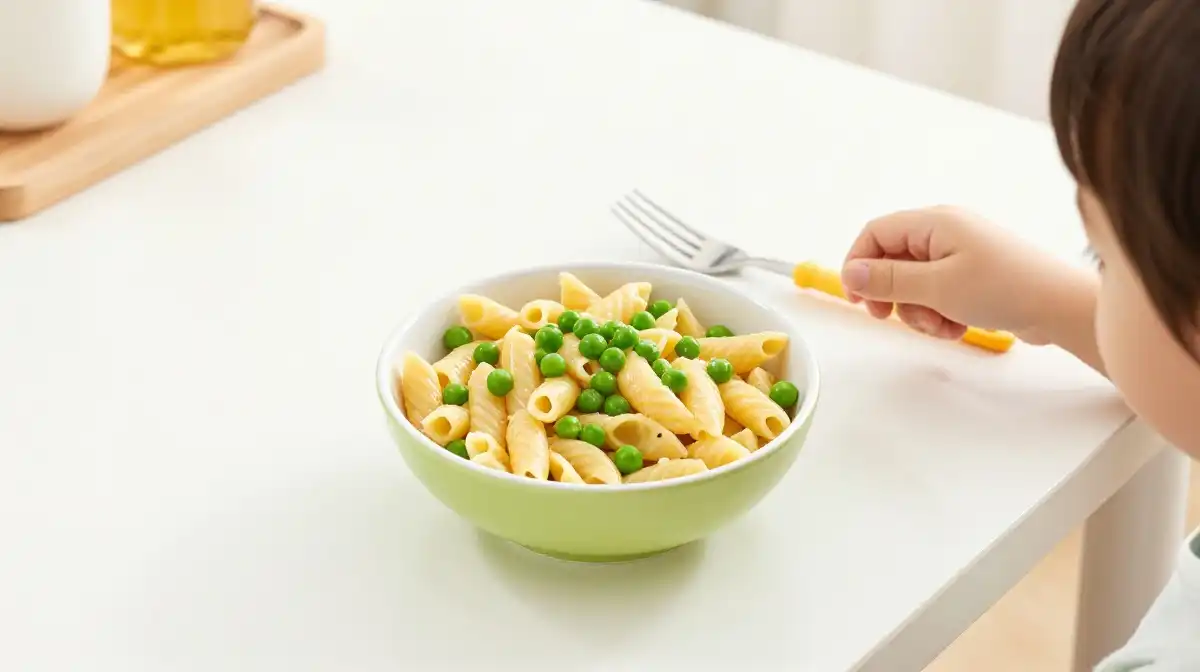
Getting kids excited about vegetables is its own art form. Pasta and peas for kids works because the peas hide in plain sight among similarly sized pasta pieces. They look like part of the dish rather than a vegetable being forced on them. The natural sweetness of green peas also appeals to young palates far more than bitter vegetables ever could.
Keep the seasoning mild for kids — skip red pepper flakes entirely and go easy on black pepper. Use butter instead of olive oil for a milder, more familiar flavor that children tend to love. A generous handful of parmesan cheese stirred through makes everything taste richer and more appealing. For very young children, blend a portion of the cooked peas smooth and stir the puree back into the sauce — it creates a creamy green coating that kids often enjoy without realizing they’re eating a vegetable. Simple pasta and peas made this way disappears from children’s bowls faster than almost any other weeknight dinner.
Best Toppings and Add-Ins to Elevate Your Pasta and Peas
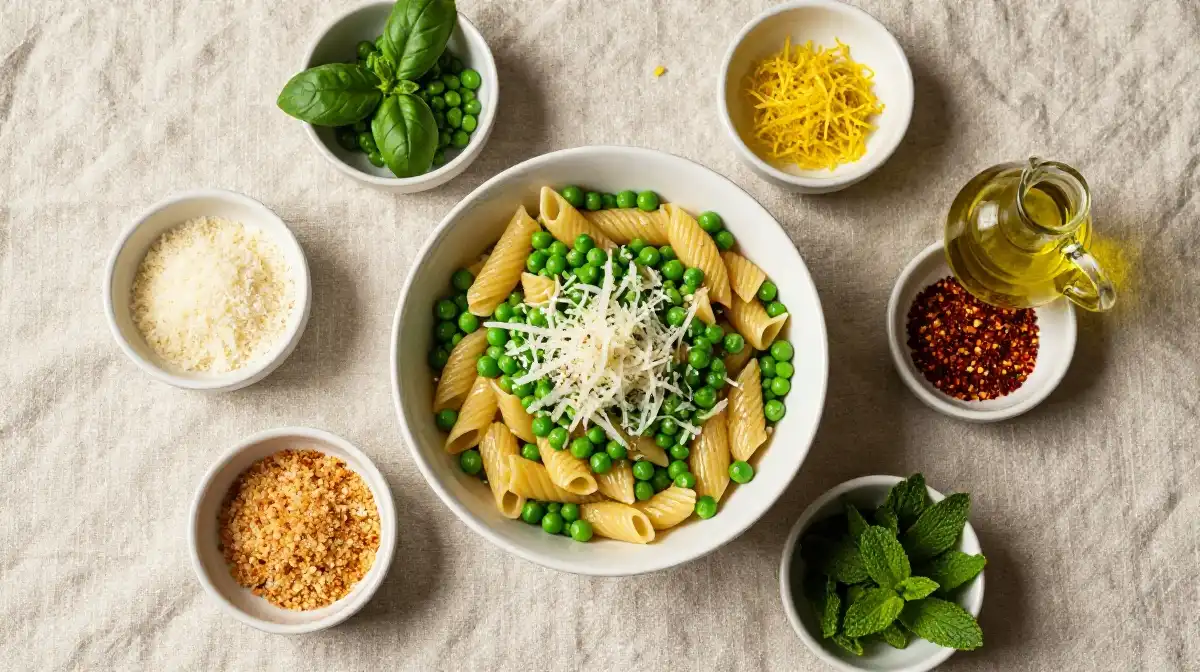
The right finishing touches transform a good bowl into a memorable one. Extra parmesan cheese grated generously on top is non-negotiable for most versions. A final drizzle of high-quality olive oil adds fruity richness and a beautiful sheen. Fresh basil torn over the top adds color and perfume. Fresh mint works even better with peas — the combination is genuinely inspired.
For pasta and peas with chicken, add shredded rotisserie chicken stirred through in the final minute of cooking. It turns the dish into a complete protein-rich meal with almost no extra effort. Lemon zest brightened with a few red pepper flakes creates a zesty, slightly spicy topping that cuts through richness beautifully. Pecorino romano instead of standard parmesan cheese adds a sharper, more assertive saltiness. A handful of toasted breadcrumbs scattered on top adds crunch that contrasts perfectly with the soft pasta beneath.
How to Store and Reheat Pasta and Peas Without Drying It Out
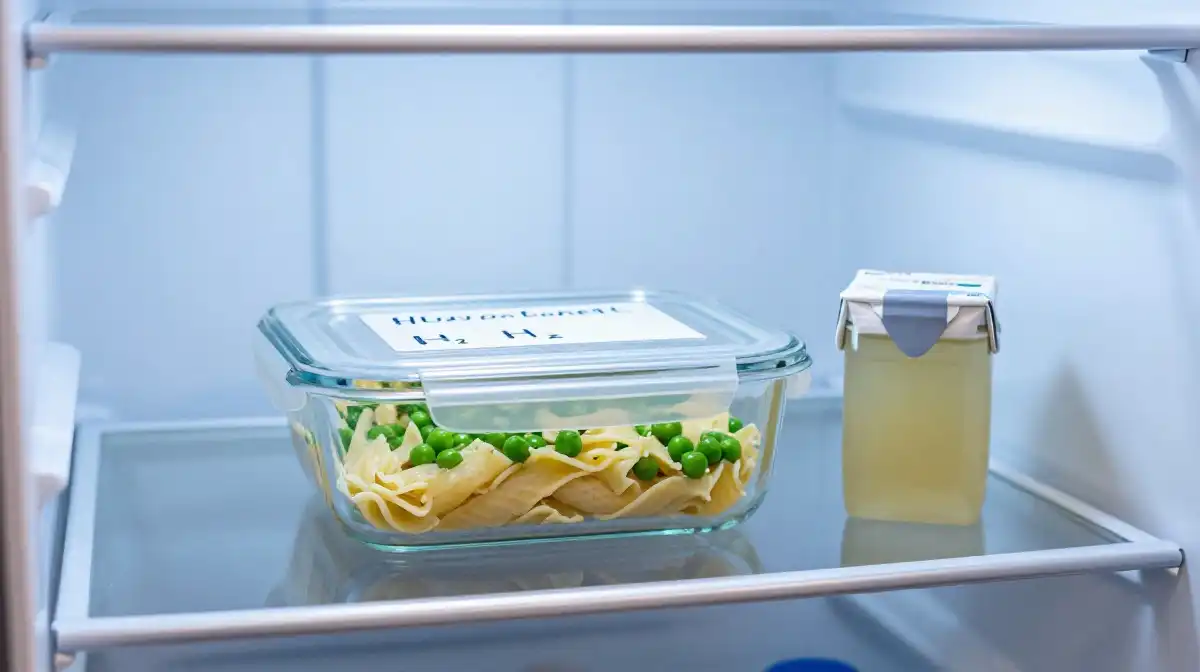
Pasta and peas stores well but it thickens considerably in the fridge as the pasta continues absorbing liquid. Store leftovers in an airtight container for up to three days. The flavors actually improve overnight — the garlic deepens and the peas infuse the broth more fully by the next morning.
To reheat, add a generous splash of chicken broth, vegetable broth or even plain water to the container before warming. This rehydrates the pasta and restores the original saucy consistency. Reheat gently over medium-low heat on the stovetop, stirring regularly. Microwave reheating works too — cover loosely with a damp paper towel and heat in 60-second intervals, stirring between each. Never reheat on high heat as it dries the pasta and toughens the peas. Homemade pasta and peas reheated properly tastes almost as good as the freshly made version which makes it ideal for pasta and peas meal prep throughout the week.
Mistakes to Avoid When Making Pasta and Peas at Home
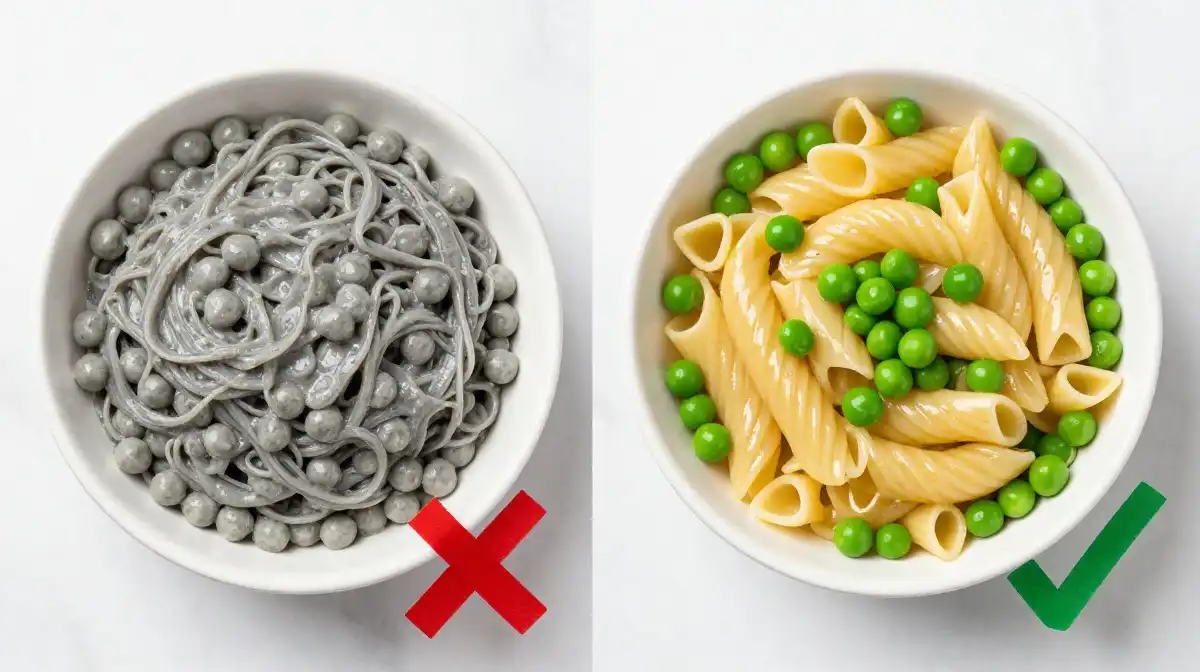
Overcooking the peas is the single most common mistake. Green peas — fresh or frozen — need barely two minutes of heat. Beyond that they turn from bright, sweet and tender to dull, mushy and flavorless. Add them last. Always last. Watch them closely and pull the pan from heat the moment they’ve lost their raw starchiness.
The second mistake is skipping starchy pasta water. Most home cooks drain their pasta and throw away liquid gold. That cloudy, starch-rich water is what creates the silky emulsified sauce that makes restaurant pasta taste so different from home cooking. Always save at least one full cup before draining. Another common error is using too much liquid in the non-soup version — the dish should be saucy and slightly brothy but not swimming in liquid. Finally never skip the final drizzle of olive oil. It’s not optional garnish. It’s a flavor layer that ties the entire bowl together and gives pasta and peas recipe its characteristic richness and gloss.
Frequently Asked Questions About Pasta and Peas
What is the difference between pasta e piselli and pasta and peas soup?
Pasta e piselli is the broader Italian name for the dish. The soup version uses more liquid and is eaten with a spoon. The standard version is thicker and saucier — somewhere between a soup and a sauced pasta.
Can I make pasta and peas without broth?
Yes. Use plain salted water as your cooking liquid and boost flavor with extra garlic cloves, parmesan cheese rinds simmered in the water and a generous pour of olive oil. The result is lighter but still delicious.
What cheese works best in pasta and peas?
Parmesan cheese is the classic choice. Pecorino romano works beautifully for a sharper flavor. Use whichever you prefer or combine both for complexity.
Can I make this dish vegan?
Absolutely. Use vegetable broth, swap butter for olive oil and replace parmesan cheese with nutritional yeast or a vegan hard cheese alternative. The dish loses none of its comfort factor.
How do I stop the pasta from getting mushy when stored?
Cook the pasta to al dente — slightly underdone — before mixing with the peas and sauce. It continues absorbing liquid as it sits so starting firmer prevents mushiness in leftovers.